

Forests cleared for livestock in Roman Britain may have made young frogs more vulnerable to owls, revealing how human activity shaped wildlife nearly 1,700 years ago.
Finding 8,000 frog bones buried in a single ditch raised a strange question for archaeologists working along England’s A14 highway. What had killed so many frogs, and why had their remains accumulated in one place? Evidence that the ditch filled within just one year made the discovery even more puzzling.
Nearly a decade later, researchers from Bournemouth University and Museum of London Archaeology (MOLA) believe they have identified the culprits. The frogs were likely eaten by birds of prey, particularly short-eared owls and hen harriers, that took advantage of a landscape transformed by human activity during the Roman period.
Ancient bones reveal clues to the killings
The bones were uncovered between 2016 and 2018 during the National Highways A14 Cambridge to Huntingdon Improvement Scheme. After learning about the discovery through news reports, Dr. Paul Clarkson of Bournemouth University contacted Dr. Vicki Ewens, a senior zooarchaeologist at MOLA, to investigate.
Clarkson compared damage on the ancient bones with patterns documented in previous studies and found evidence that the frogs had been eaten by birds of prey. Although this helped identify the likely predators, it did not fully explain how so many remains had collected in such a short time.
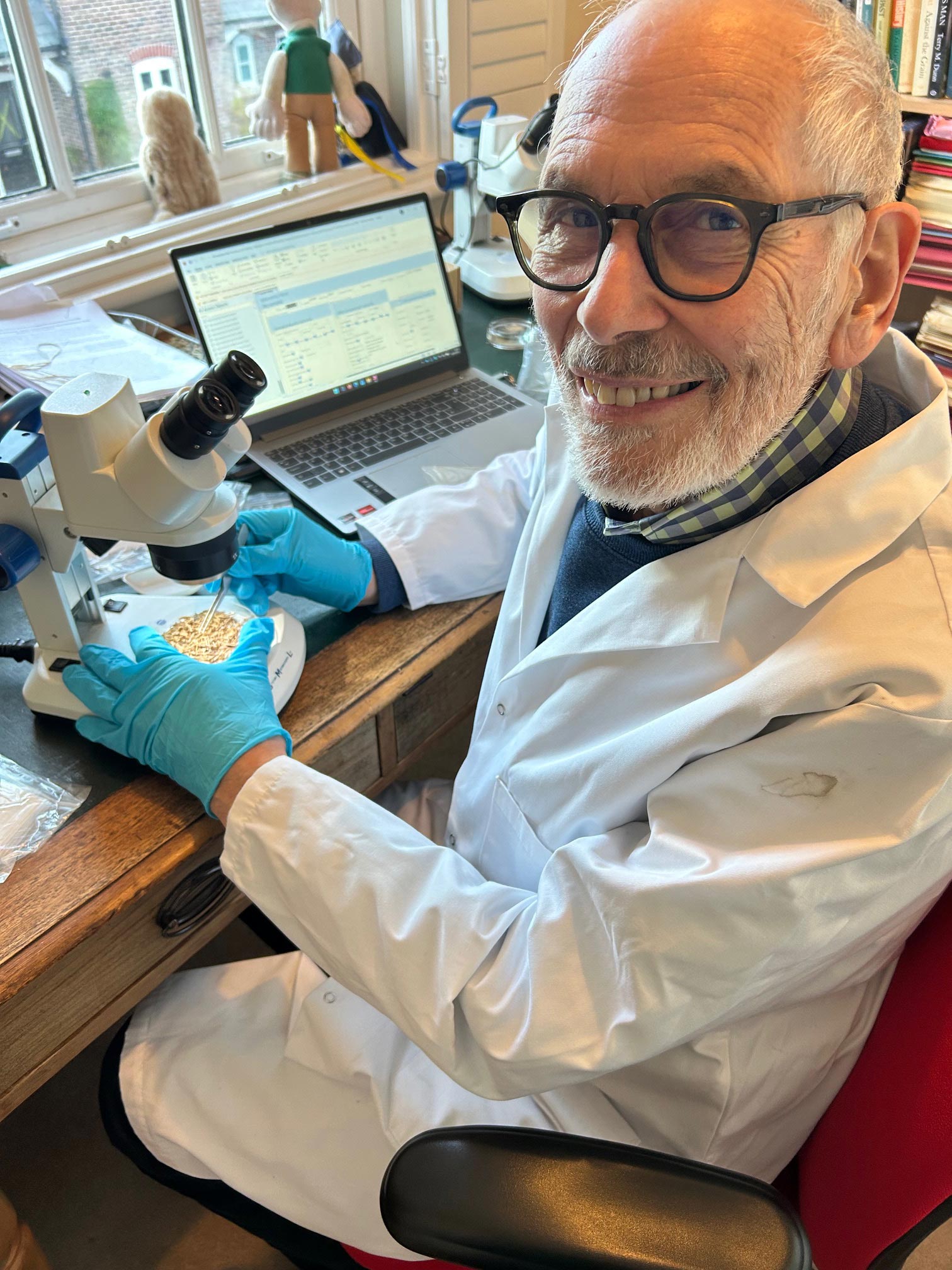
A closer examination of the frogs’ ages offered another clue. Using a pioneering method based on measuring their humeri, or upper arm bones, the researchers determined that most had died young, during the winter of their first year of life. Radiocarbon dating conducted by the University of Vienna placed the remains approximately 1,700 years ago, during the Roman period.
Cleared forests left frogs more exposed
At the time, Fen waters were retreating from the valley, creating favorable conditions for frogs to breed. This would have provided a plentiful food source for birds hunting in the area. Changes to the surrounding landscape may have made the young frogs even more vulnerable.
Short-eared owls typically hunt over grassland, yet the valley had been wooded during the Iron Age. To understand how the environment changed, researchers examined evidence from snails, pollen, and charcoal. Their findings showed that substantial areas of woodland had gradually been cleared to create grazing land for livestock.
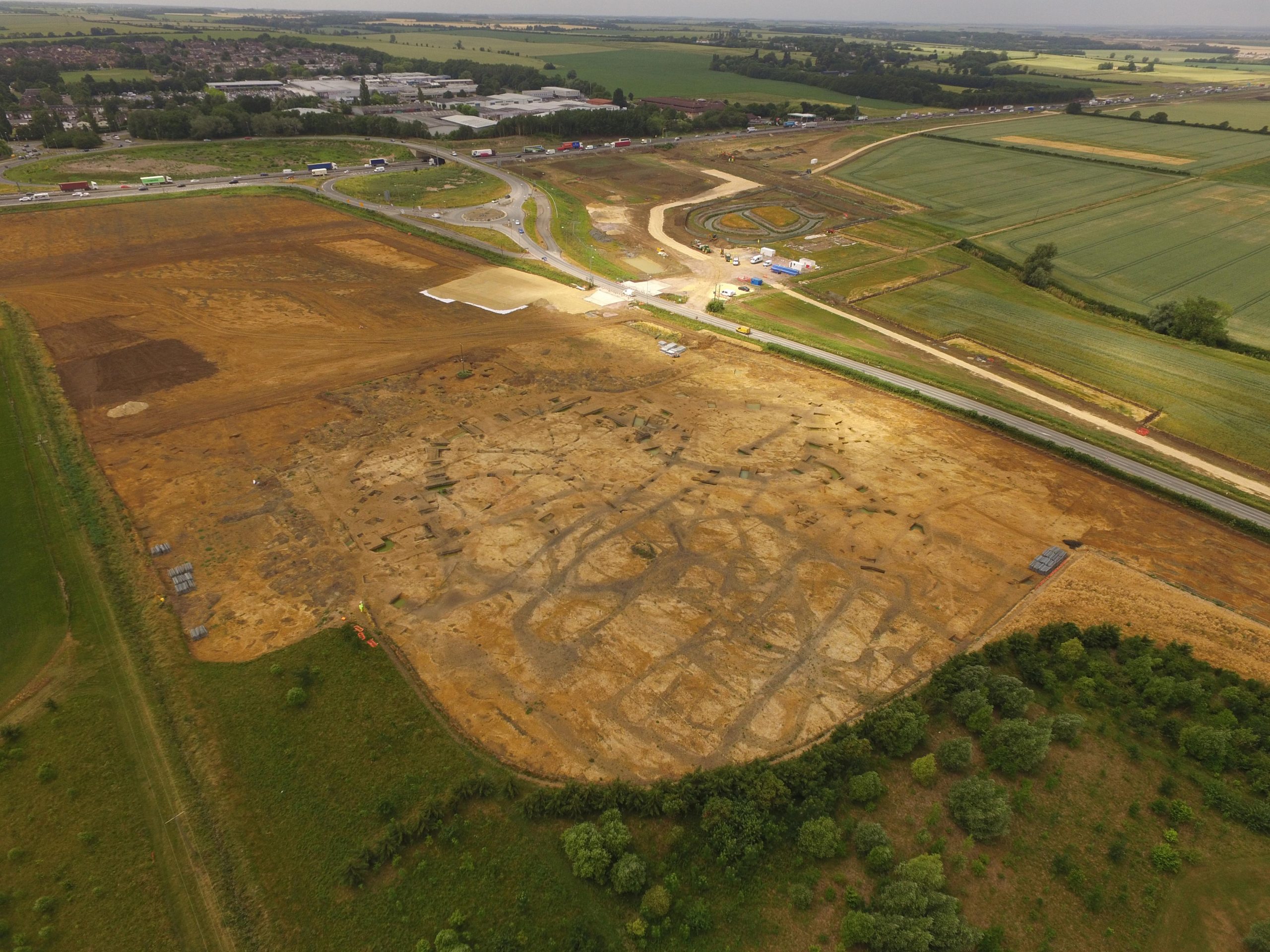
By the Roman period, large stretches of open ground had replaced much of the woodland. With fewer trees providing cover, frogs would have been more exposed to predators hunting across the grassland.
“We don’t often get an owl’s-eye view of what it was like in the past from archaeological sites,” said Clarkson, who led the study.
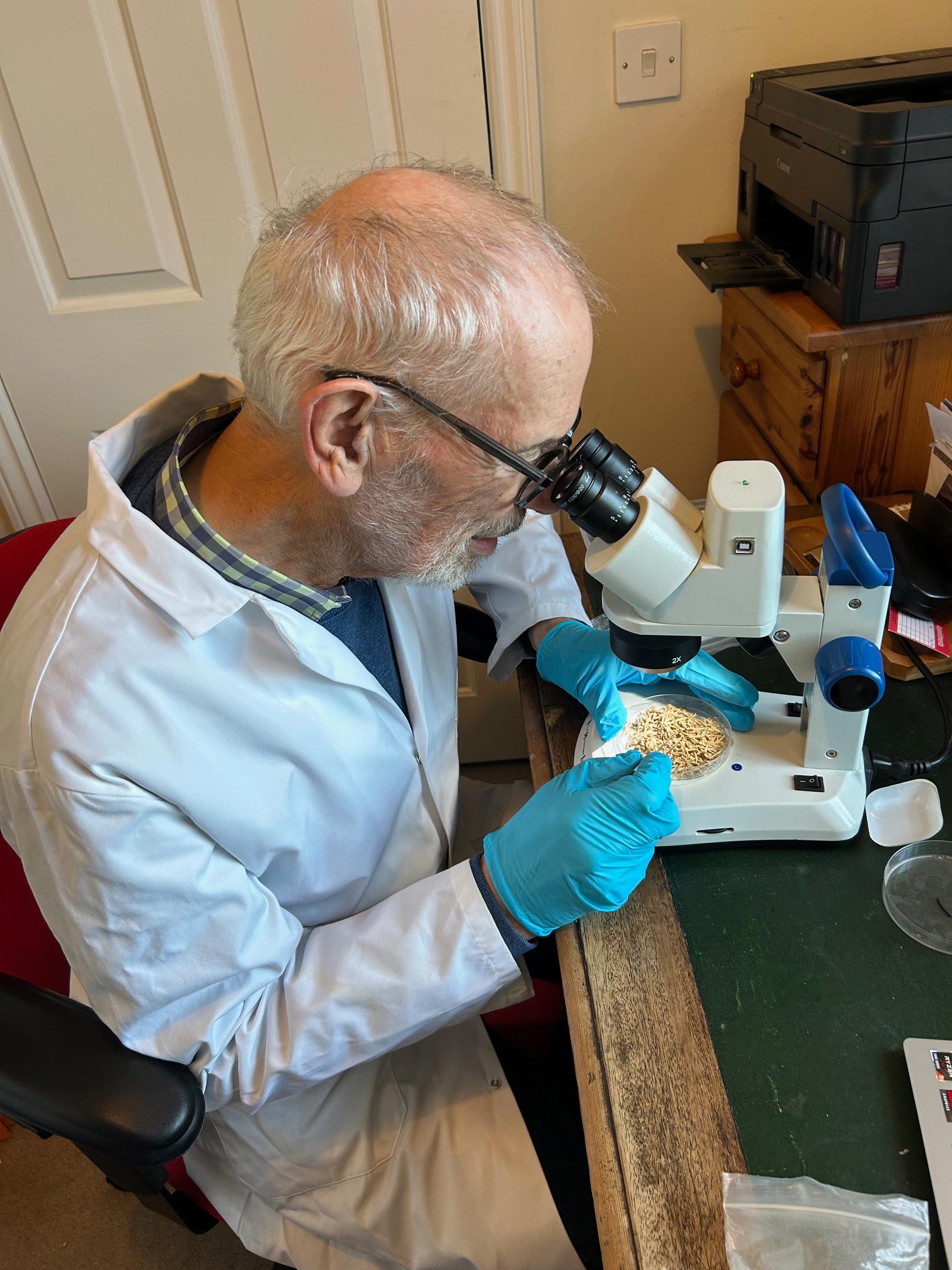
“The mystery of these frogs has been solved – a feast of frogs that were eaten and their bones left behind by a group of owls. These bones not only tell us about life for people living near the Roman Fens, but they also give insights into the natural world – what wild animals were getting up to in the past, and what life was like for them,” he added.
Frog bones offer clues to Roman life
The findings may also offer clues about how people used the valley during Roman times. Researchers suggest that communities may have visited the area seasonally to move livestock between grazing pastures. A less crowded landscape could have provided favorable conditions for hunting birds, although this connection remains a possible explanation rather than a confirmed finding.
What began as an unusual collection of animal remains has therefore helped researchers reconstruct both the changing environment and the activities of people who lived near the Roman Fens.
As Ewens concludes, “I had so many theories as to why such a large collection of frog bones was recovered from this small feature. It’s been great to collaborate with Paul to finally answer this question. This research shows how even the smallest animal recovered on a site can help us to understand not only past environmental conditions but human activity within a wider landscape.”
Reference: “An Owl’s Eye View: Human–Animal Entanglement at the Roman Fen Edge” by Paul Clarkson, Vicki Ewens, Owain Scholma-Mason, Ellen Hambleton, Peter Andrews and Emma Jenkins, 17 October 2026, Environmental Archaeology.
DOI: 10.1080/14614103.2026.2746302
National Highways funded the archaeological works for the A14 Cambridge to Huntingdon Improvement Scheme. Funding was provided by Bournemouth University post-graduate support grant for material retrieval, researcher travel, and radiocarbon dating.
Never miss a breakthrough: Join the SciTechDaily newsletter.
Follow us on Google and Google News.