
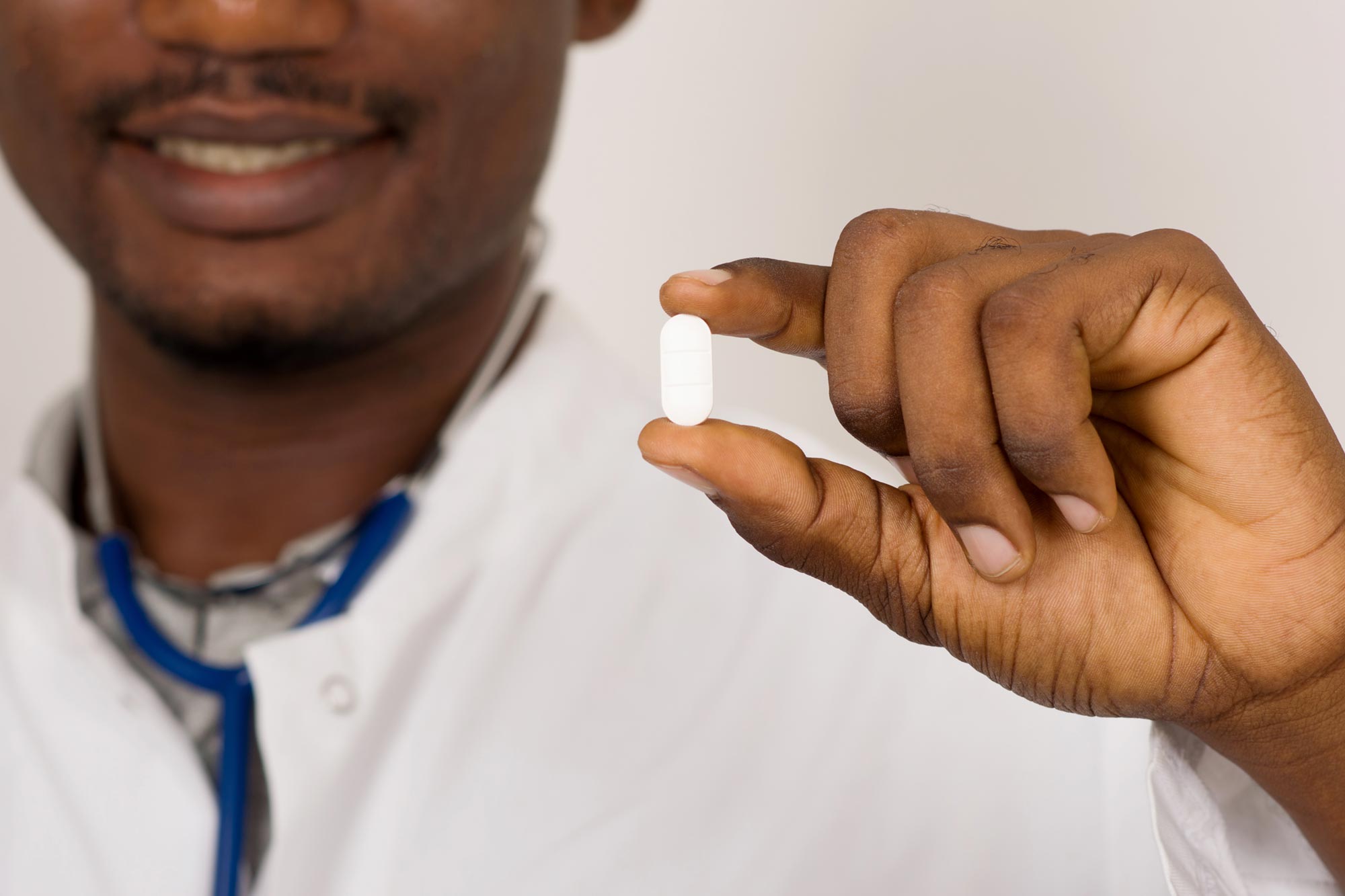
A pill taken before breakfast cut “bad” cholesterol by nearly two-thirds in a trial of people already taking statins.
High cholesterol can silently damage blood vessels for decades, increasing the risk of heart attacks and strokes without causing noticeable symptoms. Much of that danger comes from excess LDL (“bad”) cholesterol, which contributes to fatty plaque buildup inside artery walls. Although statins help millions of people control their cholesterol, some patients need additional treatment to bring their levels down.
A newly approved once-daily pill could provide another option. Lipfendra (enlicitide) reduced LDL cholesterol by nearly 65% in a clinical trial involving adults already taking statins. Approved by the FDA on July 16, 2026, it is the first oral medication in a powerful class of cholesterol treatments previously available only through injections.
How the New Cholesterol Pill Works
Enlicitide targets PCSK9, a protein that influences how efficiently the liver removes LDL cholesterol from the bloodstream. Normally, PCSK9 promotes the destruction of LDL receptors on liver cells. When these receptors are lost, the liver becomes less effective at clearing circulating cholesterol.
By blocking PCSK9, enlicitide allows more LDL receptors to remain active, helping the liver remove additional cholesterol from the blood. Unlike earlier PCSK9 inhibitors that require injections, enlicitide uses a specialized macrocyclic peptide formulation with absorption-enhancing ingredients, allowing the medication to be taken orally.
How Much Can It Lower Cholesterol?
A review published in Annals of Pharmacotherapy found that enlicitide reduced LDL cholesterol by 57.1% to 64.6% after 24 weeks across clinical trials. These reductions were comparable to those achieved with injectable PCSK9 inhibitors.
In a direct comparison involving patients already taking statins, LDL cholesterol fell by approximately 65% with enlicitide. By comparison, reductions were about 28% with ezetimibe and 6% with bempedoic acid, two other oral medications used to manage high cholesterol.
What Clinical Trials Found About Safety
The review examined research identified through PubMed, Embase, Web of Science, and Cochrane through July 17, 2026. Participants included adults with elevated cholesterol and those with heterozygous familial hypercholesterolemia, an inherited condition that causes unusually high LDL cholesterol levels from birth and increases the risk of premature cardiovascular disease.
In the largest trial, adverse effects occurred at similar rates among participants receiving enlicitide and those taking a placebo. However, a separate study involving people with inherited high cholesterol reported more diarrhea and dizziness among those receiving the medication. Longer-term monitoring will help establish its safety with continued use.
A Daily Tablet With Specific Dosing Requirements
Enlicitide must be taken in the morning on an empty stomach. Patients may drink water, black coffee, or plain tea with the medication but must wait at least 30 minutes before consuming food or other beverages. A 30-day supply carries a list price of $315, although actual costs depend on insurance coverage.
While clinical trials have established that enlicitide substantially reduces LDL cholesterol, researchers have not yet determined whether it also prevents heart attacks and strokes. An ongoing cardiovascular outcomes trial is investigating whether its cholesterol-lowering effects translate into fewer serious cardiovascular events.
Reference: “Enlicitide: The First Oral PCSK9i for Lowering Low-Density Lipoprotein Cholesterol” by Rachel C. Lucas, Mia E. Lussier, Azadeh Nasuhidehnavi and Taylor M. Clark, 14 October 2026, Annals of Pharmacotherapy.
DOI: 10.1177/10600280261494015
Never miss a breakthrough: Join the SciTechDaily newsletter.
Follow us on Google and Google News.