
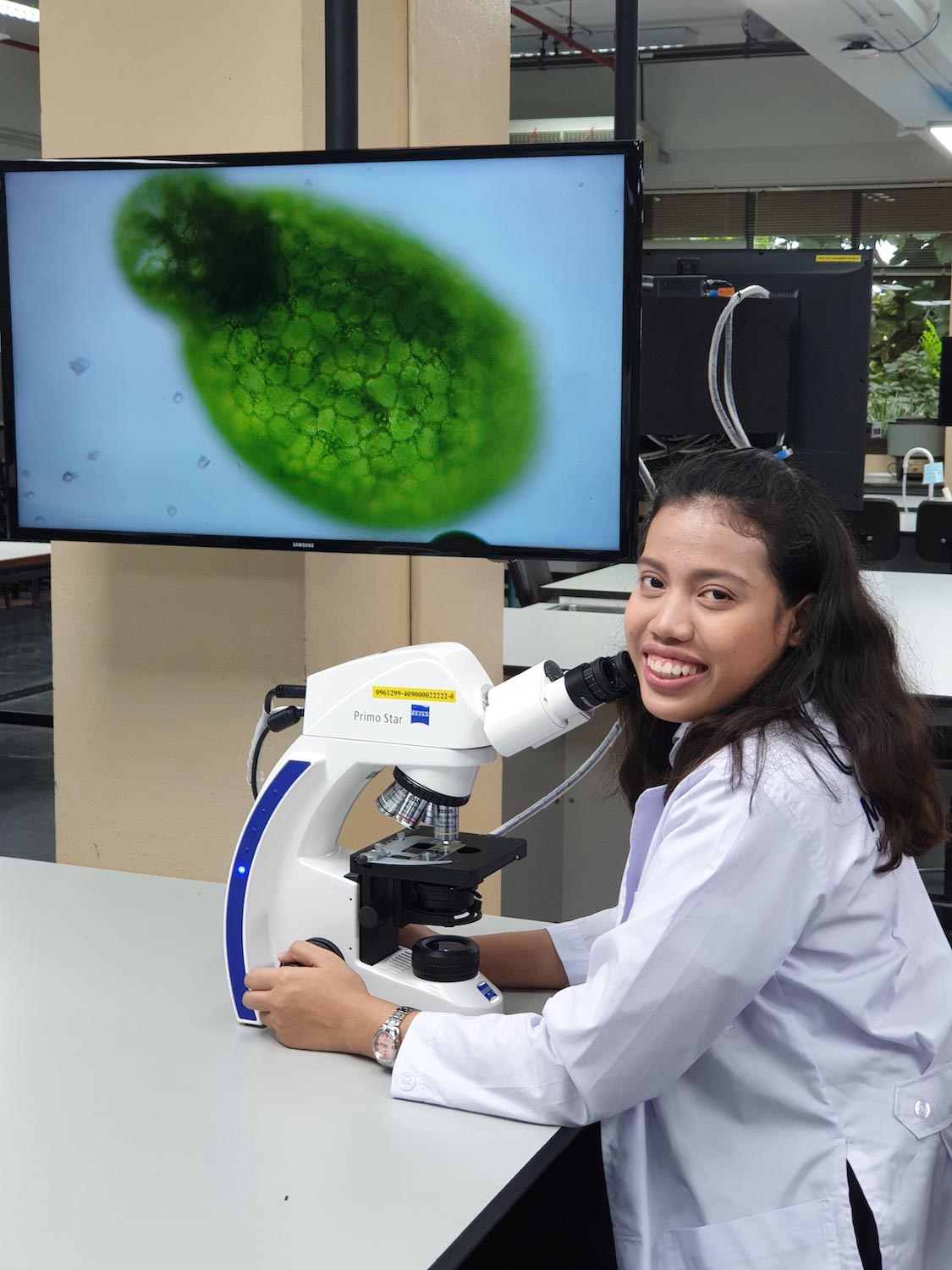
ESA and the United Nations Office for Outer Space Affairs have selected a team from Mahidol University, Thailand to carry out research using ESA’s hypergravity-generating Large Diameter Centrifuge. The team will see how watermeal – the smallest flowering plant on Earth, even smaller than the more familiar duckweed – responds to changing gravity levels to assess its usefulness for space-based life support systems.

The team, composed of five members, including two women scientists, teaching or studying at Mahidol University, wants to investigate the high-protein aquatic plant as a food and oxygen source for space exploration and on other planets that may have higher gravity than Earth. The team members bring a variety of academic backgrounds to the project, including physics, bio-innovation, biochemistry, and electrical engineering.
They are the winners of the inaugural cycle of the HyperGES fellowship, offering scientists all over the world the chance to conduct their own hypergravity experiments using ESA’s Large Diameter Centrifuge (LDC). This fellowship is part of the Access to Space 4 All Initiative of the United Nations Office for Outer Space Affairs (UNOOSA).
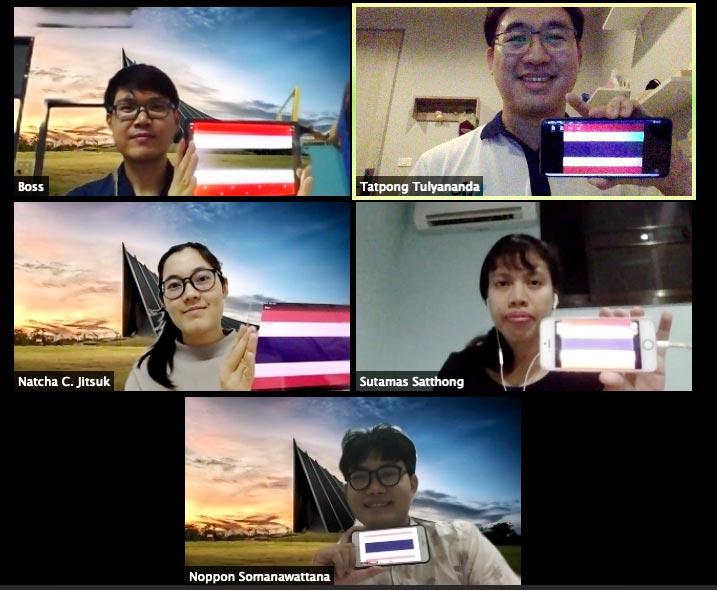
Tatpong Tulyananda, leading the winning team, said: “This is a great opportunity and a big step for the space biology research program in Thailand. We are very excited to explore how aquatic plants perform in a hypergravity environment, which might answer questions for future space exploration.”
Due to the COVID-19 pandemic, the experiment schedule of experiments is not yet settled, although the team aims to conduct its testing before the end of this year.
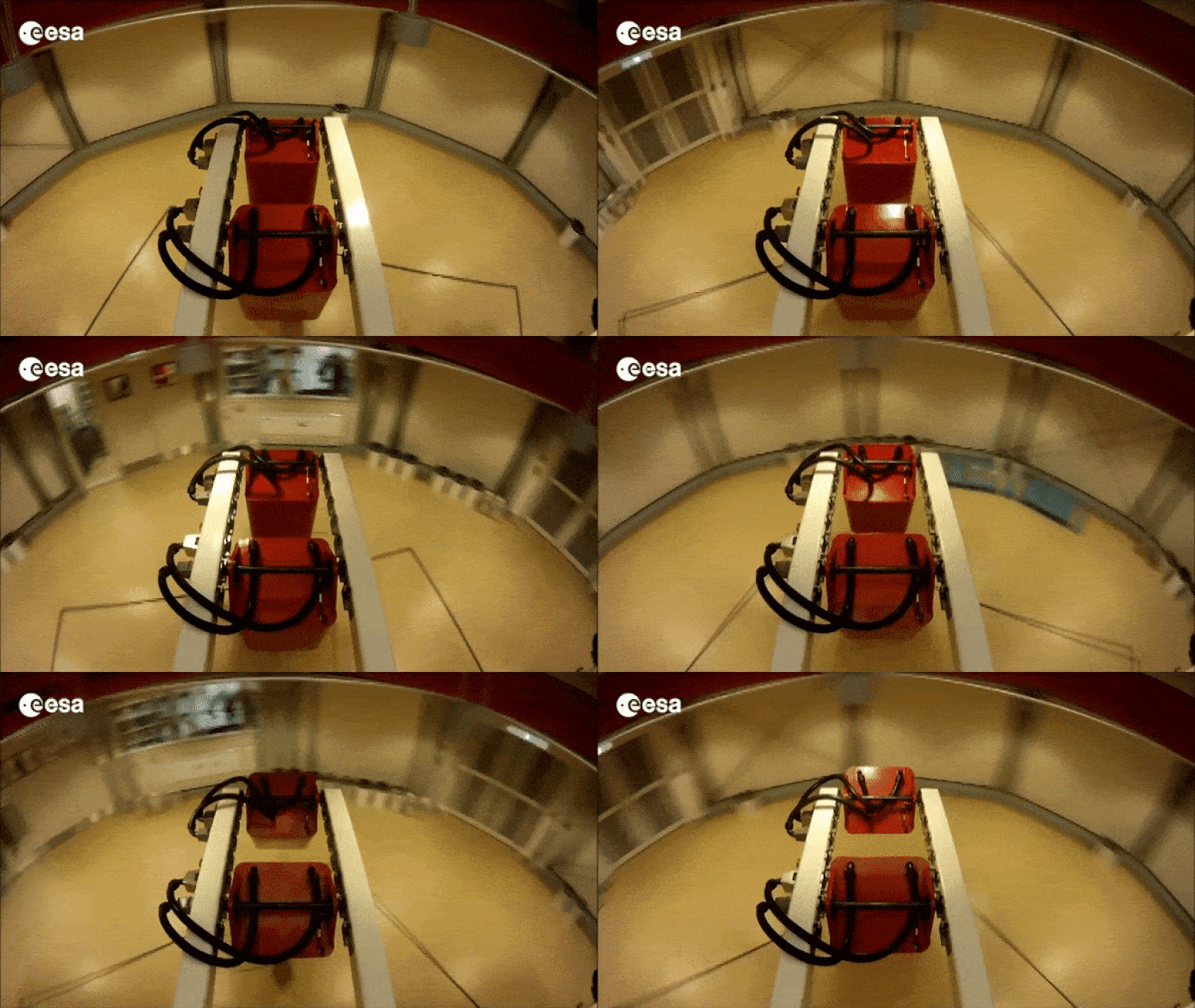
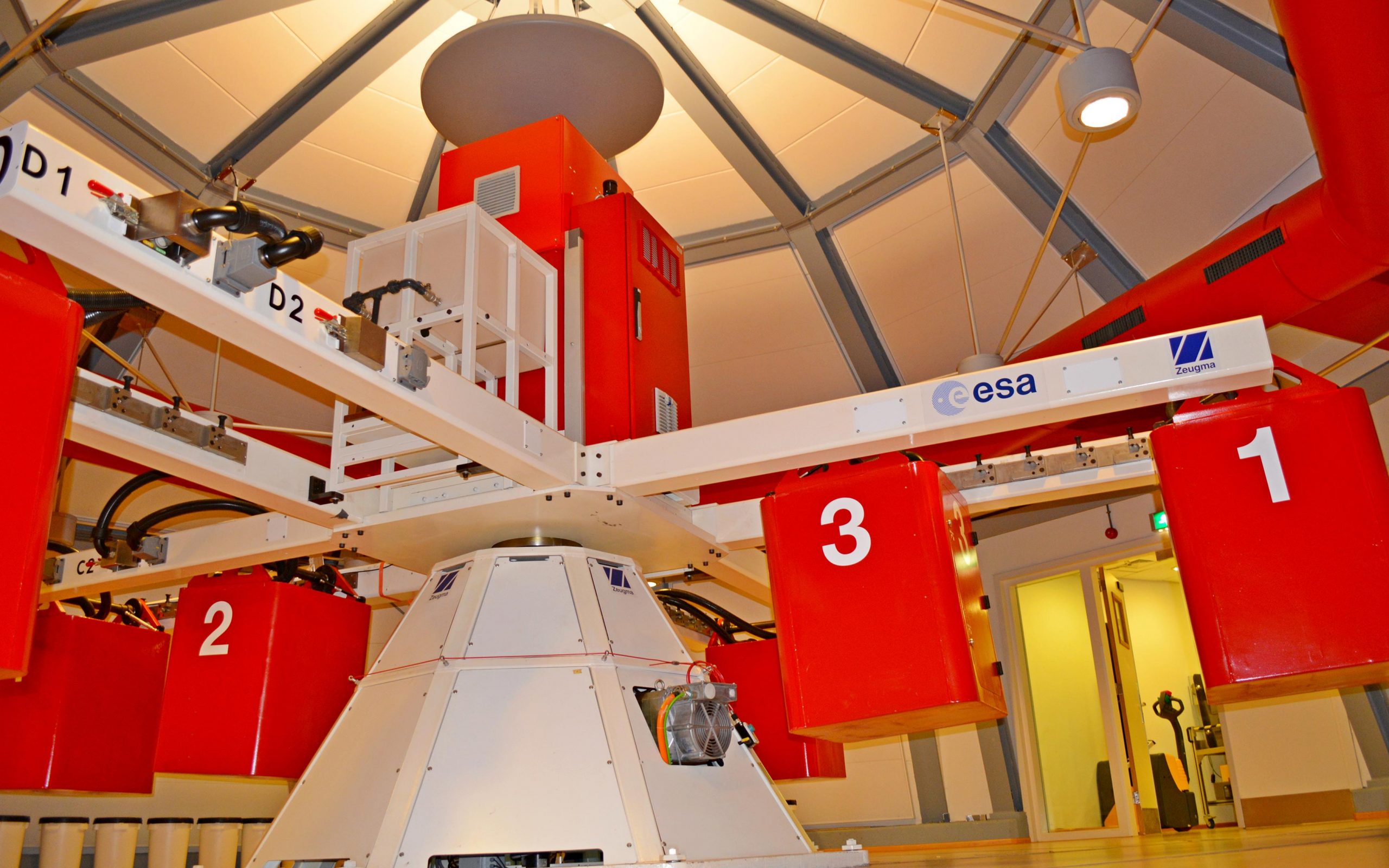
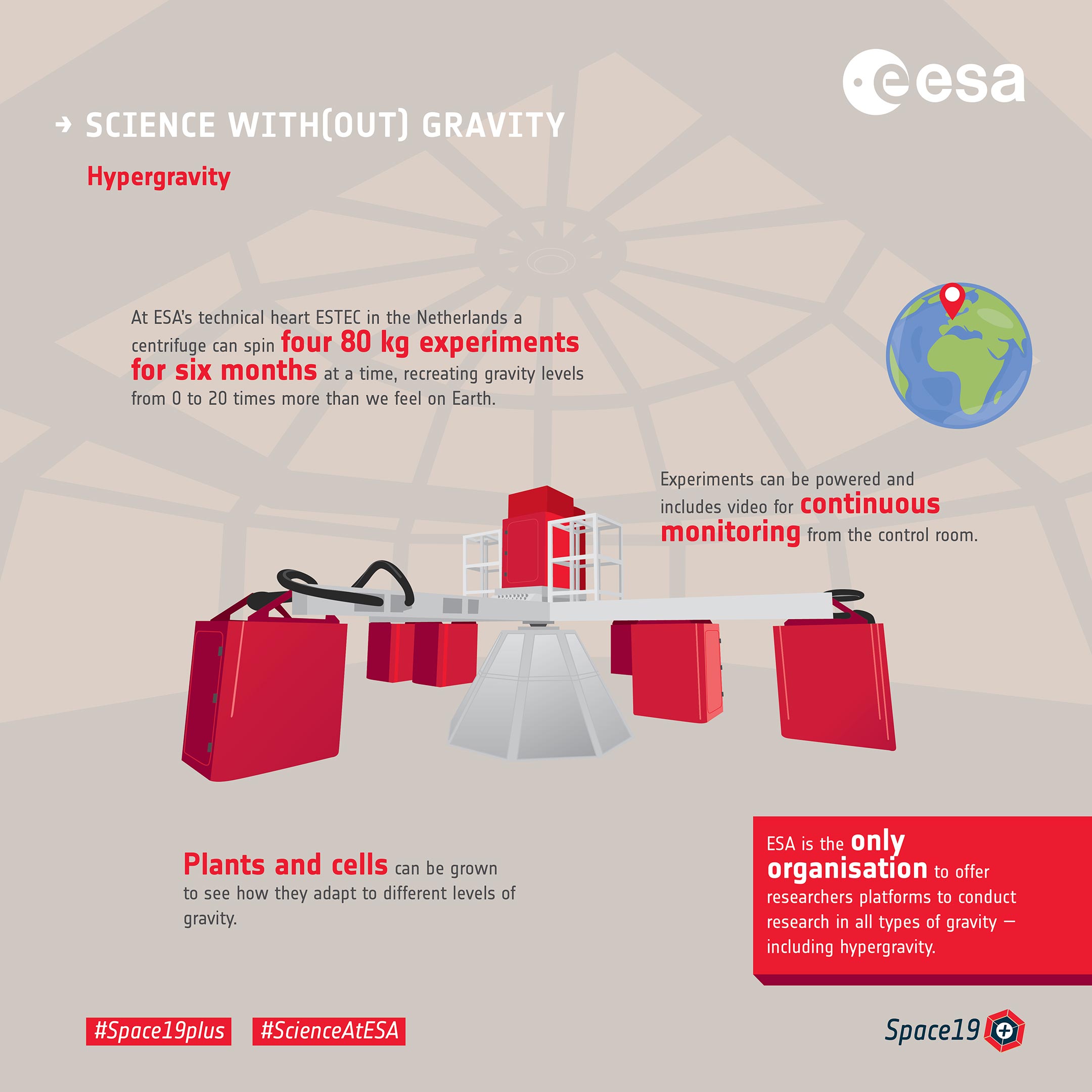
Located at ESA’s Netherlands-based ESTEC technical center, the LDC is an 8-m diameter four-arm centrifuge that gives researchers access to a range of hypergravity up to 20 times Earth’s gravity for weeks or months at a time.

At its fastest, the centrifuge rotates at up to 67 revs per minute, with its six gondolas placed at different points along its arms weighing in at 130 kg, and each capable of accommodating 80 kg of payload.
The result is that researchers are able to increase the force of gravity at the turn of a dial. The LDC is popular with life and physical science teams, as well as for commercial experiments. Internal ESA teams use the centrifuge to see how spacecraft materials and components would respond to the violent accelerations involved in launching into space.
The idea behind this new fellowship is to widen LDC access to teams from all over the world, particularly for teams from developing countries, who may otherwise lack access to such equipment. It is formally known as the ‘United Nations / European Space Agency Fellowship Programme on the Large Diameter Centrifuge Hypergravity Experiment Series’, or HyperGES for short.
ESA Director General Jan Wörner commented: “I congratulate the team of Mahidol University for being the first to win the HyperGES fellowship. This unique initiative by ESA and UNOOSA combines all that space accounts for: high-tech, science and research, and international cooperation for the benefit of our societies.”
Franco Ongaro, ESA Director of Technology, Engineering and Quality and head of ESTEC, remarked: “We are pleased and grateful to UNOOSA for this opportunity to open up LDC access to worldwide researchers for testing, in order to explore the role of gravity within, in this case, life support systems. This proposed experiment is a good example of how such ground-based centrifuges can be used to support space activities.”
Simonetta Di Pippo, Director of UNOOSA, said: “We are delighted to announce the selection of the Thailandese team as the first winners of this unique opportunity. Their ambitious project will shed light on an important challenge for space missions, how to produce food and oxygen, potentially leading to important breakthroughs. We look forward to working with the team and ESA to apply their talent to this fascinating question.”
UNOOSA plans to publish the announcement of opportunity for the next HyperGES cycle in the second half of 2020.
Never miss a breakthrough: Join the SciTechDaily newsletter.
Follow us on Google and Google News.