
Decisions made at one Montana smelter may have shaped the air millions breathed, while Arctic ice reveals how much pollution earlier controls could have prevented.
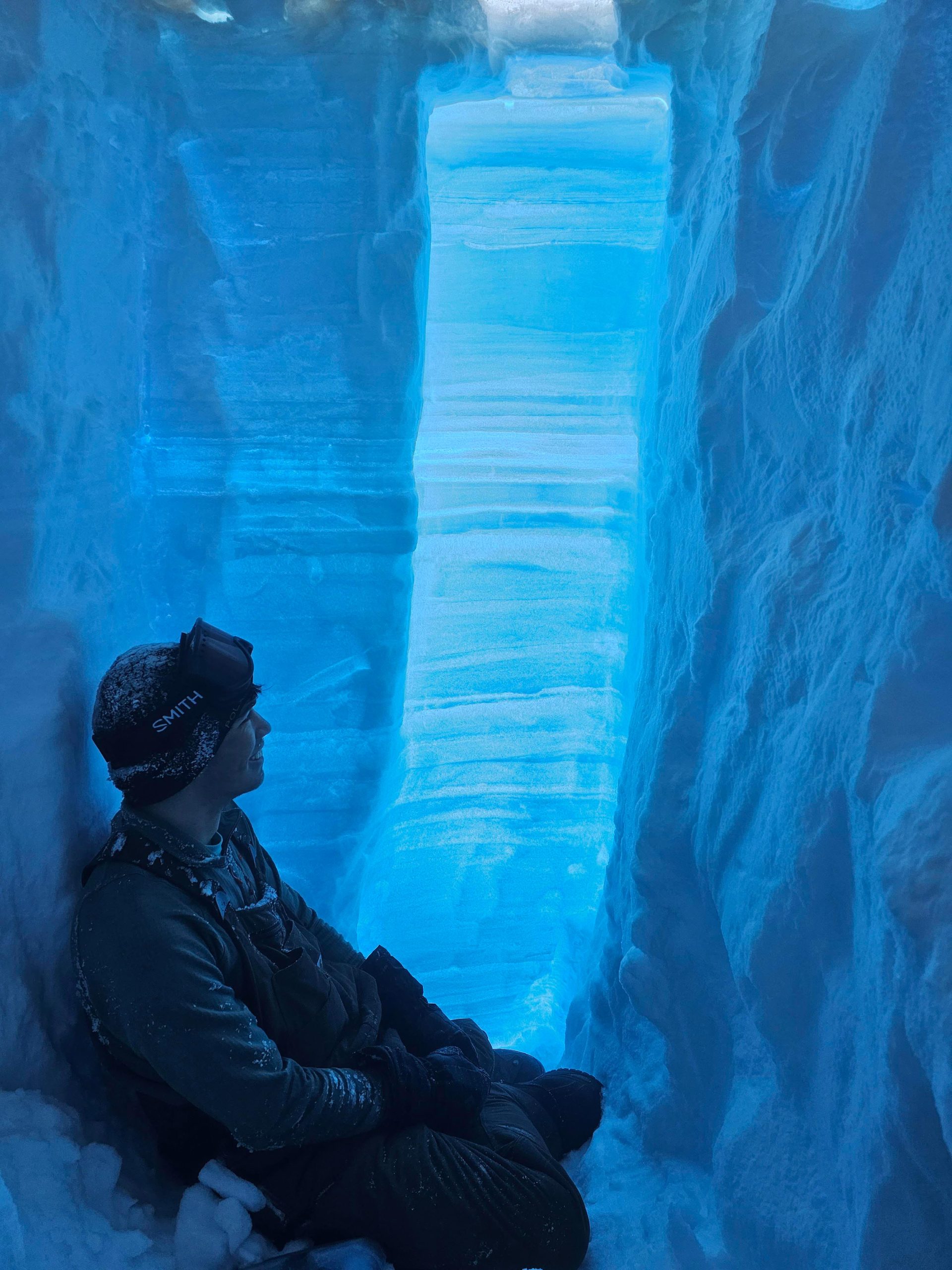
More than a century ago, toxic pollution from a copper smelter in Montana was spreading across North America, reaching communities thousands of miles from its source. Much of that contamination went unmeasured at the time, but traces of it survived in an unexpected place: Arctic ice.
Scientists have now used those frozen records to uncover how one industrial operation may have exposed millions of people to harmful levels of arsenic and lead. The findings also demonstrate how the Earth’s ice preserves evidence of human activity long after pollution has disappeared from the air.
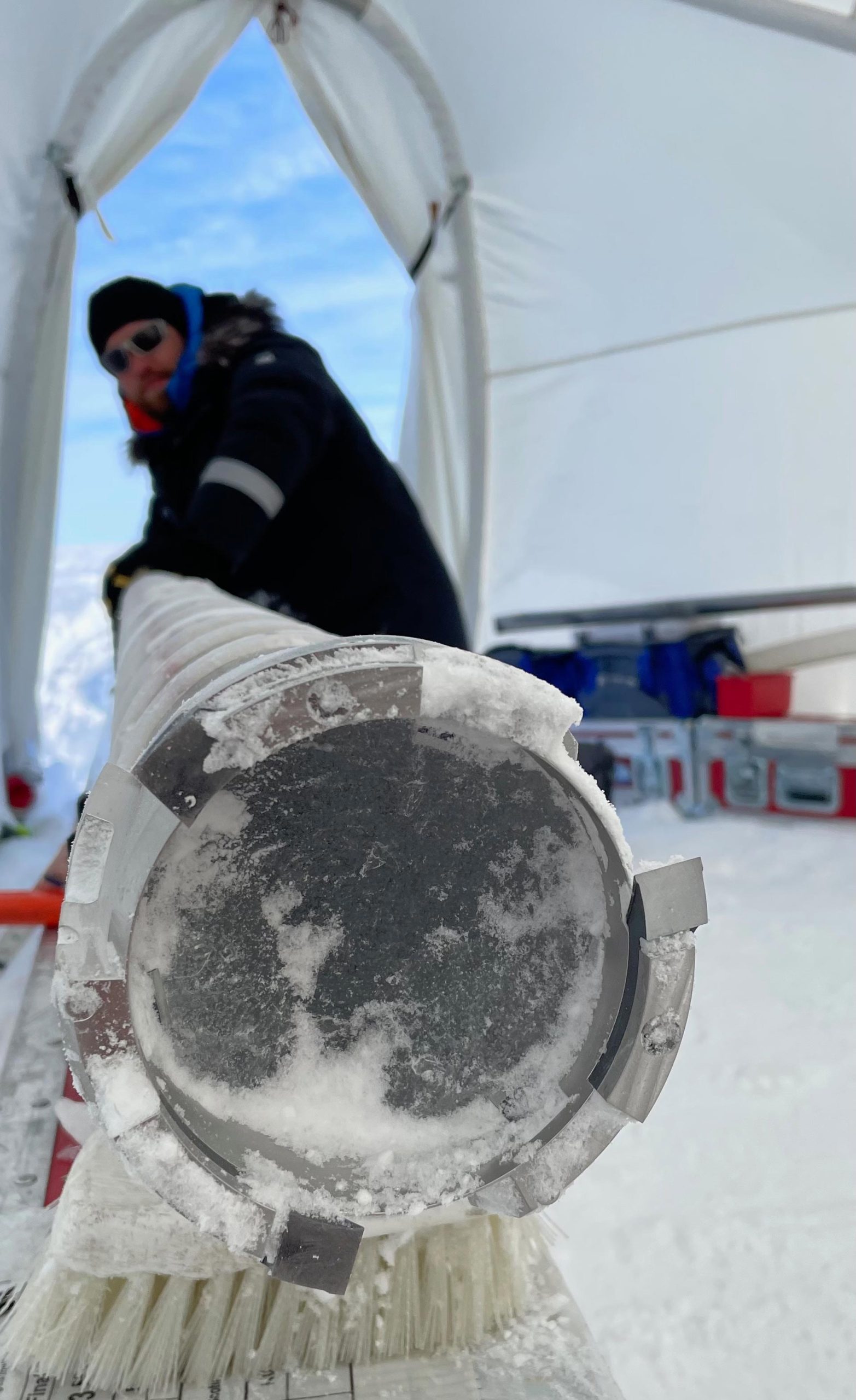
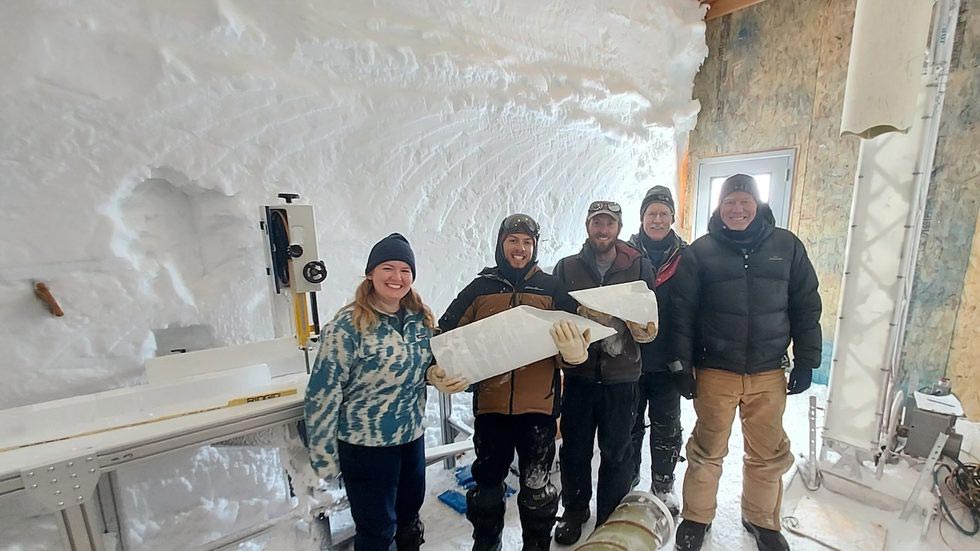
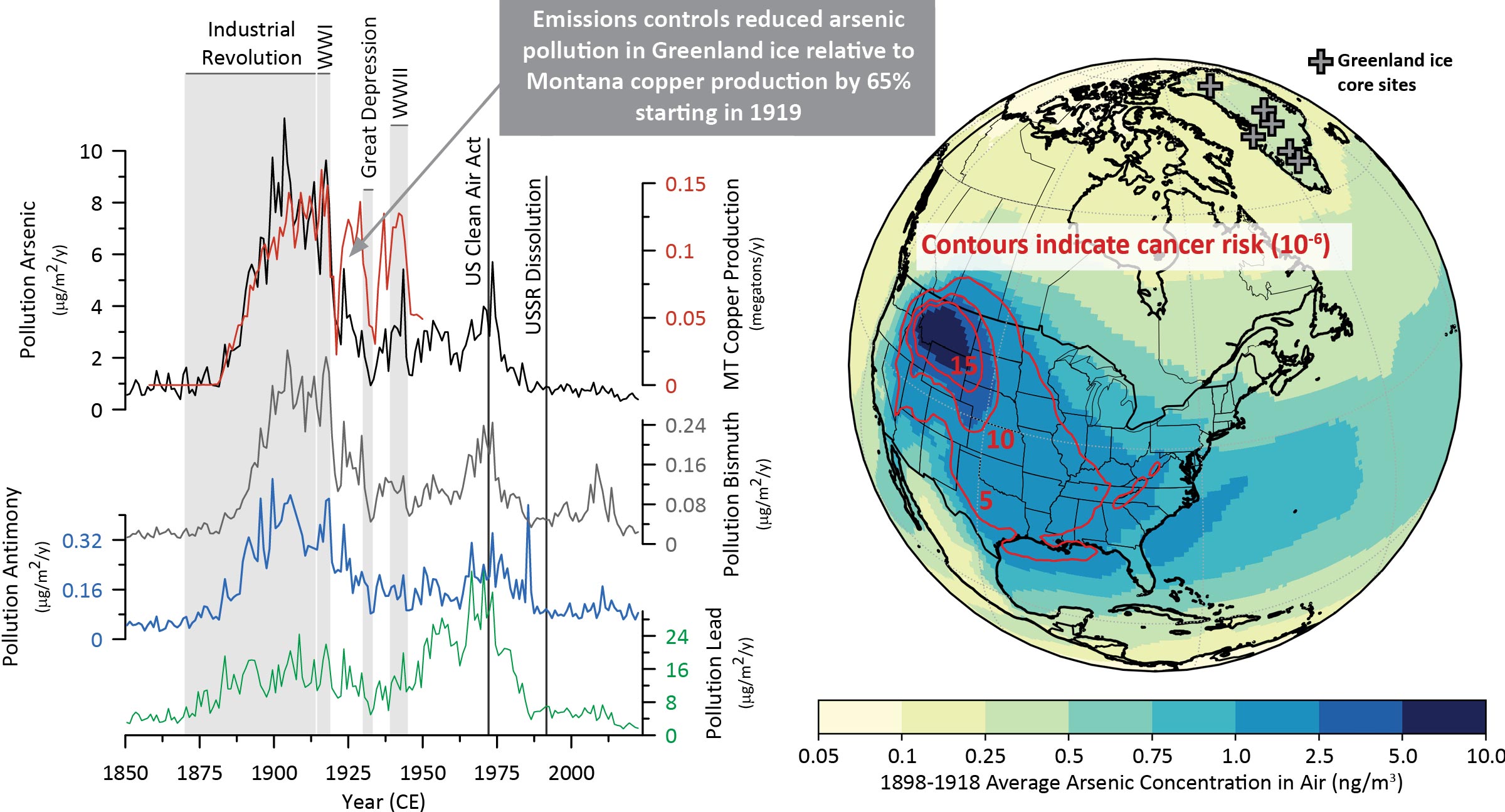
The study, published November 10 in Nature Sustainability, was led by Joe McConnell and Nathan Chellman of the Desert Research Institute (DRI), alongside international collaborators. The team examined 10 ice cores from Greenland, northern Canada, and the Russian Arctic, finding that concentrations of toxic metals in some locations rose to approximately 15 times preindustrial levels between 1886 and 1918.
The evidence pointed to the Anaconda Copper Mine complex near Butte, Montana, one of the world’s largest copper producers at the time. Researchers estimated that during its peak production decades, the operation released approximately 11,000 tons of arsenic and 4,400 tons of lead into the atmosphere each year.
“It’s pretty wild to think that a single, albeit massive source of pollution could have affected effectively the entire North American continent and western Greenland more than 4000 kilometers or 2500 miles away,” McConnell said.
Millions lived beneath the pollution plume
Using historical census records and models of atmospheric pollution, the researchers estimated that approximately 50.5 million Americans and 600,000 Canadians were exposed to arsenic concentrations associated with increased risks of lung cancer and other serious illnesses.
People living near the operation faced particularly high exposure. For nearly 30 years, residents of Montana and parts of Wyoming and Idaho experienced arsenic concentrations that met or exceeded the World Health Organization’s current recommended maximum threshold for chronic exposure. The researchers also estimated that 1.4 million Americans and Canadians encountered elevated lead pollution potentially associated with cognitive effects equivalent to a 2.6-point reduction in IQ.
Although the study did not directly measure health outcomes, arsenic and lead exposure are associated with cancer, diabetes, cognitive decline, and heart disease. Pollution settling onto crops, soil, and water could also have created additional risks beyond those examined in the study.
Chemical fingerprints led back to Montana
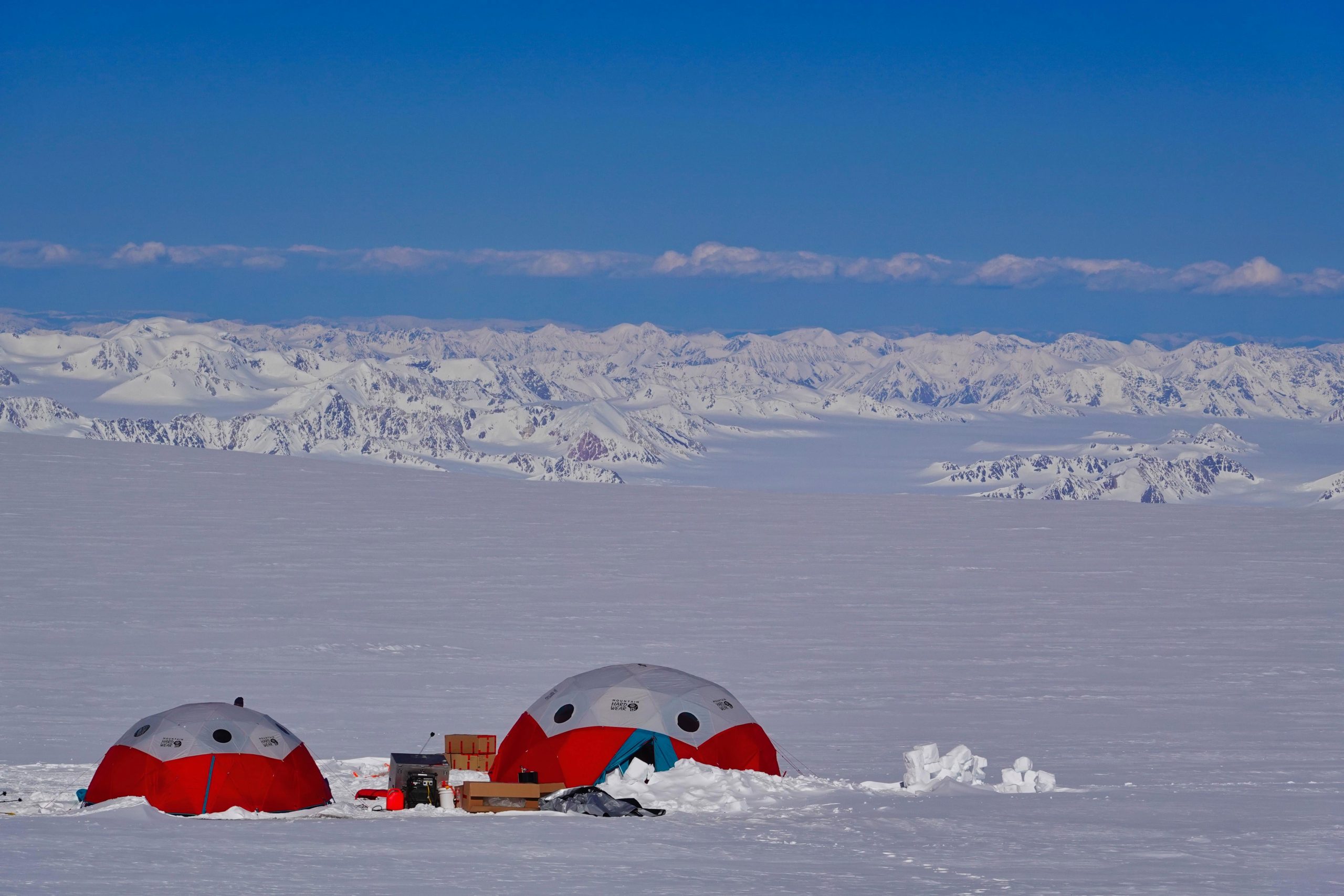
To reconstruct this forgotten pollution, scientists turned to the Arctic’s natural record of atmospheric change. As snow accumulates, it traps tiny particles carried by the wind, including industrial pollutants. Over time, the snow becomes ice, preserving chemical evidence of conditions from decades or even centuries earlier.
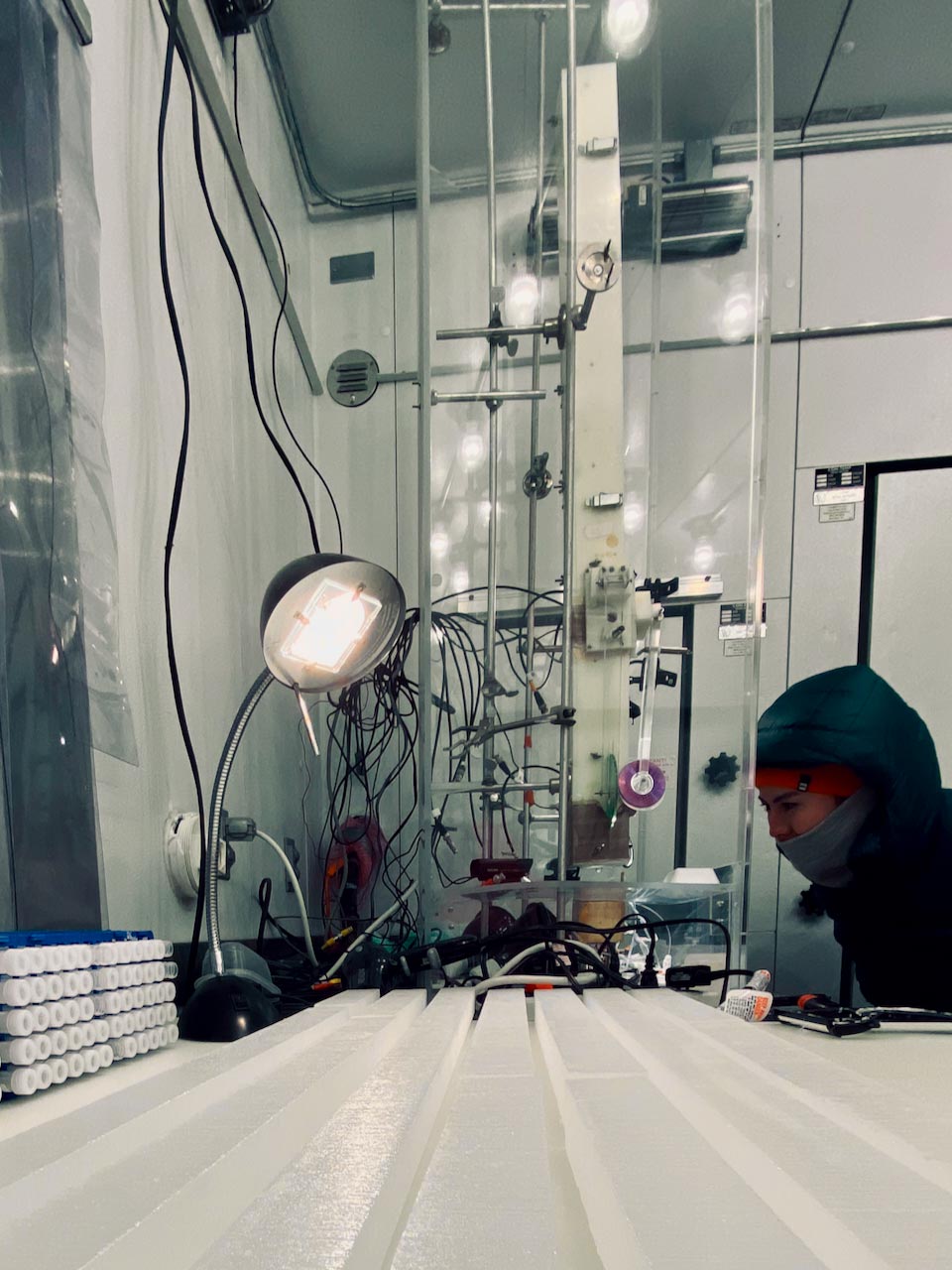
By comparing metal concentrations across the 10 ice cores, combining them with atmospheric models, and examining historical mining records, the researchers traced the contamination to northern North America. Arsenic measurements, supported by related chemical markers, closely matched Anaconda’s production history, while lead isotope evidence reinforced the connection.
A decade of avoidable pollution
The timing also revealed how industrial decisions shaped the atmosphere. Copper demand surged during rapid electrification and the buildup to World War I, increasing pollution from ore processing. Near Anaconda, damaged crops, reduced harvests, and livestock deaths had already prompted decades of legal disputes.
After the company installed pollution-control equipment around 1919, heavy-metal emissions declined by approximately 65%, according to the ice-core evidence. Similar technology had been available years earlier, but Anaconda delayed installation for roughly a decade.
The researchers calculated that installing those controls ten years sooner could have prevented another 60,000 tons of arsenic and 24,000 tons of lead from spreading across much of North America.
The Arctic record captures both sides of that history. It reveals how pollution from one industrial site reached millions of people and how changes in industrial practices eventually reduced its impact. Even today, the ice preserves evidence of environmental damage that otherwise might have remained largely hidden.
Reference: “Widespread North American pollution and health impacts from early twentieth century copper production” by Joseph R. McConnell, Nathan J. Chellman, Sophie M. Wensman, Alison S. Criscitiello, Andreas Plach, Dorthe Dahl-Jensen, Diedrich Fritzsche, Kira M. Holland, Drake McCrimmon, Matthew B. Osman, John Sandlos and Andreas Stohl, 10 November 2026, Nature Sustainability.
DOI: 10.1038/s41893-026-01975-9
Never miss a breakthrough: Join the SciTechDaily newsletter.
Follow us on Google and Google News.