
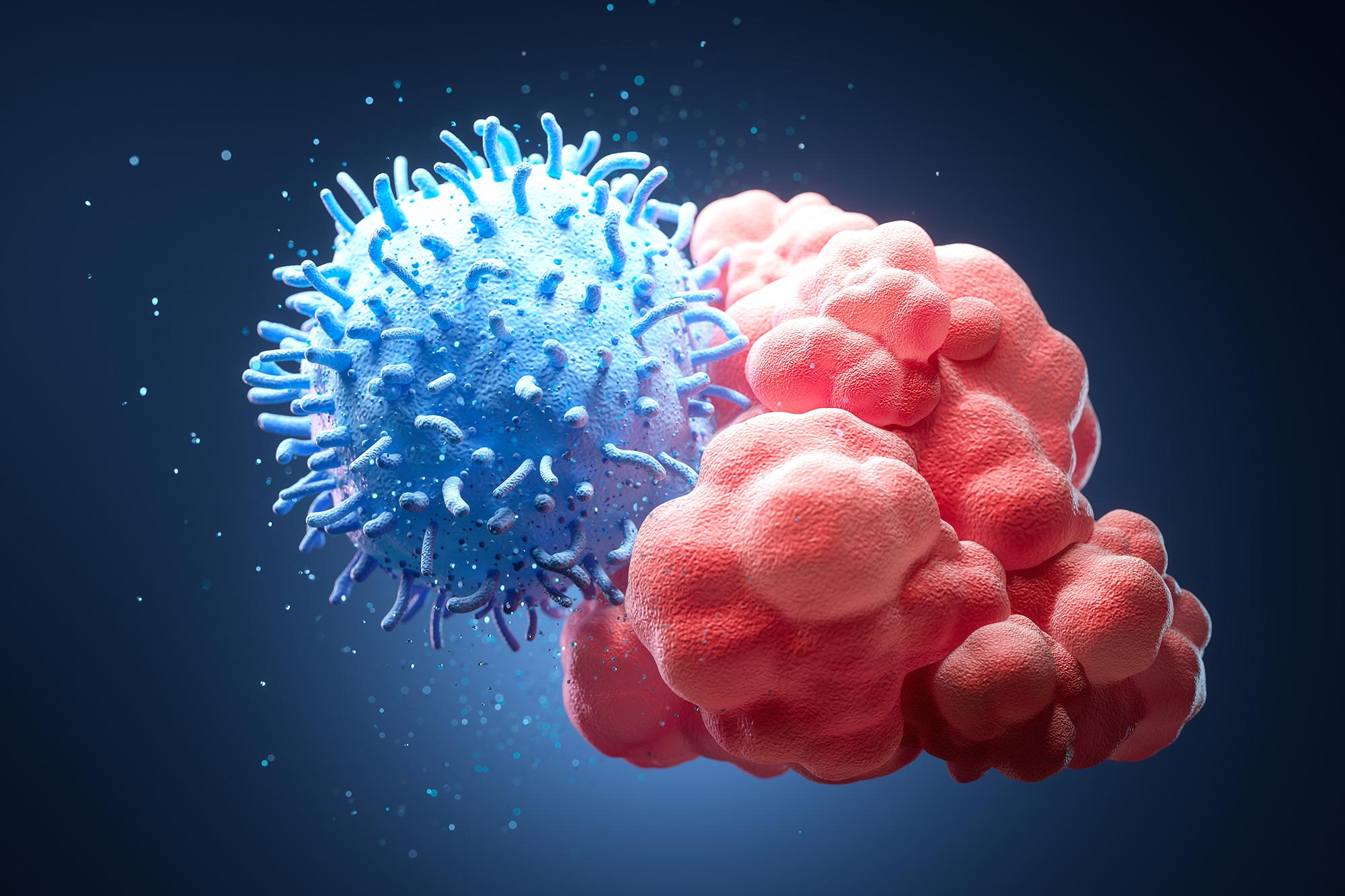
Temporarily activating a protein best known for preventing cancer helped engineered human immune cells kill melanoma cells more effectively in the lab, suggesting a way to improve existing cell therapies.
Engineering a patient’s immune cells to recognize cancer does not guarantee that they will keep fighting it. Repeated exposure to cancer can gradually weaken T cells’ ability to multiply and attack tumors, a decline known as exhaustion. The laboratory process used to prepare these cells for treatment can also make them mature too quickly, reducing their chances of surviving and remaining effective over time.
These problems limit engineered T-cell therapies, including chimeric antigen receptor (CAR) T-cell therapy and T-cell receptor (TCR) therapy. Both involve collecting a patient’s immune cells, genetically modifying them in a laboratory to recognize cancer, and infusing them back into the patient to attack tumors. Such treatments have transformed care for certain blood cancers and are increasingly being investigated for solid tumors.
Researchers at the UCLA Health Jonsson Comprehensive Cancer Center have identified a possible way to improve these cells during preparation. Their study, published in Frontiers in Immunology, found that temporarily activating a protein called p53 helped human T cells develop characteristics associated with longer-lasting immune responses and become more effective at killing melanoma cells in the laboratory.
Activating p53 improves melanoma cell killing
Often called the “guardian of the genome,” p53 is best known for preventing damaged cells from becoming cancerous. Scientists have extensively studied that protective role, but its involvement in regulating human T cells is less understood.
The team collected human T cells and treated them with navtemadlin, an investigational drug that increases p53 activity by blocking another protein, MDM2. Normally, MDM2 keeps p53 levels under control. Comparing treated and untreated cells allowed the researchers to assess how activating p53 affected their development, energy production, and ability to fight cancer.
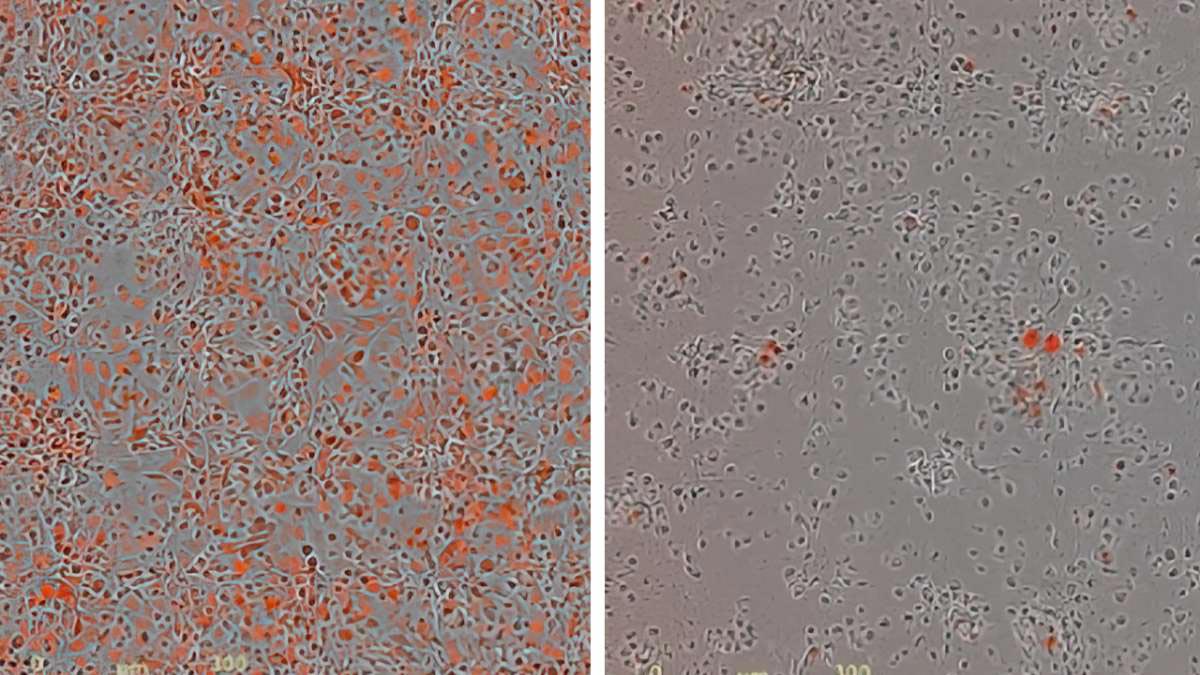
To test cancer-killing performance, the researchers genetically engineered T cells to recognize a protein found on certain melanoma cells. They then used specialized imaging equipment to monitor the cells for nearly seven days.
The engineered T cells prepared with navtemadlin were significantly more effective at killing melanoma cells than untreated cells. Their advantage became apparent after approximately 40 hours and continued throughout the experiment. They also showed improved cancer-fighting activity without additional interleukin-2, a protein commonly used to support T-cell growth and survival.
“This is one of the first studies to link p53, one of the most extensively studied proteins in biology, to T-cell exhaustion in humans,” said Joseph Crompton, MD, PhD, assistant professor of surgery at the David Geffen School of Medicine at UCLA and senior author of the study. “While p53 has long been known for its role in preventing cancer, our findings suggest it may also play an important role in helping immune cells maintain their ability to fight it. This opens up a new avenue for developing more effective cancer immunotherapies.”
More energy, fewer signs of exhaustion
The treated cells had greater energy reserves and were more likely to produce interferon-gamma and granzyme B, two cancer-fighting proteins that help immune cells coordinate an attack and destroy cancer cells.
They were also more likely to develop into central memory T cells, which have a greater capacity to survive and multiply when they encounter their target again. Along with fewer molecular signs of exhaustion, this shift suggested that the cells might remain effective for longer. Those characteristics indicate potential for lasting immune responses, although the experiments tested human cells in the laboratory rather than treatment outcomes in patients.
Cell survival depends on the dose
Adding a drug such as navtemadlin during cell preparation could potentially fit into existing manufacturing processes. That would offer a way to improve engineered T-cell therapies without developing an entirely new treatment or introducing additional genetic modifications.
At lower concentrations, navtemadlin encouraged the development of healthy memory T cells without substantially reducing the overall number of viable cells. Higher concentrations, however, caused more cells to die, showing why any use of this approach would require careful control of p53 activation.
Reference: “p53 activation via pharmacologic MDM2 inhibition constrains exhaustion and enhances antitumor function of human CD8+ T cells” by Alexandra Boix de Jesus, Hy B. Dao, Anthony Imani, Gabriel A. Rodriguez, Michael S. Shehata, Rachana R. Chandran, Stuart A. Fine, Sin Y. Lim, Michelle To, Serena Y. Lofftus, Nicolas Pedroncelli, Fritz C. Eilber, Brigitte N. Gomperts, Tyler R. McCaw, Cristina Puig-Saus and Joseph G. Crompton, 18 September 2026, Frontiers in Immunology.
DOI: 10.3389/fimmu.2026.1910235
The study was funded in part by the American College of Surgeons, the UCLA Broad Center of Regenerative Medicine and Stem Cell Research, the UCLA Health Jonsson Comprehensive Cancer Center, the Tower Cancer Research Foundation, the Sarcoma Foundation of America, and the National Cancer Institute of the National Institutes of Health under the Early-Stage Surgeon Scientist Program.
Never miss a breakthrough: Join the SciTechDaily newsletter.
Follow us on Google and Google News.