
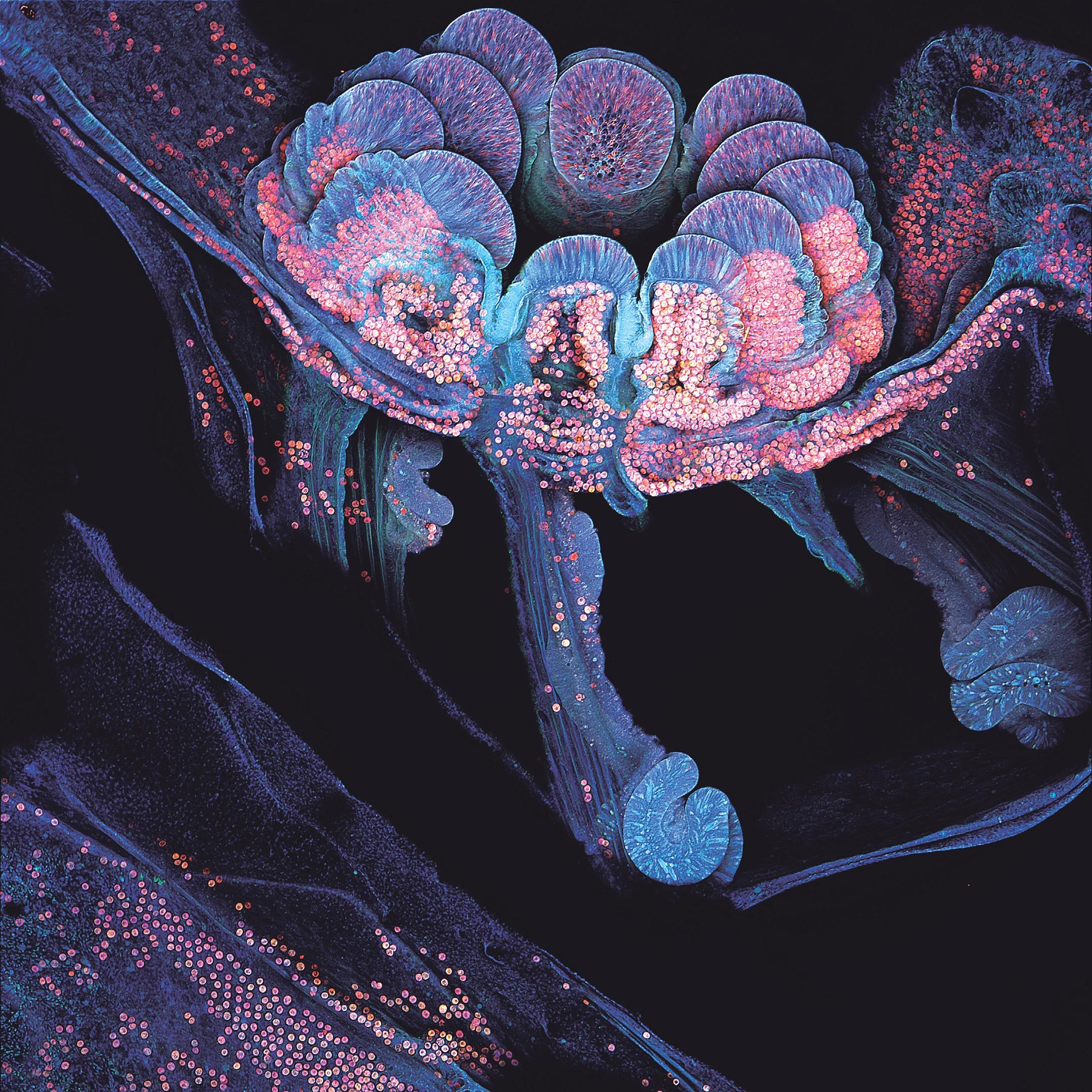
Scientists have revealed how corals anchor themselves to reefs through a multi-step biological process. The findings could help restoration efforts focus on coral species most likely to survive and thrive.
Researchers at Queensland University of Technology (QUT) have identified essential biological mechanisms that enable corals to attach to reef surfaces, a breakthrough that could strengthen coral restoration projects around the world.
New research into coral attachment
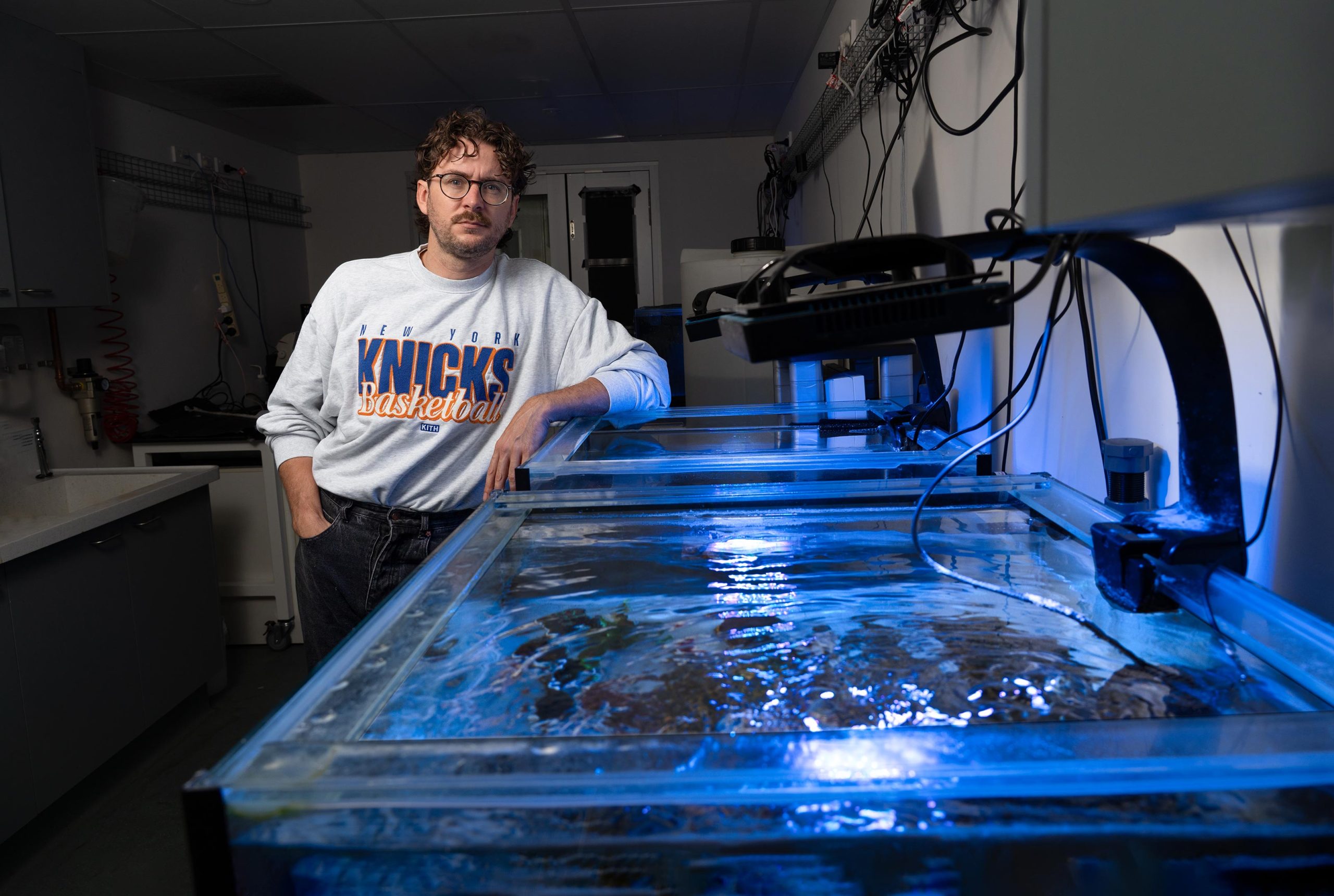
The study, published in Royal Society Open Science, was led by Dr. Brett Lewis from the QUT School of Earth and Atmospheric Sciences. It focused on how coral fragments from three species (Montipora mollis, Pocillopora verrucosa, and Acropora millepora) form stable, self-sustaining connections to reef structures.
“Coral reefs are declining globally, and their recovery often depends on broken fragments reattaching and growing, but that process isn’t as simple as it sounds,” Dr. Lewis said.
“Even after decades of coral research, we still don’t fully understand how fragments attach or how to make restoration efforts more effective.”
The research team included Professor Peter Prentis and Associate Professor Luke Nothdurft from QUT, as well as Dr. Crystal Cooper from the University of Western Australia and Professor David Suggett from the University of Technology Sydney (UTS).
A three-step process revealed by microscopy
By using advanced microscopy, the scientists were able to document a three-stage process that coral fragments follow when attaching to a reef surface.
“First, they respond to contact by tissue through an immune response and transitioning their tissues – almost like flipping yourself inside out,” Dr. Lewis said.
“Next, they anchor themselves with this new soft tissue.
“And finally, they build a skeleton, normally inside the coral, onto the reef using a specialized appendage which can creep over the reef substrate using its cell to grow the skeleton and sterilise any pathogens or other organisms that get in its path.”
These stages were captured using a suite of high-resolution imaging techniques, providing unusually detailed insight into how coral tissues and cells behave during attachment.
Why coral species attach at different rates
According to Dr. Lewis, the structure of the attachment appendage is a key factor in restoration success, as it influences both the speed and strength of attachment.
“Our findings reveal that while the overall attachment process is conserved across coral species, there are distinct biological differences that influence how quickly and effectively corals secure themselves to the reef,” he said.
One clear difference involved how efficiently the appendage could grow across the reef surface while neutralising pathogens or other competing organisms. Species with more complex appendages tended to form stronger skeletons and expand more rapidly than those with simpler structures.
In Montipora mollis, the appendage was larger and more complex, resulting in faster and more robust attachment. In contrast, Pocillopora verrucosa developed a thinner appendage more slowly, which may help explain its weaker initial grip on the reef.
The role of mesenterial filaments in recovery
“We also found that tiny thread-like structures called mesenterial filaments play a bigger role and are more diverse than we previously thought,” Dr. Lewis said.
“Part of the coral’s internal anatomy, they help coral fragments prepare to attach by digesting its own tissues that are no longer needed – eating itself.
“This suggests they’re important not just for attachment, but also for helping corals recover and stay resilient when they have damaged tissues or are going through stress or change.”
Implications for targeted coral restoration
Dr. Lewis said the findings support a move away from uniform restoration approaches.
“By understanding the attachment processes and their underlying cellular and skeletal differences between species, we can better target corals for restoration and predict which corals will thrive in specific environments and grow fastest, tailoring restoration strategies accordingly,” he said.
Reference: “Asexual reproduction in reef-building corals: insights into fragment attachment to improve restoration and predict natural recovery Open Access” by Brett Maxwell Lewis, David Suggett, Peter Prentis, Crystal Cooper and Luke D. Nothdurft, 29 October 2025, Royal Society Open Science.
DOI: 10.1098/rsos.251209
The research was supported by the Australian Government’s Research Training Program and the Reef Restoration and Adaptation Program (RRAP), in partnership with the Great Barrier Reef Foundation.
Never miss a breakthrough: Join the SciTechDaily newsletter.
Follow us on Google and Google News.