
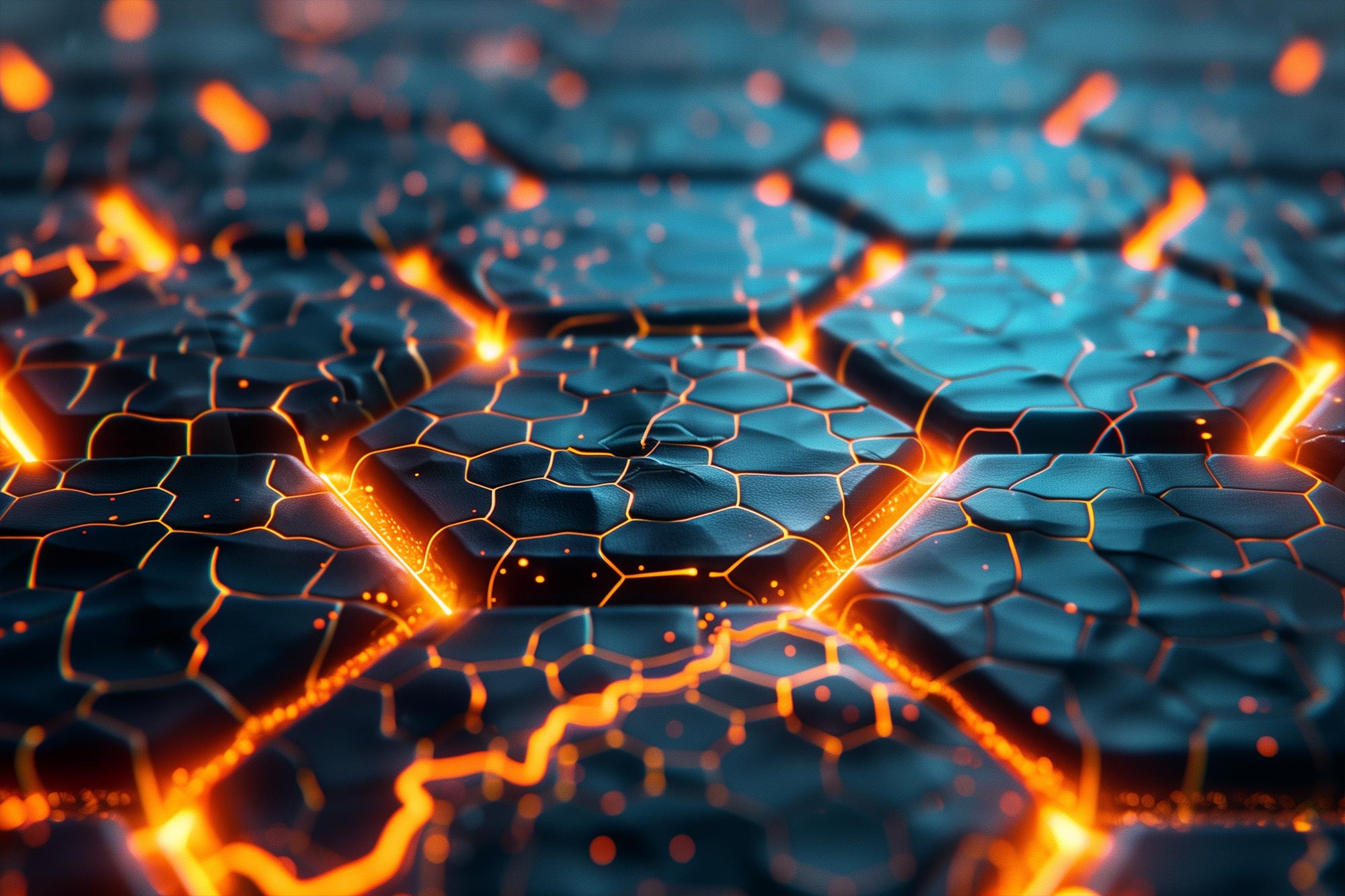
A new carbon-based material, monolayer amorphous carbon (MAC), is revolutionizing materials science.
Unlike graphene, which is incredibly strong but prone to sudden fractures, MAC is eight times tougher due to its unique combination of crystalline and amorphous regions. This breakthrough suggests a new way to enhance 2D materials, making them more resilient for applications like electronics, energy storage, and advanced sensors. Scientists used real-time imaging and simulations to uncover how MAC resists cracks, opening the door for stronger, more durable materials in the future.
Cracks Under Pressure: The Challenge of Strength and Brittleness
Even the strongest crack under pressure, a problem materials scientists have long been grappling with. For instance, carbon-derived materials like graphene are among the strongest on Earth, but once established, cracks propagate rapidly through them, making them prone to sudden fracture.
A new carbon material known as monolayer amorphous carbon (MAC) however, is both strong and tough. In fact, MAC ⎯ which was recently synthesized by the group of Barbaros Özyilmaz at the National University of Singapore (NUS) ⎯ is eight times tougher than graphene, according to a new study from Rice University scientists and collaborators published in the journal Matter.
The Secret to MAC’s Strength: Composite Structure
Like graphene, MAC is also a 2D or single atom-thick material. But unlike graphene where atoms are arranged in an ordered ⎯ or crystalline ⎯ hexagonal lattice, MAC is a composite material that incorporates both crystalline and amorphous regions. It is this composite structure that gives MAC its characteristic toughness, suggesting that a composite design approach could be a productive way to make 2D materials less brittle.
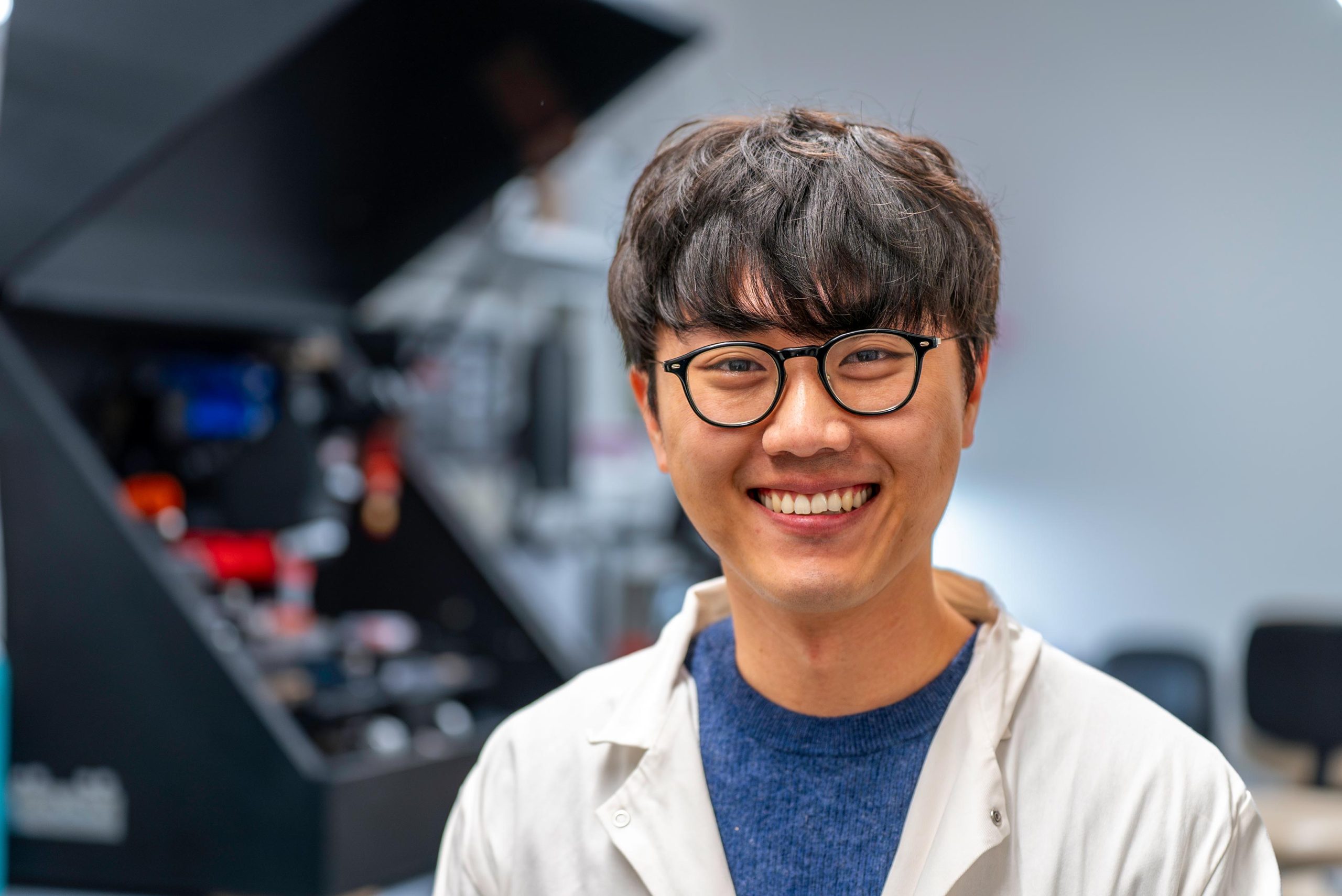
“This unique design prevents cracks from propagating easily, allowing the material to absorb more energy before breaking,” said Bongki Shin, a materials science and nanoengineering graduate student who is the study’s first author.
Breaking the Limits of 2D Materials
This is great news for 2D materials, which have enabled transformative innovations across multiple fields from faster and more efficient electronics to high-capacity energy storage, advanced sensors and wearable technologies. To be able to put their extraordinary properties to even further use, materials scientists have to contend with their brittleness, which has so far limited their real-world application.
To make 2D nanomaterials tougher, one can either add reinforcing nanostructures to the thin films ⎯ a method described in the study as “extrinsic toughening” ⎯ or introduce modifications within the plane of the material ⎯ “intrinsic toughening.” The in-plane structure of MAC offered an ideal case study for testing the fracture toughness of nanocomposites made up of ordered (crystalline) regions embedded inside a disordered (amorphous) matrix.
Unlocking New Possibilities for Materials Science
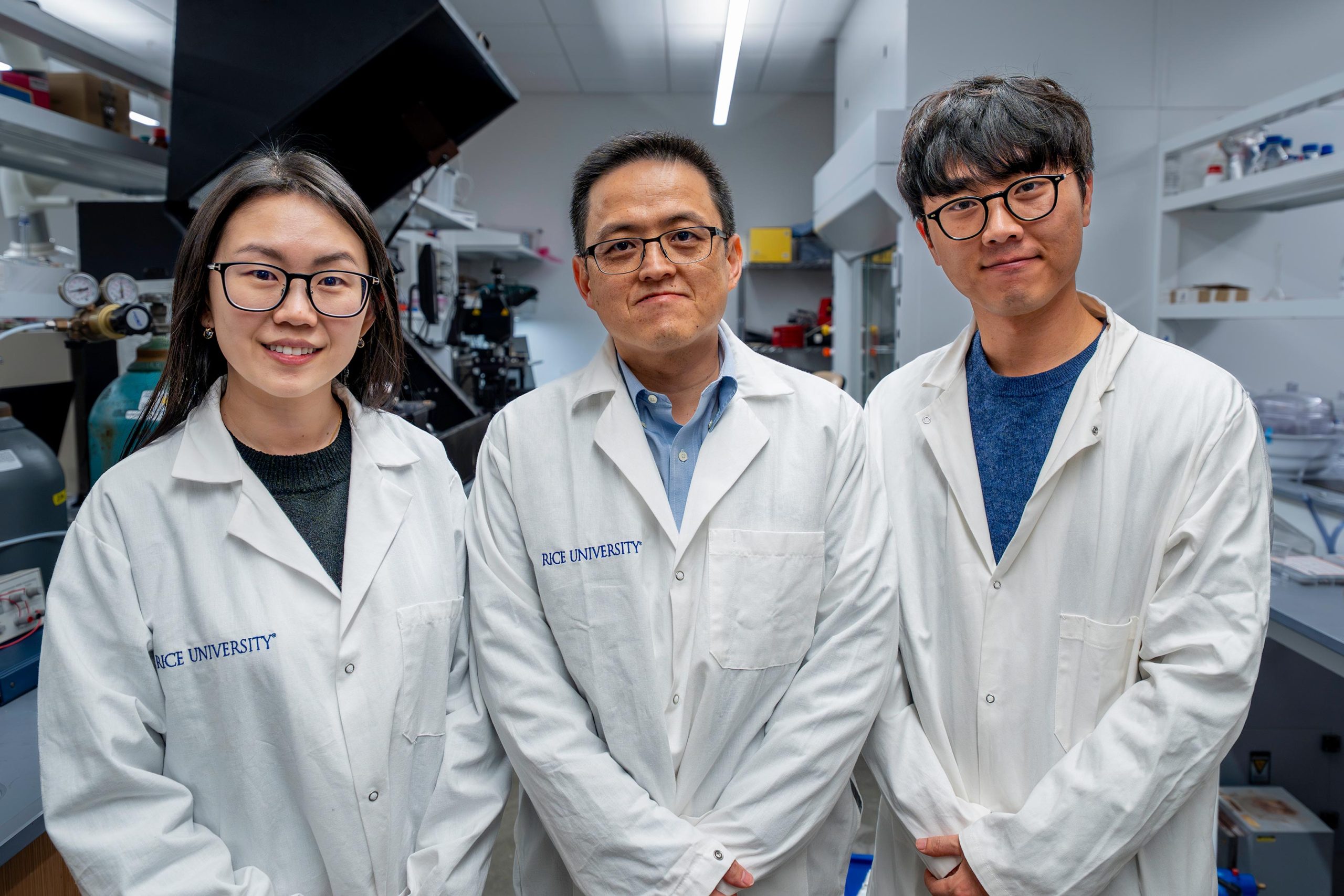
“We believe that this structure-based toughening strategy could work for other 2D materials, so this work opens up exciting possibilities for advanced materials design,” said Jun Lou, professor of materials science and nanoengineering and of chemistry who is a corresponding author on the study.
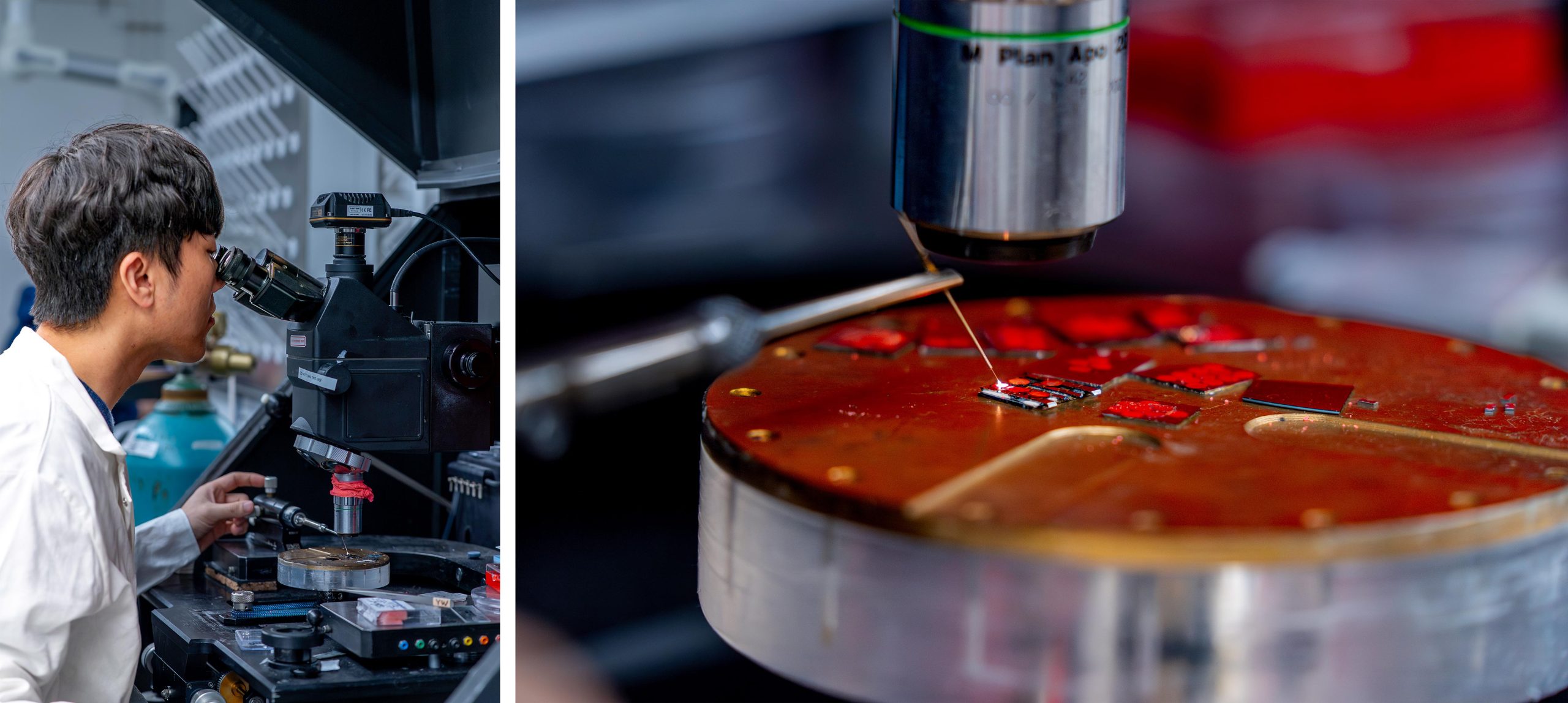
Rice researchers used in situ tensile testing inside a scanning electron microscope to observe cracks forming and propagating in real time. This allowed them to directly observe how the MAC nanocomposite structure resists crack propagation. The group led by Markus Buehler at the Massachusetts Institute of Technology ran molecular dynamics simulations, which let them zoom in at the atomic level to understand how the mix of crystalline and amorphous regions affects fracture energy.
A New Era for 2D Materials Design
“This hadn’t been done before because creating and imaging an ultrathin, disordered material at the atomic scale is extremely challenging,” said Yimo Han, assistant professor of materials science and nanoengineering and corresponding author on the study. “However, thanks to recent advances in nanomaterial synthesis and high-resolution imaging, we were able to uncover a new approach to making 2D materials tougher without adding extra layers.”
Reference: “Intrinsic toughening in monolayer amorphous carbon nanocomposites” by Bongki Shin, Bo Ni, Chee-Tat Toh, Doug Steinbach, Zhenze Yang, Lucas M. Sassi, Qing Ai, Kangdi Niu, Junhao Lin, Kazu Suenaga, Yimo Han, Markus J. Buehler, Barbaros Özyilmaz and Jun Lou, 13 February 2025, Matter.
DOI: 10.1016/j.matt.2025.102000
The research was supported by the United States Department of Energy (DE-SC0018193); the Welch Foundation (C-1716, C-2065); the Singapore National Research Foundation under its Competitive Research Program (NRF-CRP22-2019-008); and the Singapore Ministry of Education (MOE-T2EP50220-0017, EDUNC-33-18-279-V12). The content herein is solely the responsibility of the authors and does not necessarily represent the official views of the funders.
Never miss a breakthrough: Join the SciTechDaily newsletter.
Follow us on Google and Google News.
1 Comment
THANK YOU