
Close Menu
    Facebook X (Twitter) Instagram
    SciTechDaily
    • Biology
    • Chemistry
    • Earth
    • Health
    • Physics
    • Science
    • Space
    • Technology
    Facebook X (Twitter) Pinterest YouTube RSS
    SciTechDaily
    Home»Health»A New Treatment for Addiction? Rosemary Extract Reduces Cocaine Cravings in Breakthrough Study
    Health

    A New Treatment for Addiction? Rosemary Extract Reduces Cocaine Cravings in Breakthrough Study

    By University of California - IrvineSeptember 19, 2024No Comments3 Mins Read
    Facebook Twitter Pinterest Telegram LinkedIn WhatsApp Email Reddit
    Share
    Facebook Twitter LinkedIn Pinterest Telegram Email Reddit
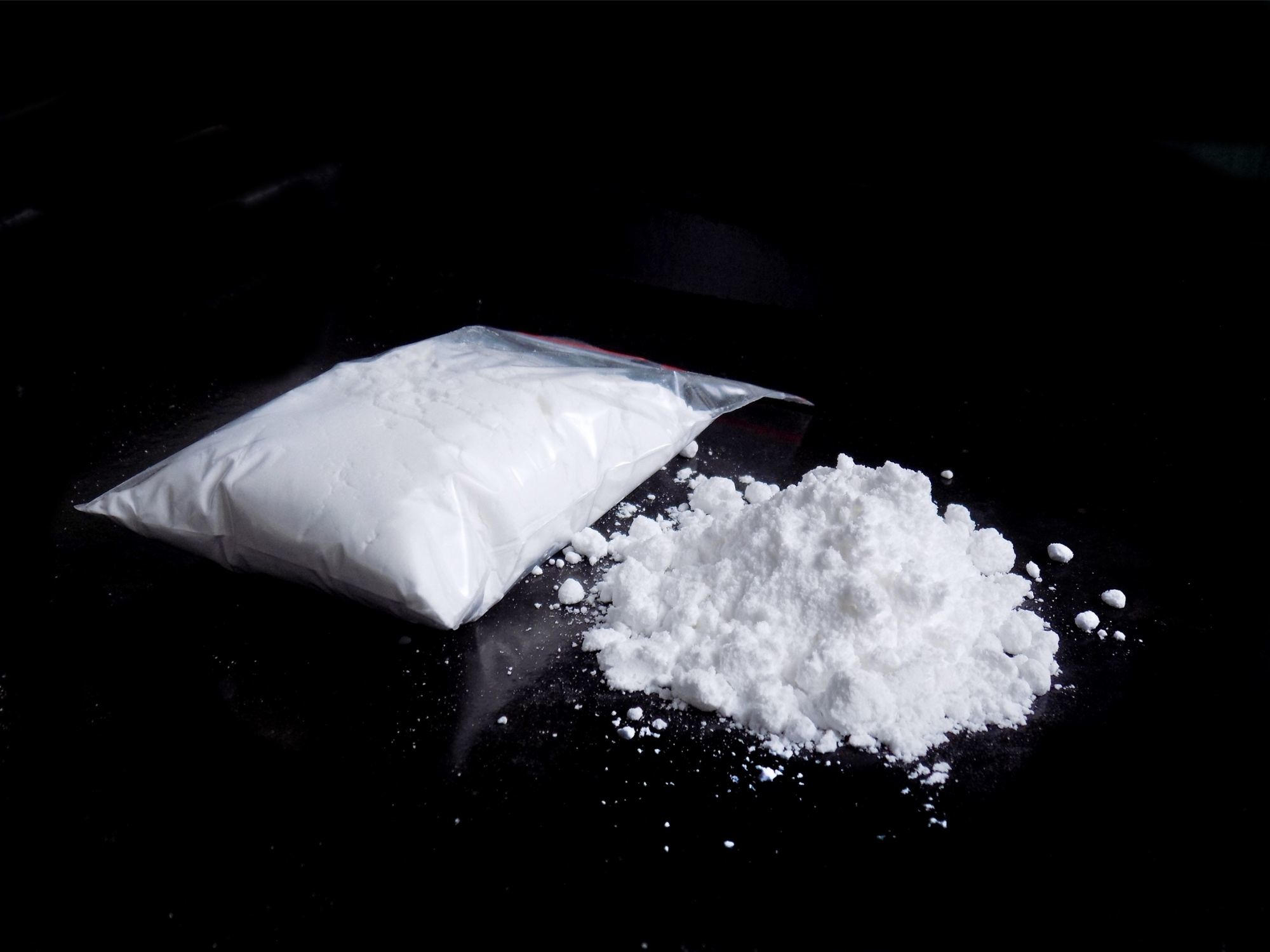
    Cocaine Bag
    UC Irvine researchers discovered that an antioxidant in rosemary extract, carnosic acid, can reduce cocaine use by influencing brain activity in mice. This finding could lead to new treatments for addiction, focusing on brain regions that regulate dopamine release.

    A specific neuron circuit could open up a new avenue for treating addiction.

    A team of researchers from the University of California, Irvine has discovered that an antioxidant in rosemary extract can help reduce voluntary cocaine consumption by regulating the brain’s reward system, presenting a new potential treatment for addiction.

    The study, recently published online in the journal Neuron, describes team members’ focus on a region of the brain called the globus pallidus externus, which acts as a gatekeeper that regulates how we react to cocaine. They discovered that within the GPe, parvalbumin-positive neurons are crucial in controlling the response to cocaine by changing the activity neurons releasing the pleasure molecule dopamine.

    “There are currently no effective therapeutics for dependence on psychostimulants such as cocaine, which, along with opioids, represent a substantial health burden,” said corresponding author Kevin Beier, UC Irvine associate professor of physiology and biophysics. “Our study deepens our understanding of the basic brain mechanisms that increase vulnerability to substance use disorder-related outcomes and provides a foundation for the development of new interventions.”

    Findings in Mice and the Role of Carnosic Acid

    Findings in mice revealed that globus pallidus externus parvalbumin-positive cells, which indirectly influence the release of dopamine, become more excitable after being exposed to cocaine. This caused a drop in the expression of certain proteins that encode membrane channels that usually help keep the globus pallidus cell activity in check. Researchers found that carnosic acid, an isolate of rosemary extract, selectively binds to the affected channels, providing an avenue to reduce response to the drug in a relatively specific fashion.

    “Only a subset of individuals are vulnerable to developing a substance use disorder, but we cannot yet identify who they are. If globus pallidus cell activity can effectively predict response to cocaine, it could be used to measure likely responses and thus serve as a biomarker for the most vulnerable,” Beier said. “Furthermore, it’s possible that carnosic acid could be given to those at high risk to reduce the response to cocaine.”

    The next steps in this research include thoroughly assessing the negative side effects of carnosic acid and determining the ideal dosage and timing. The team is also interested in testing its efficacy in reducing the desire for other drugs and in developing more potent and targeted variants.

    Reference: “Molecular and circuit determinants in the globus pallidus mediating control of cocaine-induced behavioral plasticity” by Guilian Tian, Katrina Bartas, May Hui, Lingxuan Chen, Jose J. Vasquez, Ghalia Azouz, Pieter Derdeyn, Rían W. Manville, Erick L. Ho, Amanda S. Fang, Yuan Li, Isabella Tyler, Vincent Setola, Jason Aoto, Geoffrey W. Abbott and Kevin T. Beier, 16 August 2024, Neuron.
    DOI: 10.1016/j.neuron.2024.07.018

    This work was supported by grants from the National Institutes of Health, One Mind, the Alzheimer’s Association, New Vision Research, BrightFocus Foundation, and the Brain & Behavior Research Foundation.

    Never miss a breakthrough: Join the SciTechDaily newsletter.
    Follow us on Google and Google News.

    Addiction Drugs UC Irvine
    Share. Facebook Twitter Pinterest LinkedIn Email Reddit

    Related Articles

    Study Examines Opioid & Cocaine Use by Profession – Most Likely to Use “Makes Sense”

    Wastewater Analyzed to Map International Drug Use – Here Are the Shocking Results

    Financial Incentives Influence Doctors Alcohol Advice to Patients

    A Lethal Dose for $1 – Fentanyl’s Risk on the ‘Darknet’

    Stemming the Opioid Crisis: New Addiction Treatments Hold Promise

    Young, White, Daily Opioid Users More Likely to Prefer Fentanyl

    Secret to Opiate Relapse Discovered: Synaptic Rewiring

    Medications Can Help As Opioid Treatment for Teens

    Teens Abusing Opioids May Benefit From Medication Treatment

    Leave A Reply Cancel Reply

    • Facebook
    • Twitter
    • Pinterest
    • YouTube

    Don't Miss a Discovery

    Subscribe for the Latest in Science & Tech!

    Trending News

    Even Occasional Binge Drinking May Triple Liver Damage Risk

    Liftoff! NASA’s Artemis II Launch Sends Astronauts Around the Moon for First Time in 50 Years

    Scientists Discover New Way To Eliminate “Zombie Cells” Driving Aging

    This New Quantum Theory Could Change Everything We Know About the Big Bang

    This One Vitamin May Help Protect Your Brain From Dementia Years Later

    Stopping Weight-Loss Drugs Like Ozempic Can Quickly Erase Heart Benefits

    A 500-Million-Year-Old Surprise Is Forcing Scientists to Rethink Spider Evolution

    Coffee and Blood Pressure: What You Need To Know Before Your Next Cup

    Follow SciTechDaily
    • Facebook
    • Twitter
    • YouTube
    • Pinterest
    • Newsletter
    • RSS
    SciTech News
    • Biology News
    • Chemistry News
    • Earth News
    • Health News
    • Physics News
    • Science News
    • Space News
    • Technology News
    Recent Posts
    • Breakthrough Study Reveals Why Damaged Nerves Struggle To Heal
    • 20-Year Study Reveals Cholera’s Surprising Weakness
    • $220 Billion Problem: Scientists Uncover the Secret Weapon Bacteria Use To Take Over Crops
    • Collapsing Plasma May Hold the Key to Cosmic Magnetism
    • DNA Meets Electronics: Scientists Create Ultra-Low Power Memory Breakthrough
    Copyright © 1998 - 2026 SciTechDaily. All Rights Reserved.
    • Science News
    • About
    • Contact
    • Editorial Board
    • Privacy Policy
    • Terms of Use

    Type above and press Enter to search. Press Esc to cancel.