
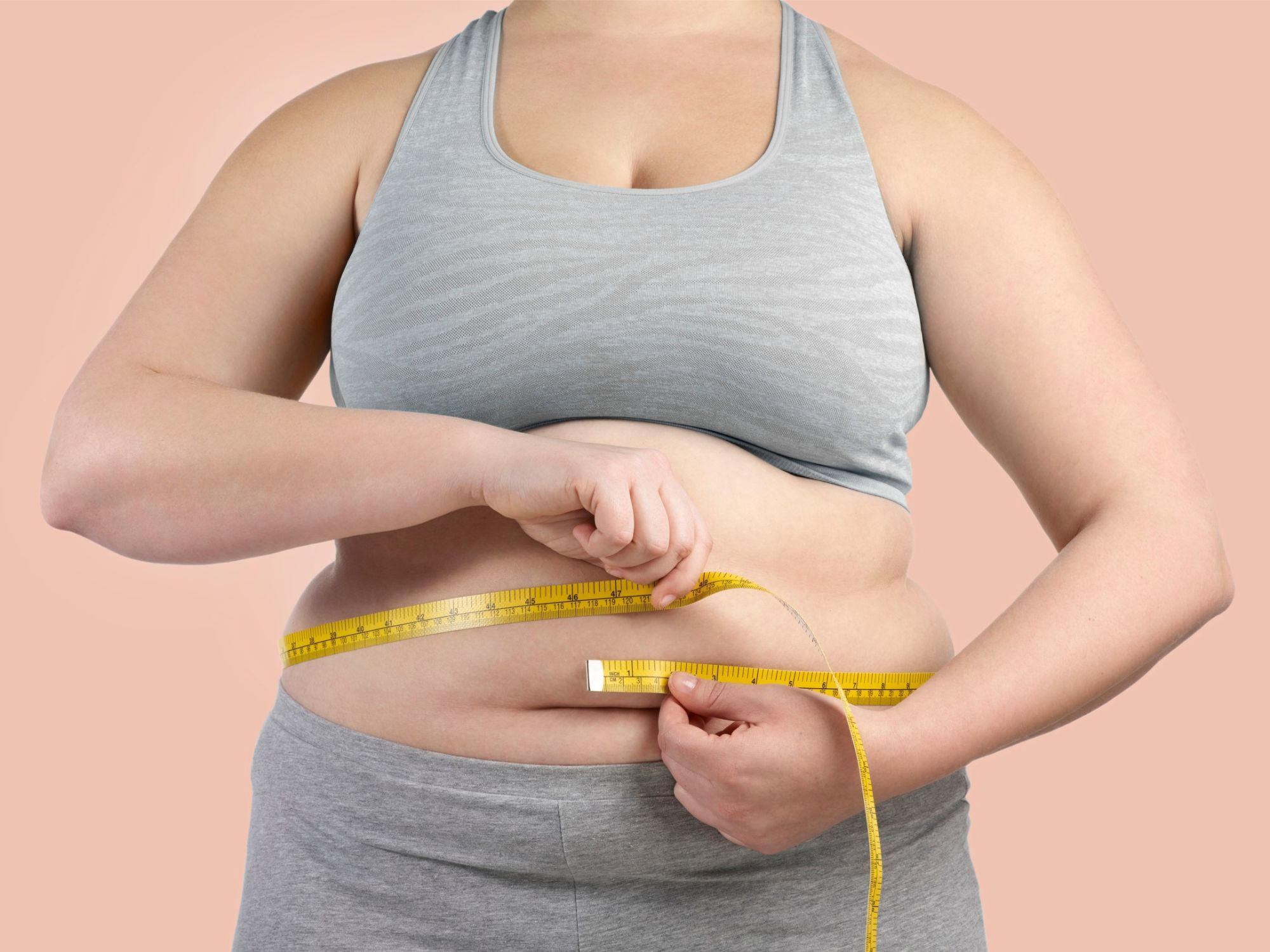
New reserach reveals a potential mechanism through which ultraviolet radiation could influence the regulation of subcutaneous fat. This discovery opens up new potential strategies for treating obesity.
Obesity and metabolic disorders are growing concerns for public health worldwide. In an innovative research effort, dermatologists investigated how ultraviolet (UV) exposure impacts appetite and weight management. Their findings revealed that UV exposure increases norepinephrine levels, reduces leptin levels, and promotes the conversion of white fat into brown fat, which enhances energy expenditure.
These results potentially pave the way for new approaches to prevent and treat obesity and metabolic disorders. Their findings appear in the Journal of Investigative Dermatology, published by Elsevier.
UV radiation is a common environmental factor that has multifaceted effects on the skin, which encompasses a substantial surface area of the body. UV radiation induces detrimental effects such as sunburn, photoaging, and skin cancer; however, it is also associated with beneficial effects such as vitamin D synthesis.
Co-first authors Qing-Ling Quan, MD, PhD, and Eun Ju Kim, PhD, Department of Dermatology, Seoul National University Hospital, explained, “Recent evidence has suggested that UV exposure limits body weight gain in mouse models of obesity. Subcutaneous fat is a critical organ in regulating energy homeostasis. Alongside previous studies on the effects of UV exposure on obesity and metabolic disorders, our team was inspired by our prior discovery that, although UV rays do not directly reach subcutaneous fat when exposed to the skin, they can regulate the metabolism of subcutaneous fat. This led us to hypothesize that skin exposure to UV rays could play a significant role in systemic energy homeostasis, prompting this research.”
Research Findings and Implications
Investigators discovered that when exposed to UV radiation consistently, mice fed a normal diet and those on a high-fat diet exhibited increased appetite due to a decrease in leptin, a key hormone in appetite regulation. However, there was no weight increase. They found that UV radiation inhibits weight gain by enhancing the secretion of the neurotransmitter norepinephrine, which not only decreases leptin but also increases energy expenditure through the “browning” of subcutaneous fat.
The increased energy intake, driven by heightened appetite, is converted to heat and burned before it can accumulate in subcutaneous fat, thus preventing weight gain.
This research provides new insights into the impact of UV exposure on appetite and weight regulation, opening possibilities for novel approaches in the prevention and treatment of obesity and metabolic disorders. Specifically, uncovering the mechanism by which UV radiation prevents weight gain could offer new approaches to dietary regulation and weight loss, providing innovative insights into health and obesity management that could positively impact human health.
Lead investigator Jin Ho Chung, MD, PhD, Department of Dermatology, Seoul National University Hospital, Seoul National University College of Medicine, explained, “This study elucidates the mechanism by which UV exposure can increase appetite while inhibiting weight gain. These findings contribute significantly to understanding the effects of UV radiation on energy metabolism and homeostasis and open new avenues for exploring prevention and treatment strategies for obesity and metabolic disorders. Notably, the fact that UV radiation lowers leptin levels and increases norepinephrine, thereby promoting the browning of subcutaneous fat and increasing energy expenditure, provides a groundbreaking clue for the development of obesity treatment strategies. This research demonstrates that UV exposure not only affects the skin but also plays a deep role in our body’s energy metabolism and homeostasis processes. However, further research is needed on the long-term effects and safety of UV exposure, and there should be significant interest in developing new therapeutic approaches that utilize the efficacy of UV radiation.”
However, as co-corresponding author Dong Hun Lee, MD, PhD, Institute of Human-Environment Interface Biology, Seoul National University, noted, “Because UV exposure can accelerate skin aging and promote skin cancer, it is advisable to minimize UV exposure and protect the skin with sunscreen. Thus, our research team plans to conduct follow-up studies to develop new strategies that could mimic the effects of UV radiation for obesity and metabolic regulation.”
Reference: “UV Irradiation Increases Appetite and Prevents Body Weight Gain through the Upregulation of Norepinephrine in Mice” by Qing-Ling Quan, Eun Ju Kim, Sungsoo Kim, Yeon Kyung Kim, Min Hwa Chung, Yu-Dan Tian, Chang-Yup Shin, Dong Hun Lee and Jin Ho Chung, 22 May 2024, Journal of Investigative Dermatology.
DOI: 10.1016/j.jid.2024.03.012
Never miss a breakthrough: Join the SciTechDaily newsletter.
Follow us on Google and Google News.
2 Comments
In mice. That’s important, and should be in the headline, or the lede, or at least the first paragraph. Not the middle of paragraph five. I didn’t read this article, as I already read the study elsewhere.
If anyone wants to try this strategy for weight loss, avoid dehydration by checking on your mice often.
Another “shortcut to health” that not only won’t work as advertised, but might end up doing more harm than good.