
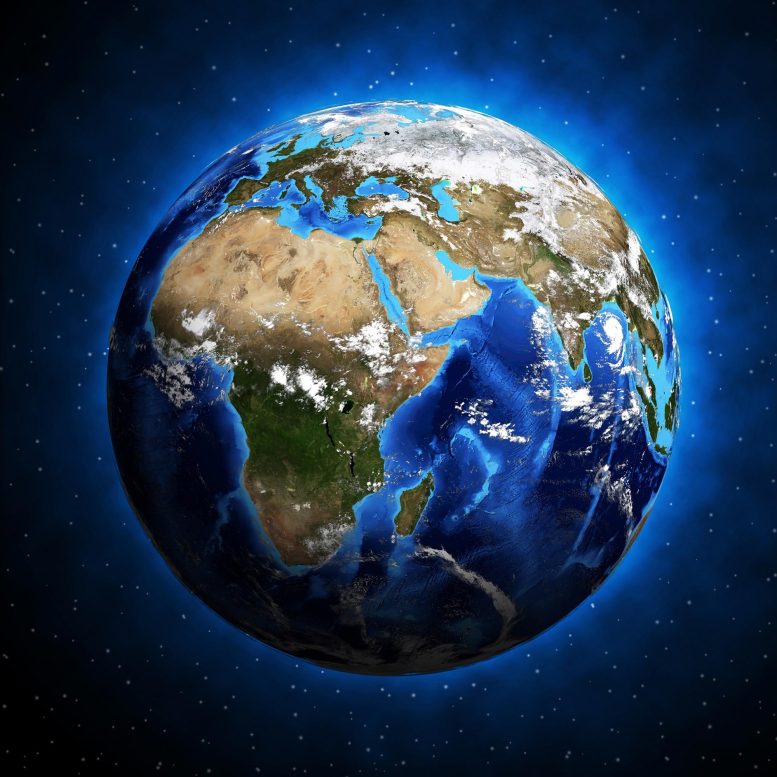
A New Study Reveals That Land Plants Changed Earth’s Composition
According to research from the University of Southampton, the Earth’s continents’ composition suddenly shifted as a result of the evolution of land plants.
In collaboration with colleagues from Queen’s University Canada, the University of Cambridge, the University of Aberdeen, and the China University of Geosciences, Wuhan, the Southampton researchers—led by Dr. Tom Gernon—studied the effects of land plant evolution on Earth’s chemical composition over the course of the previous 700 million years.
The researchers’ findings were recently published in Nature Geoscience.
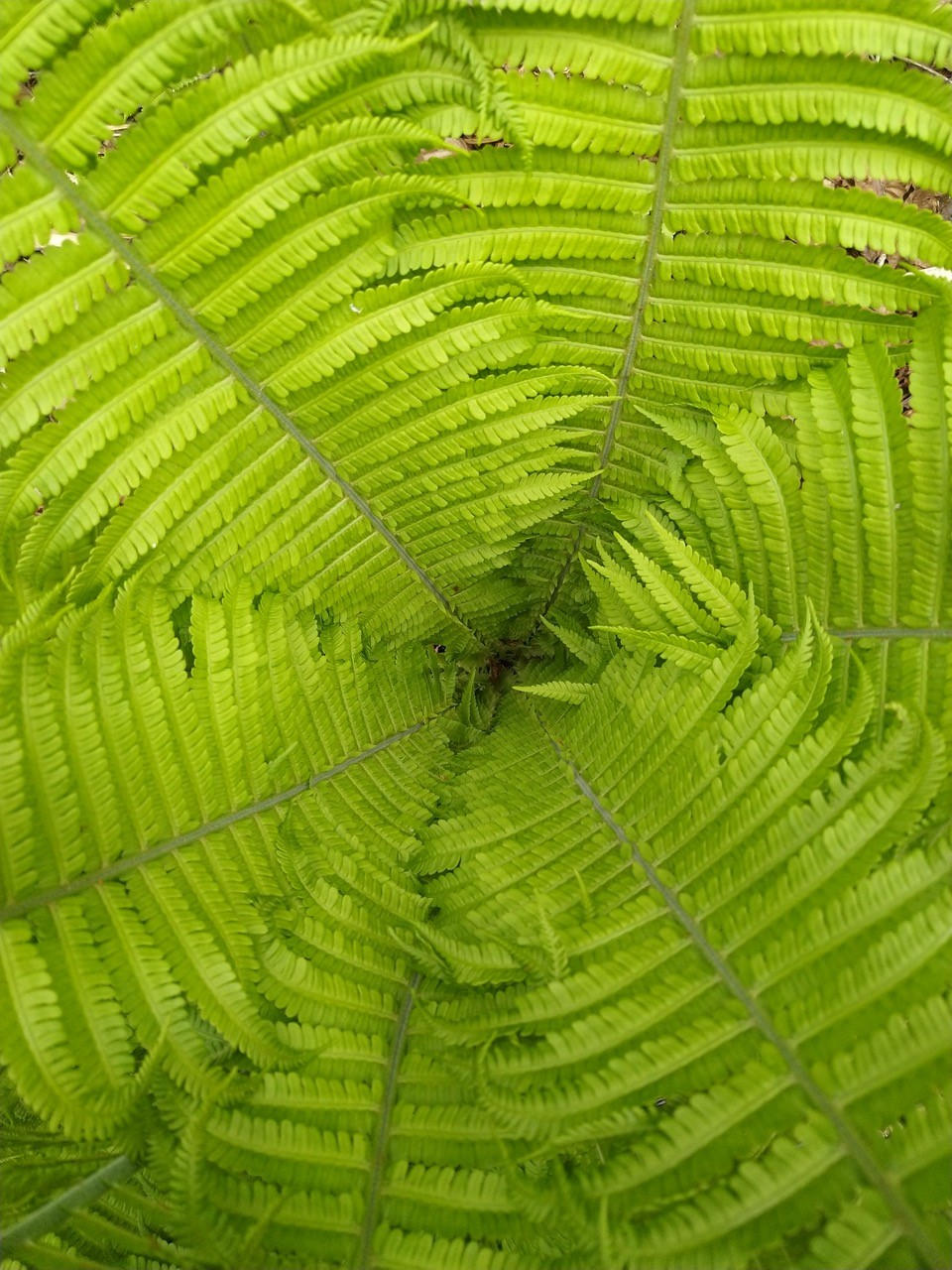
Around 430 million years ago, during the Silurian Period, when North America and Europe were connected to form the continent known as Pangaea, the evolution of land plants took place.
Plants drastically modified Earth’s biosphere (those regions of the planet’s surface where life flourishes), laying the stage for the emergence of dinosaurs around 200 million years later.
Plant Rooting Systems and Their Geological Impact
“Plants caused fundamental changes to river systems, bringing about more meandering rivers and muddy floodplains, as well as thicker soils,” says Dr. Christopher Spencer, Assistant Professor at Queen’s University in Kingston, Ontario, lead author of the study. “This shift was tied to the development of plant rooting systems that helped produce colossal amounts of mud (by breaking down rocks) and stabilized river channels, which locked up this mud for long periods.”
The scientists recognized that plate tectonics connects the Earth’s surface and deep core: rivers wash mud into the oceans, and this mud is subsequently carried into the Earth’s molten interior (or mantle) at subduction zones, where it melts to produce new rocks.

“When these rocks crystallize, they trap in vestiges of their past history,” says Dr. Tom Gernon, Associate Professor of Earth Science at the University of Southampton and co-author of the study. “So, we hypothesized that the evolution of plants should dramatically slow down the delivery of mud to the oceans and that this feature should be preserved in the rock record – it’s that simple.”
Zircon Crystals and Evidence of Slower Sediment Transfer
To test this idea, the team studied a database of over five thousand zircon crystals formed in magmas at subduction zones – essentially ‘time capsules’ that preserve vital information on the chemical conditions that prevailed on Earth when they crystallized.
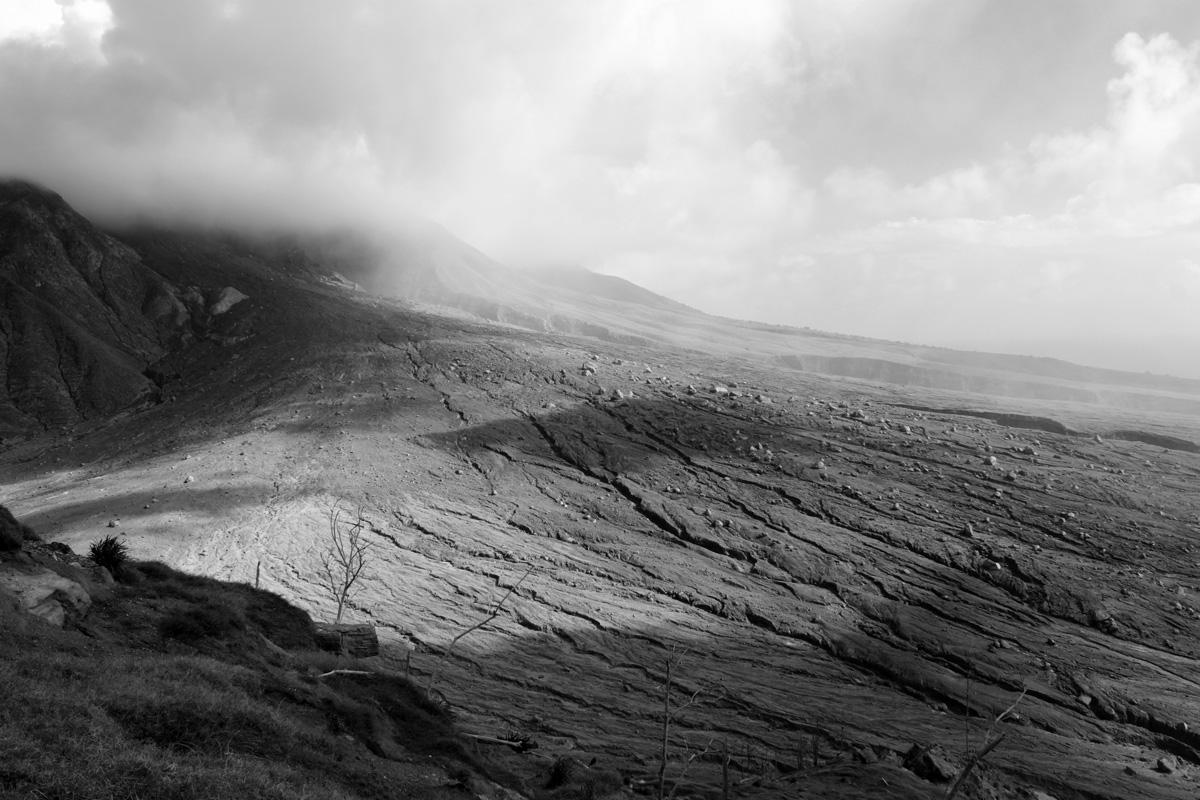
The team uncovered compelling evidence for a dramatic shift in the composition of rocks making up Earth’s continents, which coincides almost precisely with the onset of land plants.
Notably, the scientists also found that the chemical characteristics of zircon crystals generated at this time indicate a significant slowing down of sediment transfer to the oceans, just as they had hypothesized.
The researchers show that vegetation changed not only the surface of the Earth but also the dynamics of melting in Earth’s mantle.
“It is amazing to think that the greening of the continents was felt in the deep Earth,” concludes Dr. Spencer.
“Hopefully this previously unrecognized link between the Earth’s interior and surface environment stimulates further study.”
Reference: “Composition of continental crust altered by the emergence of land plants” by Christopher J. Spencer, Neil S. Davies, Thomas M. Gernon, Xi Wang, William J. McMahon, Taylor Rae I. Morrell, Thea Hincks, Peir K. Pufahl, Alexander Brasier, Marina Seraine and Gui-Mei Lu, 29 August 2022, Nature Geoscience.
DOI: 10.1038/s41561-022-00995-2
Never miss a breakthrough: Join the SciTechDaily newsletter.
Follow us on Google and Google News.
3 Comments
“The team uncovered compelling evidence for a dramatic shift in the composition of rocks making up Earth’s continents, which coincides almost precisely with the onset of land plants.”
Unfortunately, neither this article, or the abstract that is linked, make it clear just how the zircons reflect the influence of plants. Zircons are zirconium orthosilicates with minor hafnium, uranium, and other trace elements. Zirconium and the other trace elements, including daughter products from the radiogenic decay of uranium, are not incorporated in vegetation. The question I’m left with is how the zircons older than Silurian differ from younger zircons. That is not made clear, despite that being the central point of the research.
Another GREAT Read!
At the rate the Team at Scitechdaily.com are uncovering so many new ‘revelations’ my appetite for all things deep in history is growing faster than my “comprehension”
As you can see from my email address, I am Australian based and have a extremely large interest in Bass Strait (the shallow, narrow strip of water between the Australian Mainland and the Island State of Tasmania)
Any potential Links that have been the subject of any ‘research’ will be treasured by me!
Cheers 4Now, Stephen Dean
The Earth’s crust moves around the Earth due to the moon’s rotation, this movement of the crust is very slow, and the rain water makes the crust of the Earth slippery and moves very slowly. I don’t think plants have much effect on the movement of the Earth’s crust