
Eating more like the Mediterranean may quietly cut women’s stroke risk—possibly by a lot.
- Women who closely followed a Mediterranean-style diet had a noticeably lower risk of stroke of all kinds, according to new research.
- The findings show a strong link between diet and stroke risk, but they do not prove that the diet itself directly prevents strokes.
- Women with the strongest adherence to the Mediterranean diet were 18% less likely to have any stroke, including a 16% lower risk of ischemic stroke and a 25% lower risk of hemorrhagic stroke.
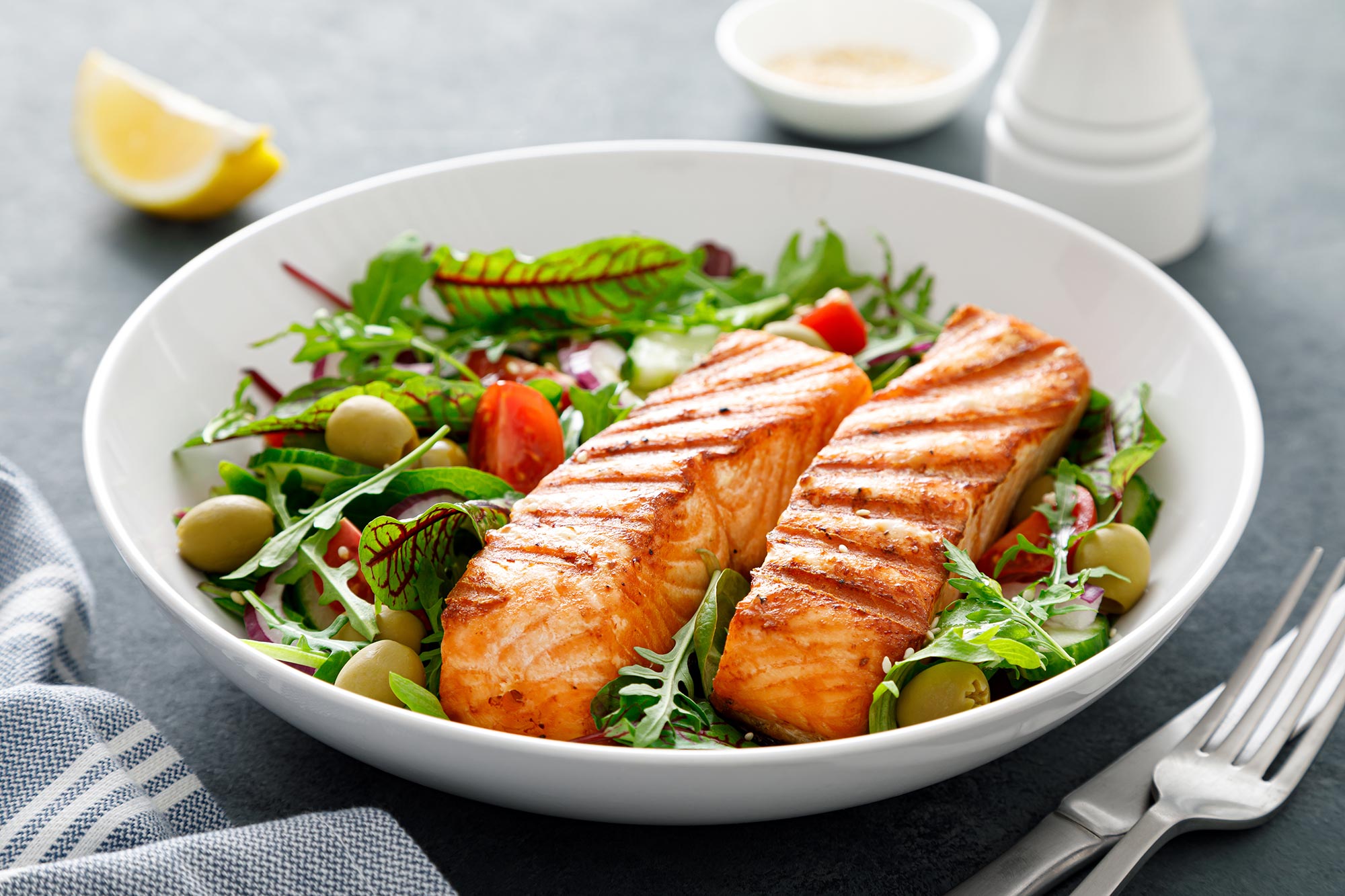
- The Mediterranean diet focuses on vegetables, fruits, legumes, fish, and olive oil, while limiting dairy products, red meat, and foods high in saturated fats.
Mediterranean Diet Linked to Lower Stroke Risk in Women
Women who closely follow a Mediterranean-style diet appear to have a lower risk of experiencing any type of stroke, according to research published today (February 4, 2026) in Neurology Open Access, a journal of the American Academy of Neurology. The findings show a strong link between diet and stroke risk, but they do not prove that the diet itself directly prevents strokes.
Reduced Risk Across Major Stroke Types
Researchers found that higher adherence to the Mediterranean diet was associated with fewer strokes overall, including both ischemic and hemorrhagic strokes. Ischemic strokes, the most common type, occur when blood flow to part of the brain is blocked. Hemorrhagic strokes happen when bleeding occurs inside the brain and are often more severe.
What the Mediterranean Diet Includes
The Mediterranean diet emphasizes eating large amounts of vegetables, fruits, legumes, fish, and healthy fats such as olive oil. It limits dairy products, meat, and foods high in saturated fats.
“Our findings support the mounting evidence that a healthy diet is critical to stroke prevention,” said study author Sophia S. Wang, PhD, of City of Hope Comprehensive Cancer Center in Duarte, California. “We were especially interested to see that this finding applies to hemorrhagic stroke, as few large studies have looked at this type of stroke.”
How the Study Was Conducted
The study followed 105,614 women who had no history of stroke at the beginning of the research. Their average age was 53. Participants completed a detailed diet questionnaire at the start of the study, and researchers assigned each person a score from zero to nine based on how closely their eating habits matched the Mediterranean diet.
Participants earned points for consuming more than the population average of whole grain cereals, fruits, vegetables, legumes, olive oil, and fish, as well as for drinking moderate amounts of alcohol. They also received points for eating less red meat and dairy products than average. About 30% of participants scored between six and nine, placing them in the highest adherence group, while 13% scored between zero and two, the lowest group.
Long-Term Results Over Two Decades
The women were followed for an average of 21 years. During that time, 4,083 strokes occurred, including 3,358 ischemic strokes and 725 hemorrhagic strokes. Among those with the highest Mediterranean diet scores, 1,058 ischemic strokes occurred compared with 395 cases in the lowest-scoring group. For hemorrhagic strokes, there were 211 cases in the highest group and 91 in the lowest group.
After accounting for other factors that influence stroke risk, including smoking, physical activity, and high blood pressure, researchers found clear differences between groups. Women with the highest diet scores were 18% less likely to have any stroke than those with the lowest scores. Their risk of ischemic stroke was 16% lower, and their risk of hemorrhagic stroke was 25% lower.
What the Findings Mean and Study Limits
“Stroke is a leading cause of death and disability, so it’s exciting to think that improving our diets could lessen our risk for this devastating disease,” said Wang. “Further studies are needed to confirm these findings and to help us understand the mechanisms behind them so we could identify new ways to prevent stroke.”
One limitation of the study is that participants reported their own dietary habits, which means some details may not have been remembered accurately.
Reference: “Mediterranean Diet and the Risk of Stroke Subtypes in WomenThe California Teachers Study” by Ayesha Z. Sherzai, Emily L. Cauble, Emma S. Spielfogel, Joshua Zebadiah Willey, Yian Gu, Nikolaos Scarmeas, James Vincent Lacey, Dean Sherzai, Mitchell S.V. Elkind and Sophia S. Wang, 4 February 2026, Neurology Open Access.
DOI: 10.1212/WN9.0000000000000062
The research was funded by the National Institute of Neurological Diseases and Stroke.
Never miss a breakthrough: Join the SciTechDaily newsletter.
Follow us on Google and Google News.
2 Comments
Just another huge waste of time and taxpayer dollars. Three more limitations to the study were: 1) sub-acute (nearly subclinical) non-IgE-mediated food allergy reactions (Dr. Arthur F. Coca, by 1935) were not factored-in (ninety years and counting of mainstream medical ignorance and incompetence), 2) neither were toxic FDA approved food additives (soy mostly processed with hexane, TBHQ and added MSG, minimally) and 3) some of the ‘alleged’ risks of stroke were actually confounding factors (high blood pressure, smoking [tobacco allergy?], etc.). Dairy and red meats are more common allergens than fish, fruits, vegetables and olive oil. And, ultimately, many of the healthier diet participants may get/already have big surprises in the areas of neuromuscular, vision, hearing and anal leakage problems as the cooking oil preservative TBHQ becomes even more ubiquitous to the global diet, generally not listed with other ingredients. So, along with individual hypersensitivity, accidental overdoses of TBHQ are also possible: https://www.medicinenet.com/how_harmful_is_tbhq/article.htm
No amount of propaganda is ever going to convince me that meat and dairy somehow are not good for you and increase the risk of all these medical conditions.