
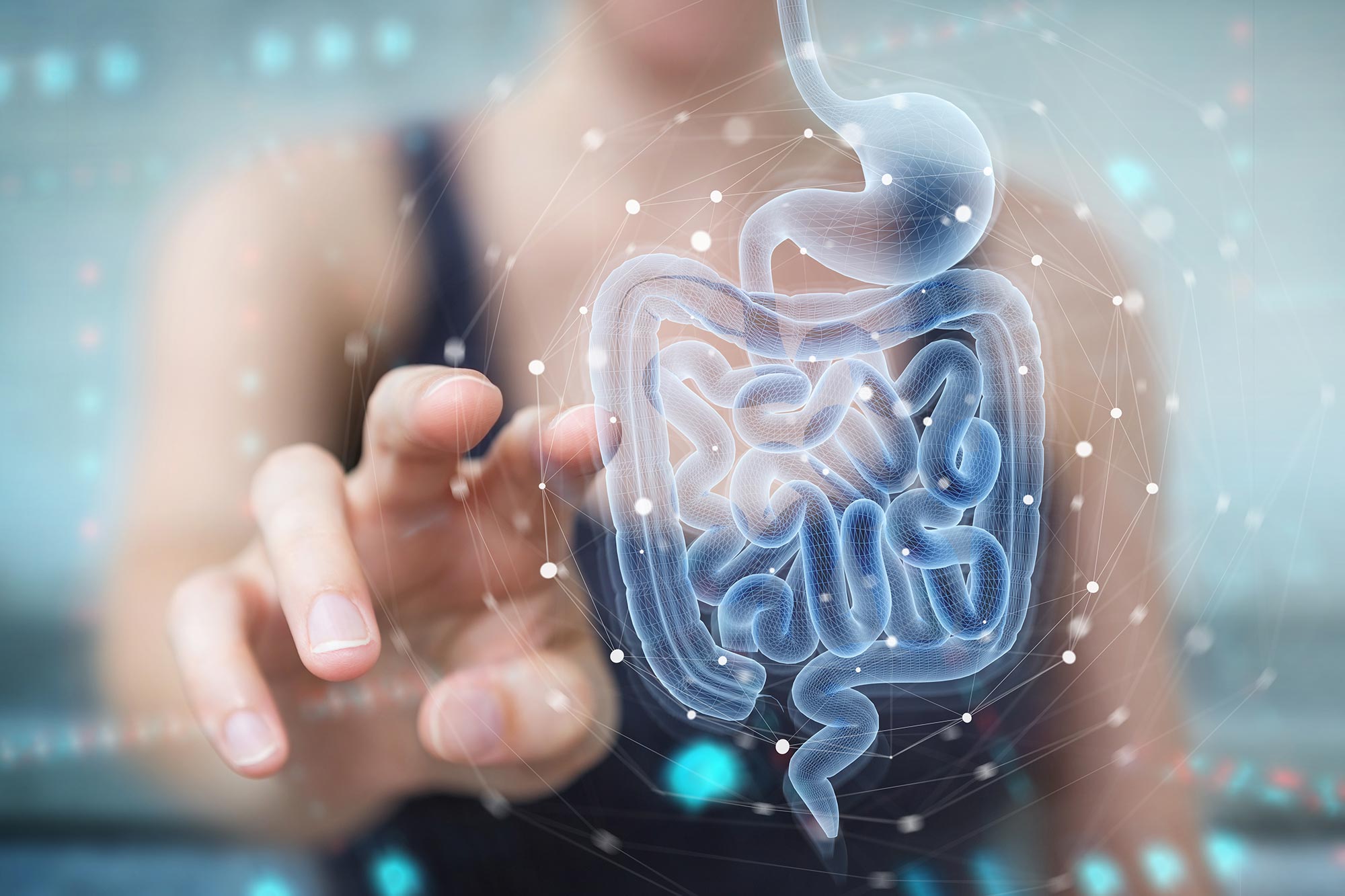
An international group of scientists led by Professor Marc-Emmanuel Dumas at Imperial College London & CNRS, working with Prof. Patrice Cani (Imperial & University of Louvain, UCLouvain), Dr. Dominique Gauguier (Imperial & INSERM, Paris) and Prof. Peter Liu (University of Ottawa Heart Institute), has identified an unexpected biological compound that may help counter insulin resistance and type 2 diabetes. The team focused on trimethylamine (TMA), a metabolite created by gut microbes from dietary choline.
Findings published in Nature Metabolism show that TMA can block a major immune pathway and support healthier blood glucose regulation.
A Discovery Connected to Breakthrough Research From 20 Years Ago
This advance traces back to work conducted two decades earlier. As a postdoctoral researcher, Patrice Cani revealed that high-fat diets allow bacterial components to enter the body, setting off immune activation and inflammation. This inflammation was shown to contribute to insulin resistance in people with diabetes. Although the idea faced skepticism in 2005, it is now widely accepted within the scientific community.
In 2025, researchers from the University of Louvain and Imperial College London finally identified a way to counter this harmful chain of events. They found that TMA, produced by gut microorganisms from the nutrient choline found in several foods, can help improve blood-sugar control.
TMA Works by Interfering With a Key Immune Sensor
The molecule’s impact comes from its interaction with IRAK4, a protein that plays an essential role in immune signaling. Under a high-fat diet, IRAK4 alerts the body to dietary imbalance by triggering inflammation.
Trouble begins when IRAK4 is repeatedly stimulated (as seen in type 2 diabetes). This constant activation leads to widespread inflammation that directly promotes insulin resistance.
Blocking IRAK4 Reduces Inflammation and Restores Insulin Sensitivity
Through experiments that included human cell models, mouse studies, and molecular screening, the researchers demonstrated that TMA can bind to IRAK4 and reduce its activity. This reduces inflammation triggered by fatty foods and helps restore the body’s ability to respond to insulin. In effect, the molecule counteracts harmful metabolic responses associated with poor diet. Even more notable, TMA protected mice from sepsis-related death by limiting overwhelming inflammation.
A Known Drug Target Opens the Door to New Treatments
The team also found that removing the IRAK4 gene or blocking the protein with drugs produced many of the same benefits observed with TMA. Because IRAK4 is already a validated drug target within the pharmaceutical field, this mechanism offers a promising pathway for new diabetes therapies.
“This flips the narrative,” said Prof. Dumas. “We’ve shown that a molecule from our gut microbes can actually protect against the harmful effects of a poor diet through a new mechanism. It’s a new way of thinking about how the microbiome influences our health.”
“This shows how nutrition and our gut microbes can work together by producing molecules that fight inflammation and improve metabolic health!” said Prof. Patrice Cani, co-senior author, University of Louvain, Belgium and visiting professor at Imperial College London.
What This Means for Global Diabetes Prevention
With more than 500 million people worldwide living with diabetes, identifying TMA as a microbial signal that shapes immune function may lead to new preventive or therapeutic strategies. Approaches that encourage TMA production, such as nutritional interventions or new medications, could help reduce insulin resistance and its long-term complications.
“What we eat shapes our microbes and some of their molecules can protect us from diabetes. That’s nutrition in action!” said University of Louvain, Prof. Cani.
Reference: “Inhibition of IRAK4 by microbial trimethylamine blunts metabolic inflammation and ameliorates glycemic control” by Julien Chilloux, Francois Brial, Amandine Everard, David Smyth, Petros Andrikopoulos, Liyong Zhang, Hubert Plovier, Antonis Myridakis, Lesley Hoyles, José Maria Moreno-Navarrete, Jèssica Latorre Luque, Viviana Casagrande, Rossella Menghini, Blerina Ahmetaj-Shala, Christine Blancher, Laura Martinez-Gili, Selin Gencer, Jane F. Fearnside, Richard H. Barton, Ana Luisa Neves, Alice R. Rothwell, Christelle Gérard, Sophie Calderari, Mark J. Williamson, Julian E. Fuchs, Lata Govada, Claire L. Boulangé, Saroor Patel, James Scott, Mark Thursz, Naomi Chayen, Robert C. Glen, Nigel J. Gooderham, Jeremy K. Nicholson, Massimo Federici, José Manuel Fernández-Real, Dominique Gauguier, Peter P. Liu, Patrice D. Cani and Marc-Emmanuel Dumas, 8 December 2025, Nature Metabolism.
DOI: 10.1038/s42255-025-01413-8
This research was made possible thanks to international collaborations across Europe and North America, involving institutions in Belgium, Canada, Australia, France, Italy, and Spain, and supported by numerous European (ERC, FEDER) and national (MRC, Wellcome Trust, ANR, FNRS, EOS, WELRi, ARC) funding sources.
Never miss a breakthrough: Join the SciTechDaily newsletter.
Follow us on Google and Google News.