
Close Menu
    Facebook X (Twitter) Instagram
    SciTechDaily
    • Biology
    • Chemistry
    • Earth
    • Health
    • Physics
    • Science
    • Space
    • Technology
    Facebook X (Twitter) Pinterest YouTube RSS
    SciTechDaily
    Home»Biology»According to Scientists, This Organism Could Live on Mars
    Biology

    According to Scientists, This Organism Could Live on Mars

    By Pensoft PublishersNovember 5, 20243 Comments4 Mins Read
    Facebook Twitter Pinterest Telegram LinkedIn WhatsApp Email Reddit
    Share
    Facebook Twitter LinkedIn Pinterest Telegram Email Reddit
    Anushree Srivastava and Lichens
    Crew biologist Anushree Srivastava collecting lichens near the Mars Desert Research Station while wearing a simulated spacesuit, an important part of analog space missions at this research site. Credit: Mars 160 Crew/The Mars Society

    Research at Mars analog sites in Utah and Nunavut focuses on lichen diversity, helping to predict lichen survival on Mars and aiding our understanding of these organisms both on Earth and potentially in space.

    Lichens are remarkably resilient organisms that can survive on a vast array of surfaces, from rocks and trees to bare ground and buildings. These composite organisms, fungal and photosynthetic partners joined into a greater whole, are found on every continent and almost certainly every landmass on planet Earth; some species have even survived exposure to the exterior of the International Space Station.

    The hardy nature of lichens has long interested researchers studying what life could survive on Mars and the astrobiologists studying life on Earth as an analog of our planetary neighbor. In the deserts surrounding two Mars analog stations in North America, lichens comprise such an essential part of the local ecosystems that they inspired a biodiversity assessment with a unique twist: a collections-based inventory conducted during a simulated mission to Mars.
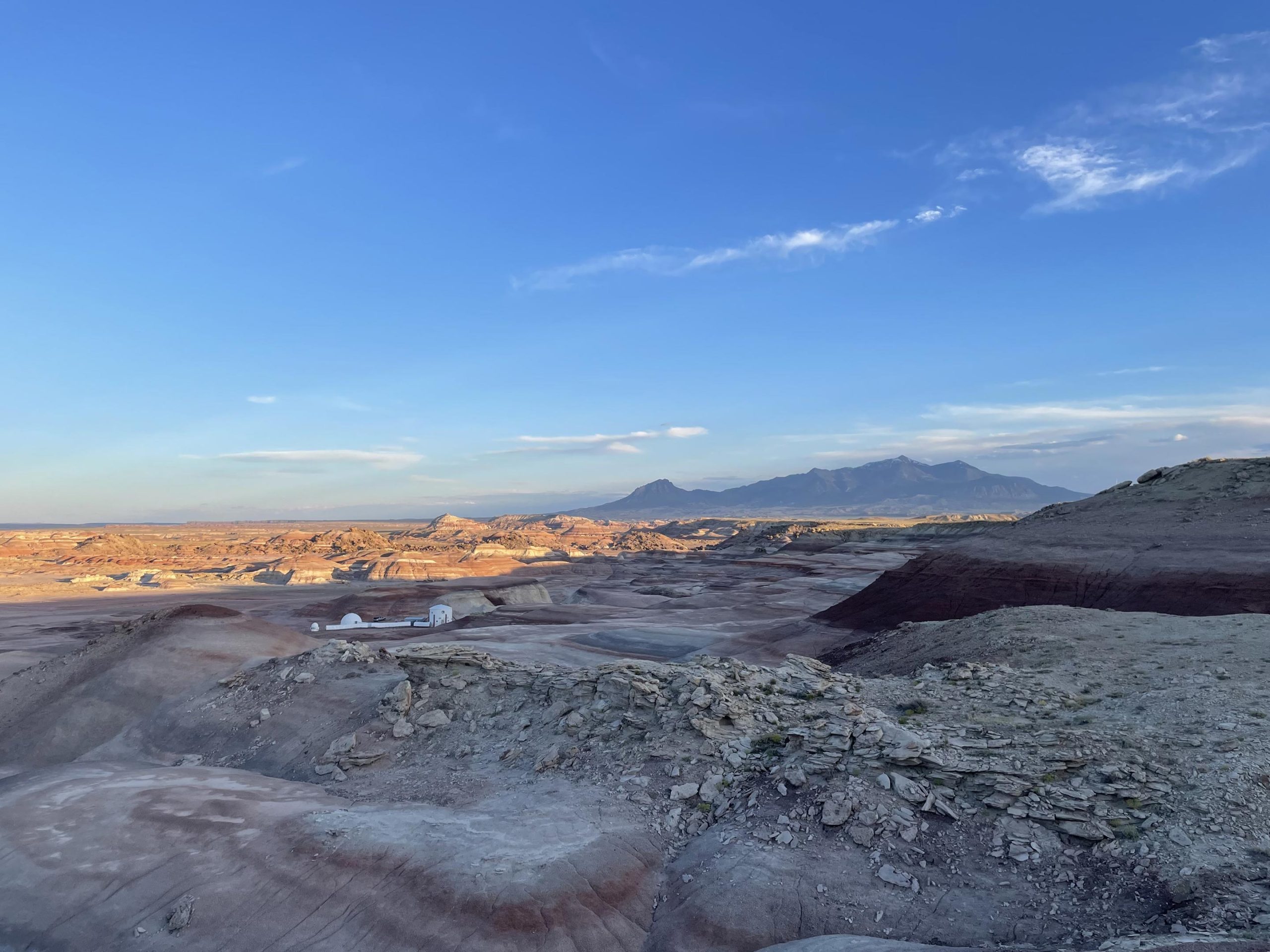
    Mars Desert Research Station
    The Mars Desert Research Station is nestled in amongst the red sandstone hills of southeast Utah, USA, in a geological analog to Mars. Credit: Paul Sokoloff/Canadian Museum of Nature

    Simulated Mars Missions and Biodiversity Studies

    The Mars Desert Research Station in Utah, USA (on Ute and Paiute Territory), and the Flashline Mars Arctic Research Station in Nunavut, Canada (in Inuit Nunangat, the Inuit Homeland) are simulated Martian habitats operated by The Mars Society, where crews participate in dress rehearsals for crewed Martian exploration.

    While learning what it would take to live and work on our planetary neighbor, these “Martians” frequently study the deserts at both sites, often exploring techniques for documenting microbial life and their biosignatures as a prelude to deploying these tools and methods off-world.

    These studies are enhanced by a comprehensive understanding of the ecosystems being studied, even if they are full of Earthbound life. During the Mars 160 – a set of twin missions to both Utah and Nunavut in 2016 and 2017 – the research team undertook a floristic survey of the lichen biodiversity present at each site.
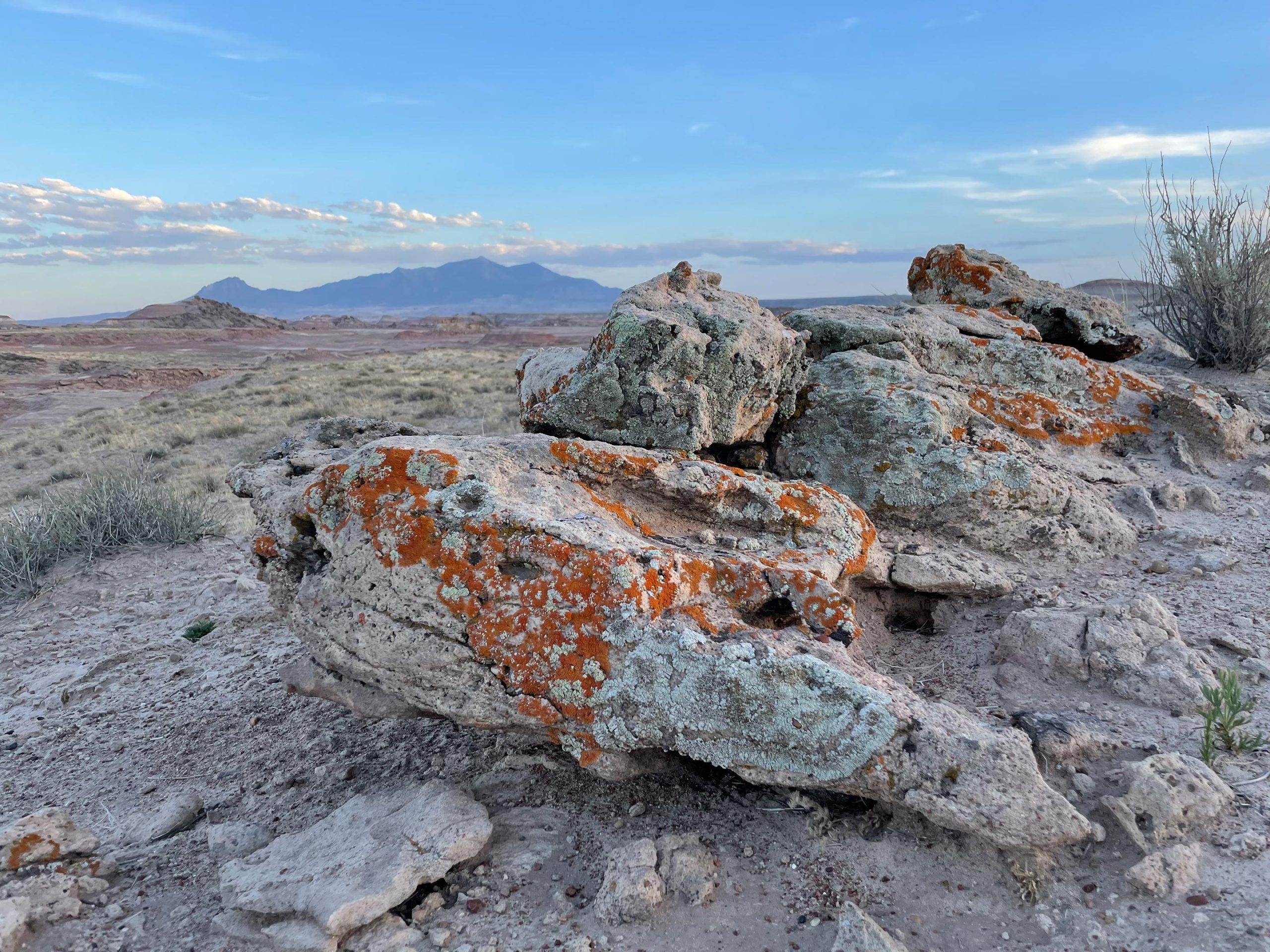
    Lichen Communities Near Mars Desert Research Station
    Rich lichen communities are abundant in the deserts surrounding the Mars Desert Research Station, with visible crusts being one part of a vibrant ecosystem. Credit: Paul Sokoloff/Canadian Museum of Nature

    Collecting and Identifying Lichens in Martian Analogs

    During simulated extra-vehicular activities, Mars 160 mission specialists wearing simulated spacesuits scouted out various habitats at both stations, seeking out lichen species growing in various microhabitats. Collecting over 150 specimens, these samples were “returned to Earth” and identified at the National Herbarium of Canada at the Canadian Museum of Nature.

    Through morphological examination, investigations of internal anatomy and chemistry, and DNA barcoding, “Mission Support” identified 35 lichen species from the Mars Desert Research Station and 13 species from the Flashline Mars Arctic Research Station.
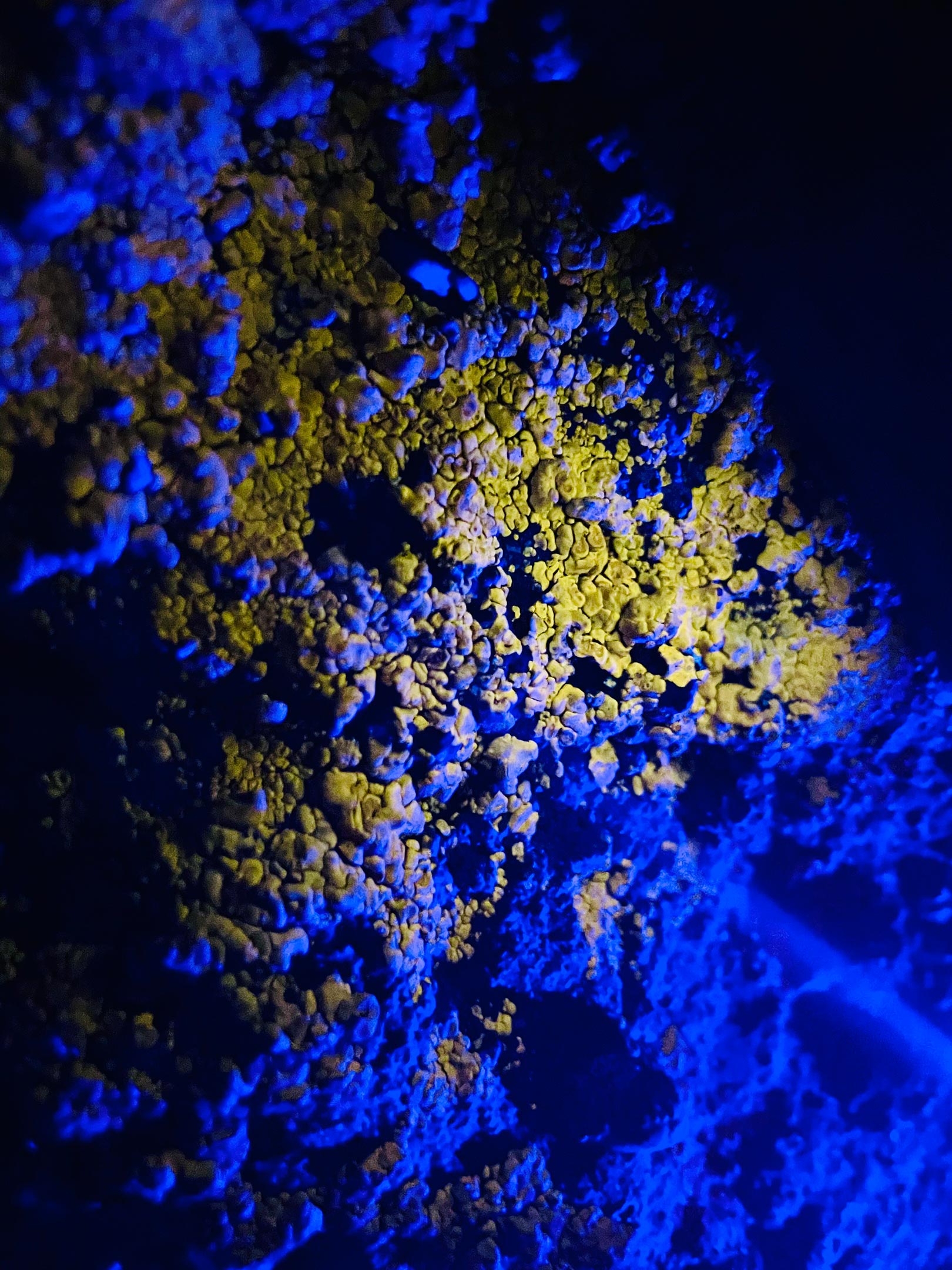
    Acarospora socialis
    The Bright Cobblestone Lichen (Acarospora socialis) fluoresces bright yellow under ultraviolet light on rocky outcrops near the Mars Desert Research Station. This fluorescence is one of many key characteristics useful in identifying lichen species. Credit: Paul Sokoloff/Canadian Museum of Nature

    Contributions to Lichenology and Astrobiology

    These species, along with photographs and a synopsis of their identifying characteristics, are summarized in a new paper recently published in the open-access journal Check List. This new annotated checklist should prove useful to future crews working at both analog research stations while also helping Earthly lichenologists better understand the distribution of these fascinating organisms, including new records of rarely reported or newly described species from some of Earth’s most interesting and otherworldly habitats.
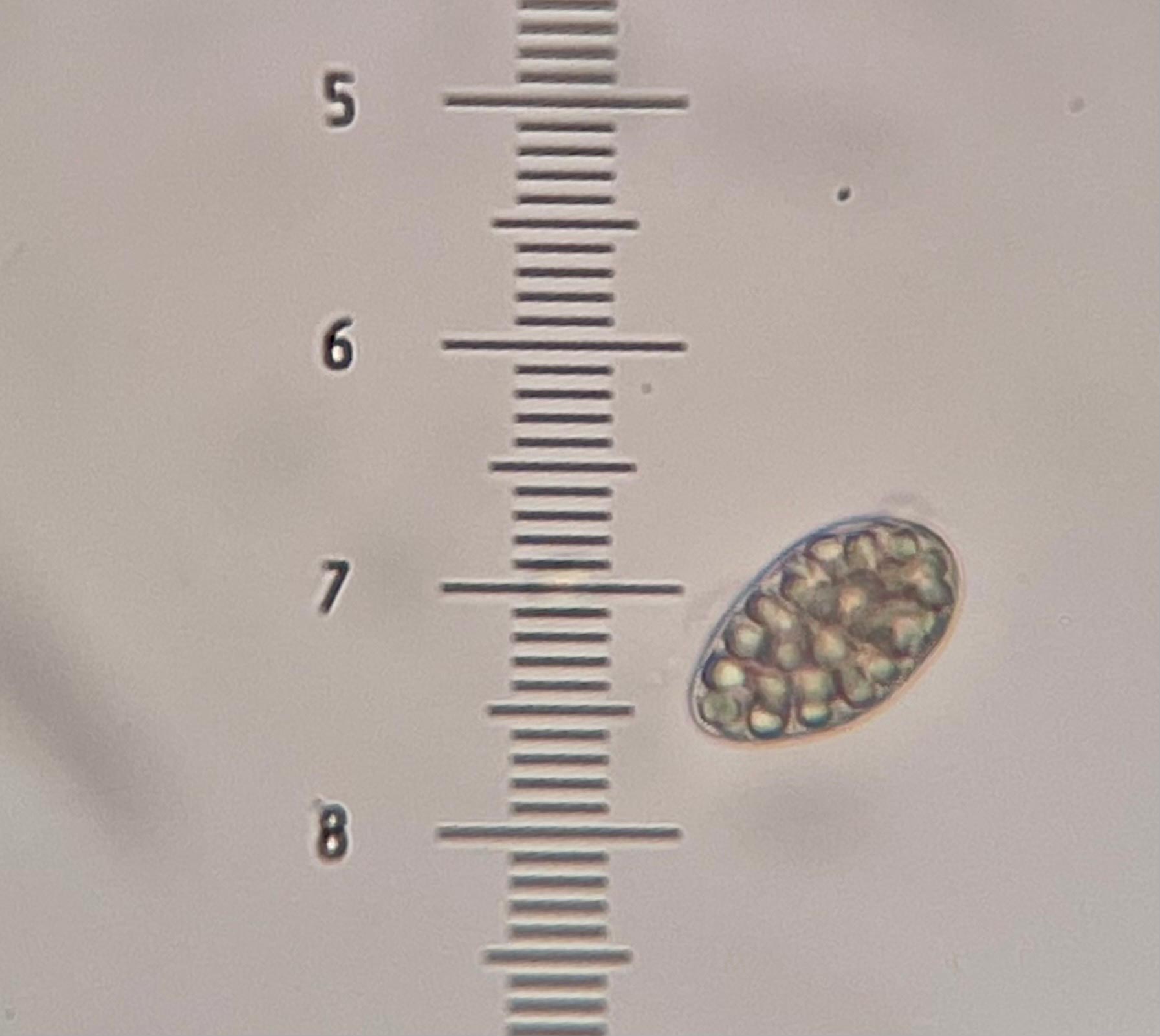
    Polyblastia hyperborea Spore
    An ascospore from a Northern Polyblastia Lichen (Polyblastia hyperborea) collected near the Flashline Mars Arctic Research Station in Nunavut, Canada. Spore morphology is another important character for lichen identification. Credit: Paul Sokoloff/Canadian Museum of Nature

    Reference: “An annotated checklist of the lichen biodiversity at two Mars analog sites: The Mars Desert Research Station (Utah, USA) and The Flashline Mars Arctic Research Station (Nunavut, Canada) recorded during the Mars 160 Mission” by Paul C. Sokoloff, Anushree Srivastava, R. Troy McMullin, Jonathan Clarke, Paul Knightly, Anastasia Stepanova, Alexandre Mangeot, Claude-Michel Laroche, Annalea Beattie and Shannon Rupert, 8 October 2024, Check List.
    DOI: 10.15560/20.5.1096

    Never miss a breakthrough: Join the SciTechDaily newsletter.
    Follow us on Google and Google News.

    Arctic Astrogeology Ecosystems Lichens Mars Pensoft Publishers Popular Space Station
    Share. Facebook Twitter Pinterest LinkedIn Email Reddit

    Related Articles

    Asian Hornets Are Invading Europe – Here’s What It’s Going to Cost

    Life Discovered in Solid Rock Millions of Years Old – Inspires New Search for Life on Mars

    New Snail Discovered by Citizen Scientists Named After Greta Thunberg

    Scientists Document Summer Surge of Great White Sharks

    Permian Ecosystems Tell Us A Lot About Modern Earth

    Marine Reserves Enhance Resilience to Climatic Impacts & Aid in Ecosystem Recovery

    Arctic Biologist Alexander Semenov’s Striking Underwater Arctic Sea Life Photos

    First Direct Observation of an Under-Ice Algal Bloom in the Arctic

    Recreational Fishing is Causing the Collapse of Cape Cod’s Salt Marsh Ecosystems

    3 Comments

    1. Boba on November 5, 2024 7:01 pm

      Then send it there with Musk, to keep him company.

      Reply
    2. Ken Towe on November 6, 2024 6:26 am

      They can’t simulate a planet that has no liquid water, no oxygen and no protection from the Sun’s UV radiation.

      Reply
    3. DC Kidd on December 21, 2024 7:06 pm

      If there’s an Earthly life form that could Live on Mars it’s gotta be lichen. Maybe Barnacles as well if they find permanent liquid water.

      Reply
    Leave A Reply Cancel Reply

    • Facebook
    • Twitter
    • Pinterest
    • YouTube

    Don't Miss a Discovery

    Subscribe for the Latest in Science & Tech!

    Trending News

    Popular Sugar-Free Sweetener Linked to Liver Disease, Study Warns

    What Is Hantavirus? The Deadly Disease Raising Alarm Worldwide

    Scientists Just Discovered How the Universe Builds Monster Black Holes

    Scientists Unveil New Treatment Strategy That Could Outsmart Cancer

    A Simple Vitamin May Hold the Key to Treating Rare Genetic Diseases

    Scientists Think the Real Fountain of Youth May Be Hiding in Your Gut

    Ravens Don’t Follow Wolves, They Predict Them

    This Common Knee Surgery May Be Doing More Harm Than Good

    Follow SciTechDaily
    • Facebook
    • Twitter
    • YouTube
    • Pinterest
    • Newsletter
    • RSS
    SciTech News
    • Biology News
    • Chemistry News
    • Earth News
    • Health News
    • Physics News
    • Science News
    • Space News
    • Technology News
    Recent Posts
    • Why Are So Many New Fathers Dying? Scientists Say the U.S. Has a Dangerous Blind Spot
    • Scientists Identify Simple Supplement That Greatly Reduces Alzheimer’s Damage
    • You May Have a Dangerous Type of Cholesterol Even if Your Tests Look Normal
    • Study Reveals Dangerous Flaw in AI Symptom Checkers
    • New MRI Breakthrough Captures Stunningly Clear Images of the Eye and Brain
    Copyright © 1998 - 2026 SciTechDaily. All Rights Reserved.
    • Science News
    • About
    • Contact
    • Editorial Board
    • Privacy Policy
    • Terms of Use

    Type above and press Enter to search. Press Esc to cancel.