
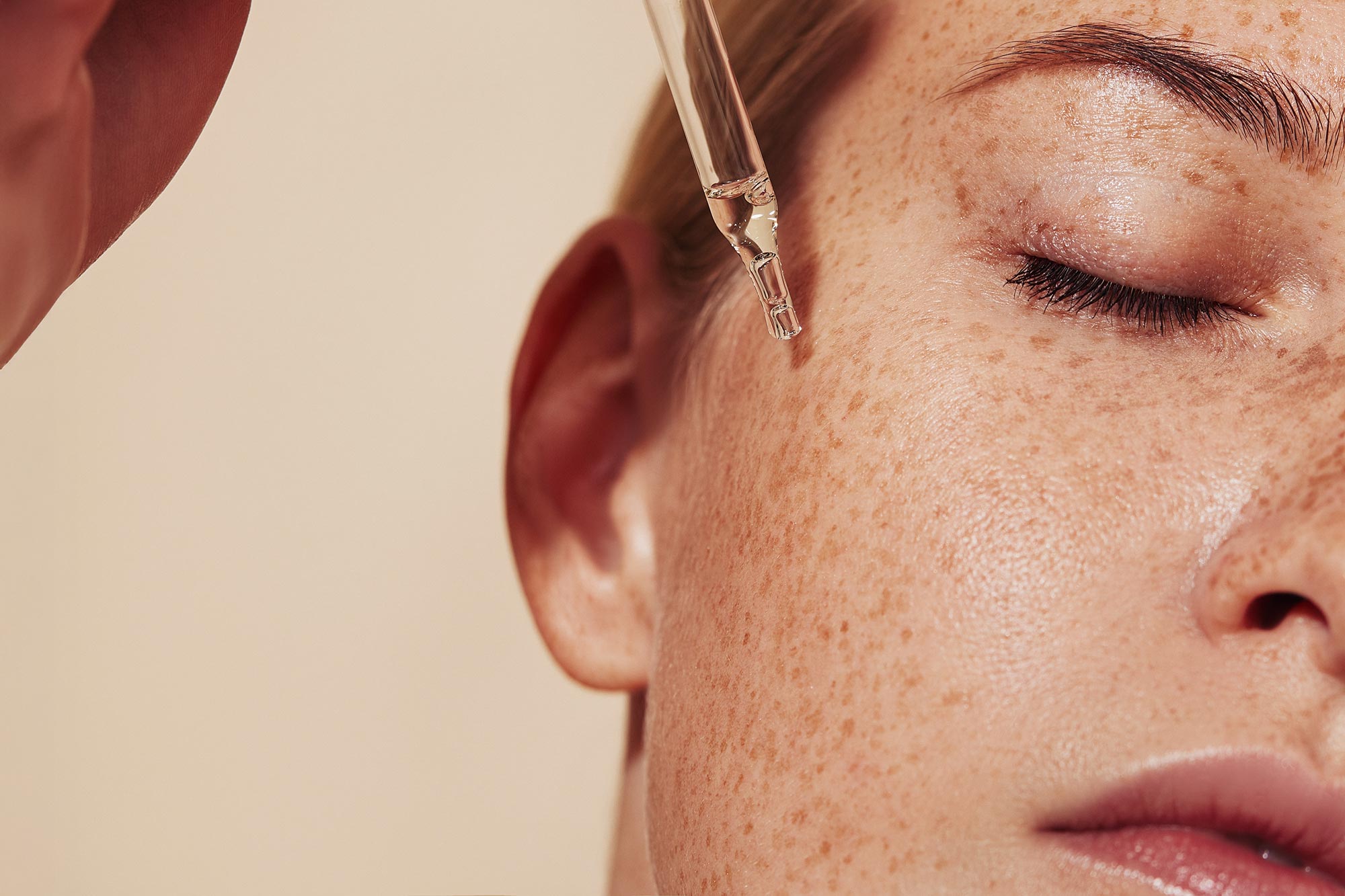
Students and dermatologists at Penn set out to discover how rosemary and its extract could heal damaged skin without leaving scars.
The growing social media craze promoting rosemary and rosemary extract in skincare routines now has scientific evidence to support it. Researchers from the Perelman School of Medicine at the University of Pennsylvania report in JCI Insight that a natural compound found in rosemary leaves could play a key role in improving wound healing and reducing the formation of scars.
“Many skin injuries end in scars, and in some people, it can lead to long-term cosmetic and even functional issues,” said senior author Thomas Leung, MD, PhD, an associate professor of Dermatology at Penn. “Our findings suggest that rosemary extract, and specifically the antioxidant, carnosic acid, can shift the healing process from scarring to healthy skin regeneration. We don’t have proven ways to consistently do that in humans.”
The hypothesis behind the hype
The idea for the study began in an unexpected place: TikTok and Instagram. After noticing that beauty influencers and skincare enthusiasts were sharing claims about rosemary’s ability to promote healing, Penn undergraduate student Jiayi Pang and PhD candidate Emmanuel Rapp Reyes became curious. They approached Leung for guidance and decided to put those viral claims to the test through controlled laboratory experiments.
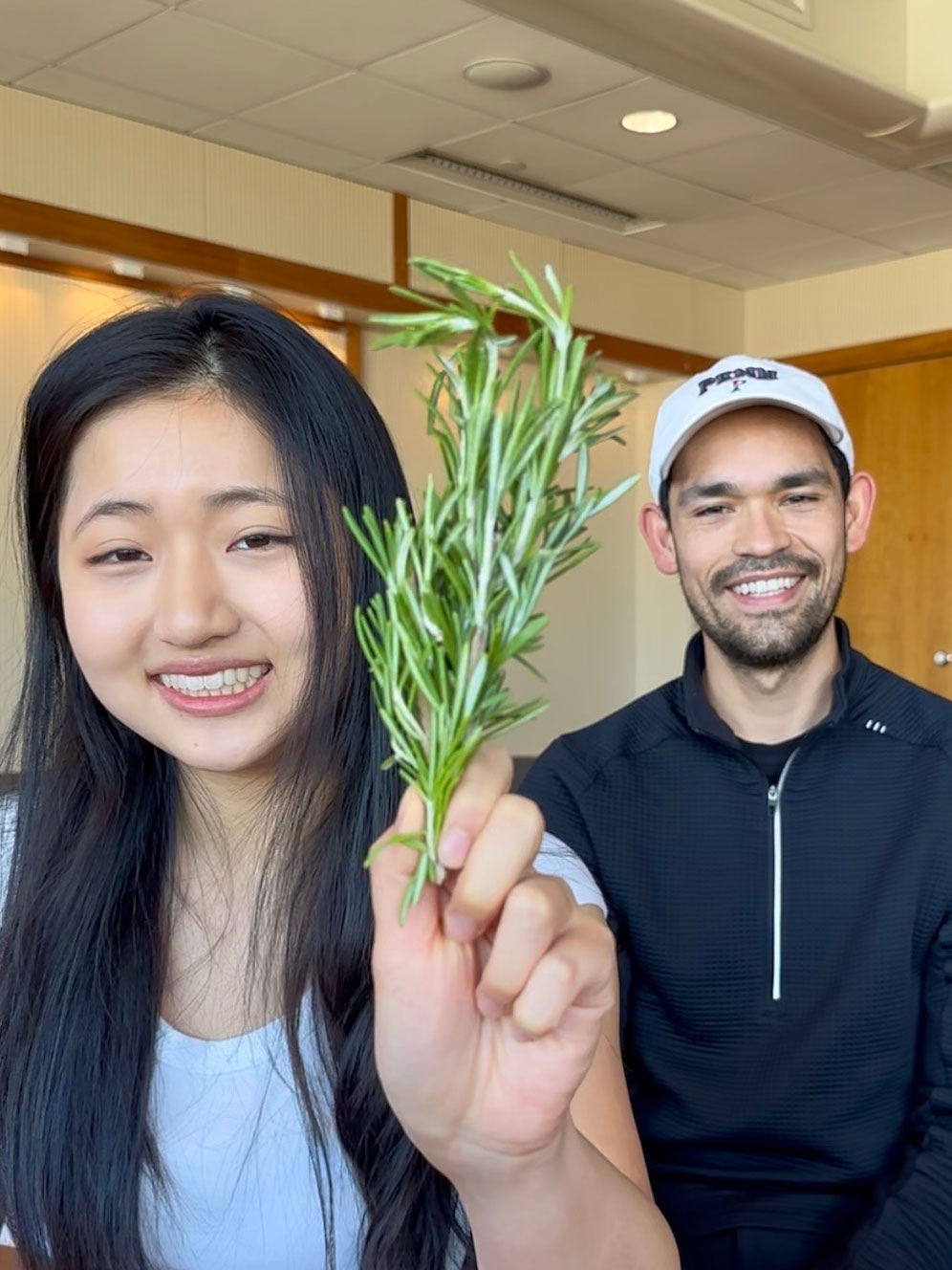
“We hypothesized there was likely something real behind the hype because rosemary contains many antioxidants,” said Pang, co-lead author of the study. “But we knew in order to really uncover its potential, we needed to prove its healing properties and uncover how exactly it was facilitating healing.”
From Antioxidants to Scarless Healing
Conducting the research in mice, the researchers made cream with carnosic acid, a naturally occurring antioxidant mostly existing in rosemary, to accelerate wound closure and restore hair follicles, oil glands, and cartilage. They also found that a particular nerve sensor in the skin previously identified as essential to scarless healing, TRPA1, was critical for stimulating the healing in this instance, too. When tested in mice without the TRPA1 sensor, which previous research from Leung showed is responsible for scarless healing, carnosic cream lost its impact.
“We also identified other herbs, such as thyme and oregano, that may activate TRPA1. But rosemary stood out for its potency and safety,” said Rapp Reyes, co-lead author of the study. “Other natural ingredients, such as mustard oil, or the topical medication imiquimod, are known to also stimulate the TRPA1 receptor, but unlike rosemary, those can cause irritation and inflammation,”
The researchers also found a localized effect from rosemary; scarless healing only occurred when carnosic acid cream was applied to the site of the injury, but not when it was applied to skin far from the wound.
The team at Penn, however, notes that individuals should speak with their doctors before incorporating rosemary skincare products in their daily regimens or mixing up their own rosemary-based concoctions. Nevertheless, given rosemary’s accessibility and low cost, the researchers hope their findings will inspire further investigation into its use in human wound care, especially for patients at risk of excessive scarring.
“If rosemary is part of your skincare regimen and you think it’s working, it likely is,” said Leung. “I’m proud that the young scientists that led this research sought answers to questions in their everyday lives.”
Reference: “Carnosic acid in topical rosemary extract enhances skin repair via TRPA1 activation” by Emmanuel Rapp, Jiayi Pang, Borna Saeednia, Stephen Marsh Prouty, Christopher A. Reilly and Thomas H. Leung, 23 October 2025, JCI Insight.
DOI: 10.1172/jci.insight.196267
Never miss a breakthrough: Join the SciTechDaily newsletter.
Follow us on Google and Google News.
2 Comments
Try ketoconazole 2% ointment. Does a great job healing scars, eliminating dark shadows under eyes and more. It’s primarily prescribed for athlete’s foot and eczema but works amazing on the other areas I mentioned.
tea tree oil also heals the skin without scars.
You can find it under it’s latin name melaleuca alternifolia.
The aboriginals know and use this for ages.