
Repurposing drugs gives old medicines new life.
A study led by the University of Barcelona suggests pemafibrate, a drug currently used in Japan to enhance blood lipid levels in hyperlipidemia patients, particularly diabetics, could be effective in treating liver disease linked to metabolic disorders. This type of liver disease is the most prevalent worldwide, affecting one in four individuals and currently lacks a specific treatment.
The study, carried out on laboratory animal models and published in the journal Biomedicine & Pharmacotherapy, was conducted by a team led by Professor Juan Carlos Laguna, from the UB’s Faculty of Pharmacy and Food Sciences, the UB Institute of Biomedicine (IBUB) and the Physiopathology of Obesity and Nutrition Networking Biomedical Research Centre (CIBEROBN). The study has been carried out in collaboration with the research group of Professor Conxita Amat, from the Department of Biochemistry and Physiology of the same UB faculty, and the UB’s Nutrition and Food Safety Research Institute (INSA-UB), based at the Torribera Food Campus.
Drug repurposing: a new life for medicines
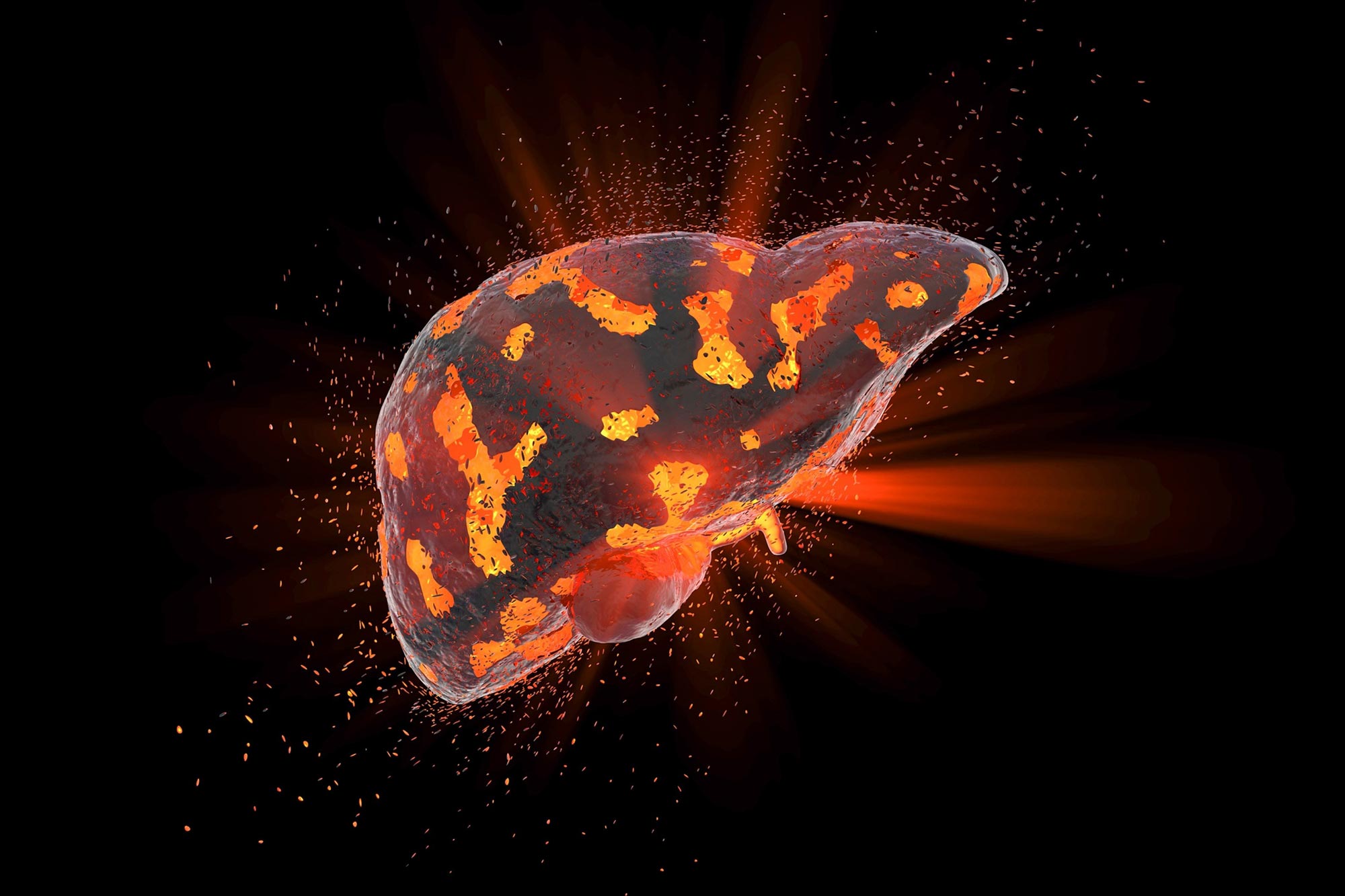
Metabolic dysfunction-associated steatotic liver disease (MASLD) is a condition formerly known as non-alcoholic fatty liver disease. It is a multisystem disorder, with a very heterogeneous origin and a diverse course that can degenerate into cirrhosis, liver cancer, or liver failure. It usually has no clear symptomatology and the early stages can last for decades.
Today, pemafibrate is used to treat alterations in blood cholesterol and triglyceride levels (dyslipidaemia). According to the new paper, it could also open a new therapeutic avenue to address MASLD in the context of drug repositioning, i.e. the use of known and approved drugs in clinical practice to treat other pathologies. This strategy makes it possible to fully exploit the therapeutic potential of drugs and thus reduce the time and economic costs of bringing another drug to market to treat diseases without effective therapy.
“The common pathological manifestation of MASLD is hepatic steatosis (fatty liver disease, or SLD). Although it can be reversed with lifestyle changes, diet, and exercise, in practice it is difficult to control and there are no specific drugs to treat it. The repositioning of drugs with a good safety profile for clinical use in other pathologies is an optimal approach to finding new treatments”, says Professor Juan Carlos Laguna, from the Department of Pharmacology, Toxicology, and Therapeutic Chemistry.
In an experimental model of SLD in female rats, pemafibrate prevents the development of hepatic steatosis, increases fatty acid catabolism and cholesterol clearance in the liver, and shows a good safety profile. As the preclinical study was conducted in female rats, the findings could also help to identify sex differences in the physiology of chronic diseases and thus reduce gender bias in biomedical research.
“Pemafibrate is a new modulator of the transcriptional activity of the nuclear receptor PPAR-α (peroxisome proliferator-activated receptor alpha), which increases the hepatic oxidation of fatty acids, necessary for the synthesis of triglycerides and cholesterol esters — which accumulate pathologically in the liver in SLD — and also for bile acids, which favors the elimination of cholesterol from the body”, the researcher explains.
These results suggest that pemafibrate is a good candidate for therapeutic repositioning to treat SLD. “To our knowledge, this drug has not been used in the context of pharmacological repositioning, apart from a few exploratory clinical studies on its effects in liver pathology. Now we want to study its efficacy and safety in experimental models of more advanced liver disease, with the presence of inflammation and fibrosis in metabolic associated steatohepatitis (MASH),” concludes Professor Laguna.
Reference: “Pemafibrate abrogates SLD in a rat experimental dietary model, inducing a shift in fecal bile acids and microbiota composition” by Roger Bentanachs, Lluïsa Miró, Rosa M. Sánchez, Patricia Ramírez-Carrasco, Concepció Amat, Marta Alegret, Anna Pérez, Núria Roglans and Juan C. Laguna, 29 June 2024, Biomedicine & Pharmacotherapy.
DOI: 10.1016/j.biopha.2024.117067
Never miss a breakthrough: Join the SciTechDaily newsletter.
Follow us on Google and Google News.
1 Comment
To repurpose an old drug for a newly relabeled disease that can be mitigated with diet and lifestyle changes alone is not only ignorant and incompetent, it’s just plain stupid. The ultimate purpose of medicine should be to prevent and/or cure disease, not to create perpetual life diminishing treatments. For more on the probably cause of MASLD (by any name) see the “About” page of my non-monetary video channel: https://odysee.com/@charlesgshaver:d?view=about