
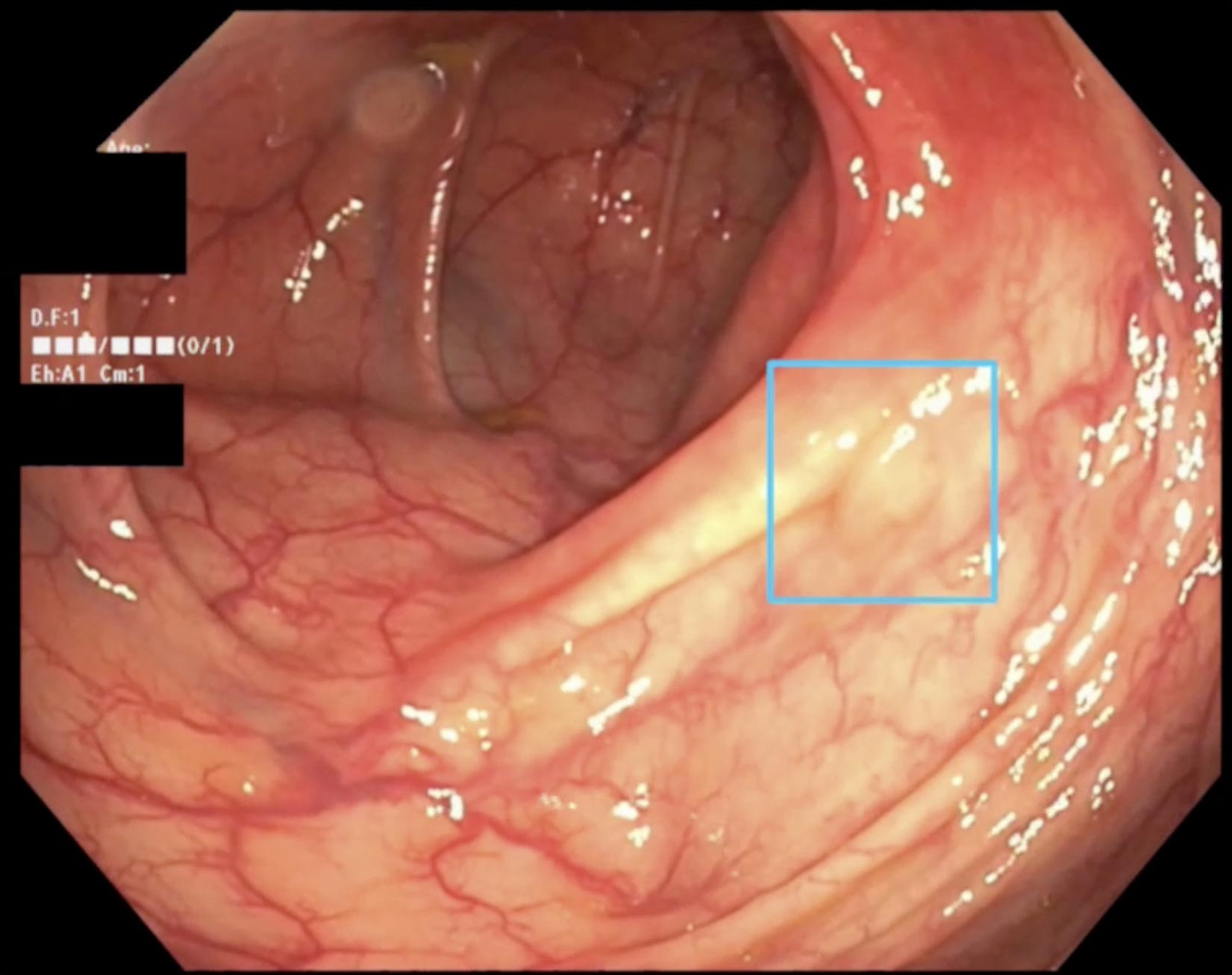
AI-assisted colonoscopy detects more polyps, but whether that reduces cancer rates is uncertain.
The American Gastroenterological Association stops short of recommending AI, emphasizing the need for more research.
AI in Colonoscopy
The American Gastroenterological Association (AGA) has released new clinical guidelines on using artificial intelligence (AI) in colonoscopy. The guidelines do not take a stance for or against computer-aided detection (CADe) systems, as current evidence remains inconclusive. While AI-assisted technology has been shown to improve polyp detection, its effectiveness in reducing colorectal cancer cases, the third most common cancer worldwide, remains uncertain.
Colonoscopy is performed over 15 million times annually in the U.S. and is a key tool for detecting and preventing colorectal cancer. CADe systems can increase the number of polyps found during screenings, but whether this leads to fewer cancer cases is still unknown.
AI Shows Promise, But Uncertainty Remains
“We are confident that using AI will lead to more polyps removed and more colonoscopies,” said guideline author Benjamin Lebwohl, MD, AGAF, who said he encouraged his institution to adopt the technology. “We’re less sure about the extent to which it will lead to less colon cancer. AI-assisted colonoscopy technology is promising and exciting. It’s reasonable for practitioners to use the tech now, but we’re not yet at a point where we can recommend universal adoption.”
With a growing number of studies evaluating the impact of AI-driven polyp detection, AGA is the first gastroenterological society in the U.S. to tackle an AI guideline for polyp detection. Data were evaluated using the rigorous GRADE process, and the final recommendation reflects significant input from GIs in community and academic practices. The guideline highlights key knowledge gaps that future studies need to address.
Challenges and Risks of AI-Assisted Colonoscopy
Currently, CADe systems predominantly drive up the detection of low-risk polyps, which may result in more frequent and costly follow-up colonoscopies with uncertain benefits in preventing cancer, guideline authors said. Widespread adoption could also strain resources, limiting access for high-risk patients who need colonoscopies most.
“If AI is going to be impactful, it needs to be better than the human eye,” said guideline author Shahnaz Sultan, MD, MHSc, AGAF. “Right now, AI is detecting easy-to-detect lesions. This is version 1.0. Before we can recommend everyone use AI, we need version 4.0, where it helps detect polyps that are truly difficult to find.”
Future Research and Next Steps
AGA plans to update the guideline in one to two years as more data linking the use of CADe in colonoscopy to improve patient outcomes becomes available. Key areas for future research include:
- Practitioner guidance: Clinicians should not feel obligated to use CADe but are encouraged to start as AI systems improve over time.
- Quality over quantity: The focus should be on patient outcomes, such as post-colonoscopy colorectal cancer rates, rather than just polyp detection.
- Rethinking surveillance: As CADe increases polyp detection, guidance on follow-up colonoscopy intervals should be reassessed.
- Transparency in AI research: More publicly available data is needed to ensure AI models are rigorously compared and improved.
Colorectal Cancer: Understanding the Disease
Colorectal cancer, also called colon cancer, develops when abnormal growths in the lining of the colon or rectum become cancerous. It is the third most common cancer worldwide and the third leading cause of cancer-related deaths in the United States.
Most cases begin as precancerous polyps, which are small growths that can take about 10 years to develop into cancer. The two main types linked to colorectal cancer are adenomatous polyps and serrated polyps. However, not all polyps pose the same risk: some, like hyperplastic and inflammatory polyps, are generally harmless.
Because polyps grow slowly, regular screening can help detect and remove them before they turn into cancer, making colonoscopy a crucial tool in prevention.
Reference: “AGA Living Clinical Practice Guideline on Computer-Aided Detection–Assisted Colonoscopy” by Shahnaz Sultan, Dennis L. Shung, Jennifer M. Kolb, Farid Foroutan, Cesare Hassan, Charles J. Kahi, Peter S. Liang, Theodore R. Levin, Shazia Mehmood Siddique and Benjamin Lebwohl, 20 March 2025, Gastroenterology.
DOI: 10.1053/j.gastro.2025.01.002
Never miss a breakthrough: Join the SciTechDaily newsletter.
Follow us on Google and Google News.
1 Comment
I don’t understand the problem. If you are doing a colonoscopy anway and have an AI assistant that finds a small polyp, then take it out.
This is just another example of a profit driven medical system that has to justify a monetary benefit for everything.