
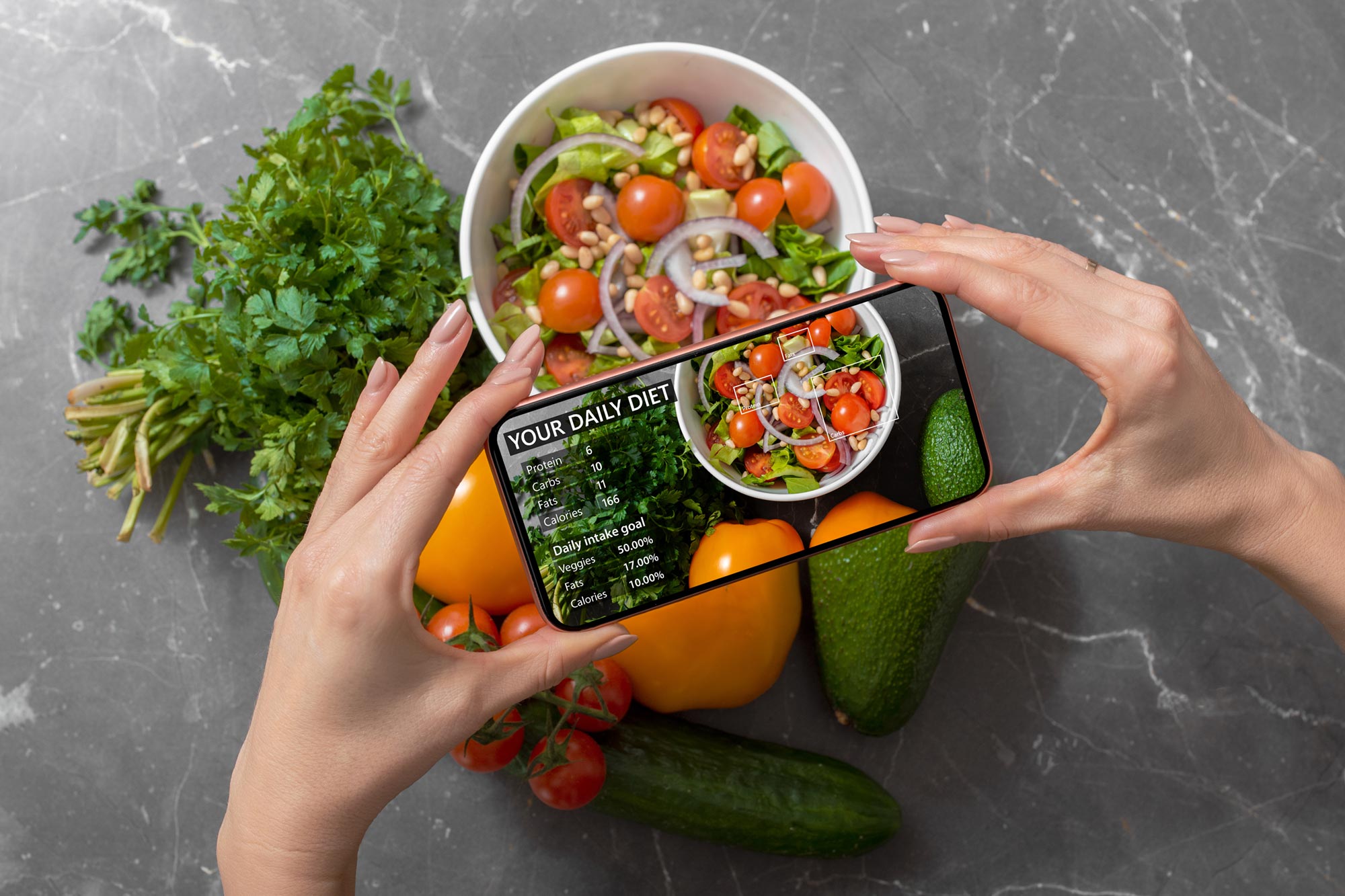
A new AI system can suggest just a few targeted ingredient swaps that make meals healthier and cheaper without dramatically changing what people already eat.
Researchers at the University of California, Davis, have developed an artificial intelligence system that can make meals healthier and more affordable by recommending as few as one to three ingredient substitutions, according to a study published in the open-access journal PLOS Digital Health.
Although nutrition guidelines for reducing the risk of diseases such as diabetes and cardiovascular disease are well established, many people struggle to apply that advice to the meals they eat every day. Existing dietary tools often require major changes, which can be difficult to maintain or confusing to put into practice.
For the study, researchers analyzed 135,491 meals recorded by 55,228 adults participating in the What We Eat in America survey. They identified common breakfast, lunch, and dinner patterns and trained a generative AI model to create realistic meals that matched those patterns while adjusting portion sizes. The team then evaluated whether the model could improve nutrition and cost by recommending one, two, or three ingredient substitutions.
AI Generates Healthier, Lower-Cost Meals
Compared with actual meals in the same dietary categories, the AI-generated meals came 47% closer to meeting USDA nutrition targets while remaining similar in style and flavor to foods people already consume. Making one to three ingredient substitutions improved nutritional quality by about 10% and lowered estimated meal costs by 22% to 34%. The most frequent recommendations included adding vegetables or legumes and replacing highly processed or high-sodium foods.
The specialized model also outperformed GPT-4o, producing meals that aligned more closely with USDA macronutrient recommendations. The researchers note that the findings are based entirely on computer simulations and have not yet been validated with real users. Even so, they believe the approach could help people make practical improvements to their diets.
“By turning dietary guidelines into realistic, budget-aware meals and simple swaps, this framework can support public health programs and consumer apps,” the authors write.
Small Ingredient Swaps, Big Nutrition Benefits
Chan and Tagkopoulos summarize, “Dietary guidelines often tell people what a healthy diet should look like, but they do not always show how to get there from the meals people already eat. Our study shows that it is possible to translate dietary standards into practical meal-level changes by identifying a small number of ingredient substitutions that can make meals healthier and cost-effective, while keeping them recognizable… [W]hat we found most interesting is that improving meals does not necessarily require a complete redesign. In many cases, targeted substitutions may be enough to move a meal closer to dietary recommendations, which could make healthy eating feel more practical and achievable.”
They add, “Healthier eating does not have to mean giving up the meals people already enjoy. With AI, we can identify small ingredient substitutions that preserve taste while being better for our health and our pocket.”
Reference: “Translating dietary standards into healthy meals with few-ingredient substitutions” by Trevor Chan and Ilias Tagkopoulos, 28 May 2026, PLOS Digital Health.
DOI: 10.1371/journal.pdig.0001367
This work was supported by the USDA-NIFA AI Institute for Next-Generation Food Systems (AIFS), award number 2020-67021-32855 (I.T.), and by the NSF HDR: TRIPODS program, grant CCF-1934568 (I.T.). T.C. received salary support from both grants.
Never miss a breakthrough: Join the SciTechDaily newsletter.
Follow us on Google and Google News.
1 Comment
Um, so which of the food pyramids will be used as the standard? The RFKjr one, or the pre-RFK one?