
Close Menu
    Facebook X (Twitter) Instagram
    SciTechDaily
    • Biology
    • Chemistry
    • Earth
    • Health
    • Physics
    • Science
    • Space
    • Technology
    Facebook X (Twitter) Pinterest YouTube RSS
    SciTechDaily
    Home»Biology»Ancient “Black Box” Opened: Researchers Extract Secrets From 200-Year-Old Brains
    Biology

    Ancient “Black Box” Opened: Researchers Extract Secrets From 200-Year-Old Brains

    By University of OxfordJune 4, 2025No Comments6 Mins Read
    Facebook Twitter Pinterest Telegram LinkedIn WhatsApp Email Reddit
    Share
    Facebook Twitter LinkedIn Pinterest Telegram Email Reddit
    Left Cerebral Hemisphere of an Adult Male Buried at the Site of the Former Blackberry Hill Hospital
    Left cerebral hemisphere of an adult male buried at the site of the former Blackberry Hill Hospital (Bristol, UK). The surface of the brain’s visible convolutions is stained red with iron oxides. Credit: Alexandra Morton-Hayward

    A new Oxford method retrieves proteins from ancient soft tissue, uncovering brain health markers and expanding knowledge of ancient disease and biology.

    Researchers at the Nuffield Department of Medicine, University of Oxford, have developed a new method that could soon unlock a vast amount of biological information stored in the proteins of ancient soft tissues. Their findings, which may mark the beginning of a new era in palaeobiological research, were recently published in PLOS ONE.

    Soft tissues such as the brain, muscle, stomach, and skin can reveal unique insights into the past and into the lives of individuals. However, this valuable source of information has remained mostly out of reach for scientists. In the new study, a team led by postgraduate researcher Alexandra Morton-Hayward (University of Oxford) introduced the first reliable method for extracting and identifying proteins from ancient soft tissues and tested it on archaeological samples of human brain tissue.
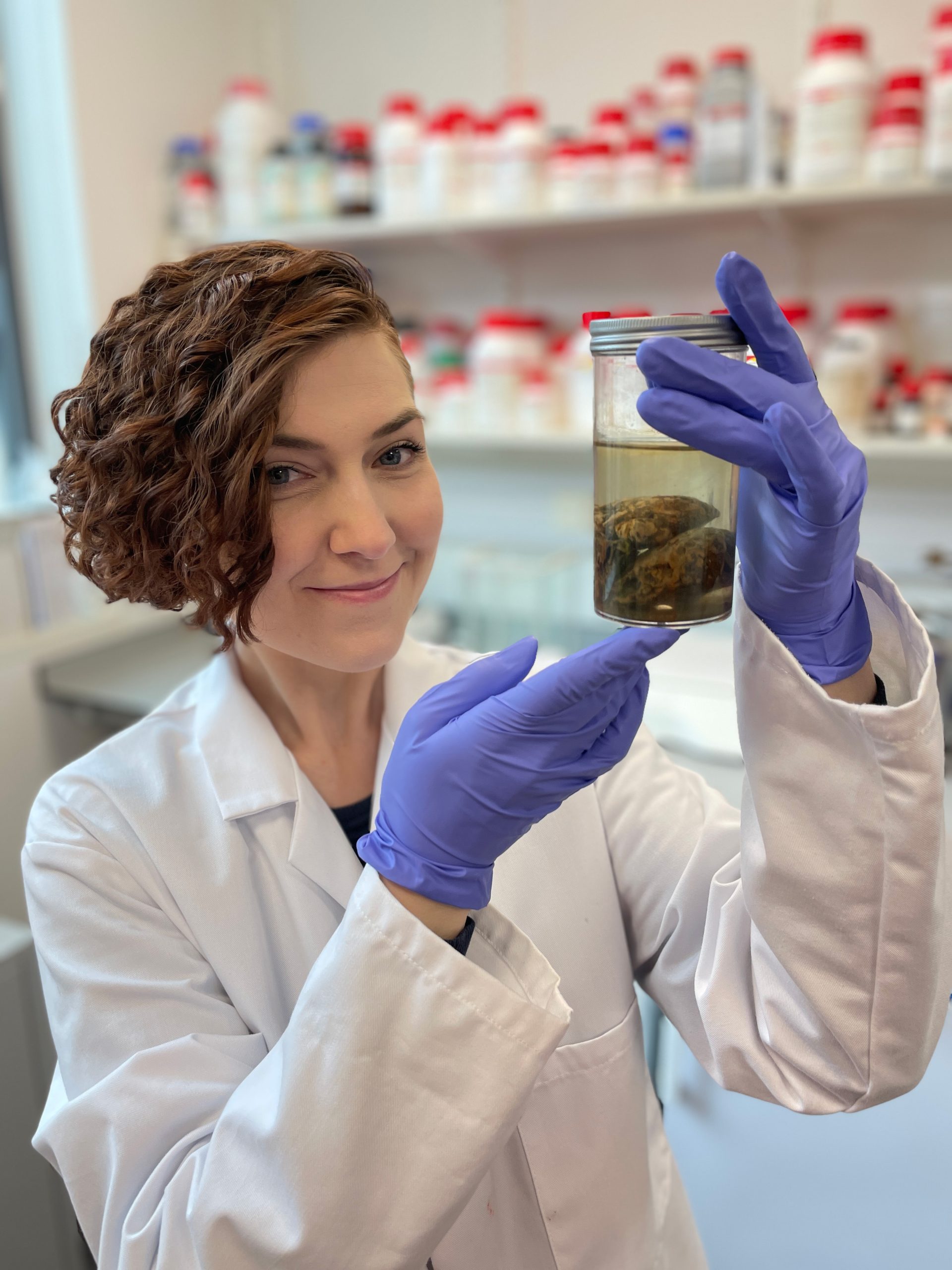
    Alexandra Morton Hayward
    Alexandra Morton-Hayward, forensic anthropologist and doctoral candidate at the University of Oxford, holds the two cerebellar hemispheres of a 200 year-old brain, preserved in formalin. Credit: Graham Poulter

    “Until now, studies on ancient proteins have been confined largely to mineralized tissues such as bones and teeth,” says Morton-Hayward. “But the internal organs – which are a far richer source of biological information – have remained a ‘black box’ because no established protocol existed for their analysis. Our method changes that.”

    Breaking open ancient cells

    One of the main challenges was finding a reliable way to break open the cell membranes and release the proteins inside. The team tested ten different approaches on samples taken from 200-year-old human brains excavated from a Victorian workhouse cemetery. They found that urea, a key component of urine, was effective at breaking down the cells and releasing the proteins.
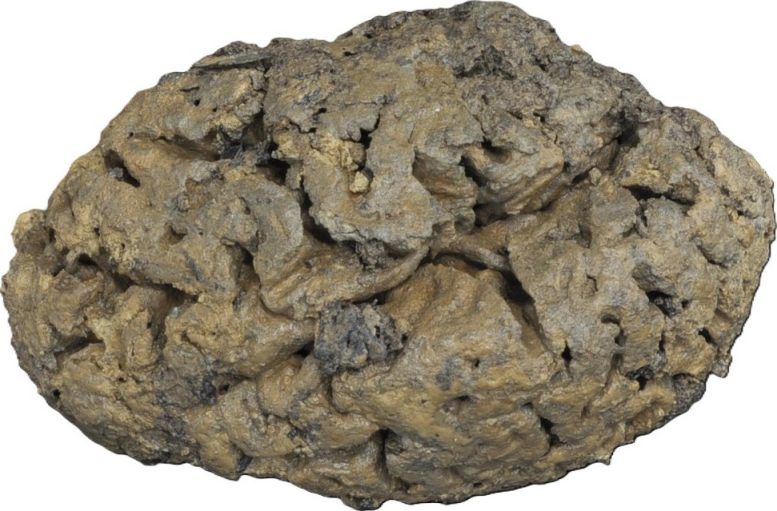
    Clay Coated Brain of a Buried Adult From Blackberry Hill Hospital Site Preserved in Waterlogged Grave Conditions
    Brain of an adult individual buried at the site of the former Blackberry Hill Hospital (Bristol, UK). The brain is coated with clay from the waterlogged grave. Credit: Alexandra Morton-Hayward

    Once extracted, the proteins were separated using liquid chromatography and then identified through mass spectrometry, a technique that distinguishes proteins based on their mass and electrical charge.

    To improve the process, the researchers added another step called high-field asymmetric-waveform ion mobility spectrometry, which separates ions based on how they move in an electric field. This combination increased the number of proteins identified by up to 40 percent, making the method especially effective for analyzing degraded or complex samples.
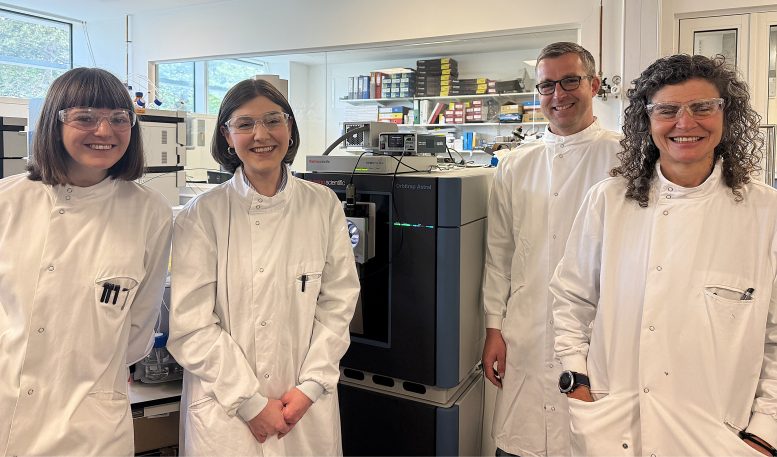
    Left to Right, Dr. Sarah Flannery, Alexandra Morton Hayward, Prof. Roman Fischer, and Dr. Iolanda Vendrell
    Authors of the study (left to right: Dr. Sarah Flannery, Alexandra Morton-Hayward, Prof. Roman Fischer, and Dr. Iolanda Vendrell) in the Mass Spectrometry Lab at the Centre for Medicines Discovery, Nuffield Department of Medicine, University of Oxford. Credit: Roman Fischer

    Morton-Hayward added: “It all comes down to separation: by adding additional steps, you are more likely to confidently identify molecules of interest. It is a bit like dumping out a bucket of Lego: if you can start to discriminate between pieces by color, then shape, then size, etc. the better chance you have of making something meaningful with it all.”

    Largest palaeoproteome ever recorded

    Using the combined method, the team identified over 1,200 ancient proteins from just 2.5 mg of sample – by far the largest and most diverse paleoproteome ever reported from any archaeological material.
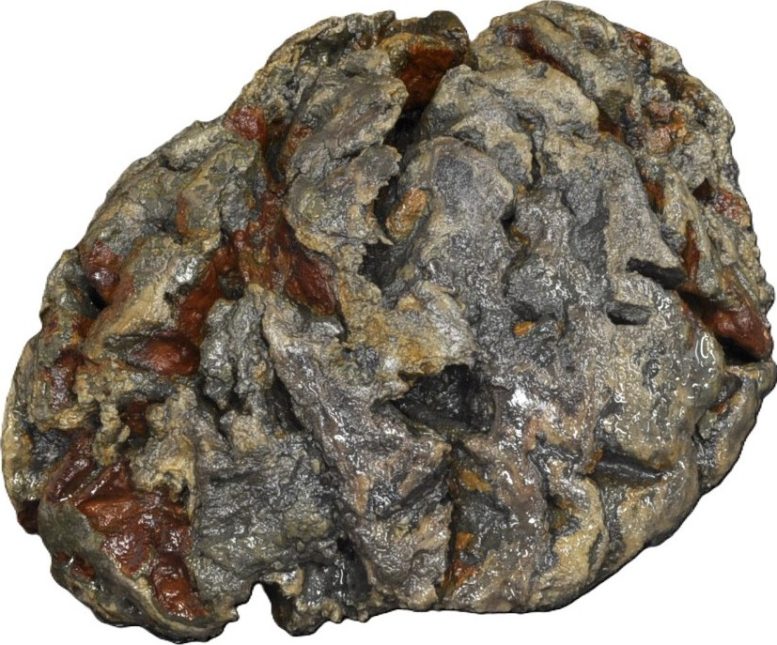
    Iron Oxide Staining in Cortical Convolutions From Blackberry Hill Hospital Burial Site
    Right cerebral hemisphere of an adult male buried at the site of the former Blackberry Hill Hospital (Bristol, UK). The depths of the brain’s visible convolutions are stained red with iron oxides. Credit: Alexandra Morton-Hayward

    The researchers point out that proteins are an ideal vehicle to navigate the recent and deep past, as they survive far longer in the archaeological record than DNA, and can tell us about the lived experience of an individual, beyond their genetic blueprint.

    Working at the Centre for Medicines Discovery at the University of Oxford, the team identified a diverse array of proteins that govern healthy brain function, reflecting the molecular complexity of the human nervous system – but also identified potential biomarkers of neurological diseases, like Alzheimer’s and multiple sclerosis.
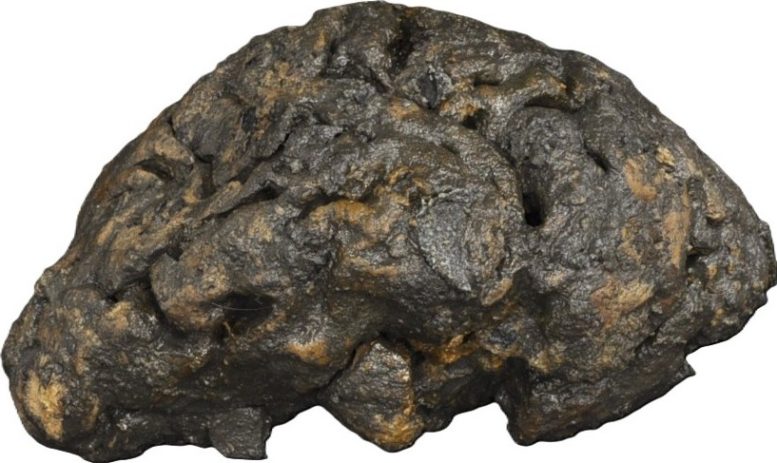
    Iron Oxide–Blackened Brain Tissue of a Buried Adult Individual From Blackberry Hill Hospital Excavation Site
    Brain of an adult individual buried at the site of the former Blackberry Hill Hospital (Bristol, UK). The brain tissue is stained black with iron oxides. Credit: Alexandra Morton-Hayward

    “The vast majority of human diseases – including psychiatric illness and mental health disorders – leave no marks on the bone, so they’re essentially invisible in the archaeological record,” says Morton-Hayward. “This new technique opens a window on human history we haven’t looked through before.”

    A leap beyond bones and DNA

    Since less than 10% of human proteins are expressed in bone compared to around 75% in internal organs, this technique promises to vastly expand our understanding of ancient diet, disease, environment, and evolutionary relationships. Senior author, Professor Roman Fischer, Centre for Medicines Discovery at the University of Oxford, added: “By enabling the retrieval of protein biomarkers from ancient soft tissues, this workflow allows us to investigate pathology beyond the skeleton, transforming our ability to understand the health of past populations.”
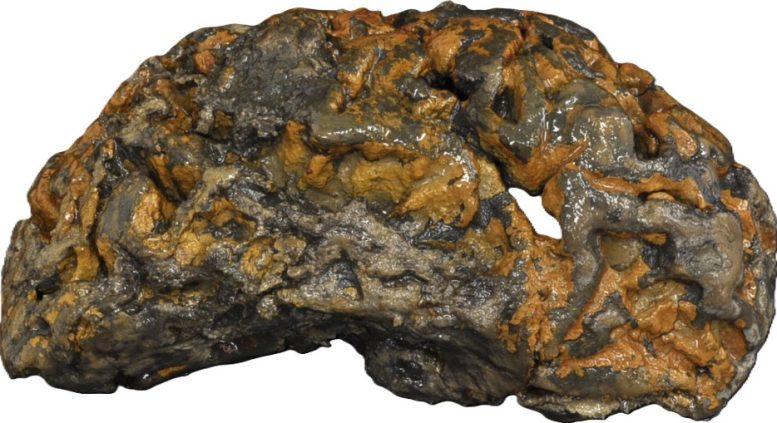
    Left Cerebral Hemisphere of a 19th Century Adult Male With Surface Iron Oxide Staining
    Left cerebral hemisphere of an adult male buried at the site of the former Blackberry Hill Hospital (Bristol, UK). The surface of the brain’s visible convolutions is stained orange with iron oxides. Credit: Alexandra Morton-Hayward

    The method has already attracted interest for its applicability to a wide range of archaeological materials and environments – from mummified remains to bog bodies, and from antibodies to peptide hormones.
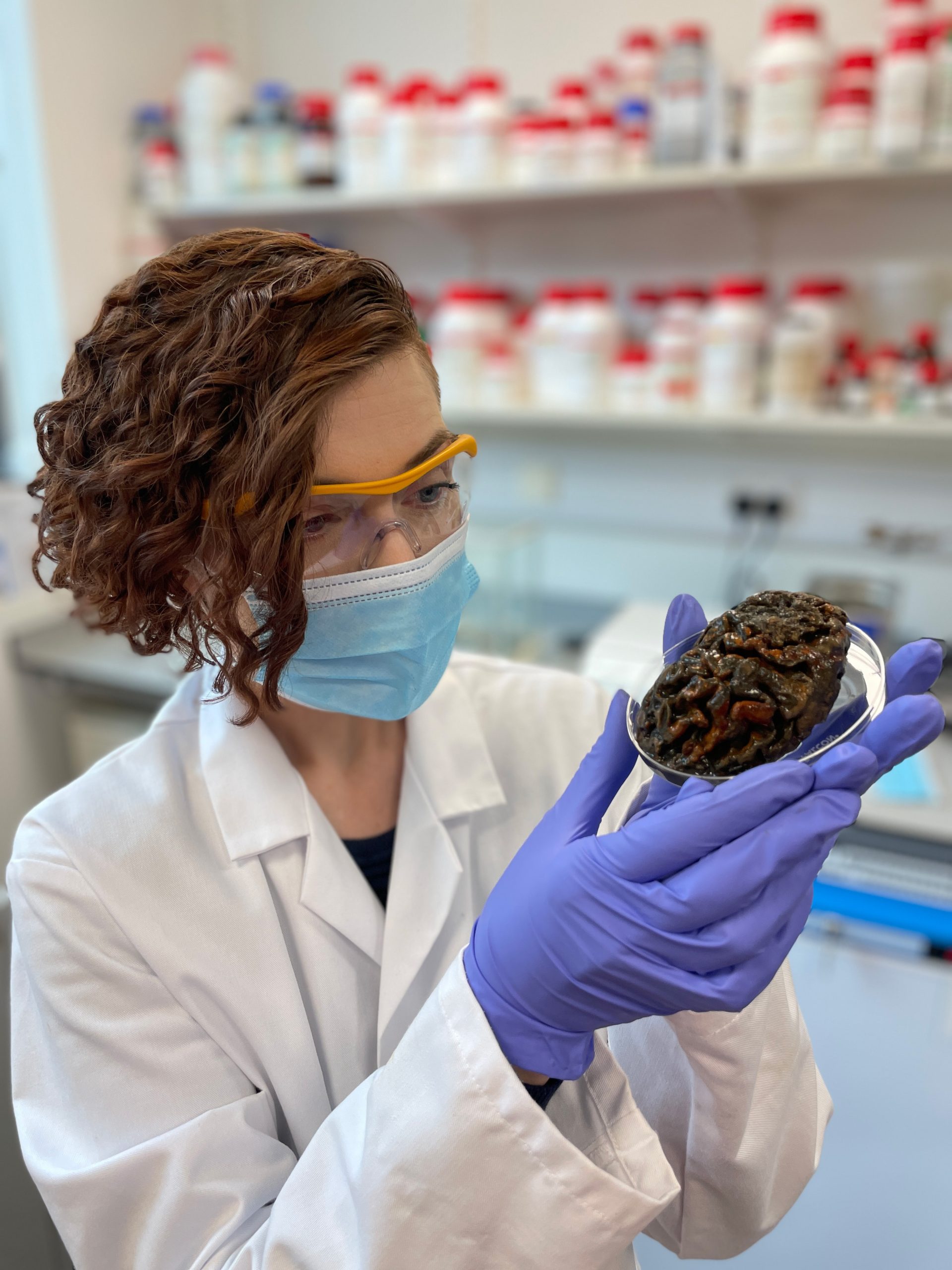
    Alexandra Morton Hayward Demonstrates the Preserved Neural Folds of a 1,000 Year Old Brain
    Alexandra Morton-Hayward, forensic anthropologist and doctoral candidate at the University of Oxford, demonstrates the preserved neural folds of a 1,000 year-old brain. Credit: Graham Poulter

    Dr Christiana Scheib, Department of Zoology at the University of Cambridge, who was not involved with the study, said: “Ancient soft tissues are so rarely preserved, yet could hold such powerful information regarding evolutionary history. It is key to first develop the best way to obtain relevant information from these materials, which is what this study does. This type of fundamental experimental work is crucial for the field to move forward. The study is well-designed and I look forward to seeing what will be gleaned from the future protein data that this work has enabled.”

    Reference: “Deep palaeoproteomic profiling of archaeological human brains” by Alexandra Morton-Hayward, Sarah Flannery, Iolanda Vendrell and Roman Fischer, 28 May 2025, PLOS ONE.
    DOI: 10.1371/journal.pone.0324246

    Never miss a breakthrough: Join the SciTechDaily newsletter.
    Follow us on Google and Google News.

    Anthropology Archaeology Paleobiology University of Oxford
    Share. Facebook Twitter Pinterest LinkedIn Email Reddit

    Related Articles

    3,000-Year-Old Shark Attack Victim Found – Grim Remains Scarred by at Least 790 Deep, Serrated Injuries

    New Research Shows Neanderthals Had the Capacity to Perceive and Produce Human Speech

    Migrations Reconstructed Through Ancient DNA: Each Mediterranean Island Has Its Own Genetic Pattern

    Scientists Discover New Species of Early Human in the Philippines

    Finding the ‘Breath of Life’ in a Silurian Ostracod

    Ancient Parasites Unlock Secrets of Human History

    Why Expressive Eyebrows Mattered in Human Evolution

    Ancient Microorganisms Provide Strong Evidence of Life in the Universe

    Previously Unknown Hominin Discovered In Denisova Cave in Siberia

    Leave A Reply Cancel Reply

    • Facebook
    • Twitter
    • Pinterest
    • YouTube

    Don't Miss a Discovery

    Subscribe for the Latest in Science & Tech!

    Trending News

    Popular Supplement Ingredient Linked to Shorter Lifespan in Men

    Scientists May Have Found a Way To Repair Nerve Damage in Multiple Sclerosis

    “Totally Unexpected” – Scientists Discover Pancreatic Cancer’s Fatal Addiction

    A Strange Quantum Effect May Explain One of Biology’s Greatest Mysteries

    James Webb Telescope Reveals the Universe’s Hidden Cosmic Web in Stunning Detail

    Scientists Identify Simple Supplement That Greatly Reduces Alzheimer’s Damage

    You May Have a Dangerous Type of Cholesterol Even if Your Tests Look Normal

    Your Blood Pressure Reading Could Be Wrong Because of One Simple Mistake

    Follow SciTechDaily
    • Facebook
    • Twitter
    • YouTube
    • Pinterest
    • Newsletter
    • RSS
    SciTech News
    • Biology News
    • Chemistry News
    • Earth News
    • Health News
    • Physics News
    • Science News
    • Space News
    • Technology News
    Recent Posts
    • Scientists Discover Hidden “Switch” That Burns Fat and Could Treat Bone Disease
    • Deadly Hantavirus Outbreak on Cruise Ship Sparks Global Health Alert
    • New Research Reveals Certain Fats Can Either Trigger or Suppress Cancer
    • After 50 Years of Mystery, Researchers Identify New Human Blood Group
    • Leading Climate Scientist Rebuts “Factually Incorrect” US Government Climate Claims
    Copyright © 1998 - 2026 SciTechDaily. All Rights Reserved.
    • Science News
    • About
    • Contact
    • Editorial Board
    • Privacy Policy
    • Terms of Use

    Type above and press Enter to search. Press Esc to cancel.