

These findings offer valuable insights into human history, population dynamics, and the eventual collapse of the Classic Maya civilization through the study of ancient DNA.
A new study shines a light on the genetic roots of the Classic Maya people and reveals how their population shifted during the rise and fall of their civilization. Known for their towering cities, advanced astronomy, and complex writing systems, the Classic Maya built one of the most sophisticated societies in the ancient Americas.
Researchers traced the Maya’s local ancestry back to the Late Archaic period, uncovering a deep historical foundation. As the powerful city of Copán began to flourish, new genetic influences from highland Mexico appeared, suggesting vibrant cultural and population exchanges. However, when the civilization eventually collapsed, the evidence pointed to a clear population decline.
The Classic Maya thrived between approximately 250 and 900 CE, across what is now southeastern Mexico, Guatemala, Belize, and parts of Honduras and El Salvador. The research was published in the journal Current Biology.
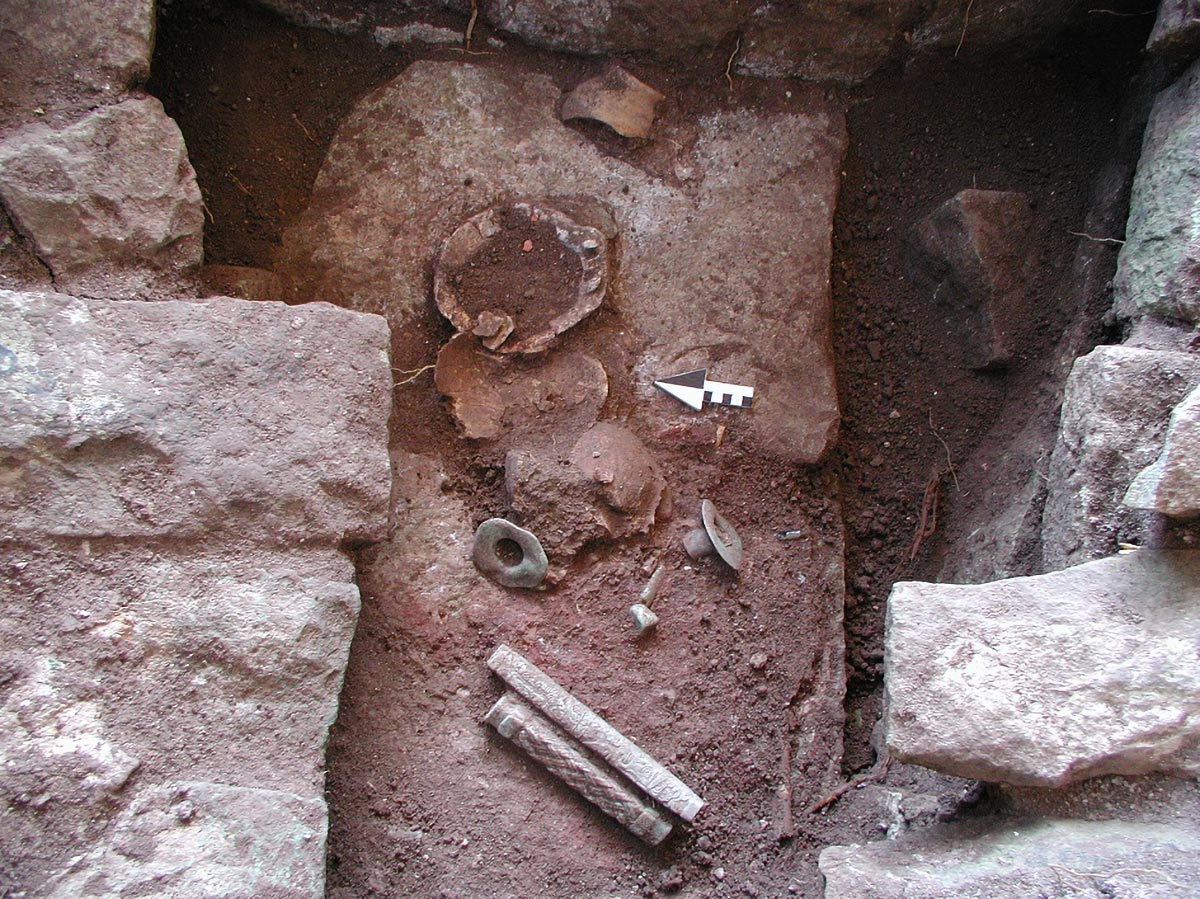
Studying ancient DNA from the Maya region has always been challenging because the tropical climate makes it hard to preserve genetic material. Despite these difficulties, the research team achieved a remarkable breakthrough by recovering and analyzing genomes from seven individuals, all from the ancient city of Copán in present-day Honduras, dated to the height of the Classic period.
In this study, the central question researchers aimed to answer was: what were the genetic origins of the Classic Maya people, and how did their population expand or decline during the rise and fall of their civilization? By investigating these patterns, they hoped to better understand how demographic changes may have been linked to broader social, political, and environmental shifts.
Lessons from the Past for a Changing World
In a world increasingly shaped by climate change, it is critical to understand how human societies have historically responded to environmental stress—whether through resilience, adaptation, or collapse. The fall of the Classic Maya civilization is one of the most compelling and enduring mysteries in human history. By examining their genetic origins and potential population shifts, we can gain new insights into how environmental pressures may have influenced societal change, offering valuable lessons for our own time.
The study was led by geneticist Dr. Shigeki Nakagome, Ussher Assistant Professor in Genomic Medicine, School of Medicine, Trinity College Dublin.
He said: “I have always been deeply interested in human origins, specifically where people come from, how populations moved and interacted, and how cultures evolved over time. The Classic Maya civilization is well-known for its rich history, yet many aspects of their ancestry remain underexplored. By applying ancient genomics, I saw an opportunity to contribute new insights into their population history and help fill in gaps in our understanding of their origins.”
Uncovering Ancestral Connections
The team’s most surprising finding was the clear signal of ancestry from highland Mexico appearing in individuals from Copán, a major capital at the southeasternmost extreme of the Classic Maya civilization, supporting the role of gene flow in the formation of the Classic Maya state.
Dr. Nakagome concluded: “This research contributes valuable knowledge to the fields of anthropology, archaeology, and human genetics, which can indirectly inform our broader understanding of human diversity and evolution.”
The research team has identified next steps for this research which involves expanding the sample size by analyzing more ancient DNA from different Classic Maya states. This will assist in building a more detailed picture of population movements and interactions. Additionally, integrating genetic data with archaeological and environmental evidence will allow them to better understand how social and ecological factors influenced the rise and fall of the Classic Maya civilization.
Reference: “Ancient genomes reveal demographic trajectories during the Classic Maya period” by Madeleine Murray, Seiichi Nakamura, Melvin Fuentes, Rolando Canizales, Omar Talavera, Salvador Varela, Zoila Madrid, Carlos Carbajal, Masahiro Ogawa, Minoru Yoneda, Lara M. Cassidy, Takashi Gakuhari and Shigeki Nakagome, 28 May 2025, Current Biology.
DOI: 10.1016/j.cub.2025.05.002
Never miss a breakthrough: Join the SciTechDaily newsletter.
Follow us on Google and Google News.
4 Comments
So the Maya thrived from 250 to 900AD; interesting article but references to so called “climate change” are inconclusive.TY, good luck , God bless
STFU already with the climate change propaganda
Lol what? Do you pay attention to things at all or just watch Fox News? The polar ice caps are literally melting and there’s measurable, visible evidence that climate change is indeed real. Cope, boomer. You’ll be gone soon anyway, then maybe we can fix things when you guys are finally out of the way.
Does not deliver.
Trumpets amazing finding from genome study. Then tells that the Maya mixed with mountain people and ………… The collapse of the Mayan people ?? Yes…. How. …..
Do tell…………
Big tantarah fanfare about the study.
Zilch info.