
Close Menu
    Facebook X (Twitter) Instagram
    SciTechDaily
    • Biology
    • Chemistry
    • Earth
    • Health
    • Physics
    • Science
    • Space
    • Technology
    Facebook X (Twitter) Pinterest YouTube RSS
    SciTechDaily
    Home»Science»Scientists Discover DNA of Mysterious Lineage of Hominins in Modern Humans
    Science

    Scientists Discover DNA of Mysterious Lineage of Hominins in Modern Humans

    By Trinity College DublinNovember 29, 20247 Comments3 Mins Read
    Facebook Twitter Pinterest Telegram LinkedIn WhatsApp Email Reddit
    Share
    Facebook Twitter LinkedIn Pinterest Telegram Email Reddit
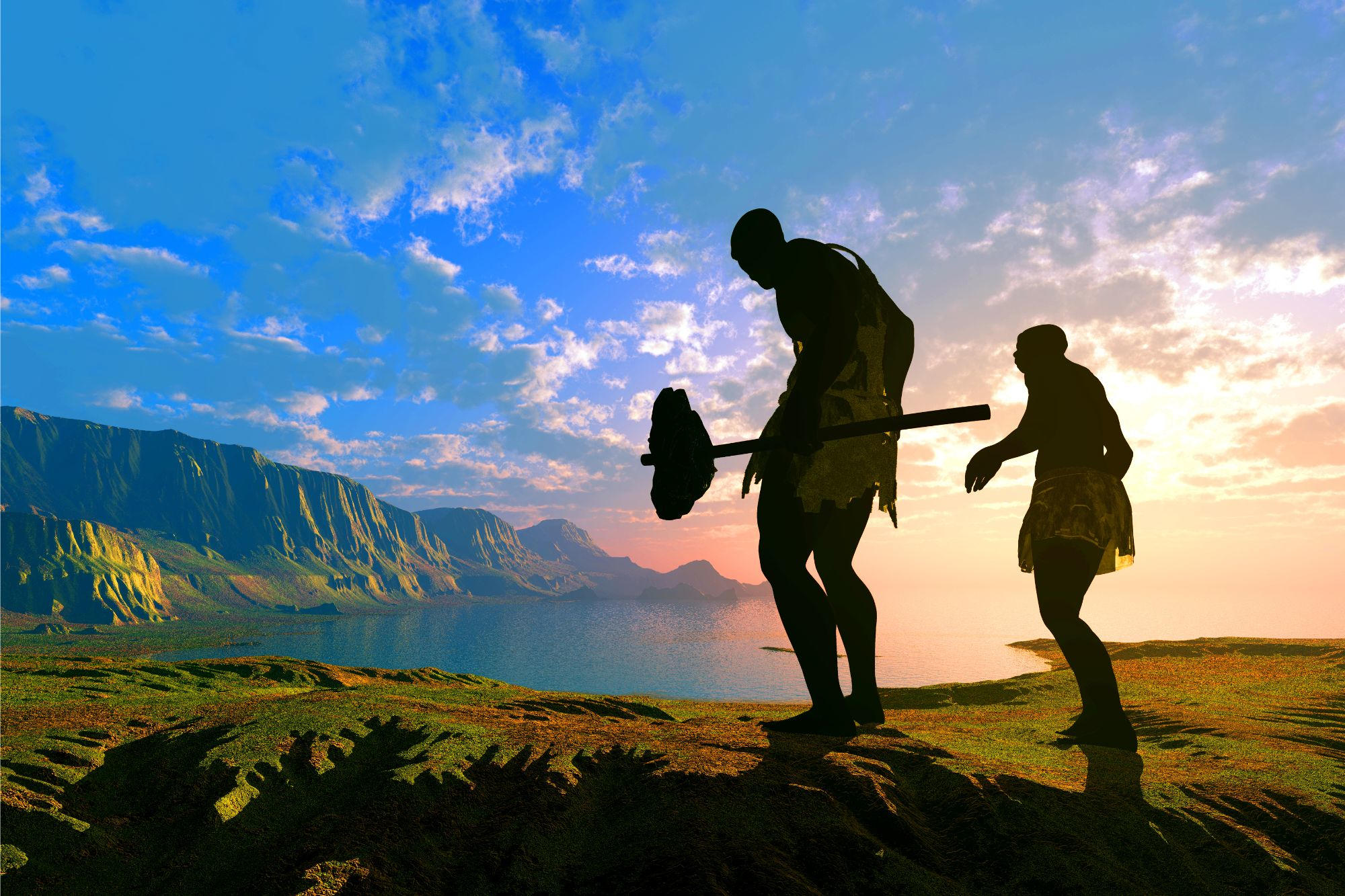
    Primitive Humans Cavemen Neanderthals
    Scientists have discovered that Denisovans, a recently identified hominin group, interbred with modern humans in multiple events, passing on genes that aided adaptation to diverse environments. Denisovan genes have been linked to traits like high-altitude tolerance in Tibetans and cold adaptation in Inuit populations, illustrating their lasting impact on human evolution.

    Denisovans interbred with early humans multiple times, leaving genes that helped modern humans adapt to varied environments, such as high-altitude and cold climates.

    Scientists believe that members of the recently discovered hominin group known as the Denisovans interbred with early humans in multiple, distinct events, passing on genes that influenced the course of early human history.

    In 2010, the first draft of the Neanderthal genome was published, and comparisons with modern human genomes revealed that Neanderthal and modern humans had interbred in the past. A few months later, analysis of a genome sequenced from a finger bone excavated in the Denisova cave in the Altai mountains in Siberia revealed that this bone fragment was from a newly discovered hominin group that we now call Denisovans, who also interbred with modern humans.

    “This was one of the most exciting discoveries in human evolution in the last decade,” said Dr Linda Ongaro, Postdoctoral Research in Trinity College Dublin’s School of Genetics and Microbiology, and first author of a fascinating new review article published in leading international journal Nature Genetics.

    “It’s a common misconception that humans evolved suddenly and neatly from one common ancestor, but the more we learn the more we realize interbreeding with different hominins occurred and helped to shape the people we are today.

    “Unlike Neanderthal remains, the Denisovan fossil record consists of only that finger bone, a jawbone, teeth, and skull fragments. But by leveraging the surviving Denisovan segments in Modern Human genomes scientists have uncovered evidence of at least three past events whereby genes from distinct Denisovan populations made their way into the genetic signatures of modern humans.”

    Complex Denisovan-Human Genetic Relationships

    Each of these presents different levels of relatedness to the sequenced Altai Denisovan, indicating a complex relationship between these sister lineages.

    In the review article, Dr Ongaro and Prof. Emilia Huerta-Sanchez outline evidence suggesting that several Denisovan populations, who likely had an extensive geographical range from Siberia to Southeast Asia and from Oceania to South America, were adapted to distinct environments.

    They further outline a number of genes of Denisovan origin that gave modern day humans advantages in their different environments.

    Dr Ongaro added: “Among these is a genetic locus that confers a tolerance to hypoxia, or low oxygen conditions, which makes a lot of sense as it is seen in Tibetan populations; multiple genes that confer heightened immunity; and one that impacts lipid metabolism, providing heat when stimulated by cold, which confers an advantage to Inuit populations in the Arctic.

    “There are numerous future directions for research that will help us tell a more complete story of how the Denisovans impacted modern-day humans, including more detailed genetic analyses in understudied populations, which could reveal currently hidden traces of Denisovan ancestry. Additionally, integrating more genetic data with archaeological information – if we can find more Denisovan fossils – would certainly fill in a few more gaps.”

    Reference: “A history of multiple Denisovan introgression events in modern humans” by Linda Ongaro, and Emilia Huerta-Sanchez, 5 November 2024, Nature Genetics.
    DOI: 10.1038/s41588-024-01960-y

    The study was funded by the European Research Council.

    Never miss a breakthrough: Join the SciTechDaily newsletter.
    Follow us on Google and Google News.

    Anthropology Archaeology Genetics Hominin Popular Trinity College Dublin
    Share. Facebook Twitter Pinterest LinkedIn Email Reddit

    Related Articles

    Ancient DNA Unlocks Genetic Secrets of Maya Rise and Fall

    Rewriting Hominin History: New Discoveries Unveil Ancient Human-Neanderthal Connections

    Ancient DNA From 1,600-Year-Old Iranian Sheep Mummy Brings History to Life

    First Tales of the Earliest Domesticated Goats Revealed by 10,000-Year-Old DNA

    Oldest Modern Human Genome Reconstructed Using DNA From 45,000-Year-Old Skull

    DNA of Bones Found in Cave Reveals Major Cultural Transition in Europe Took Place Earlier Than Thought

    Earliest Interbreeding Between Ancient Human Populations Discovered – Evolutionary Puzzle Solved

    New Evidence Shows Humans Mastered Fire Earlier Than Thought

    Million-Year-Old Ash in South African Cave Yields Evidence of Cooking

    7 Comments

    1. rajeeva Kumar on November 29, 2024 3:59 pm

      nice knowledge

      Reply
      • Carl Verkerke on November 30, 2024 3:29 am

        Denison in South America?

        Reply
        • Mohammadhosein Soufi on November 30, 2024 3:39 am

          That’s amazing

          Reply
        • Steve on November 30, 2024 4:21 am

          Yeah, that rung my alarm bell too.

          Reply
    2. Interesting on November 30, 2024 6:05 am

      Transfer ASAP different Denisovan genes into Chimpanzee Embryos. Russia should sell or export ice of Siberia region to various Deserts of the world. It is the biggest nation covered by Ice impeding human civilization.

      Reply
    3. Bosco on November 30, 2024 7:59 am

      Is that a shot of Kennedy’s jaw bone there?

      Reply
    4. Dcoctray staronomy kesiri on January 5, 2025 10:56 am

      There should be an article about the fossils that should be found near the coasts. If the dinosaurs were in dry land, they would have been buried under the meteorites, but the dinosaurs that were alive, their bodies floated on the water and when the meteor shower stopped, the waves brought their bodies to the beach. and turned into fossils

      Reply
    Leave A Reply Cancel Reply

    • Facebook
    • Twitter
    • Pinterest
    • YouTube

    Don't Miss a Discovery

    Subscribe for the Latest in Science & Tech!

    Trending News

    Why Popular Diabetes Drugs Like Ozempic Don’t Work for Everyone: The “Genetic Glitch”

    Scientists Stunned After Finding Plant Thought Extinct for 60 Years

    Scientists Discover Tiny New Spider That Hunts Prey 6x Its Size

    Natural Component From Licorice Shows Promise for Treating Inflammatory Bowel Disease

    Scientists Warn: Popular Sweetener Linked to Dangerous Metabolic Effects

    Monster Storms on Jupiter Unleash Lightning Beyond Anything on Earth

    Scientists Create “Liquid Gears” That Spin Without Touching

    The Simple Habit That Could Help Prevent Cancer

    Follow SciTechDaily
    • Facebook
    • Twitter
    • YouTube
    • Pinterest
    • Newsletter
    • RSS
    SciTech News
    • Biology News
    • Chemistry News
    • Earth News
    • Health News
    • Physics News
    • Science News
    • Space News
    • Technology News
    Recent Posts
    • Hidden Ocean Currents Revealed in Stunning Detail by AI
    • Trees Emit Tiny Lightning Flashes During Storms and Scientists Finally Prove It
    • Forget Chemicals. This Plant Removes Microplastics From Water
    • Breakthrough Crystal Lets Scientists “Write” Nanoscale Patterns With Light
    • Pomegranate Compound Could Help Protect Against Heart Disease
    Copyright © 1998 - 2026 SciTechDaily. All Rights Reserved.
    • Science News
    • About
    • Contact
    • Editorial Board
    • Privacy Policy
    • Terms of Use

    Type above and press Enter to search. Press Esc to cancel.