
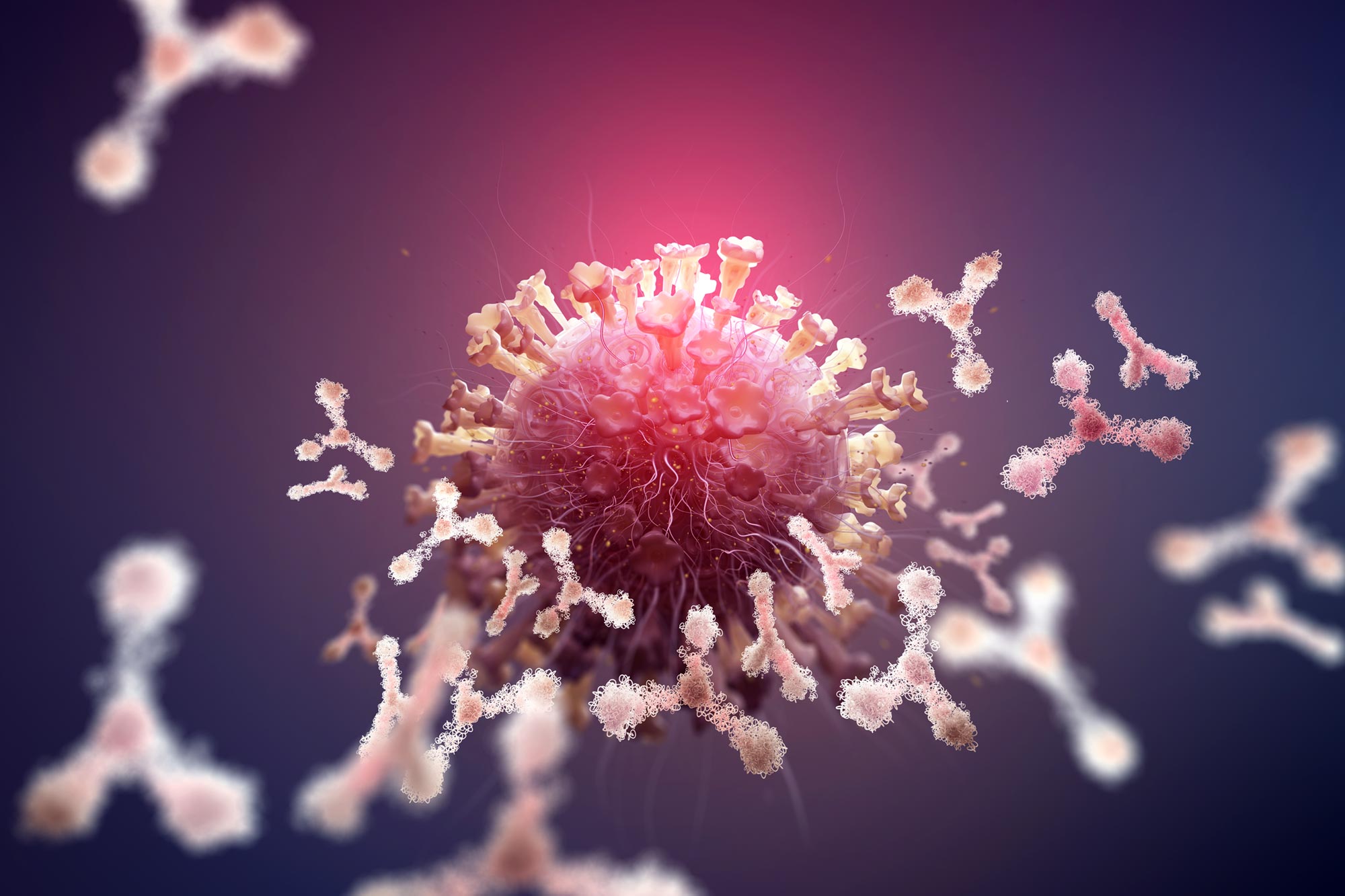
A massive single-cell study has revealed hidden genetic differences in male and female immune systems that may shape disease risk in unexpected ways.
New research from the Garvan Institute of Medical Research and UNSW Sydney may help explain why women are far more likely than men to develop autoimmune diseases, including lupus. Autoimmune diseases occur when the immune system mistakenly attacks the body’s healthy tissues.
Although lupus affects up to nine women for every man, the biological reasons behind this imbalance have remained uncertain. Researchers have now identified more than 1,000 genetic switches that behave differently in male and female immune cells. These differences appear to increase inflammatory activity in females.
The study, published in The American Journal of Human Genetics, adds new evidence that diseases can develop differently in males and females. The researchers say the findings also highlight the importance of including both sexes in medical studies, which have historically focused heavily on male participants.

“Our findings show that the immune system needs to be studied with sex in mind. Even though we know men’s and women’s immune systems differ, many studies still overlook these differences, which can limit how well we understand disease and, in turn, bias treatment options,” says Garvan’s Dr. Seyhan Yazar, first author of the study.
Single-Cell Technology Reveals Immune Differences
Until recently, scientists mainly studied immune differences between men and women using bulk blood analysis, which averages activity across many cells and can hide important cellular differences. Advances in single-cell technology now allow researchers to examine individual immune cells in much greater detail. This study is the first to analyze male and female immune differences at this scale using single-cell resolution.
The research team analyzed more than 1.25 million peripheral blood mononuclear cells, which are immune cells circulating in the bloodstream, from nearly 1,000 healthy participants. The volunteers were part of the Australian OneK1K project, which studies how genetics shape immune cell behavior across populations.
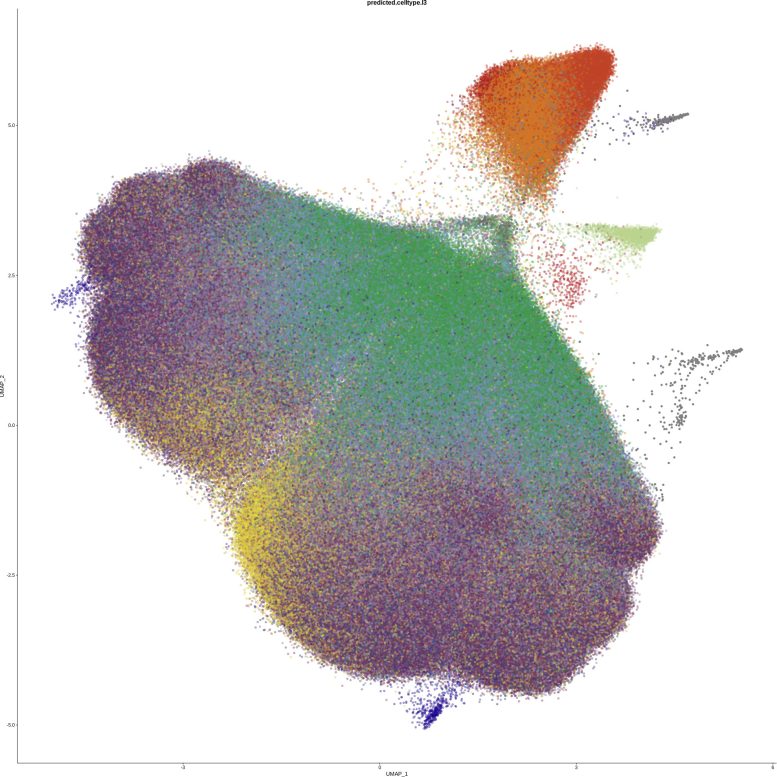
The results showed clear differences between male and female immune systems. Men had larger numbers of monocytes, which act as early immune responders, and their gene activity focused more on basic cell maintenance and protein production. Women showed higher levels of B cells and regulatory T cells, with stronger activity in inflammation-related pathways.
“While this highly reactive immune profile gives females an advantage in fighting viral infections, it comes with a biological trade-off: a greater predisposition to autoimmune diseases. On the other hand, male immune cells are less primed for inflammation, making men generally more susceptible to infections and non-reproductive cancers,” says co-senior author Dr. Sara Ballouz, Senior Lecturer at UNSW.

Inflammatory Pathways and Autoimmune Risk
Researchers explained that a highly reactive immune system remains in a heightened state of alert. While this helps the body respond quickly to threats, it also increases the risk of “friendly fire,” where the immune system mistakenly attacks healthy tissue and triggers autoimmune disease.
By examining cells individually, the scientists detected sex-specific genetic variations that earlier bulk studies had overlooked. They focused on genetic switches known as expression quantitative trait loci, which control how strongly certain genes are activated. Scientists have long believed these immune differences mainly came from the X and Y chromosomes.
However, the study found that most of these sex-specific genetic switches were not located on the sex chromosomes. Instead, the majority appeared on autosomes, the non-sex chromosomes shared by both men and women. Researchers identified more than 1,000 of these genetic switches.
The team also linked several of these genetic controls directly to autoimmune disease risk. They identified variants connected to female-biased activity in two genes associated with systemic lupus erythematosus, which may help explain why lupus occurs much more often in women.
Genetic Clues Could Shape Future Treatments
Researchers noted that genetics are only one factor influencing autoimmune disease risk alongside hormones and other biological influences. Still, they say these inherited genetic differences create an important baseline that shapes how the immune system functions.
“This is the first time we have shown that these differences occur at the genetic control level, providing a new layer of insight into human immunity,” Dr. Ballouz says. “Having shown that female-biased genes are heavily enriched in inflammatory pathways, we now have another biological rationale for why the immune system can more easily mistakenly attack the body’s own tissues in women.”
The findings may also help explain why common autoimmune treatments do not work equally well for all patients. Researchers say identifying these distinct genetic pathways supports the need for more targeted therapies instead of broad immunosuppressive drugs that affect the entire immune system.
Researchers Call for More Personalized Autoimmune Treatments
“Our findings add strong evidence that female and male autoimmune diseases may not be the same, and the way we should treat them may not necessarily be the same. Currently, clinicians rely on a one-size-fits-all management approach for most autoimmune diseases—a more inclusive approach is needed,” says Dr. Yazar.
“If we want to realize the potential of precision medicine, we have to understand these fundamental biological variables,” says Professor Joseph Powell, co-senior author and director of Garvan’s Translational Genomics Program. “Treatments need to be tailored not just to the disease, but to how a patient’s immune system operates at a baseline genetic level.”
Reference: “The impact of sex on the immune system explored at the single-cell level” by Seyhan Yazar, Jose Alquicira-Hernandez, Kristof Wing, Anne Senabouth, Stacey Andersen, Kirsten A. Fairfax, Alex W. Hewitt, Joseph E. Powell and Sara Ballouz, 7 May 2026, The American Journal of Human Genetics.
DOI: 10.1016/j.ajhg.2026.04.003
Never miss a breakthrough: Join the SciTechDaily newsletter.
Follow us on Google and Google News.
1 Comment
My family happens to have some good autosomes, which accounts for why my mother lived to 99 and my father’s uncles lived into their late 90s.