

A new study suggests that difficult childbirth is not exclusive to humans.
For decades, human childbirth has been treated as one of evolution’s great compromises. Our species walks upright, yet also gives birth to babies with unusually large brains, creating a famously tight squeeze during delivery. This idea has shaped everything from anthropology textbooks to popular science discussions. But a new study suggests the story may not be uniquely human after all.
Researchers at the University of Vienna found that dangerous and difficult births are surprisingly common across the mammal kingdom, including in wild animals shaped by millions of years of natural selection. In fact, in some species, maternal death rates linked to childbirth rival those documented in human societies without modern medical care.
The findings, published in Biological Reviews, challenge the long-standing view that humans occupy a special category when it comes to childbirth. Instead, the study points to a broader evolutionary reality: reproduction is often a high-risk balancing act for mammals.
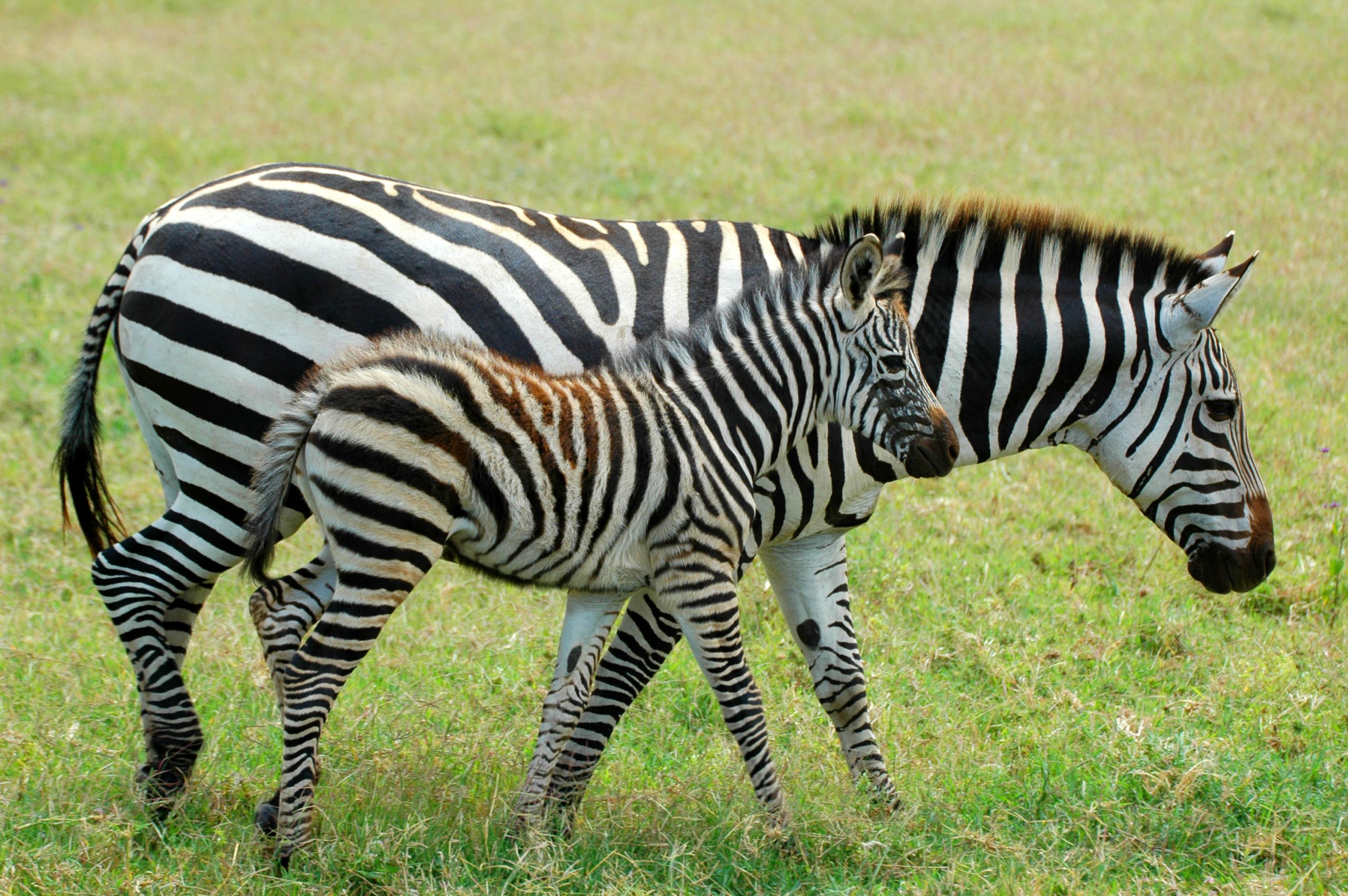
Scientists have long explained difficult human births through the “obstetrical Dilemma,” which argues that evolution balanced upright walking with the need to deliver large-brained babies through a relatively narrow pelvis. But despite the theory’s influence, researchers have rarely examined whether difficult childbirth is actually unusual among other mammals.
To investigate, Nicole Grunstra from the Department of Evolutionary Biology at the University of Vienna reviewed scientific reports on childbirth complications across a wide variety of species. The analysis included domestic animals such as cows and sheep, along with wild mammals including seals, deer, whales, and elephants.
Birth Risks Across the Mammal Kingdom
The results show that birth complications are not unique to humans. Difficult births occur across many placental mammal species, including wild animals where natural selection might be expected to reduce such risks.
Even whales and dolphins can experience calves becoming stuck during birth, despite lacking a bony pelvis.
In some species, including deer and antelope, rates of birth complications and female mortality are similar to those observed in certain human populations, including hunter-gatherer groups without access to modern medical care. The types of complications and their underlying causes are also comparable.
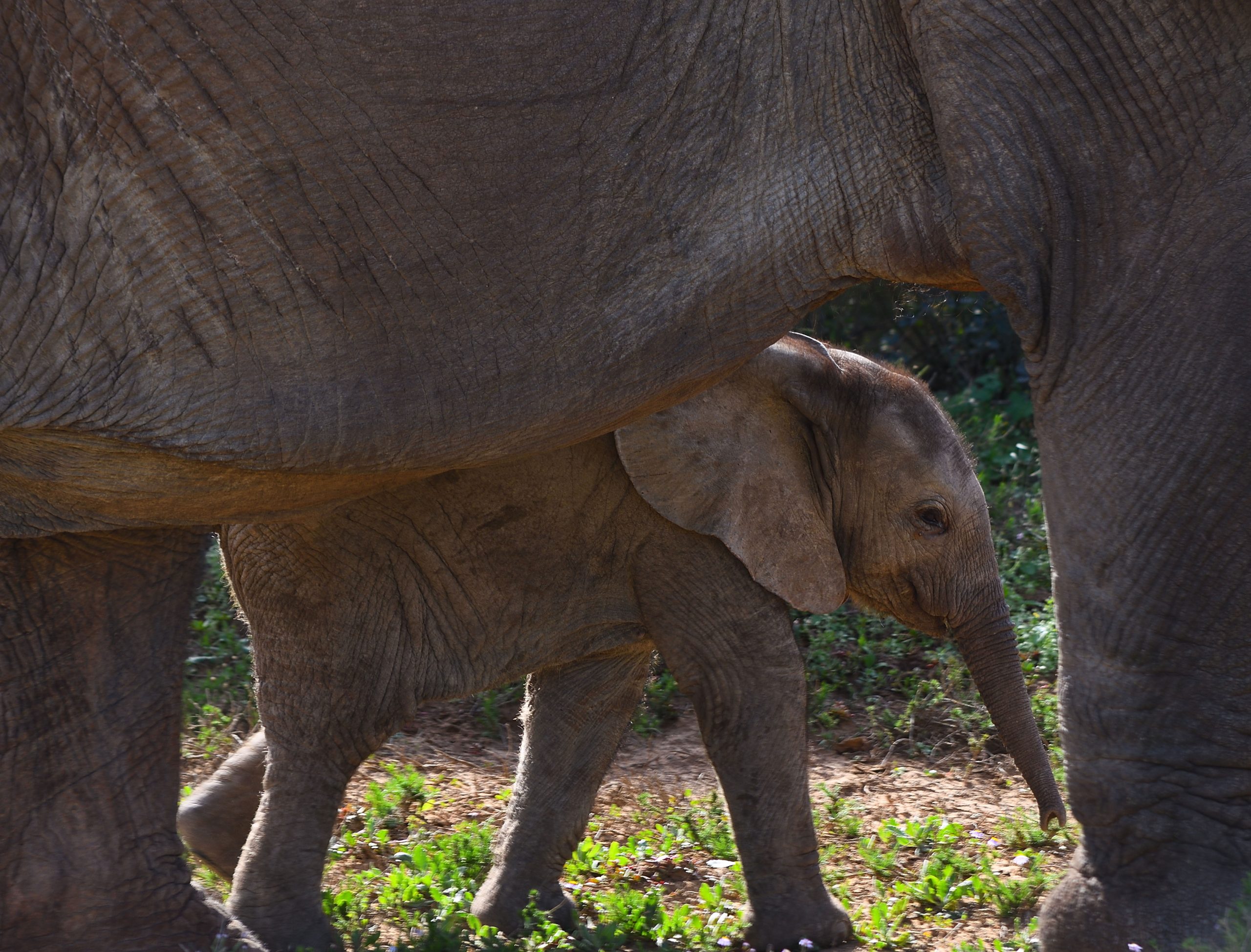
For example, a tight fit between the fetus and the birth canal is common in species that give birth to large, well-developed offspring, such as monkeys, ungulates, and elephants. Overnutrition can also increase fetal size in humans, other primates, and rodents, raising the risk of complications during delivery.
Evolutionary Trade-Offs
If birth complications can be fatal for both mother and offspring, why has evolution not eliminated them? The study suggests that the answer lies in evolutionary trade-offs.
Larger offspring often have better chances of surviving after birth, but they are also more difficult to deliver. This creates a narrow balance: offspring that are too small may die soon after birth, while offspring that are too large may not survive the delivery itself.
In species that produce multiple offspring, such as dogs and pigs, a different trade-off emerges. Both very small and very large litters can increase the risk of birth obstruction.
Small litters tend to produce larger pups that are more likely to become stuck during birth, while large litters contain many smaller fetuses that can be poorly positioned and block the birth canal.
These patterns help explain why birth complications persist, even in natural populations shaped by evolution.
A Broader Evolutionary Perspective
The findings place human childbirth within a broader evolutionary context. Rather than being uniquely difficult, human birth appears to follow a biological pattern shared by many mammals.
In humans, the tight fit results from the combination of a large brain and a pelvis adapted for upright walking. Other species face different anatomical challenges. Cows, horses, and deer, for example, must deliver offspring with both the head and forelimbs passing simultaneously through a relatively inflexible pelvis.
The study challenges long-standing assumptions about human childbirth and highlights the importance of comparing humans with other species. It also shifts the focus away from viewing human birth as an exception and toward understanding it as part of a wider evolutionary landscape in which childbirth may be riskier for mammalian mothers and their offspring than often assumed.
Reference: “Humans are not unique: difficult birth is common in placental mammals” by Nicole D. S. Grunstra, 6 May 2026, Biological Reviews.
DOI: 10.1002/brv.70174
Never miss a breakthrough: Join the SciTechDaily newsletter.
Follow us on Google and Google News.
1 Comment
‘Difficult’ is different from ‘painful’. The study does not seem to demonstrate that the agonies of human mothers are not unique to our species.