
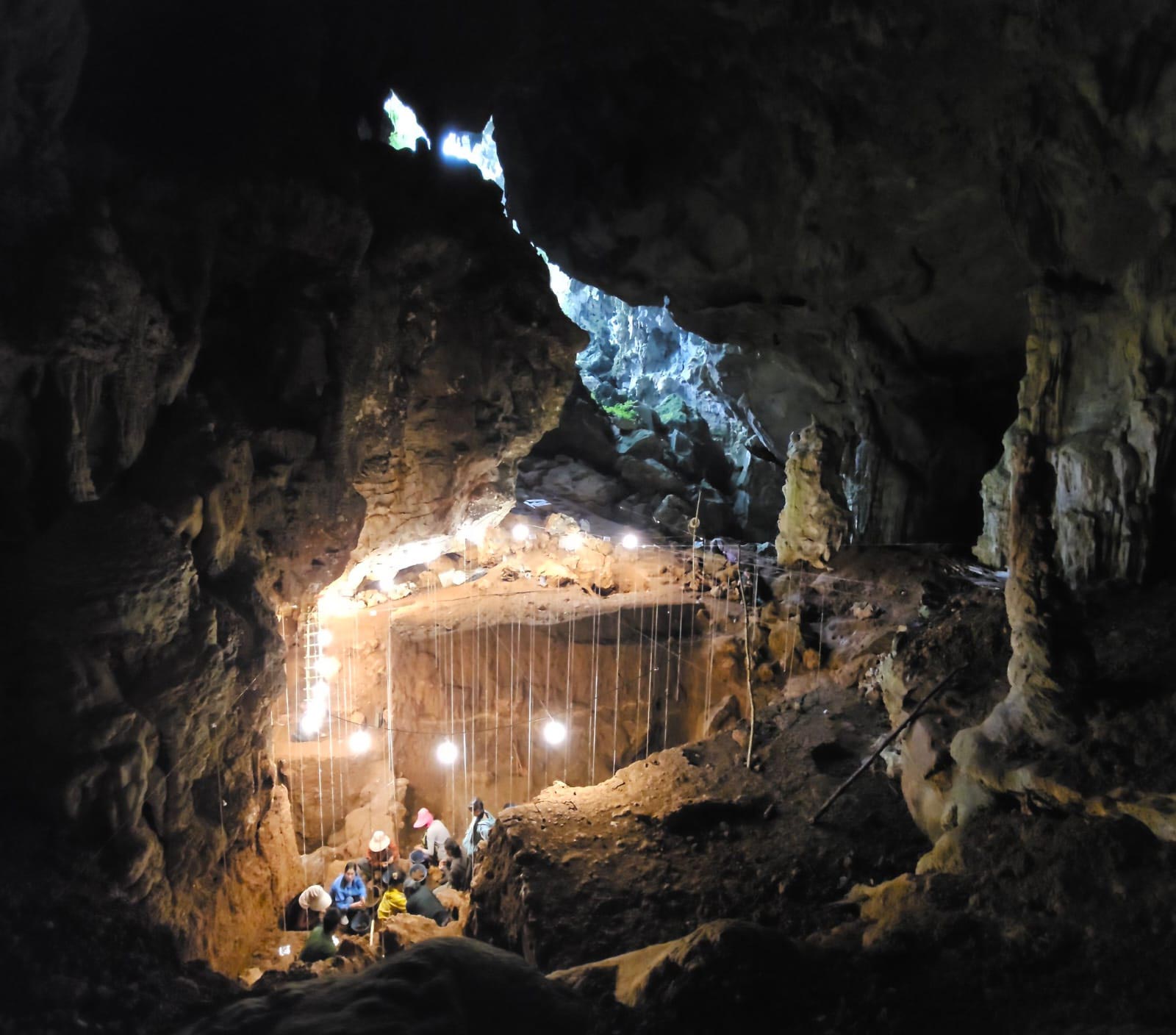
New archaeological studies at Tam Pà Ling cave in Laos provide insights into the lives of early Homo sapiens, showing how shifts in climate influenced their presence and the deposition of fossils over thousands of years.
A team of Flinders University archaeologists and their international colleagues has uncovered new insights into some of the earliest evidence of Homo sapiens in mainland Southeast Asia by analyzing microscopic layers of dirt from the Tam Pà Ling cave site in northeastern Laos.
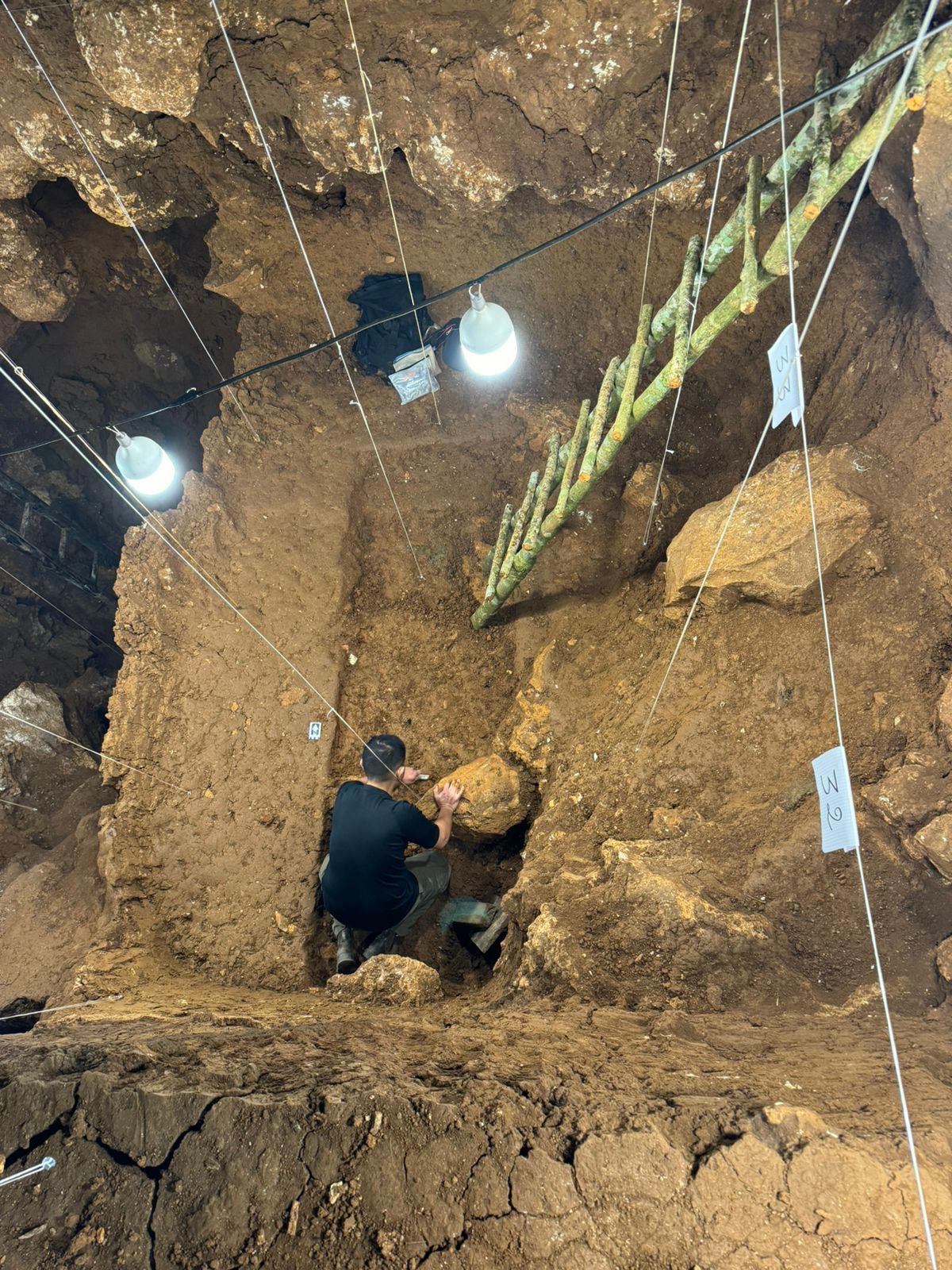
For the past 14 years, the site has been studied by a team of Laotian, French, American, and Australian scientists, yielding some of the earliest fossil evidence of our direct ancestors in Southeast Asia.
New Insights through Microstratigraphy
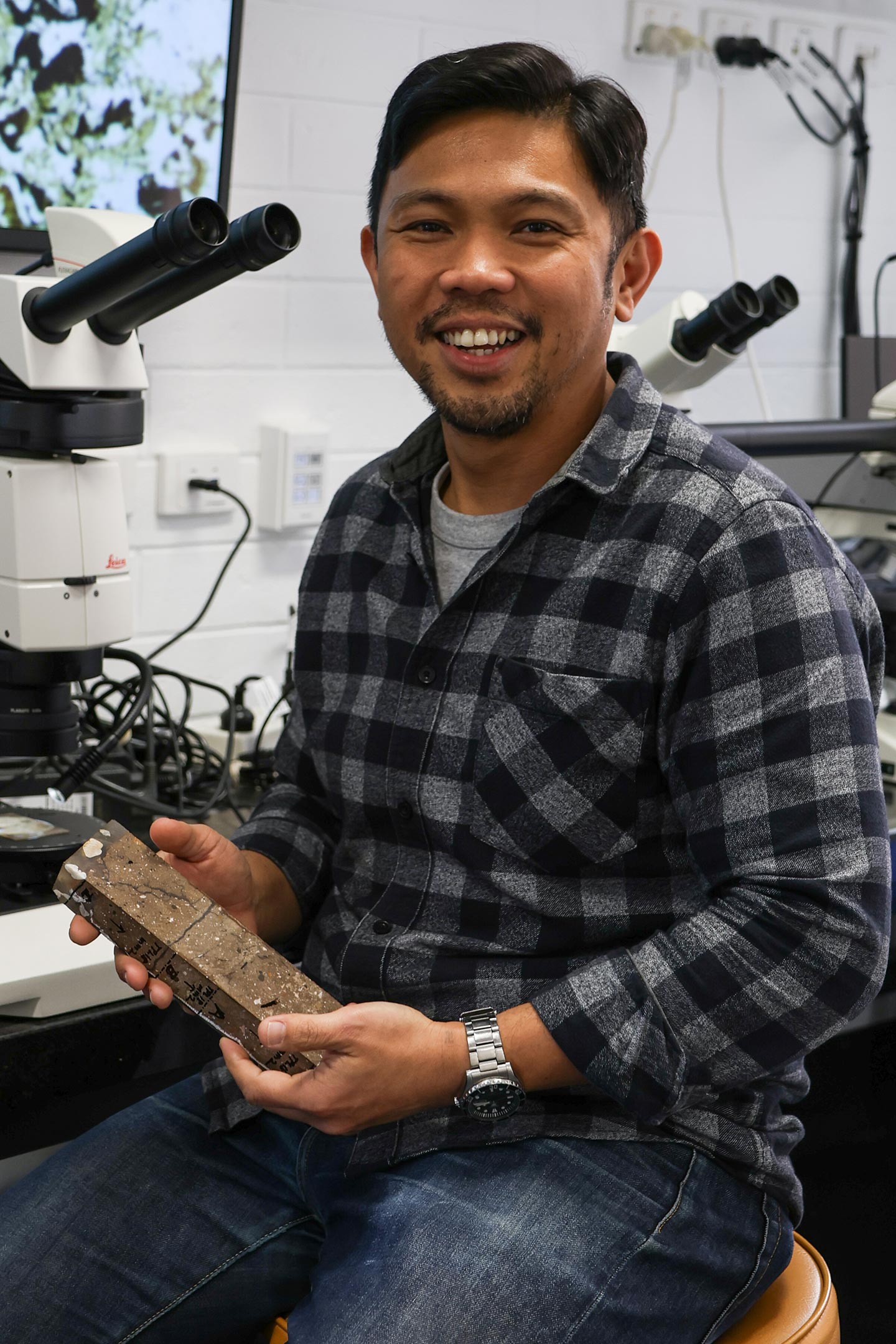
In a new study, led by PhD candidate Vito Hernandez and Associate Professor Mike Morley from the College of Humanities, Arts and Social Sciences, the team reconstructed the ground conditions in the cave between 52,000 and 10,000 years ago.
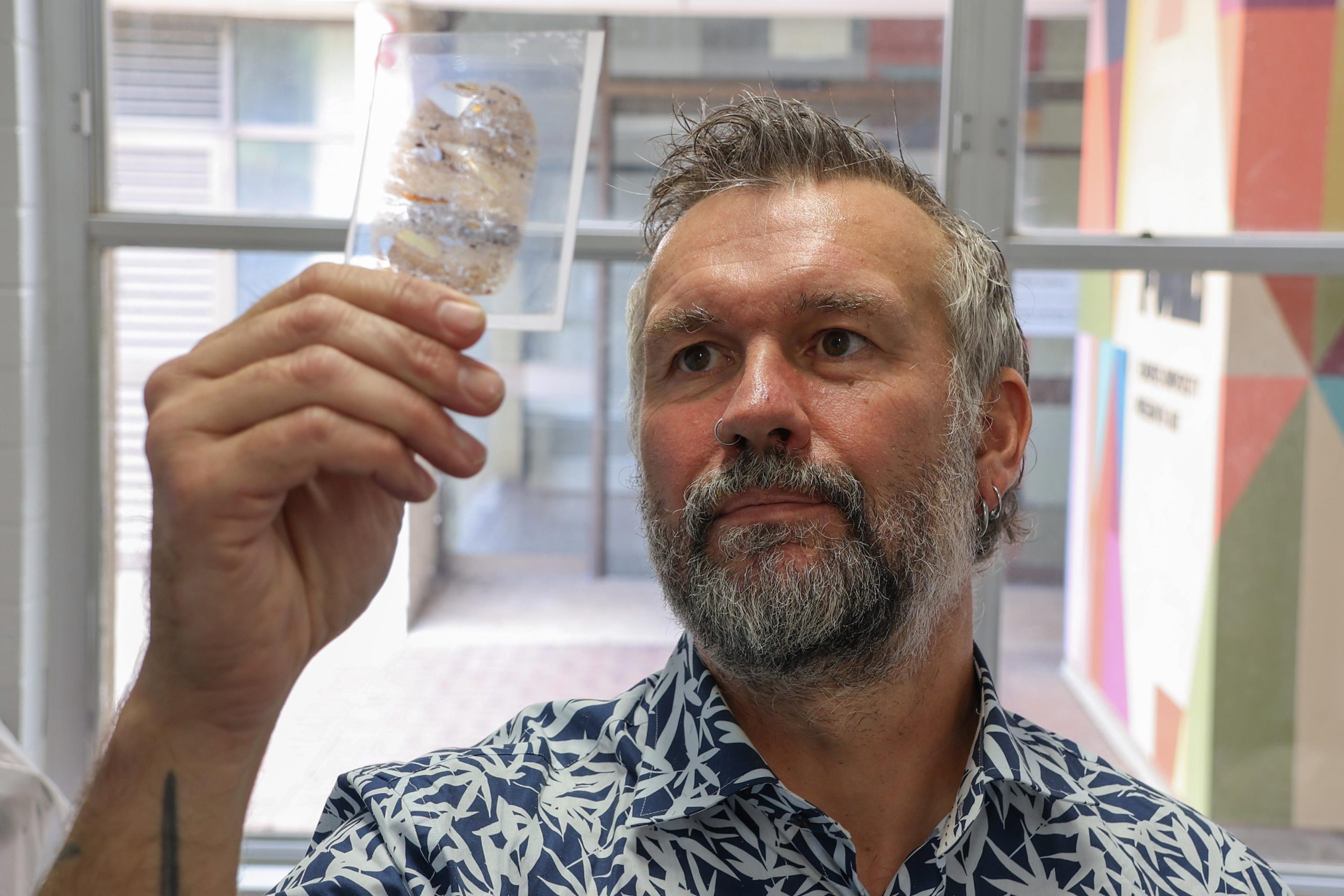
“Using a technique known as microstratigraphy at the Flinders Microarchaeology Laboratory, we were able to reconstruct the cave conditions in the past and identify traces of human activities in and around Tam Pà Ling,” says Hernandez.
“This also helped us to determine the precise circumstances by which some of the earliest modern human fossils found in Southeast Asia were deposited deep inside.”
Discoveries and Environmental Analysis
Microstratigraphy allows scientists to study dirt in its smallest detail, enabling them to observe structures and features that preserve information about past environments and even traces of human and animal activity that may have been overlooked during the excavation process due to their minuscule size.
The human fossils discovered at Tam Pà Ling were deposited in the cave between 86,000 and 30,000 years ago but until now, researchers had not conducted a detailed analysis of the sediments surrounding these fossils to gain an understanding of how they were deposited in the cave or the environmental conditions at the time.
Climate Influence and Human Activity
Published in Quaternary Science Reviews, the findings reveal conditions in the cave fluctuated dramatically, going from a temperate climate with frequent wet ground conditions to becoming seasonally dry.
“This change in environment influenced the cave’s interior topography and would have impacted how sediments, including human fossils, were deposited within the cave,” says Associate Professor Morley.
“How early Homo sapiens came to be buried deep within the cave has long been debated, but our sediment analysis indicates that the fossils were washed into the cave as loose sediments and debris accumulating over time, likely carried by water from surrounding hillsides during periods of heavy rainfall.”
The team also identified preserved micro-traces of charcoal and ash in the cave sediments, suggesting that either forest fires occurred in the region during the drier periods, or that humans visiting the cave may have used fire, either in the cave or near the entrance.
Conclusion on Ancestral Dynamics in Southeast Asia
“This research has allowed our team to develop unprecedented insights into the dynamics of our ancestors as they dispersed through the ever-changing forest covers of Southeast Asia, and during periods of variable regional climate instability,” says study co-author Assistant Professor Fabrice Demeter, palaeoanthropologist from the University of Copenhagen, who has been leading the team of international researchers studying Tam Pàn Ling since 2009.
Reference: “Late Pleistocene–Holocene (52–10 ka) microstratigraphy, fossil taphonomy and depositional environments from Tam Pà Ling cave (northeastern Laos)” by V.C. Hernandez, M.W. Morley, A.-M. Bacon, P. Duringer, K.E. Westaway, R. Joannes-Boyau, J.-L. Ponche, C. Zanolli, P. Sichanthongtip, S. Boualaphane, T. Luangkhoth, J.-J. Hublin and F. Demeter, 10 October 2024, Quaternary Science Reviews.
DOI: 10.1016/j.quascirev.2024.108982
Never miss a breakthrough: Join the SciTechDaily newsletter.
Follow us on Google and Google News.
1 Comment
Pre or post flood humans?
Uniformitology is your religion?