
Solar flare throws light on ancient trade between the Islamic Middle East and the Viking Age.
An interdisciplinary Danish team of researchers has used new astronomical knowledge to establish an exact time anchor for the arrival of trade flows from the Middle East in Viking-age Scandinavia. The results are published in the leading international journal Nature.
Mobility shaped the human world profoundly long before the modern age. But archaeologists often struggle to create a timeline for the speed and impact of this mobility. An interdisciplinary team of researchers at the Danish National Research Foundation’s Centre for Urban Network Evolutions at Aarhus University (UrbNet) has now made a breakthrough by applying new astronomical knowledge about the past activity of the sun to establish an exact time anchor for global links in the year 775 CE.
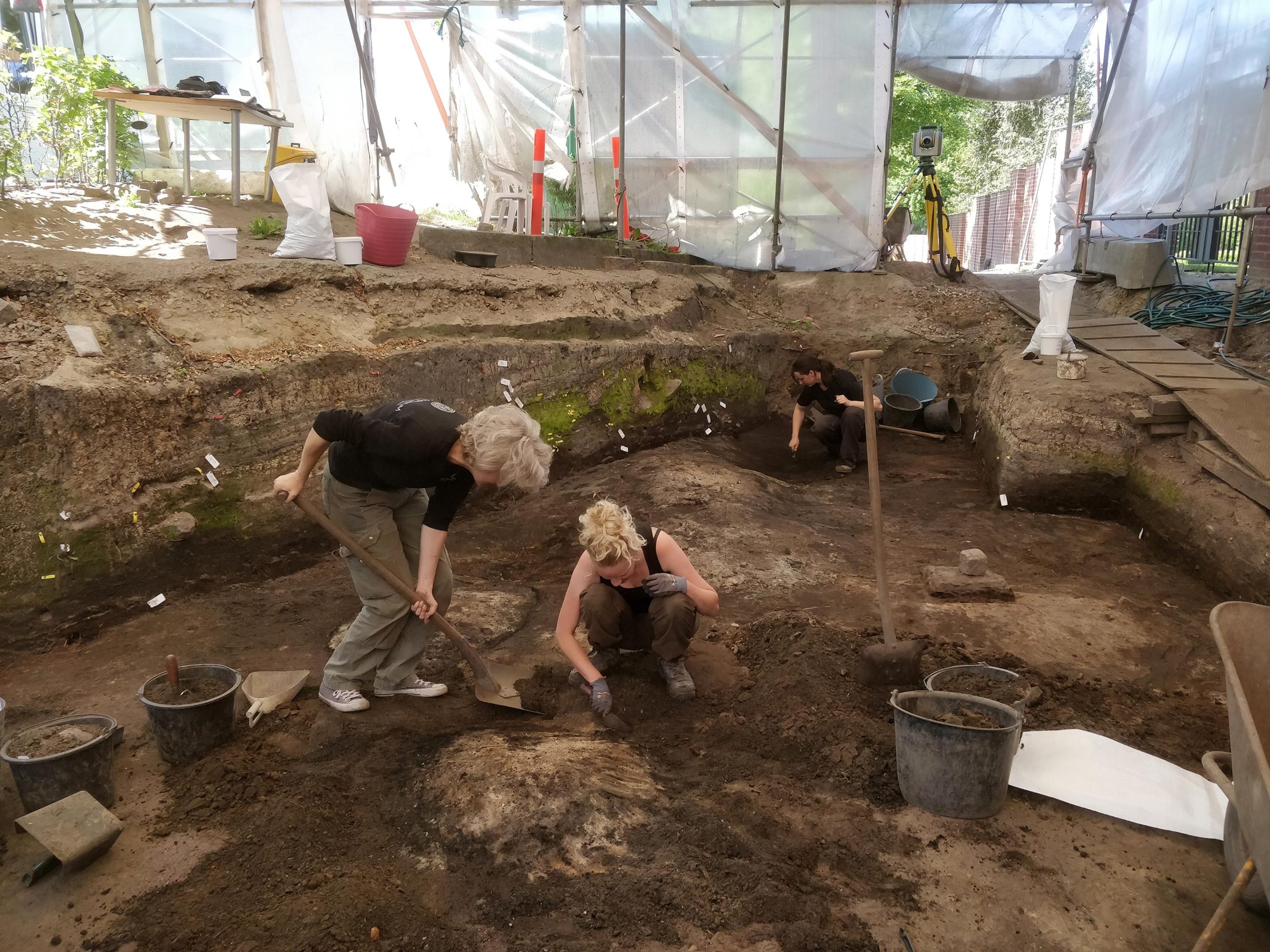
In collaboration with the Museum of Southwest Jutland in the Northern Emporium Project, the team has conducted a major excavation at Ribe, one of Viking-age Scandinavia’s principal trading towns. Funded by the Carlsberg Foundation, the dig and the subsequent research project were able to establish the exact sequence of the arrival of objects from various corners of the world at the market in Ribe. In this way, they were able to trace the emergence of the vast network of Viking-age trade connections with regions such as North Atlantic Norway, Frankish Western Europe, and the Middle East. To obtain a chronology for these events, the team has pioneered a new use of radiocarbon dating.
New Use of Radiocarbon Dating
“The applicability of radiocarbon dating has hitherto been limited due to the broad age ranges of this method. Recently, however, it has been discovered that solar particle events, also known as Miyake events, cause sharp spikes in atmospheric radiocarbon for a single year. They are named after the female Japanese researcher Fusa Miyake, who first identified these events in 2012. When these spikes are identified in detailed records such as tree rings or in an archaeological sequence, it reduces the uncertainty margins considerably,” says lead author Bente Philippsen.
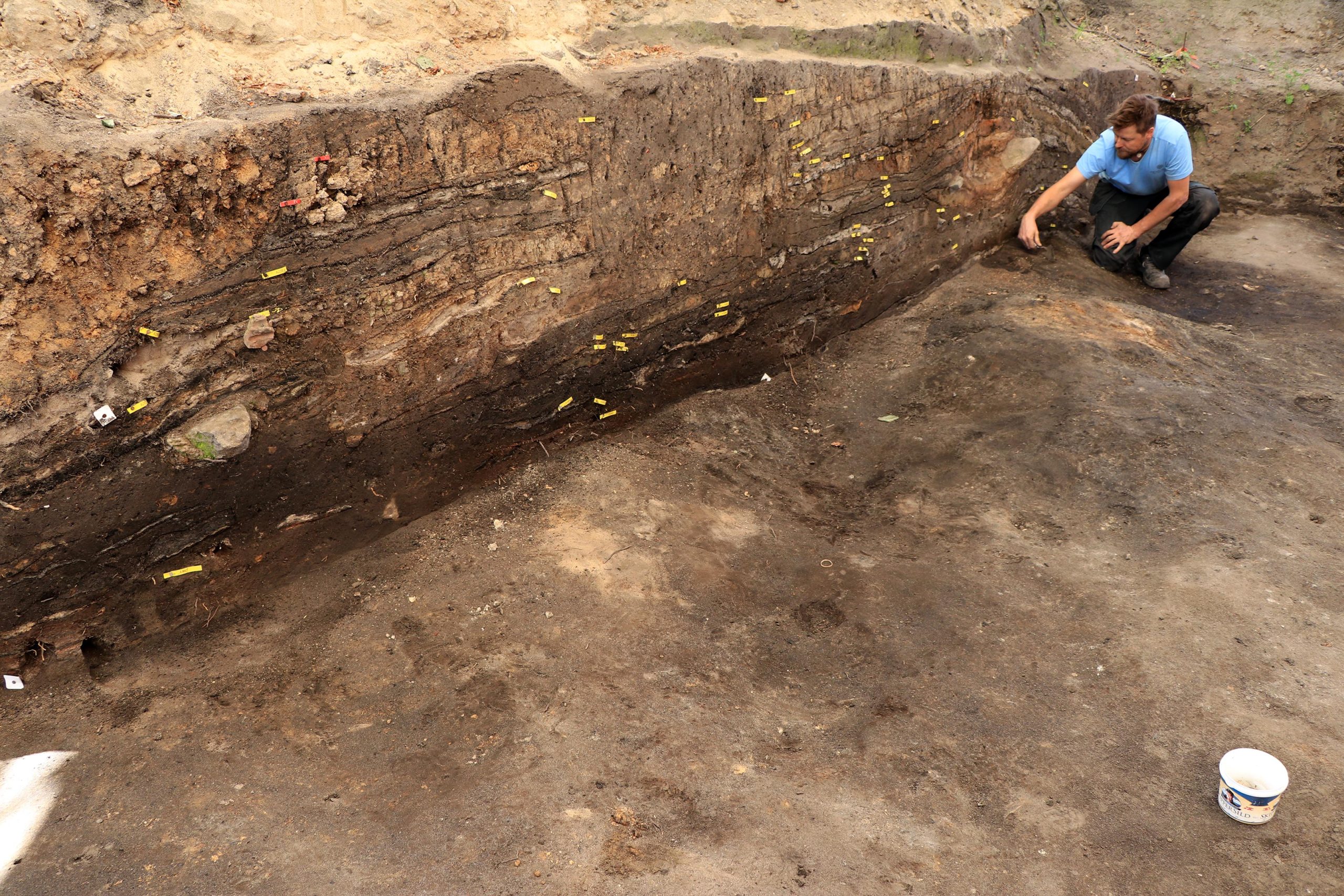
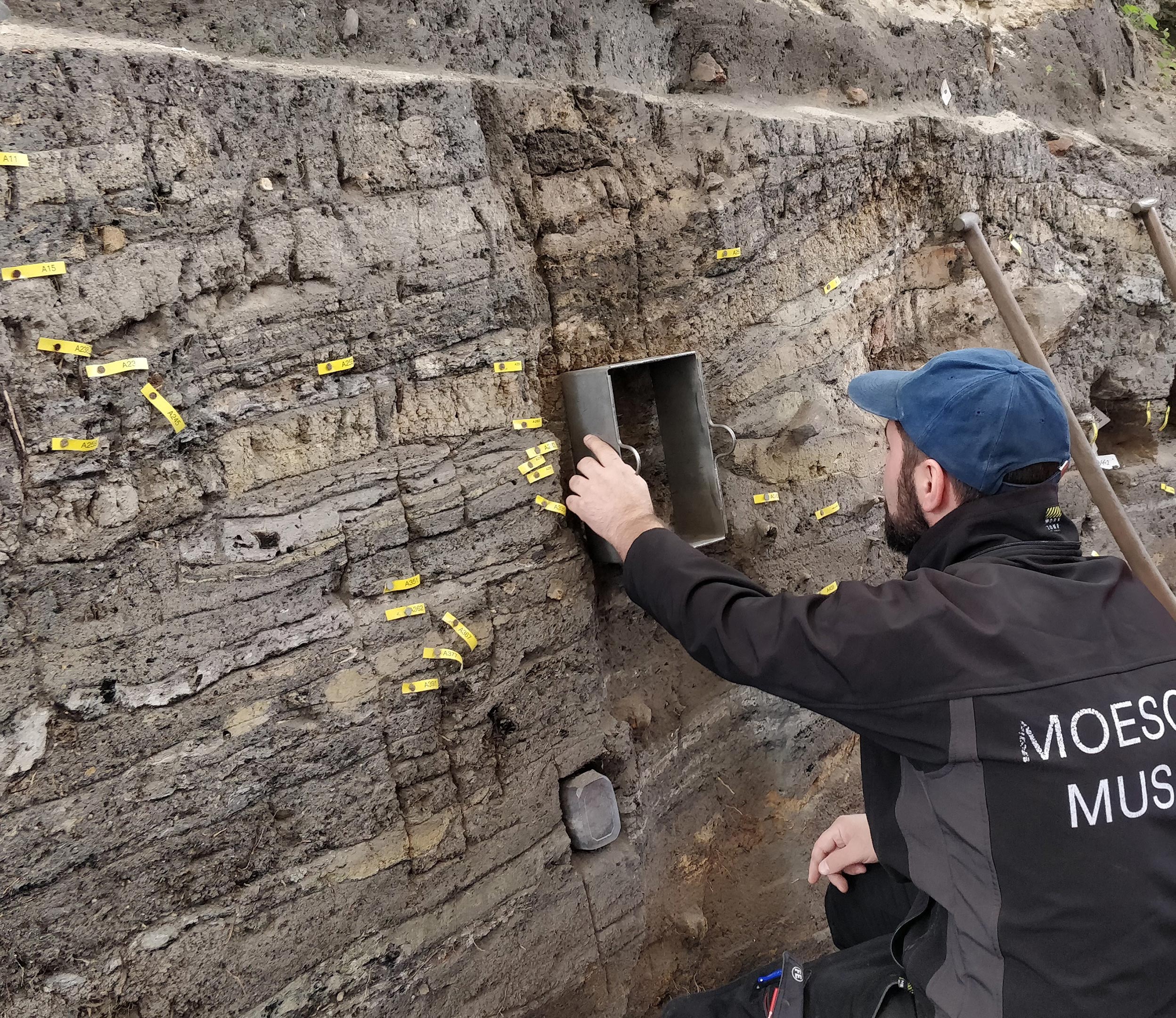
The team applied a new, improved calibration curve, based on annual samples, to identify a 775 CE Miyake event in one floor layer in Ribe. This enabled the team to anchor the entire sequence of layers and 140 radiocarbon dates around this single year.
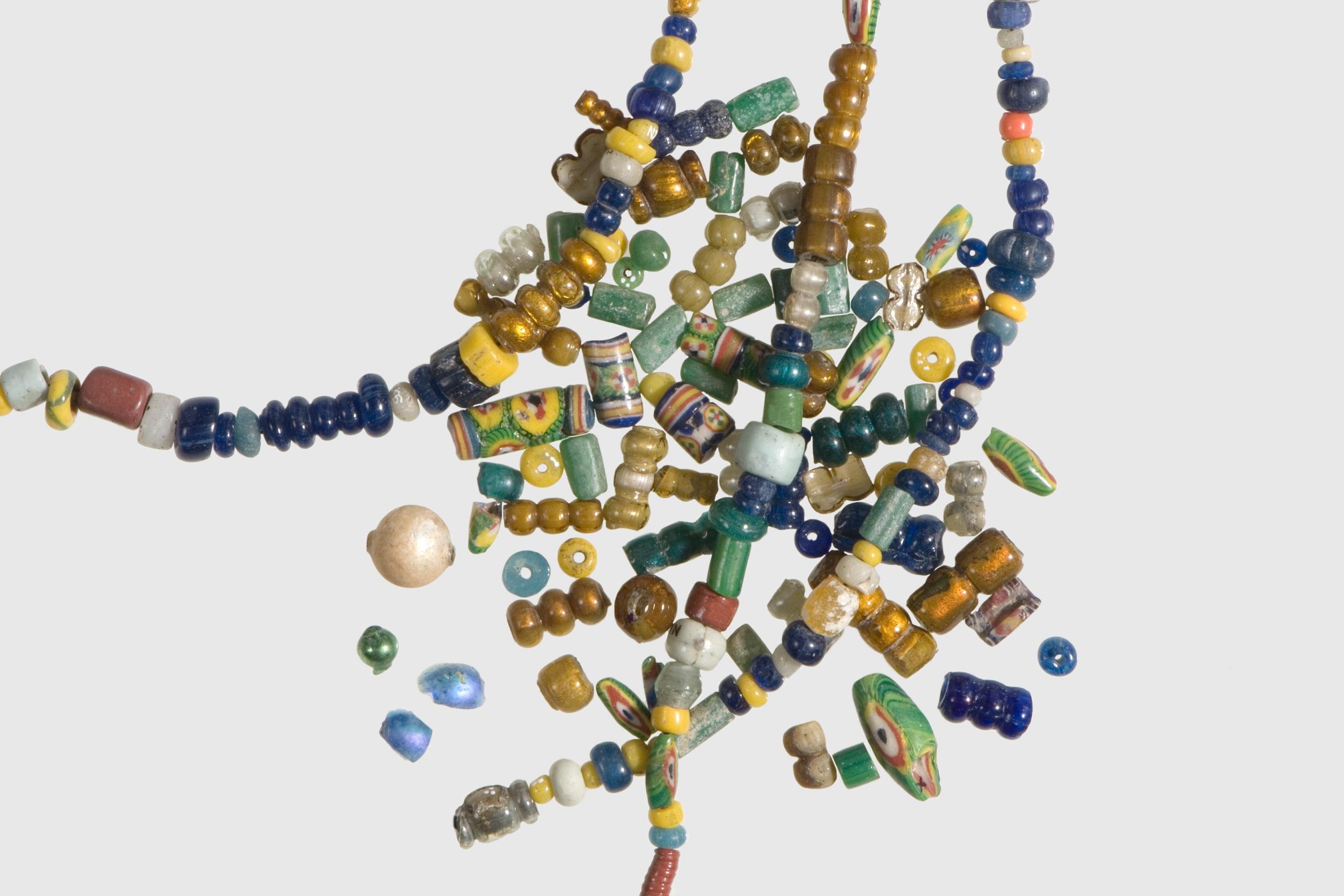
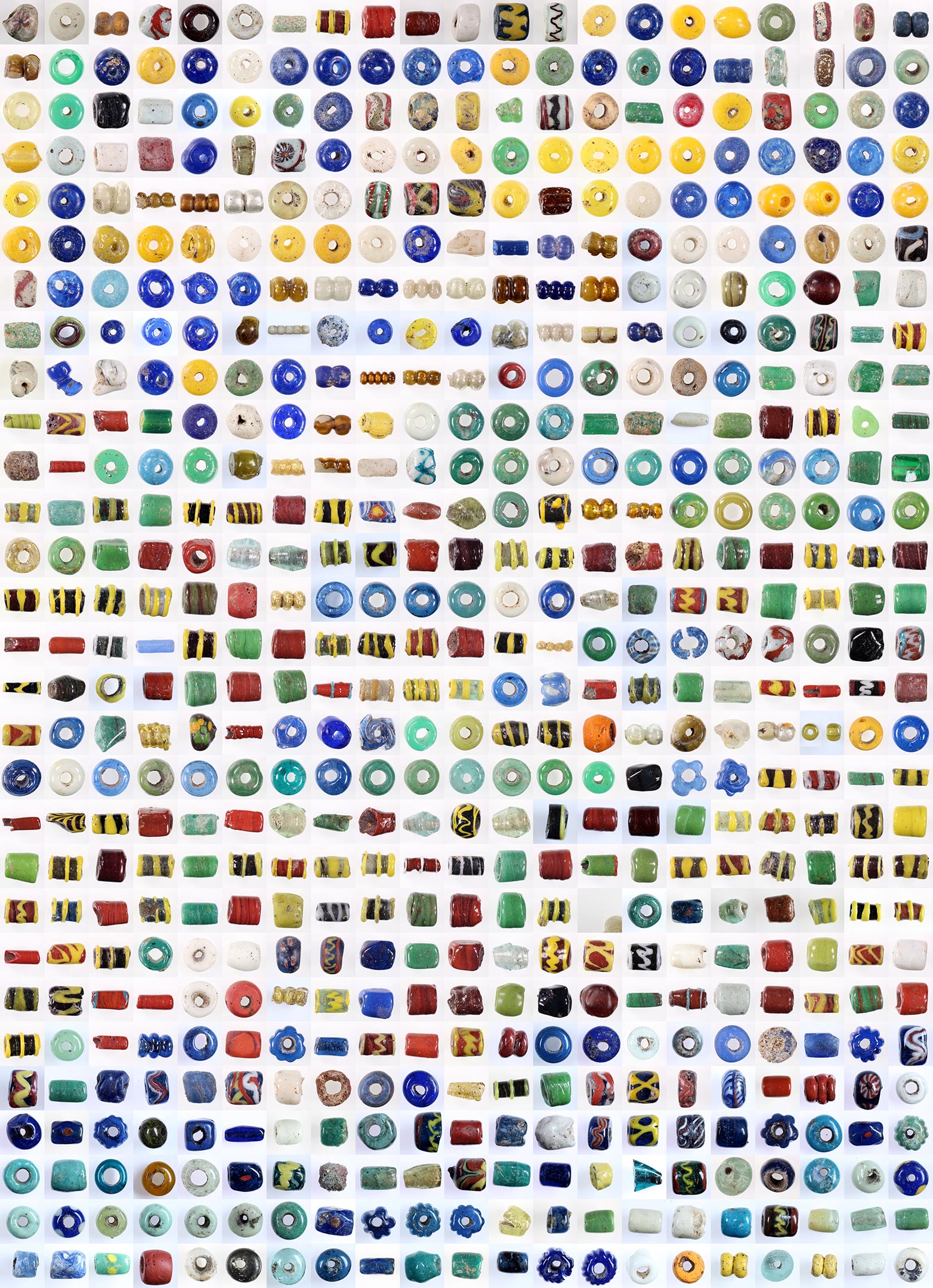
“This result shows that the expansion of Afro-Eurasian trade networks, characterized by the arrival of large numbers of Middle Eastern beads, can be dated in Ribe with precision to 790±10 CE – coinciding with the beginning of the Viking Age. However, imports brought by ship from Norway were arriving as early as 750 CE,” says Professor Søren Sindbæk, who is also a member of the team.
This groundbreaking result challenges one of the most widely accepted explanations for maritime expansions in the Viking Age – that Scandinavian seafaring took off in response to growing trade with the Middle East through Russia. Maritime networks and long-distance trade were already established decades before impulses from the Middle East caused a further expansion of these networks.
The construction of the new, annual calibration curve is a global effort to which the researchers from UrbNet and the Aarhus AMS Centre at the Department of Physics and Astronomy at Aarhus University have contributed.
“The construction of a calibration curve is a huge international effort with contributions from many laboratories around the world. Fusa Miyake’s discovery in 2012 has revolutionized our work, so that we now work with annual time resolution. New calibration curves are recurrently released, most recently in 2020, and Aarhus AMS Center has contributed significantly. The new high-resolution data from the present study will enter into a future update of the calibration curve and thus contribute to improve the precision of archaeological dates worldwide. This will provide better opportunities to understand rapid developments such as trade flows or environmental change in the past,” says Jesper Olsen, Associate Professor at Aarhus AMS Centre.
The global trends revealed by the study are essential for the archaeology of trading towns like Ribe. “The new results enable us to date the influx of new artifacts and far-reaching contacts on a much better background. This will help us to visualize and describe Viking Age Ribe in a way that will have great value for scientists, as well as helping us to present the new insight to the general public,” says Claus Feveile, curator of the Museum of Southwest Jutland.
Background Facts
One of the most spectacular episodes of pre-modern global connectivity happened in the period c. 750-1000 CE, when trade with the burgeoning Islamic empire in the Middle East connected virtually all corners of Afro-Eurasia.
The spread of coins, trade beads, and other exotic artifacts provides archaeological evidence of the trade links stretching from Southeast Asia and Africa to Siberia and the northernmost corners of Scandinavia. In the north, these long-distance connections mark the beginning of the maritime adventures that define the Viking Age. Researchers have even suggested that it was the arrival of silver and other valuable objects via Eastern Europe which sparked the first Scandinavian Viking expeditions.
It has proven difficult, however, to establish the time of arrival of the Middle Eastern beads and coins in relation to other developments in the Viking world, including the famous raids which shook Western Europe from c. 790.
Reference: “Single-year radiocarbon dating anchors Viking Age trade cycles in time” by Bente Philippsen, Claus Feveile, Jesper Olsen and Søren M. Sindbæk, 22 December 2021, Nature.
DOI: 10.1038/s41586-021-04240-5
Never miss a breakthrough: Join the SciTechDaily newsletter.
Follow us on Google and Google News.