
Close Menu
    Facebook X (Twitter) Instagram
    SciTechDaily
    • Biology
    • Chemistry
    • Earth
    • Health
    • Physics
    • Science
    • Space
    • Technology
    Facebook X (Twitter) Pinterest YouTube RSS
    SciTechDaily
    Home»Biology»Antifreeze Protein Fights Frostbite in Mice
    Biology

    Antifreeze Protein Fights Frostbite in Mice

    By Ziba Kashef, Yale UniversityFebruary 26, 20151 Comment3 Mins Read
    Facebook Twitter Pinterest Telegram LinkedIn WhatsApp Email Reddit
    Share
    Facebook Twitter LinkedIn Pinterest Telegram Email Reddit
    Antifreeze Protein Fights Frostbite
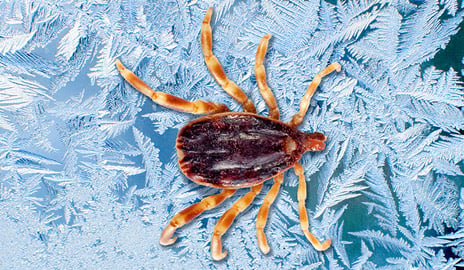
    A protein that shields ticks from freezing temperatures also prevents frostbite when introduced into mice.

    A new study from Yale University shows that a protein that protects ticks from freezing temperatures also prevents frostbite when introduced in mice. This is the first study to demonstrate the protein’s ability to boost frostbite resistance in an adult mammal.

    The research was published February 25 in the journal PLOS ONE.

    Several animal species, such as ticks and fish, have anti-freeze proteins that protect them from cold conditions. However, warm-blooded mammals do not have such proteins in their genomes and can suffer severe cold injuries such as frostbite. “We wanted to ask if you put antifreeze in mammals, can you protect them from a cold injury,” said Dr. Erol Fikrig, principal investigator, professor of medicine at Yale School of Medicine, and an investigator for the Howard Hughes Medical Institute.

    In the study, Yale investigators and their co-authors at Gulhane Military Medical Academy and Old Dominion University introduced an antifreeze protein derived from the black-legged tick into mice cells as well as in whole live mice. They first tested frostbite resistance of skin samples from mice that were treated with the antifreeze protein and from control mice. The skin samples were stored at 4 degrees Celsius for four days. At the end of four days, the skin cells from the treated mice fared better and even increased in number compared to the control samples.

    The researchers also compared the effect of the antifreeze protein on whole mice tails. After seven days of cold exposure, 60% of the treated mice showed no visible sign of frostbite compared to only 11% of control mice. The tails of treated mice also showed fewer signs of inflammation consistent with frostbite damage than control mice.

    The authors noted that the antifreeze protein prevents cold damage by limiting the growth of ice crystals that would otherwise cause tissue damage. “This study shows that if you put an antifreeze protein into warm-blooded animals, it does elicit antifreeze activity and it can protect the animal from frostbite,” Fikrig explained.

    While more research is required to test the application of the study findings beyond mice, they could have two hypothetical future benefits, noted the researchers. In the case of organ transplantation, the antifreeze protein could potentially help extend the amount of time that organs are placed in cold storage prior to transplant. Researchers could also explore the benefit of antifreeze protection for people with certain autoimmune diseases, such as scleroderma, that are characterized by cold sensitivity.

    Other authors include Martin Heisig, Sarah Mattessich, Alison Rembisz, Ali Acar, Martin Shapiro, Carmen J. Booth, and Girish Neelakanta.

    This study was supported by the National Institutes of Health, grant AI41440.

    Reference: “Frostbite Protection in Mice Expressing an Antifreeze Glycoprotein” by Martin Heisig, Sarah Mattessich, Alison Rembisz, Ali Acar, Martin Shapiro, Carmen J. Booth, Girish Neelakanta and Erol Fikrig, 25 February 2015, PLOS ONE.
    DOI: 10.1371/journal.pone.0116562

    Never miss a breakthrough: Join the SciTechDaily newsletter.
    Follow us on Google and Google News.

    Medicine Molecular Biology Yale University
    Share. Facebook Twitter Pinterest LinkedIn Email Reddit

    Related Articles

    Scientists Provide New Insights Into the Origins of Genetic Diseases

    Biochemists Reveal Secrets of a Little-Known Cancer Ally

    Yale Research Shows Leptin Spurs Body to Shift from Burning Carbs to Fat

    Researchers Identify the Molecular Pathways Involved in the Aging of Human Eggs

    Researchers Identify Molecular Factors that Push the Domino of Life into Motion

    A Closer Look at the Antifreeze Protein That Allows Siberian Beetles to Survive

    Yale Researchers Identify Cells That Morph Into Body Fat

    Atomic Level Splicing Further Establishes RNA’s Chemical and Structural Complexity

    New Design Makes Previously Inaccessible Proteins Vulnerable to Drugs

    1 Comment

    1. Chicken anon on February 27, 2015 9:34 am

      This is a really interesting article.

      Reply
    Leave A Reply Cancel Reply

    • Facebook
    • Twitter
    • Pinterest
    • YouTube

    Don't Miss a Discovery

    Subscribe for the Latest in Science & Tech!

    Trending News

    Scientists May Have Found the Key to Jupiter and Saturn’s Moon Mystery

    Scientists Uncover Brain Changes That Link Pain to Depression

    Saunas May Do More Than Raise Body Temperature – They Activate Your Immune System

    Exercise in a Pill? Metformin Shows Surprising Effects in Cancer Patients

    Hidden Oceans of Magma Could Be Protecting Alien Life

    New Study Challenges Alzheimer’s Theories: It’s Not Just About Plaques

    Artificial Sweeteners May Harm Future Generations, Study Suggests

    Splashdown! NASA Artemis II Returns From Record-Breaking Moon Mission

    Follow SciTechDaily
    • Facebook
    • Twitter
    • YouTube
    • Pinterest
    • Newsletter
    • RSS
    SciTech News
    • Biology News
    • Chemistry News
    • Earth News
    • Health News
    • Physics News
    • Science News
    • Space News
    • Technology News
    Recent Posts
    • Scientists Make Breakthrough on 40-Year-Old 2D Physics Puzzle
    • As Cities Invade the Amazon, Yellow Fever Makes a Dangerous Comeback
    • “Asian Flush” May Be a Hidden Trigger for Deadly Heart Damage
    • AI Could Detect Early Signs of Alzheimer’s in Under a Minute – Far Before Traditional Tests
    • What if Dark Matter Has Two Forms? Bold New Hypothesis Could Explain a Cosmic Mystery
    Copyright © 1998 - 2026 SciTechDaily. All Rights Reserved.
    • Science News
    • About
    • Contact
    • Editorial Board
    • Privacy Policy
    • Terms of Use

    Type above and press Enter to search. Press Esc to cancel.