
Excess salt intake is linked to a range of chronic conditions and even cognitive decline, yet patterns of discretionary salt use remain poorly understood across populations.
Salt has been used for thousands of years to flavor and preserve food. But modern diets often push intake far beyond healthy limits, raising the risk of high blood pressure, heart disease, kidney problems, and even faster cognitive decline. Health experts advise keeping daily intake below five grams (about one teaspoon), yet many people exceed that threshold without realizing it.
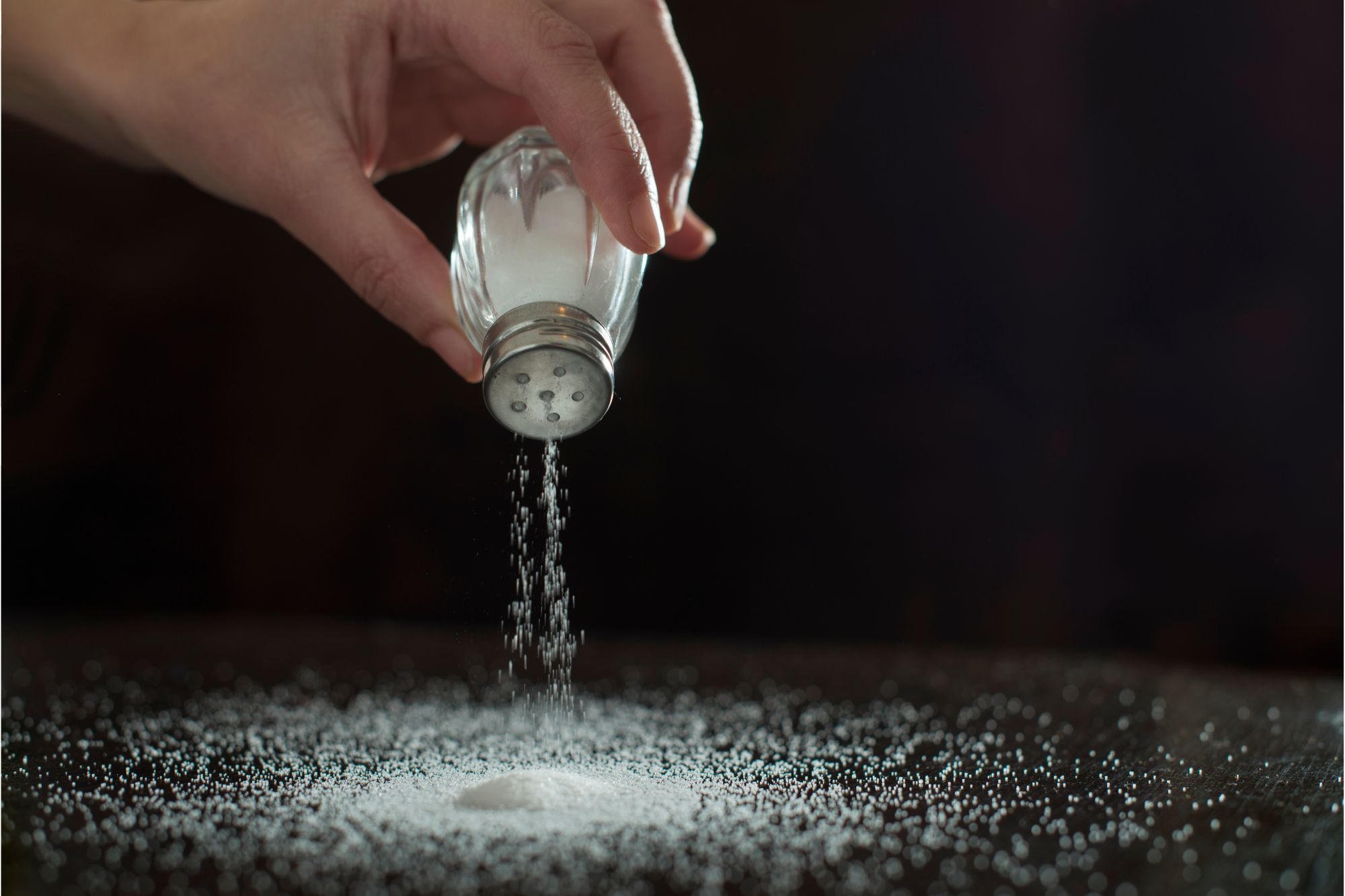
One often overlooked source is the salt added at the table, making up about 6-20% of total intake. This habit varies across social and demographic groups, yet it is not always clear who is most likely to add extra salt in different settings. To explore this, researchers in Brazil conducted a study published in Frontiers in Public Health focusing on older adults.
“Adding salt to food at the table remains a relatively common habit among Brazilian older adults and occurs more frequently among men than among women,” said first author Dr. Flávia Brito, an associate professor at Rio de Janeiro State University.
“Women’s salt-adding behavior, however, was associated with a wider range of social and dietary characteristics than men’s,” added co-author Dr. Débora Santos, a titular professor at Rio de Janeiro State University.
Who likes it extra salty?
The researchers analyzed survey data collected in 2016 and 2017 from more than 8,300 Brazilians aged 60 and older. Participants reported what they ate in the previous 24 hours and whether they regularly added salt at the table. The team also examined factors such as sex, age group, education level, living situation, income, location, and consumption of ultra-processed foods, fruits, and vegetables.
Overall, 12.7% of men and 9.4% of women said they added salt to their meals. The factors linked to this behavior differed between men and women.
“Among men, few variables were associated with the habit of adding salt, suggesting that their behavior may be less directly related to specific dietary patterns,” Brito pointed out.
“On the other hand, women’s salt-adding behavior appeared to be more closely linked to broader dietary patterns and contextual characteristics,” added Santos.
For men, only two factors stood out. Those following a diet for high blood pressure were less than half as likely to add salt compared to those without such a diet. Men living alone were 62% more likely to use extra salt than those living with others. Among women, the pattern was more complex. Women who were not on a diet to manage high blood pressure had a 68% higher likelihood of adding salt.
Living in urban areas or frequently eating ultra-processed foods doubled the odds. In contrast, women who regularly ate fruits or vegetables were 81% and 40% less likely, respectively, to add extra salt, possibly reflecting greater attention to overall diet quality.
Salty habits
The researchers noted that the study does not establish cause and effect. Salt use was self-reported, which may introduce bias, and habits may have changed since the data were collected.
They also suggested that adding salt is influenced by both taste and routine. Regular consumption of high-sodium foods can dull sensitivity to salty flavors, leading people to prefer stronger tastes. At the same time, the habit of reaching for the saltshaker may persist even when it is not needed for flavor.
Reducing salt intake will likely require changes at both the industry and individual levels, including lowering sodium in processed foods. Because patterns differ between men and women, the researchers say public health efforts should be tailored to specific groups and lifestyles.
“The use of herbs and natural seasonings as alternatives to salt or culinary techniques such as using the acidity of citrus fruits may help reduce discretionary salt use while maintaining food palatability,” concluded Santos. “Practical strategies, such as avoiding the routine placement of saltshakers on the table, may also help reduce habitual salt use.”
Reference: “The habit of adding salt to food at the table and its association with socio-demographic, anthropometric and dietary characteristics in Brazilian older adults” by Flávia dos Santos Barbosa Brito, Ariane Cristina Thoaldo Romeiro, Débora Martins dos Santos, Carla Gonçalves, Maria Eduarda Sant’Anna, Alexandre dos Santos Brito and Amanda Rodrigues Amorim Adegboye, 2 February 2026, Frontiers in Public Health.
DOI: 10.3389/fpubh.2026.1737516
Never miss a breakthrough: Join the SciTechDaily newsletter.
Follow us on Google and Google News.