
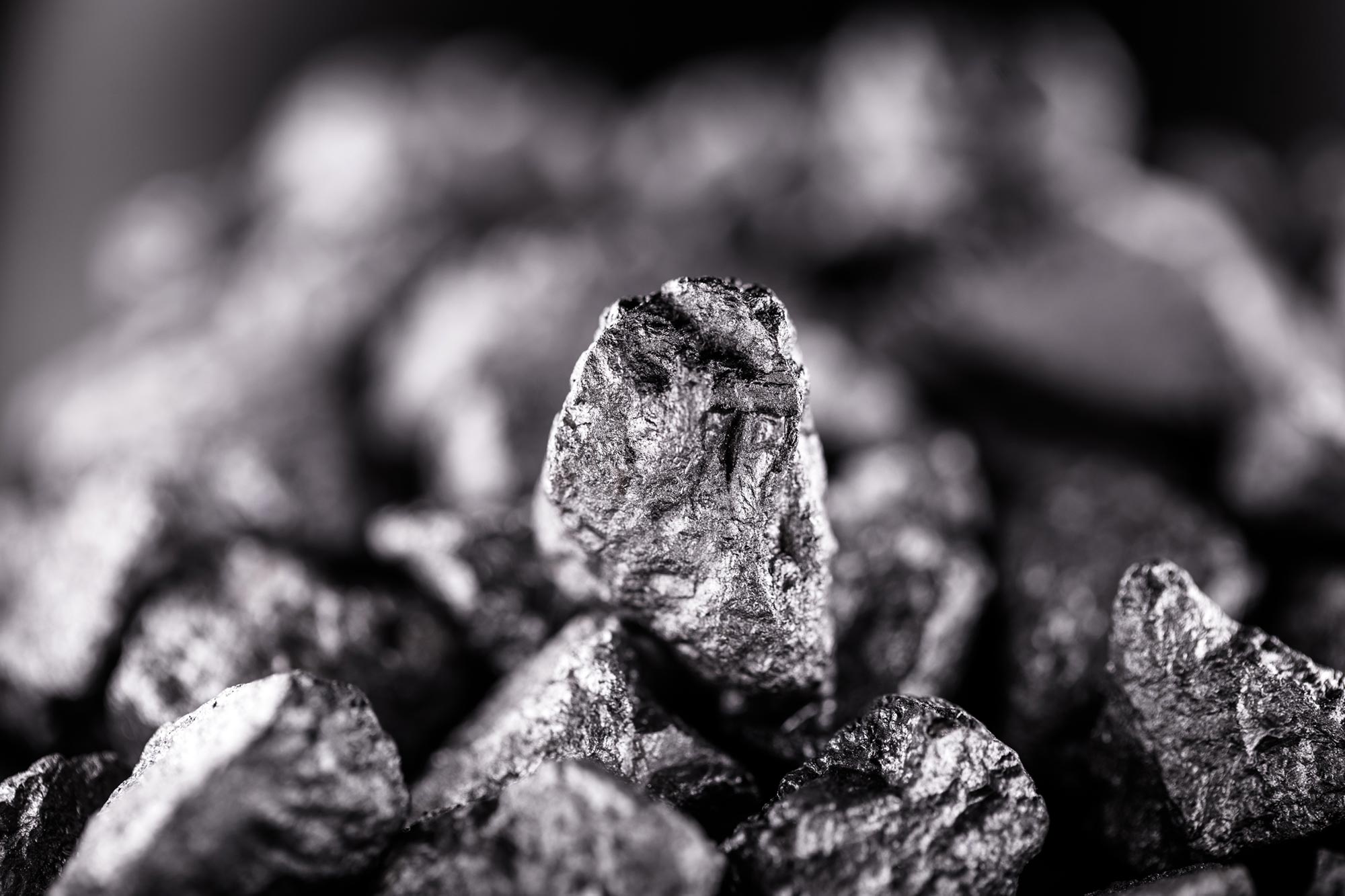
Scientists have uncovered evidence that a newly identified niobium-rich deposit in central Australia formed during the early breakup of an ancient supercontinent.
Unusual rocks found deep below central Australia are helping scientists trace the origins of a highly promising new source of niobium, a metal that plays a key role in high-strength steel and clean energy technologies. The research also explains how this deposit formed during the fragmentation of an ancient supercontinent.
The study, led by Curtin University, shows that the newly identified niobium-rich carbonatites formed more than 800 million years ago. According to the researchers, these rocks rose from deep within the Earth along long-lived fault systems during a major episode of tectonic stretching that eventually led to the breakup of the supercontinent Rodinia.
Ancient Magmas and a Breaking Supercontinent
Lead author Dr. Maximilian Dröllner, from the Timescales of Mineral Systems Group at Curtin’s Frontier Institute for Geoscience Solutions and the University of Göttingen, said the results provide valuable insight into how rare, metal-rich magmas are able to reach the Earth’s surface. He added that the findings also help explain what makes this particular niobium deposit especially significant.
“These carbonatites are unlike anything previously known in the region and contain important concentrations of niobium, a strategic metal used to make lighter, stronger steel for aircraft, pipelines, and EVs and a key component in some next-generation battery and superconducting technologies,” Dr. Dröllner said.
“Using multiple isotope-dating techniques on drill core samples, we found that these carbonatites were emplaced between 830 and 820 million years ago, during a period of continental rifting that preceded the breakup of Rodinia.
“This tectonic setting allowed carbonatite magma to rise through fault zones that had remained open and active for hundreds of millions of years, delivering metal-rich melts from deep in the mantle up into the crust.”
Timing the Formation of a Rare Deposit
Curtin co-author Professor Chris Kirkland, also from the Timescales of Mineral Systems Group, said the research shows how using advanced geochronology and isotope techniques can unravel such complex histories.
“Carbonatites are rare igneous rocks known to host major global deposits of critical metals such as niobium and rare earth elements. But determining when and how they formed has historically been difficult due to their complex geological histories,” Professor Kirkland said.
“By analyzing isotopes and using high-resolution imaging, we were able to reconstruct more than 500 million years of geological events that these rocks experienced.
“This approach allowed us to pinpoint when the carbonatites formed and separate those original magmatic events from changes that happened later in the rocks.”
Reference: “Multi-method geochronology and isotope geochemistry of carbonatites in the Aileron Province, central Australia” by Maximilian Dröllner, Christopher L Kirkland, Hugo KH Olierook, Andreas Zametzer, Bruno V Ribeiro, Jonas Kaempf, Martin Danišík, Bryant Ware, Kai Rankenburg, David E Kelsey, Rose Turnbull, Imogen OH Fielding, R Hugh Smithies, Paull Parker, Stephanie Wray, Andrew Dunn and Kate Vinnicombe, 2 September 2025, Geological Magazine.
DOI: 10.1017/S0016756825100204
Never miss a breakthrough: Join the SciTechDaily newsletter.
Follow us on Google and Google News.