
Close Menu
    Facebook X (Twitter) Instagram
    SciTechDaily
    • Biology
    • Chemistry
    • Earth
    • Health
    • Physics
    • Science
    • Space
    • Technology
    Facebook X (Twitter) Pinterest YouTube RSS
    SciTechDaily
    Home»Health»Bath Salts Epidemic: Pentylone Use Surges by 75%, Experts Warn
    Health

    Bath Salts Epidemic: Pentylone Use Surges by 75%, Experts Warn

    By University of South AustraliaApril 12, 2024No Comments3 Mins Read
    Facebook Twitter Pinterest Telegram LinkedIn WhatsApp Email Reddit
    Share
    Facebook Twitter LinkedIn Pinterest Telegram Email Reddit
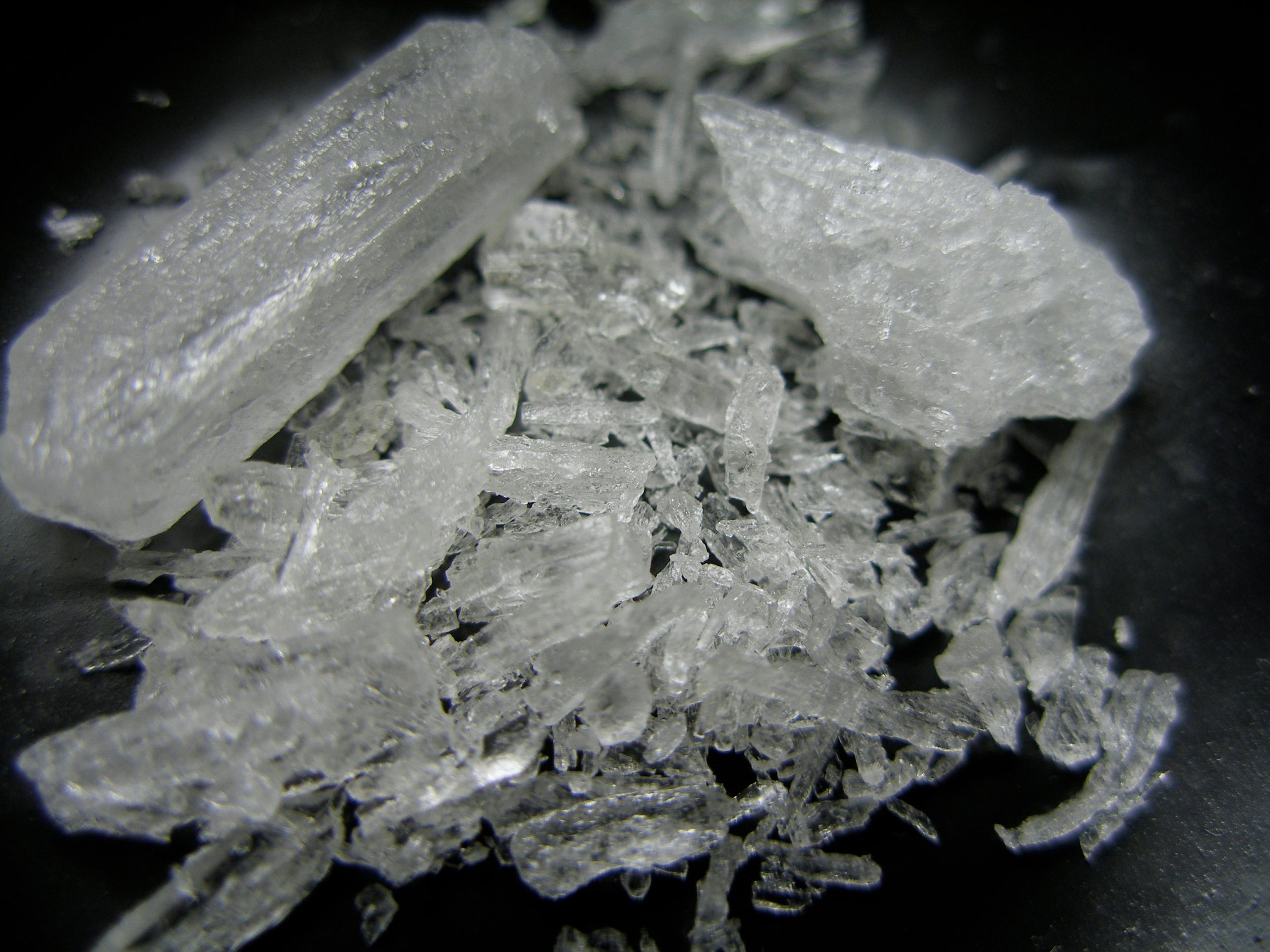
    Crystal Meth
    Recent research from the University of South Australia shows a 75% increase in detections of the synthetic stimulant pentylone, indicating a rise in its usage across Australia. The study highlights the dangers of novel psychoactive substances and the value of wastewater monitoring in identifying and mitigating the risks associated with illicit drug trends. Credit: Radspunk, CC BY-SA 4.0

    As law enforcement intensifies efforts against illegal substances, experts from the University of South Australia have raised concerns about the consumption of the synthetic stimulant pentylone. Recent studies reveal a 75% surge in its detection throughout Australia.

    In a new study as part of the Australian Criminal Intelligence Commission’s National Wastewater Drug Monitoring Program, researchers identified 20 different novel psychoactive substances (NPS) in wastewater treatment plants across Australia (between Feb 22-23) with pentylone detected at every collection site. Other NPS, eutylone, and phenibut were also commonly detected.

    Pentylone, (street name ‘bath salts’), is a highly potent and unpredictable synthetic cathinone*, producing similar effects to stimulants such as methamphetamine or MDMA. This group of drugs produces stronger effects that wear off faster, leading to more frequent use.

    Users of novel psychoactive substances are at risk due to limited information about the toxicity and unpredictable effects of these compounds.

    In 2022 Australia had 1693 drug-induced deaths (64% males and 36% females).

    Research Insights and Findings

    UniSA researcher, Dr Emma Jaunay says any changes to drug levels in wastewater can provide an early warning for NPS circulating in the illicit drug market.

    “Novel psychoactive substances are drugs that have been designed to mimic established illicit drugs, such as cannabis, cocaine, MDMA and LSD,” Dr Jaunay says. “These types of drugs are unregulated and untested, and by nature, their chemical composition is constantly changing to stay ahead of the law. When they first appear, they’re commonly called ‘legal highs’ because they are not yet classed as controlled or prohibited substances. In this study, we tested wastewater from across Australia to determine what type of NPS was being used across the year. Of the 59 different NPS we looked for, 20 were found in wastewater across the study ­­– some occasionally, while others were at every site for multiple collections.

    She continues, “The most common group of NPS detected were synthetic cathinones, also known as ‘bath salts’, which mimic the effect of stimulant drugs like MDMA. Specifically, we detected an increase in pentylone across Australia, with frequencies rising from 25% in April in 2022 to 100% across all states and territories by December of that same year. Interestingly, we found pentylone displaced eutylone, which highlights the constantly evolving nature of NPS, and how quickly drug preferences change.”

    This study is unique in that the sample intentionally avoided special events and holiday periods to determine more typical trends across the year.

    “Changes to drug levels present in wastewater can provide early signals about drug use and raise awareness of new drugs with harm potential,” Dr Jaunay says. “Routine monitoring provides valuable insights about illicit drugs and their ‘legal’ counterparts before overdoses and fatalities occur.”

    Reference: “Monitoring the use of novel psychoactive substances in Australia by wastewater-based epidemiology” by Emma L. Jaunay, Richard Bade, Kara R. Paxton, Dhayaalini Nadarajan, Daniel C. Barry, Yuze Zhai, Benjamin J. Tscharke, Jake W. O’Brien, Jochen Mueller, Jason M. White, Bradley S. Simpson and Cobus Gerber, 28 January 2024, Science of The Total Environment.
    DOI: 10.1016/j.scitotenv.2024.170473

    Never miss a breakthrough: Join the SciTechDaily newsletter.
    Follow us on Google and Google News.

    Drugs Public Health University of South Australia Wastewater
    Share. Facebook Twitter Pinterest LinkedIn Email Reddit

    Related Articles

    Wastewater Analyzed to Map International Drug Use – Here Are the Shocking Results

    Financial Incentives Influence Doctors Alcohol Advice to Patients

    A Lethal Dose for $1 – Fentanyl’s Risk on the ‘Darknet’

    Stemming the Opioid Crisis: New Addiction Treatments Hold Promise

    Warning: Antibiotic-Resistant Bacteria Spread by Washing Machines

    Warning: Dangerous Pathogens May Be Lurking in Your Energy-Efficient Washing Machine

    Young, White, Daily Opioid Users More Likely to Prefer Fentanyl

    Medications Can Help As Opioid Treatment for Teens

    Teens Abusing Opioids May Benefit From Medication Treatment

    Leave A Reply Cancel Reply

    • Facebook
    • Twitter
    • Pinterest
    • YouTube

    Don't Miss a Discovery

    Subscribe for the Latest in Science & Tech!

    Trending News

    Your Blood Pressure Reading Could Be Wrong Because of One Simple Mistake

    Astronomers Stunned by Ancient Galaxy With No Spin

    Physicists May Be on the Verge of Discovering “New Physics” at CERN

    Scientists Solve 320-Million-Year Mystery of Reptile Skin Armor

    Scientists Say This Daily Walking Habit May Be the Secret to Keeping Weight Off After Dieting

    New Therapy Rewires the Brain To Restore Joy in Depression Patients

    Giant Squid Detected off Western Australia in Stunning Deep-Sea Discovery

    Popular Sugar-Free Sweetener Linked to Liver Disease, Study Warns

    Follow SciTechDaily
    • Facebook
    • Twitter
    • YouTube
    • Pinterest
    • Newsletter
    • RSS
    SciTech News
    • Biology News
    • Chemistry News
    • Earth News
    • Health News
    • Physics News
    • Science News
    • Space News
    • Technology News
    Recent Posts
    • Hidden Warm Water Beneath Antarctica Could Rapidly Raise Global Sea Levels
    • Scientists Revive Ancient Chemistry Trick To Engineer Next-Generation Glass
    • Scientists Use AI To Supercharge Ultrafast Laser Simulations by More Than 250x
    • Scientists Just Found a Surprising Way To Destroy “Forever Chemicals”
    • Popular Supplement Ingredient Linked to Shorter Lifespan in Men
    Copyright © 1998 - 2026 SciTechDaily. All Rights Reserved.
    • Science News
    • About
    • Contact
    • Editorial Board
    • Privacy Policy
    • Terms of Use

    Type above and press Enter to search. Press Esc to cancel.