
Close Menu
    Facebook X (Twitter) Instagram
    SciTechDaily
    • Biology
    • Chemistry
    • Earth
    • Health
    • Physics
    • Science
    • Space
    • Technology
    Facebook X (Twitter) Pinterest YouTube RSS
    SciTechDaily
    Home»Technology»Beyond Silicon: New Sustainable Method for Creating Organic Semiconductors
    Technology

    Beyond Silicon: New Sustainable Method for Creating Organic Semiconductors

    By Linköping UniversityJanuary 26, 2024No Comments3 Mins Read
    Facebook Twitter Pinterest Telegram LinkedIn WhatsApp Email Reddit
    Share
    Facebook Twitter LinkedIn Pinterest Telegram Email Reddit
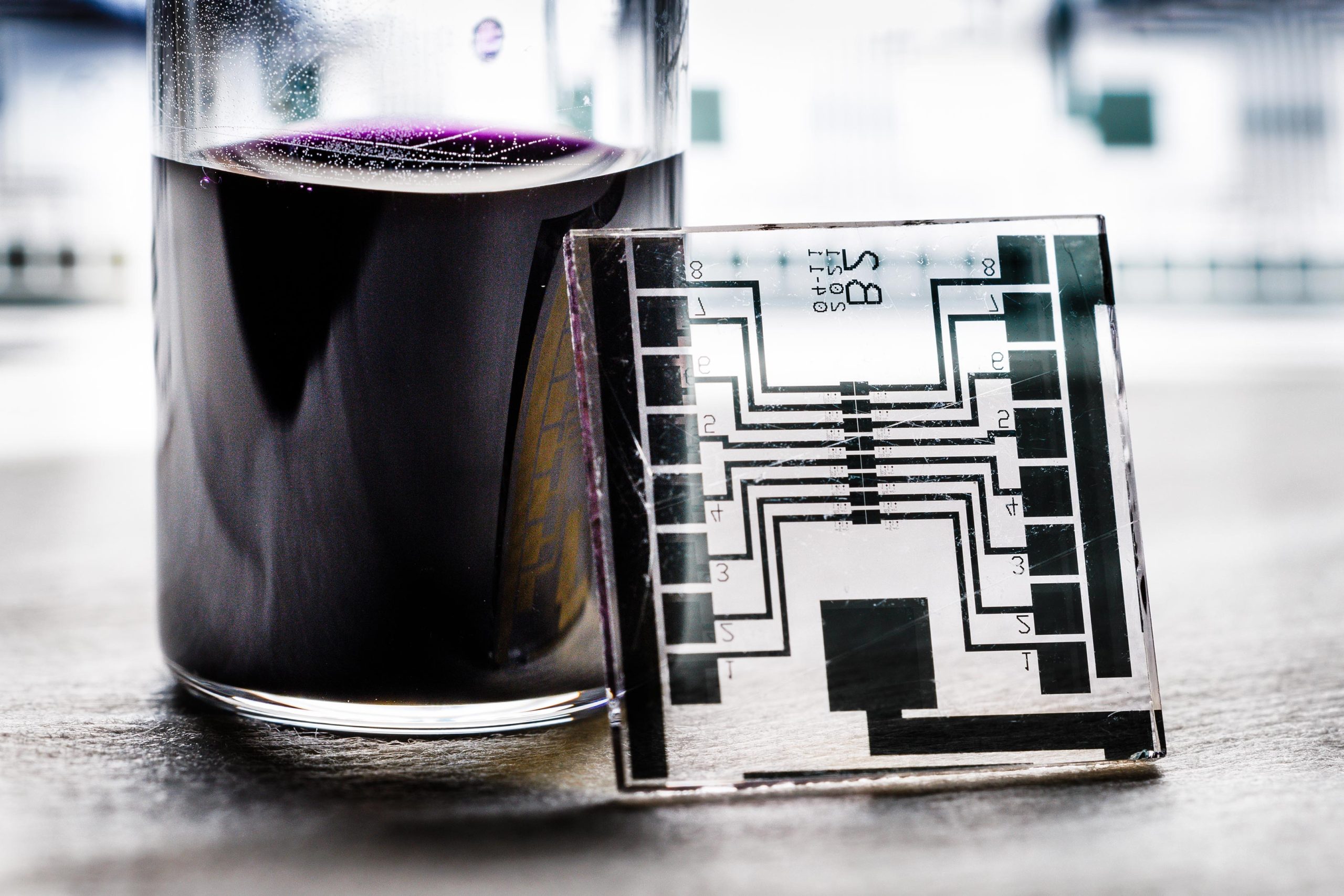
    Highly Conductive Ink for Creating Organic Semiconductors
    The research from Linköping University introduces a new approach to processing conjugated polymers using benign solvents such as water. The new inks are also highly conductive. Credit: Thor Balkhed

    Researchers at Linköping University, Sweden, have developed a new, more environmentally friendly way to create conductive inks for use in organic electronics such as solar cells, artificial neurons, and soft sensors. The findings, published in the journal Nature Communications, pave the way for future sustainable technology.

    Organic electronics are on the rise as a complement and, in some cases, a replacement to traditional silicon-based electronics. Thanks to simple manufacturing, high flexibility, and low weight combined with the electrical properties typically associated with traditional semiconductors, it can be useful for applications such as digital displays, energy storage, solar cells, sensors, and soft implants.

    Challenges in Organic Electronics

    Organic electronics are built from semiconducting plastics, known as conjugated polymers. However, processing conjugated polymers often requires environmentally hazardous, toxic, and flammable solvents. This is a major obstacle to the wide commercial and sustainable use of organic electronics.

    A Breakthrough in Conductive Inks

    Now, researchers at Linköping University have developed a new sustainable method for processing these polymers from water. In addition to being more sustainable, the new inks are also highly conductive.
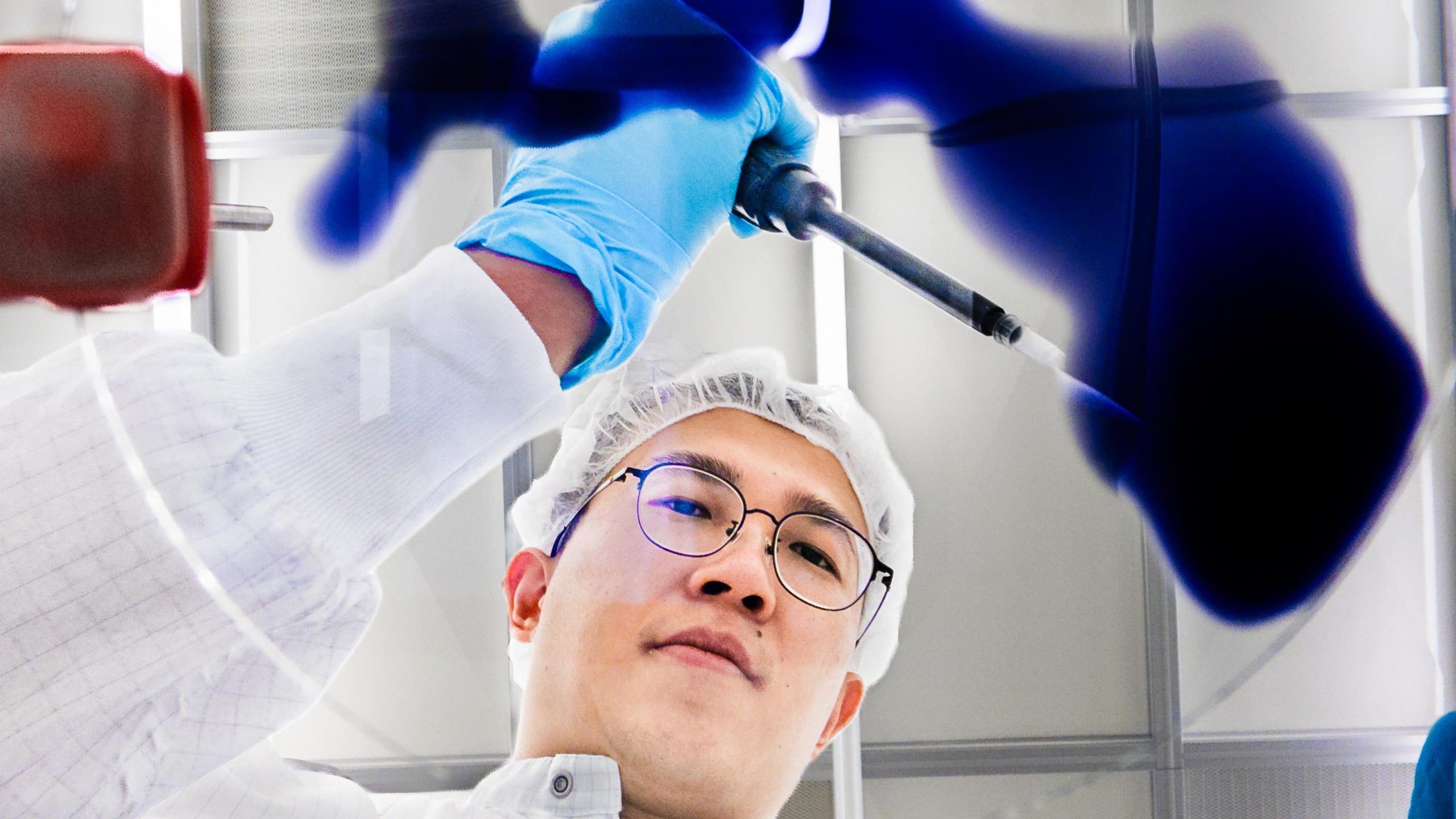
    Tiefeng Liu
    Tiefeng Liu, postdoc at the Laboratory of Organic Electronics. Credit: Thor Balkhed

    “Our research introduces a new approach to processing conjugated polymers using benign solvents such as water. With this method, called ground-state electron transfer, we not only get around the problem of using hazardous chemicals, but we can also demonstrate improvements in material properties and device performance,” says Simone Fabiano, senior associate professor at the Laboratory of Organic Electronics.

    Enhanced Performance and Sustainability

    When researchers tested the new conductive ink as a transport layer in organic solar cells, they found that both stability and efficiency were higher than with traditional materials. They also tested the ink to create electrochemical transistors and artificial neurons, demonstrating operating frequencies similar to biological neurons.

    “I believe that these results can have a transformative impact on the field of organic electronics. By enabling the processing of organic semiconductors from green and sustainable solvents like water, we can mass-produce electronic devices with minimal impact on the environment,” says Simone Fabiano, a Wallenberg Academy Fellow.

    Reference: “Ground-state electron transfer in all-polymer donor:acceptor blends enables aqueous processing of water-insoluble conjugated polymers” by Tiefeng Liu, Johanna Heimonen, Qilun Zhang, Chi-Yuan Yang, Jun-Da Huang, Han-Yan Wu, Marc-Antoine Stoeckel, Tom P. A. van der Pol, Yuxuan Li, Sang Young Jeong, Adam Marks, Xin-Yi Wang, Yuttapoom Puttisong, Asaminew Y. Shimolo, Xianjie Liu, Silan Zhang, Qifan Li, Matteo Massetti, Weimin M. Chen, Han Young Woo, Jian Pei, Iain McCulloch, Feng Gao, Mats Fahlman, Renee Kroon and Simone Fabiano, 20 December 2023, Nature Communications.
    DOI: 10.1038/s41467-023-44153-7

    Never miss a breakthrough: Join the SciTechDaily newsletter.
    Follow us on Google and Google News.

    Linkoping University Semiconductors
    Share. Facebook Twitter Pinterest LinkedIn Email Reddit

    Related Articles

    Revolutionizing Electronics: Air-Doped Organic Semiconductors Unveiled

    New Conductive Polymer Ink Paves Way for Next-Generation Printed Electronics

    Technology Breakthrough Enables Practical Semiconductor Spintronics

    Chance Discovery Results in New Type of Transistor for High-Power Electronic Devices

    Large Scale Integrated Circuits Produced in Printing Press Based on Organic Electrochemical Transistors

    First Integrated Chemical Circuits Developed Using Ion Transistors

    Bismuth-Antimony Material Shares Graphene’s Unusual Properties

    Analyzing the Environmental Costs and Impacts of Technology

    Using Lasers to Cool Semiconductors

    Leave A Reply Cancel Reply

    • Facebook
    • Twitter
    • Pinterest
    • YouTube

    Don't Miss a Discovery

    Subscribe for the Latest in Science & Tech!

    Trending News

    Tea or Coffee? Your Daily Choice Could Affect Osteoporosis Risk

    Vitamin C May Fight Cancer in a Surprising Way

    Hidden Earthquake Threat: Oregon’s Fault May Be Closer to the Surface Than Scientists Thought

    Scientists Discover Hidden Sleep Switch That Boosts Brainpower, Builds Muscle, and Burns Fat

    Ancient Mega-Floods Once Ripped Across Mars and Left This Giant Scar

    Scientists Discover Cheap, Natural Remedy for High Blood Pressure

    Earth’s Upper Atmosphere Is Cooling Fast and Scientists Finally Know Why

    32,000 Olympic Pools of Magma Nearly Erupted Beneath Atlantic Island

    Follow SciTechDaily
    • Facebook
    • Twitter
    • YouTube
    • Pinterest
    • Newsletter
    • RSS
    SciTech News
    • Biology News
    • Chemistry News
    • Earth News
    • Health News
    • Physics News
    • Science News
    • Space News
    • Technology News
    Recent Posts
    • Ancient DNA Reveals How Farming Spread and Nearly Broke a Civilization
    • 146,000-Year-Old Discovery Rewrites the Story of Human Creativity
    • The Type of Alcohol You Drink Could Affect How Long You Live
    • 19-Year Study Reveals the Surprising Truth About Sitting and Dementia
    • This Common Vitamin May Help Stop Prediabetes From Turning Into Diabetes
    Copyright © 1998 - 2026 SciTechDaily. All Rights Reserved.
    • Science News
    • About
    • Contact
    • Editorial Board
    • Privacy Policy
    • Terms of Use

    Type above and press Enter to search. Press Esc to cancel.