
Close Menu
    Facebook X (Twitter) Instagram
    SciTechDaily
    • Biology
    • Chemistry
    • Earth
    • Health
    • Physics
    • Science
    • Space
    • Technology
    Facebook X (Twitter) Pinterest YouTube RSS
    SciTechDaily
    Home»Biology»Biologists Close In On Cells That Drive Immune Response To Cancer
    Biology

    Biologists Close In On Cells That Drive Immune Response To Cancer

    By Jon Atherton, Yale UniversityMarch 20, 2019No Comments2 Mins Read
    Facebook Twitter Pinterest Telegram LinkedIn WhatsApp Email Reddit
    Share
    Facebook Twitter LinkedIn Pinterest Telegram Email Reddit
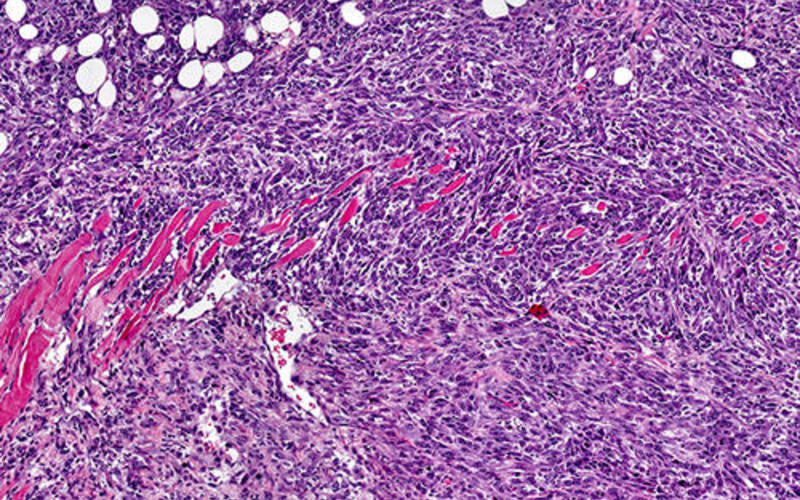
    Scientists Narrow In On Immune Response Cancer Cells
    Scientists narrow in on cells that drive immune response to cancer. Credit: Yale University

    Immunotherapy, using the body’s own immune system to target and destroy cancer cells, is one of the most promising frontiers in cancer research, but many patients do not respond to the therapies for reasons not fully understood.

    Scientists at the Yale Systems Biology Institute have taken a step closer to understanding how the genetic makeup of cancer cells directs the formation of a cancer and influences the tumor microenvironment.

    Published in the journal Cell Systems, the researchers profiled genes that drive the formation of tumors using genome-scale in vivo CRISPR screens in hosts with different levels of immune response.

    Led by Sidi Chen, assistant professor of Genetics at Yale School of Medicine, the scientists mapped genes in mice to identify those known to have potential importance to cell aggression or immunity acquisition.

    They found a single, lesser known gene “Prkar1a,” that when deleted from cells led to rapid tumor formation, outgrowing every other gene tested. When removed, this gene also changed the tumor environment, increasing inflammation and altering immune responses.

    Their findings show that tumor-intrinsic mutations in this specific gene drastically alter the genetic program of cancer cells, and remodel the microenvironment of tumors.

    “How cancer cells evade detection by the immune system and which genes activate which pathways to suppress the immune system is relevant for different types of cancer,” said Adan Codina, a graduate student in the Chen lab and first author of the study.

    The relatively unknown gene is expected to provide researchers with a deeper understanding of how different types of immune suppressive cells are “recruited” to a tumor, and how associated changes can help future classifications of patient responses to different types of immunotherapy.

    Reference: “Convergent Identification and Interrogation of Tumor-Intrinsic Factors that Modulate Cancer Immunity In Vivo”by Adan Codina, Paul A. Renauer, Guangchuan Wang, Ryan D. Chow, Jonathan J. Park, Hanghui Ye, Kerou Zhang, Matthew B. Dong, Brandon Gassaway, Lupeng Ye, Youssef Errami, Li Shen, Alan Chang, Dhanpat Jain, Roy S. Herbst, Marcus Bosenberg, Jesse Rinehart, Rong Fan and Sidi Chen, 20 February 2019, Cell Systems.
    DOI: 10.1016/j.cels.2019.01.004

    Never miss a breakthrough: Join the SciTechDaily newsletter.
    Follow us on Google and Google News.

    Cancer Immunobiology Immunology Yale University
    Share. Facebook Twitter Pinterest LinkedIn Email Reddit

    Related Articles

    Scientists Finally Reveal How Cancer-Fighting T Cells Switch On

    Yale Scientists Reveal Underlying Cause of Myeloma

    Biologists Identify a New Approach to Cancer Immunotherapy

    TH17 Cells Convert From Pro-Inflammatory to Anti-Inflammatory

    DNA Mutations Can Be Good in Brain Tumors

    “Personalized” Tumor Vaccine Works on Hard-to-Treat Leukemia

    Combination of Immune Stimulating Antibodies Shows Promising Results Against Advanced Melanoma

    Nanogels Provide a New Way to Attack Lupus

    Immune System May Trigger Melanoma Growth

    Leave A Reply Cancel Reply

    • Facebook
    • Twitter
    • Pinterest
    • YouTube

    Don't Miss a Discovery

    Subscribe for the Latest in Science & Tech!

    Trending News

    Why Popular Diabetes Drugs Like Ozempic Don’t Work for Everyone: The “Genetic Glitch”

    Scientists Stunned After Finding Plant Thought Extinct for 60 Years

    Scientists Discover Tiny New Spider That Hunts Prey 6x Its Size

    Natural Component From Licorice Shows Promise for Treating Inflammatory Bowel Disease

    Scientists Warn: Popular Sweetener Linked to Dangerous Metabolic Effects

    Monster Storms on Jupiter Unleash Lightning Beyond Anything on Earth

    Scientists Create “Liquid Gears” That Spin Without Touching

    The Simple Habit That Could Help Prevent Cancer

    Follow SciTechDaily
    • Facebook
    • Twitter
    • YouTube
    • Pinterest
    • Newsletter
    • RSS
    SciTech News
    • Biology News
    • Chemistry News
    • Earth News
    • Health News
    • Physics News
    • Science News
    • Space News
    • Technology News
    Recent Posts
    • Trees Emit Tiny Lightning Flashes During Storms and Scientists Finally Prove It
    • Forget Chemicals. This Plant Removes Microplastics From Water
    • Breakthrough Crystal Lets Scientists “Write” Nanoscale Patterns With Light
    • Pomegranate Compound Could Help Protect Against Heart Disease
    • Your Blood Test Might Already Show Alzheimer’s Risk
    Copyright © 1998 - 2026 SciTechDaily. All Rights Reserved.
    • Science News
    • About
    • Contact
    • Editorial Board
    • Privacy Policy
    • Terms of Use

    Type above and press Enter to search. Press Esc to cancel.