
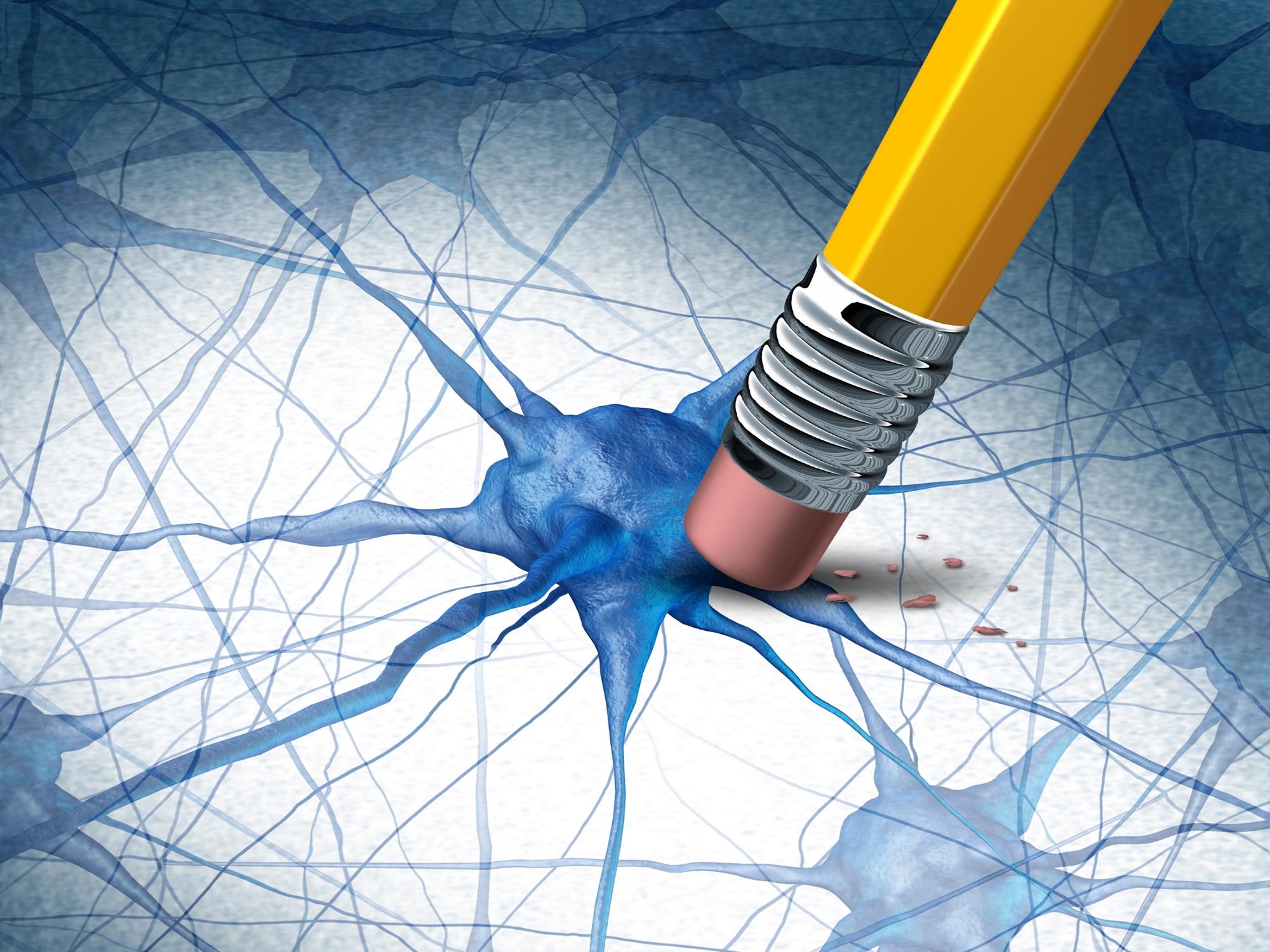
A major international study shows that increasing a naturally occurring molecule can help restore memory in animal models of Alzheimer’s disease. The findings raise hopes for the development of new treatments for people with Alzheimer’s disease.
Alzheimer’s disease (AD) is the most common cause of dementia and affects close to 40 million people worldwide. As the condition progresses, individuals gradually lose memory, cognitive abilities, and independence. Despite decades of intensive research, there are still no treatments capable of stopping or reversing the underlying disease process.
One of the key drivers of brain dysfunction in AD is the protein tau. Under normal conditions, tau helps maintain the internal structure of neurons, supporting the transport systems that allow nerve cells to function properly. In Alzheimer’s disease, however, tau becomes abnormally modified and begins to clump together. These aggregates interfere with normal cellular transport, damage neurons, and ultimately contribute to memory impairment.
Now, an international team of scientists has identified a previously unrecognized way to protect the brain from this degeneration. Their research shows that increasing levels of the naturally occurring molecule NAD⁺ can counteract neurological damage linked to Alzheimer’s disease. The study was published in the journal Science Advances.
The collaboration was led by Associate Professor Evandro Fei Fang at the University of Oslo and Akershus University Hospital in Norway, together with Professor Oscar Junhong Luo from Jinan University in China and Associate Professor Joana M. Silva from the University of Minho in Portugal.
How NAD⁺ supports brain health
NAD⁺ (Nicotinamide adenine dinucleotide, oxidized form) is an essential molecule involved in cellular energy production and the ability of neurons to cope with stress. Levels of NAD⁺ naturally decline with age and drop even further in many neurodegenerative disorders.
“Previous research has suggested that boosting NAD⁺ using precursor compounds such as nicotinamide riboside (NR) or nicotinamide mononucleotide (NMN) can produce beneficial effects in animal models of AD and in early-stage clinical studies. However, the biological processes responsible for these effects have remained poorly understood,” explains first author Alice Ruixue Ai.
The new study reveals that NAD⁺ works through a previously unidentified RNA-splicing pathway. This pathway is regulated by a protein called EVA1C, which plays an essential role in the process of RNA splicing. RNA splicing allows a single gene to produce multiple isoforms of a protein, and one isoform may show distinctive effects on the other isoforms. Its dysregulation is one of the most recently acknowledged risk factors for AD.
The researchers discovered that when NAD⁺ levels are increased, EVA1C helps correct mistakes in RNA splicing. This restoration process improves the function of hundreds of genes, many crucial for brain health, which can help reverse the neurodegenerative damage caused by tau.
Cross-species validation from worms to mice to the human brain
To demonstrate the impact of this mechanism, the researchers used a comprehensive approach that included computer predictions and validation in different animal models, including worms, mice, as well as human brain samples.
They first identified age-related changes in RNA splicing in a specific type of worm. They found that adding NAD⁺ could correct the splicing issues caused by the toxic tau protein. In mice with tau-related mutations, NAD⁺ supplements improved RNA splicing, restored brain function, and enhanced memory performance. “Notably, we found when the EVA1C gene was knocked down, these benefits were lost, confirming that EVA1C is essential for NAD⁺-mediated neuroprotection,” Associate Professor Evandro Fei Fang-Stavem says.
Aligned with these animal studies, EVA1C levels were significantly reduced in brain cells from people with early AD.
Using AI to uncover the mechanism
To further investigate how EVA1C works, the team used an AI-driven platform to predict how proteins interact with one another, analyzing structural, sequential, and evolutionary data from millions of proteins.
This analysis revealed that NAD⁺ promotes a specific form of EVA1C that efficiently binds to essential proteins, which are central to protein folding and clearance. This connection links metabolic homeostasis, RNA splicing processes and protein management, three processes that are critically impaired in AD.
Towards new Alzheimer’s treatments
By establishing the connection between NAD⁺ and EVA1C, this study lays the groundwork for the development of new therapies and optimization of NAD⁺ augmentation strategies in humans.
“We propose that maintaining NAD⁺ levels could help preserve neuronal identity and delay cognitive decline, paving the way for combination treatments to enhance RNA splicing”, Ai says.
Reference: “NAD+ reverses Alzheimer’s neurological deficits via regulating differential alternative RNA splicing of EVA1C” by Ruixue Ai, Lipeng Mao, Xurui Jin, Carlos Campos-Marques, Shi-qi Zhang, Junping Pan, Maria Jose Lagartos-Donate, Shu-Qin Cao, Beatriz Barros-Santos, Rita Nóbrega-Martins, Filippos Katsaitis, Guang Yang, Chenglong Xie, Xiongbin Kang, Pingjie Wang, Manuele Novello, Yang Hu, Linda Hildegard Bergersen, Jon Storm-Mathisen, Hidehito Kuroyanagi, Beatriz Escobar-Doncel, Noemí Villaseca González, Farrukh Abbas Chaudhry, Zeyuan Wang, Qiang Zhang, Guang Lu, Ioannis Sotiropoulos, Zhangming Niu, Guobing Chen, Rajeevkumar Raveendran Nair, Joana Margarida Silva, Oscar Junhong Luo and Evandro Fei Fang, 7 November 2025, Science Advances.
DOI: 10.1126/sciadv.ady9811
Never miss a breakthrough: Join the SciTechDaily newsletter.
Follow us on Google and Google News.