
Close Menu
    Facebook X (Twitter) Instagram
    SciTechDaily
    • Biology
    • Chemistry
    • Earth
    • Health
    • Physics
    • Science
    • Space
    • Technology
    Facebook X (Twitter) Pinterest YouTube RSS
    SciTechDaily
    Home»Health»Brain Cells Behind Depression Identified for the First Time
    Health

    Brain Cells Behind Depression Identified for the First Time

    By McGill UniversitySeptember 22, 20251 Comment3 Mins Read
    Facebook Twitter Pinterest Telegram LinkedIn WhatsApp Email Reddit
    Share
    Facebook Twitter LinkedIn Pinterest Telegram Email Reddit
    Woman Brain Confused Depressed Cognitive Function
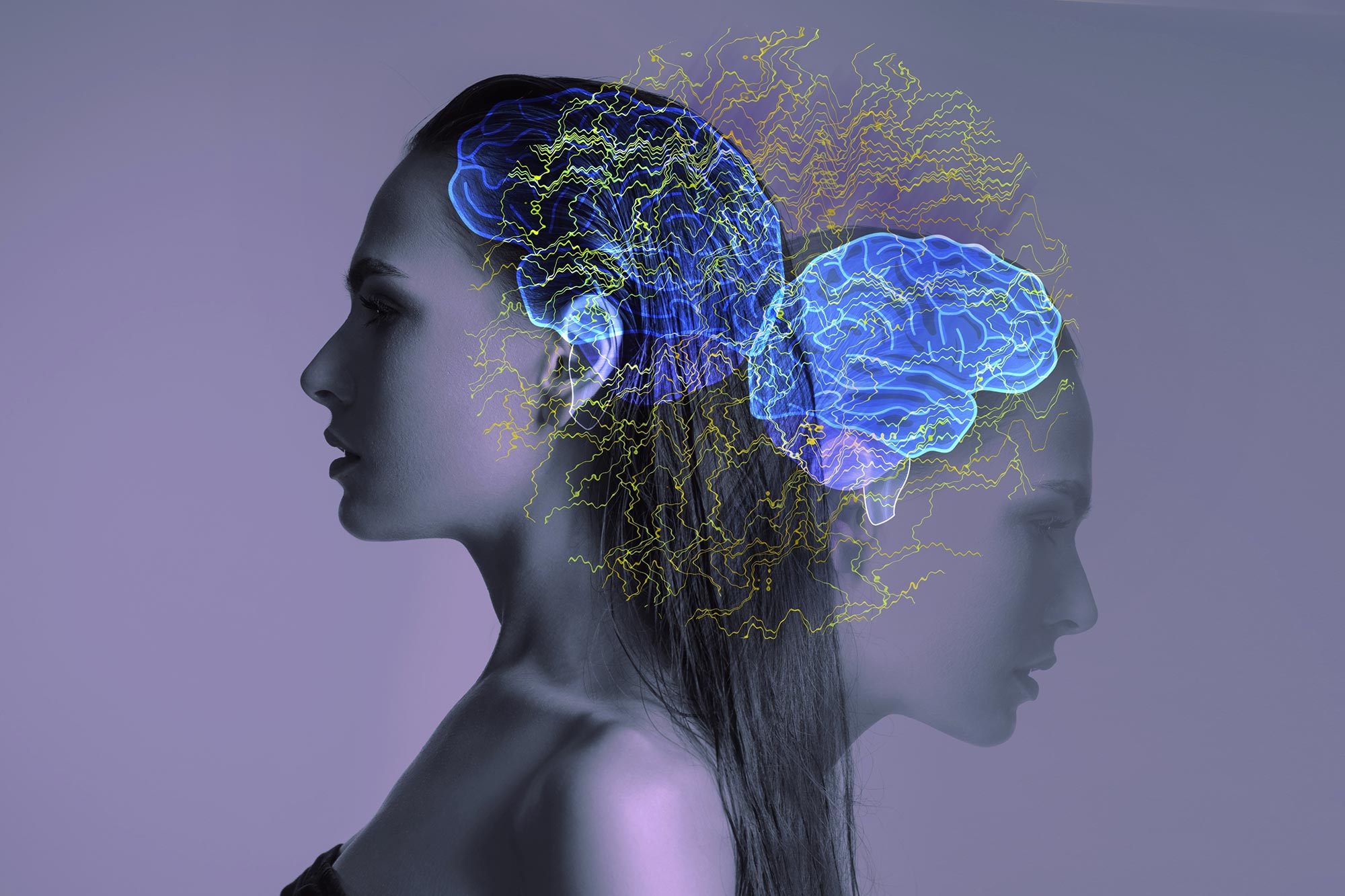
    A breakthrough study has identified specific brain cells altered in depression, revealing biological disruptions that could pave the way for targeted therapies. Credit: Shutterstock

    Research on rare post-mortem brain tissue shows changes in gene activity, offering new insight into the biological basis of depression.

    Researchers from McGill University and the Douglas Institute have discovered two distinct types of brain cells that show alterations in individuals with depression.

    Their study, published in Nature Genetics, paves the way for potential treatments that directly target these cells while also advancing scientific understanding of depression, a major global health challenge affecting over 264 million people.

    “This is the first time we’ve been able to identify what specific brain cell types are affected in depression by mapping gene activity together with mechanisms that regulate the DNA code,” said senior author Dr. Gustavo Turecki, a professor at McGill, clinician-scientist at the Douglas Institute and Canada Research Chair in Major Depressive Disorder and Suicide. “It gives us a much clearer picture of where disruptions are happening, and which cells are involved.”

    Rare brain bank enables breakthrough

    The team examined post-mortem brain tissue from the Douglas-Bell Canada Brain Bank, one of the rare global resources containing donated samples from individuals with psychiatric conditions.

    Using single-cell genomic methods, they analyzed RNA and DNA from thousands of brain cells to determine which cell types functioned differently in depression and which DNA sequences might account for those changes. Their analysis included samples from 59 individuals with depression and 41 without the condition.

    Key brain cells linked to depression

    The results revealed altered gene activity in a certain type of excitatory neuron involved in mood and stress regulation, and in a subtype of microglia cells, which help manage inflammation. In both cell types, many genes were functioning differently in people with depression, suggesting potential disruptions in these key brain systems.

    By pinpointing brain cells affected in depression, the study adds new insight into its biological basis and, more broadly, challenges lingering misconceptions about the disorder.

    “This research reinforces what neuroscience has been telling us for years,” Turecki said. “Depression isn’t just emotional, it reflects real, measurable changes in the brain.”

    As a next step, the researchers plan to study how these cellular changes affect brain function and whether targeting them could lead to better therapies.

    Reference: “Single-nucleus chromatin accessibility profiling identifies cell types and functional variants contributing to major depression” by Anjali Chawla, Doruk Cakmakci, Laura M. Fiori, Wenmin Zang, Malosree Maitra, Jennie Yang, Dariusz Żurawek, Gabriella Frosi, Reza Rahimian, Haruka Mitsuhashi, Maria Antonietta Davoli, Ryan Denniston, Gary Gang Chen, Volodymyr Yerko, Deborah Mash, Kiran Girdhar, Schahram Akbarian, Naguib Mechawar, Matthew Suderman, Yue Li, Corina Nagy and Gustavo Turecki, 5 August 2025, Nature Genetics.
    DOI: 10.1038/s41588-025-02249-4

    The study was funded by Canadian Institutes of Health Research, Brain Canada Foundation, Fonds de recherche du Québec – Santé and Healthy Brains, Healthy Lives initiative at McGill University.

    Never miss a breakthrough: Join the SciTechDaily newsletter.
    Follow us on Google and Google News.

    Depression Genomics McGill University Mental Health Neuroscience
    Share. Facebook Twitter Pinterest LinkedIn Email Reddit

    Related Articles

    Brain Ion Channel Identified As New Approach to Treating Depression – Scientists “Surprised” by Significant Improvements in Depressive Symptoms

    LSD May Offer Viable Treatment for Anxiety and Other Mental Disorders

    Irregular Sleep Schedules Can Worsen Mood and Increase Risk of Depression

    Study Links Brain Cells to Depression – Brings Hope for Targeted Treatment Options

    Suffering in Silence: Two-Thirds of Seniors Say They Won’t Treat Their Depression

    Single Brain Region Links Depression, Anxiety and Heart Disease

    Lithium in Public Drinking Water May Have an Anti-suicidal Effect – “Magic Ion” Has Potential to Improve Community Mental Health

    Scientists Identify Structural Protein for the Diagnosis and Treatment of Depression

    Ketamine Produces Rapid Antidepressant Responses

    1 Comment

    1. Kafantaris George on October 11, 2025 2:38 pm

      “This research reinforces what neuroscience has been telling us for years. Depression isn’t just emotional, it reflects real, measurable changes in the brain.”
      Yet the question remains: Do physiological changes in the brain bring about emotional depression — or does emotional depression bring about the physiological changes?

      Reply
    Leave A Reply Cancel Reply

    • Facebook
    • Twitter
    • Pinterest
    • YouTube

    Don't Miss a Discovery

    Subscribe for the Latest in Science & Tech!

    Trending News

    Largest-Ever Study Finds Medicinal Cannabis Ineffective for Anxiety, Depression, PTSD

    250-Million-Year-Old Egg Solves One of Evolution’s Biggest Mysteries

    Living With Roommates Might Be Changing Your Gut Microbiome Without You Knowing

    Century-Old Cleaning Chemical Linked to 500% Increased Risk of Parkinson’s Disease

    What if Your Memories Never Happened? Physicists Take a New Look at the Boltzmann Brain Paradox

    One of the Universe’s Largest Stars May Be Getting Ready To Explode

    Scientists Discover Enzyme That Could Supercharge Ozempic-Like Weight Loss Drugs

    Popular Sweetener Linked to DNA Damage – “It’s Something You Should Not Be Eating”

    Follow SciTechDaily
    • Facebook
    • Twitter
    • YouTube
    • Pinterest
    • Newsletter
    • RSS
    SciTech News
    • Biology News
    • Chemistry News
    • Earth News
    • Health News
    • Physics News
    • Science News
    • Space News
    • Technology News
    Recent Posts
    • Scientists Say This Overlooked Organ Could Hold the Key to Longer Life
    • Want Less Stress? Landmark Study Points to a Simple Habit
    • Scientists Reveal Eating Fruits and Vegetables May Increase Your Risk of Lung Cancer
    • AI Reveals Explosive Growth of Floating Algae Across the World’s Oceans
    • 5.5 Million Bees Discovered Living Beneath a New York Cemetery
    Copyright © 1998 - 2026 SciTechDaily. All Rights Reserved.
    • Science News
    • About
    • Contact
    • Editorial Board
    • Privacy Policy
    • Terms of Use

    Type above and press Enter to search. Press Esc to cancel.