
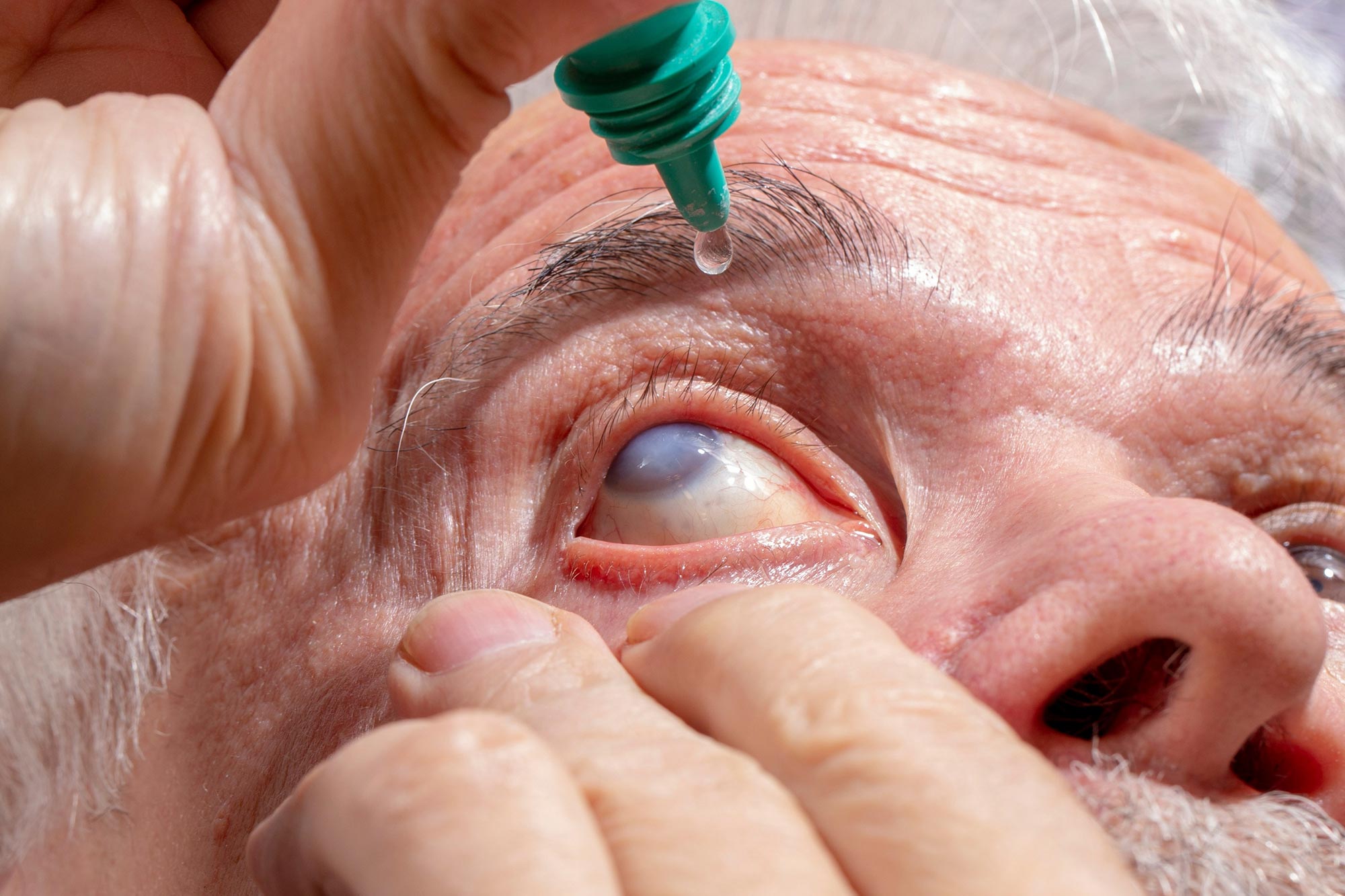
Scientists at Trinity College Dublin have developed a promising gene therapy for glaucoma, shown to protect retinal cells and boost mitochondrial function, with the potential to greatly improve treatment options.
Researchers at Trinity College Dublin have created a promising gene therapy to treat glaucoma, a severe eye condition that can result in total vision loss and currently impacts approximately 80 million people globally. The team had previously demonstrated the potential of this therapy in addressing dry age-related macular degeneration (AMD).
The scientists have just published their research in the International Journal of Molecular Genetics. Their work shows how the gene therapy conferred significant benefit in animal models, and in human cells derived from people with glaucoma.
Specifically, the therapy protected key “retinal ganglion cells” (RGCs) that are important in vision and improved their function in an animal model of glaucoma. In human retinal cells, delivery of the gene therapy increased oxygen consumption and ATP (energy) production, indicating enhanced cell performance.
The Need for New Glaucoma Treatments
First author of the published research article, Dr Sophia Millington-Ward, Research Fellow in Trinity’s School of Genetics and Microbiology, said: “Glaucoma is a complex group of optic neuropathies and a leading cause of blindness. In Europe, roughly 1 in 30 people aged between 40 and 80 years have glaucoma, and that rises to 1 in 10 in persons over 90, so this is a really common condition that badly needs new treatment options.”
“It is a multifactorial condition with many different risk factors, which adds to the complexity of treating it. Current glaucoma treatments focus on the use of topical eye drops, surgery, or laser therapy, however the outcomes are variable, with some patients not responding and/or suffering serious side effects.”
“The need for better treatment options has inspired and motivated us to continue developing gene therapies, and we are delighted with the promise it is showing.”
The Promise of Gene Therapy
The new gene therapy uses an approved virus to deliver an enhanced gene (eNdi1) developed by the Trinity team. The therapy was designed with the aim of boosting mitochondrial activity (mitochondria are “cellular energy generators” responsible for ATP production) and reducing damaging reactive oxygen species.
Jane Farrar, Research Professor in Trinity’s School of Genetics and Microbiology at Trinity, is the senior author of the published research article. She added: “Developing broadly applicable gene therapies for large numbers of patients is particularly important, given high development costs associated with each therapy – and here we have highlighted this therapy has real potential for boosting mitochondrial function in glaucoma.”
Translation of the studies to the clinic and patients, while involving many additional steps, is the next focus.
Based on these and other foundational achievements, the Trinity team – together with Loretto Callaghan – recently founded Vzarii Therapeutics to expedite the future development of the dry AMD and glaucoma gene therapies toward human clinical trials.
Reference: “AAV-NDI1 Therapy Provides Significant Benefit to Murine and Cellular Models of Glaucoma” by Sophia Millington-Ward, Arpad Palfi, Ciara Shortall, Laura K. Finnegan, Ethan Bargroff, Iris J. M. Post, John Maguire, Mustapha Irnaten, Colm O′Brien, Paul F. Kenna, Naomi Chadderton and G. Jane Farrar, 14 August 2024, International Journal of Molecular Sciences.
DOI: 10.3390/ijms25168876
Funding: Science Foundation Ireland, Enterprise Ireland, Health Research Board Ireland, EU Marie Curie Innovative Training Network, Fighting Blindness Ireland—Health Research Charities Ireland.
Never miss a breakthrough: Join the SciTechDaily newsletter.
Follow us on Google and Google News.
1 Comment
I am a medical anthropologist researcher and author. I have studied glaucoma, and an easy way to reduce eye pressure is already known, but is never suggested despite many studies showing its effectiveness. It has to do with sleep position and head pressure. Eye pressure, and brain pressure, are affected by gravity. When lying flat, the brain and eyes get pressurized, and eye pressure is highest in the morning after a night of lying down. Glaucoma is a disease of increased eye pressure, which pushes on the retina and damages nerve cells. By elevating the head of the bed 10-30 degrees, you improve circulation to and from the head and brain, and lower eye pressure compared to lying flat. This actually causes the increased eye pressure of glaucoma, and elevating the head of the bed has been shown to lower eye pressure, without medication. Actually, the medications usually reduce blood supply to the eye to reduce pressure, but that also reduces the circulation to the eye and increases deterioration. This is easy for you to try, and increasing brain circulation is good for preventing lots of things, like migraines, sleep apnea, dementia, stroke, and more. See my article, Heads Up! The Way You are Sleeping can be Killing You!
https://theculturedoctor.substack.com/p/heads-up-the-way-you-are-sleeping