
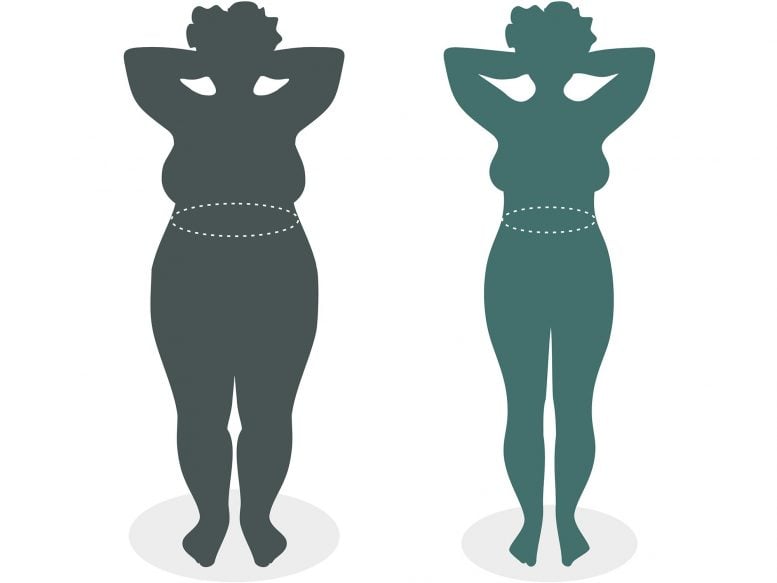
Exploration of the potential role of calorie-free caffeinated drinks may now be warranted, say researchers.
A high blood caffeine level might curb the amount of body fat a person carries and their risk of type 2 diabetes, suggests research published in the open-access journal BMJ Medicine on March 14.
In light of their findings, the potential role of calorie-free caffeinated drinks for lowering the risks of obesity and type 2 diabetes is probably now worth exploring, say the researchers.
Previously published research indicates that drinking 3-5 daily cups of coffee, a rich source of caffeine, is associated with a lower risk of type 2 diabetes and cardiovascular disease, note the researchers. An average cup of coffee contains around 70–150 mg of caffeine.
But most of the published research to date has concerned observational studies, which can’t reliably establish causal effects, because of the other potentially influential factors involved, point out the researchers.
What’s more, it’s difficult to disentangle any specific effects of caffeine from the other compounds included in caffeinated drinks and foods, they add.

To try and overcome these issues, the researchers used Mendelian randomization to find out what effect higher blood caffeine levels have on body fat and the long-term risks of type 2 diabetes and major cardiovascular diseases—coronary artery disease, stroke, heart failure, and irregular heart rhythm (atrial fibrillation).
Mendelian randomization is a technique that uses genetic variants as proxies for a particular risk factor—in this case blood levels of caffeine—to obtain genetic evidence in support of a particular outcome—in this study, weight (BMI) and type 2 diabetes risk.
The researchers looked at the role of two common genetic variants of the CYP1A2 and AHR genes in nearly 10,000 people of predominantly European ancestry, who were taking part in 6 long-term studies. The CYP1A2 and AHR genes are associated with the speed of caffeine metabolism in the body.
People who carry genetic variants associated with slower caffeine metabolism drink, on average, less coffee, yet have higher levels of caffeine in their blood than people who metabolize it quickly to reach or retain the levels required for its stimulant effects.
Key Findings on Caffeine, BMI, and Diabetes Risk
The results of the analysis showed that higher genetically predicted blood caffeine levels were associated with lower weight (BMI) and body fat.
Higher genetically predicted blood caffeine levels were also associated with a lower risk of type 2 diabetes.
The researchers then used Mendelian randomization to further explore the extent to which any effect of caffeine on type 2 diabetes risk might principally be driven by the concurrent weight loss.
The results showed that weight loss drove nearly half (43%) of the effect of caffeine on type 2 diabetes risk.
Caffeine’s Influence on Cardiovascular Disease Risk
No strong associations emerged between genetically predicted blood caffeine levels and the risk of any of the studied cardiovascular disease outcomes.
The researchers acknowledge various limitations to their findings, including the use of only two genetic variants, and the inclusion of only people of European ancestry.
But caffeine is known to boost metabolism, increase fat burning, and reduce appetite, they explain. And a daily intake of 100 mg has been estimated to increase energy expenditure by around 100 calories a day, which could consequently lower the risk of developing obesity.
“Our mendelian randomization finding suggests that caffeine might, at least in part, explain the inverse association between coffee consumption and risk of type 2 diabetes,” write the researchers.
“Randomized controlled trials are warranted to assess whether non-caloric caffeine-containing beverages might play a role in reducing the risk of obesity and type 2 diabetes,” they conclude.
Reference: “Appraisal of the causal effect of plasma caffeine on adiposity, type 2 diabetes, and cardiovascular disease: two sample mendelian randomisation study” by Susanna C Larsson, Benjamin Woolf and Dipender Gill, 14 March 2023, BMJ Medicine.
DOI: 10.1136/bmjmed-2022-000335
Funding: Swedish Research Council for Health, Working Life and Welfare; Swedish Heart Lung Foundation; Swedish Research Council
Never miss a breakthrough: Join the SciTechDaily newsletter.
Follow us on Google and Google News.
1 Comment
Enough coffee could help the pictured women in silhouette to finally be able to use those hula-hoops.