
Close Menu
    Facebook X (Twitter) Instagram
    SciTechDaily
    • Biology
    • Chemistry
    • Earth
    • Health
    • Physics
    • Science
    • Space
    • Technology
    Facebook X (Twitter) Pinterest YouTube RSS
    SciTechDaily
    Home»Health»Can Omega-3 Change the Way Children Think and Feel?
    Health

    Can Omega-3 Change the Way Children Think and Feel?

    By Swansea UniversityMay 12, 20241 Comment3 Mins Read
    Facebook Twitter Pinterest Telegram LinkedIn WhatsApp Email Reddit
    Share
    Facebook Twitter LinkedIn Pinterest Telegram Email Reddit
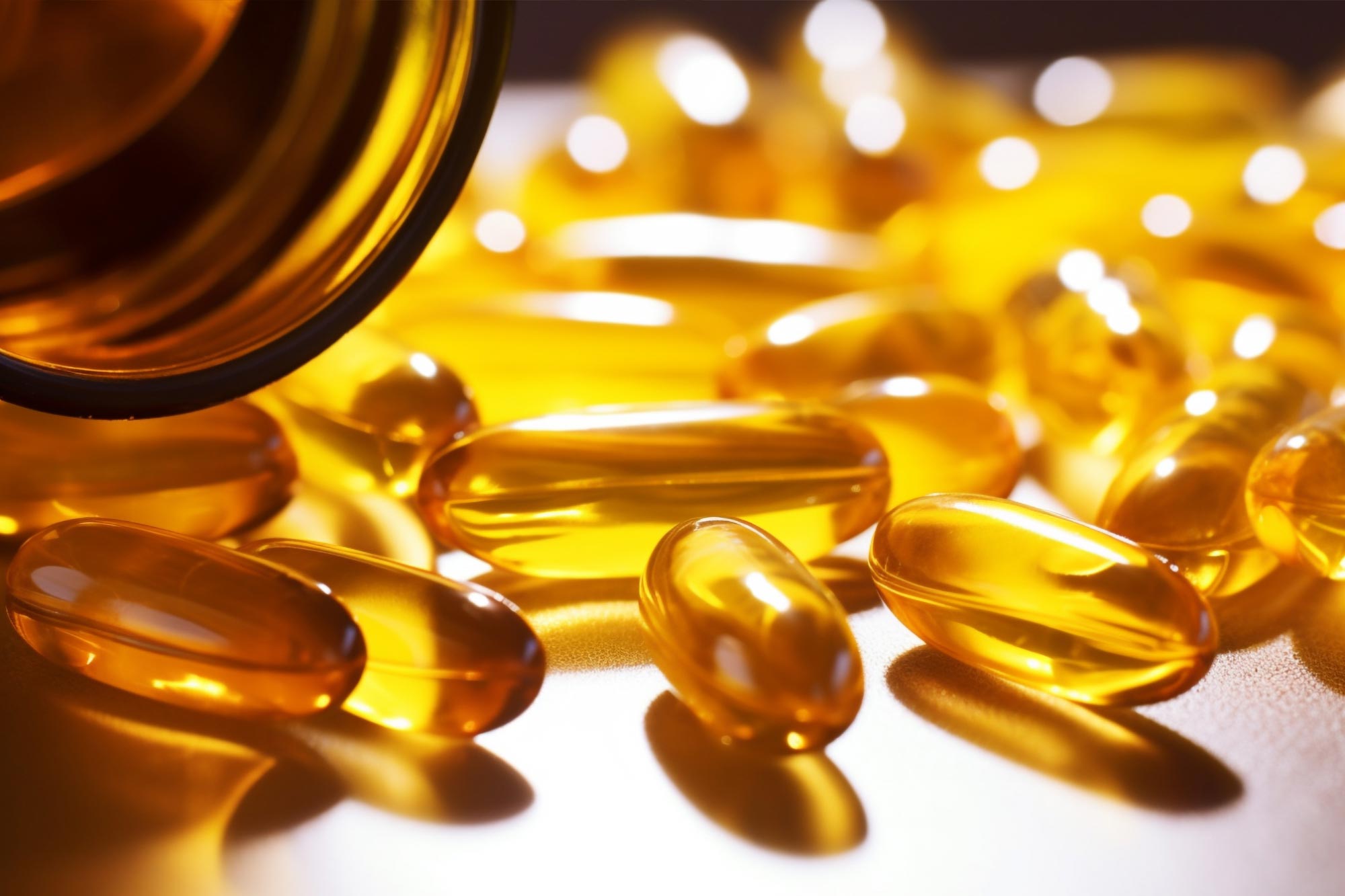
    Fish Oil Omega-3 Supplements Art Concept
    Swansea University is studying the impact of omega-3 supplements on children’s behavior and mental health, aiming to identify which children benefit most from increased intake.

    New research aims to answer the question.

    Researchers at Swansea University are conducting a study to investigate the effects of omega-3 supplements on children’s behavior, mood, and mental health, which may have significant implications for both health and education.

    Omega-3 fatty acids found in fish and seafood are essential for proper brain function and development in children. As the body can’t reliably make these, they must be supplied through diet.

    With most children in the UK consuming less than half the recommended intake of omega-3 fats, a team led by the University’s School of Psychology has received an £81,000 grant to investigate whether omega-3 supplements can help.

    The study is being independently funded by The Waterloo Foundation and is a collaboration with Food and Behaviour (FAB) Research, a UK-based charity dedicated to advancing scientific research into the links between nutrition and human behavior.

    Study Participation and Methodology

    The team is looking for children aged 6-12 from the mainland of the United Kingdom to take part in the study, which can be completed entirely online, with participants given a three-month supply of easy-to-swallow supplements in the post.

    Parents and guardians will also be asked to complete questionnaires on their children’s behavior before and after taking the supplements, noting any changes in behaviour, including mood and sleep.

    Dr Hayley Young, Principal Investigator of the project, said: “Dietary omega-3 deficiencies have become the norm in UK children, despite the critical importance of these nutrients for mental as well as physical health and wellbeing. And we already know that a lack of sufficient omega-3 predicts the behavior, mood, and learning difficulties of many different children.

    “Previous trials have shown that increasing omega-3 intakes can benefit at least some children, whether or not their difficulties meet full criteria for conditions like ADHD or autism. This new trial will help us find out which children may actually benefit most and how they might best be identified.”

    Dr. Alex Richardson, FAB Partner and Co-Investigator, added: “FAB Research has a long track record of research in this area – as does Swansea University’s School of Psychology – so we’re delighted to be collaborating on this important new study.

    “We know many parents, teachers, and health professionals are struggling to provide the help and support so many children need. We’d love them to get in touch, as we can then give them more information that might be useful to them.”

    Find out more about the study.

    Register your interest.

    Never miss a breakthrough: Join the SciTechDaily newsletter.
    Follow us on Google and Google News.

    Diet Nutrition Omega-3 Fatty Acids Popular Public Health Swansea University
    Share. Facebook Twitter Pinterest LinkedIn Email Reddit

    Related Articles

    How Much Fruit and Vegetables Should You Really Be Eating? The Public Health “Lie” Everyone Believed for Two Decades

    Ultra-Processed Foods Aren’t the Villain You Think They Are, Scientists Reveal

    New Research Reveals Not All Ultra-Processed Foods Are Bad

    What a 30-Year Study Just Found About Your French Fries and Diabetes

    Is Your Diet Making You Depressed? A New Study Raises Concerns

    Groundbreaking Study Finds Eggs Don’t Harm Heart Health

    Study Warns: Common Sweeteners Linked to Concerning Developmental Effects

    Could Seed Oils Actually Be Healthy? Scientists Uncover Surprising Benefits of Omega-6

    Hot Dogs, Soda, and a 540,000-Person Warning: Ultra-Processed Foods Shorten Life

    1 Comment

    1. Shan on May 13, 2024 10:33 pm

      Stop. Feeding. Children. Suppliments!
      They need realfood grown in healthy soil and healthy gut bacteria.

      Reply
    Leave A Reply Cancel Reply

    • Facebook
    • Twitter
    • Pinterest
    • YouTube

    Don't Miss a Discovery

    Subscribe for the Latest in Science & Tech!

    Trending News

    Quantum Gravity May Be Far Less Quantum Than Physicists Expected

    New Tool Supercharges Immunotherapy Against Prostate Cancer

    The Hidden Cancer Risk of Ketogenic Diets

    One Asteroid Collision May Have Rocked Earth, Mars, and the Moon

    New Study Reveals Herpesvirus Infection May Accelerate Alzheimer’s Disease

    Microplastics Found in 84% of Serious Heart Attack Patients

    Why Are Bees Struggling To Survive This Summer?

    New Metal Alloy Is up to 10 Times Stronger Than Structural Steel

    Follow SciTechDaily
    • Facebook
    • Twitter
    • YouTube
    • Pinterest
    • Newsletter
    • RSS
    SciTech News
    • Biology News
    • Chemistry News
    • Earth News
    • Health News
    • Physics News
    • Science News
    • Space News
    • Technology News
    Recent Posts
    • Scientists Reveal How Exercise May Protect the Aging Brain
    • Long COVID Brain Scans Reveal Damage to Dopamine Neurons
    • Scientists Say Eating One Avocado a Day May Lower Heart Disease Risk
    • Scientists Are Turning Empty Roadsides Into Butterfly Habitats
    • The Hotspot Beneath Hawaii Is Getting Hotter, Defying a Long-Held Geological Theory
    Copyright © 1998 - 2026 SciTechDaily. All Rights Reserved.
    • Science News
    • About
    • Contact
    • Editorial Board
    • Privacy Policy
    • Terms of Use

    Type above and press Enter to search. Press Esc to cancel.