
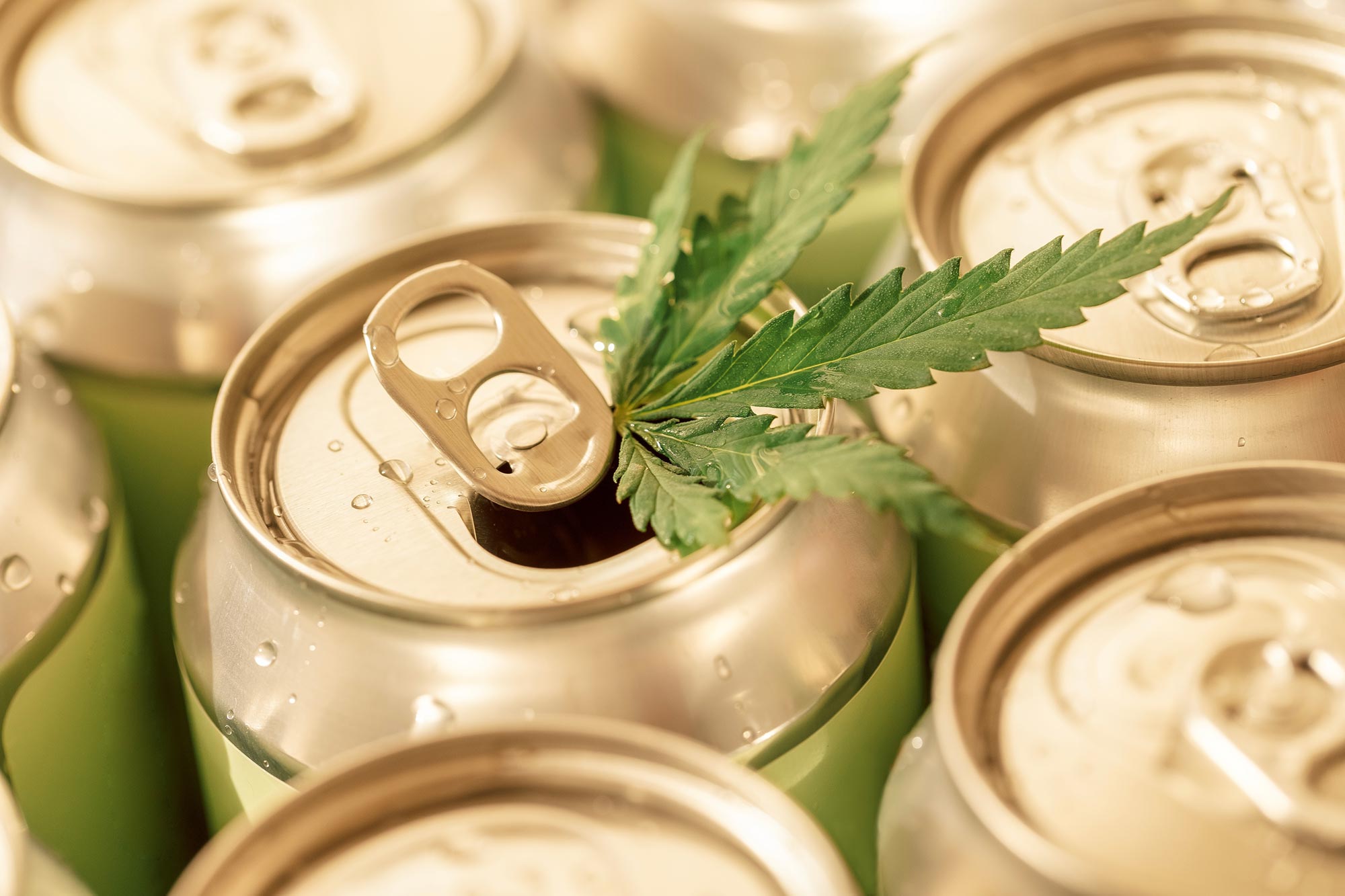
New research from the University at Buffalo indicates that choosing cannabis-infused drinks instead of alcoholic beverages may offer a new approach to reducing alcohol-related harm.
Cannabis-infused drinks could represent a new way to help some people cut back on alcohol, according to results from a small study conducted by public health researchers at the University at Buffalo.
Alcohol use is associated with a wide range of health and social harms. Research has linked alcohol consumption to at least seven forms of cancer and nearly 200 diseases and medical conditions. Cannabis generally carries fewer risks, particularly when compared with heavy alcohol use, which has prompted interest in its potential role as an alternative.
The study, published in the Journal of Psychoactive Drugs, is the first to examine cannabis beverages specifically in the context of reducing alcohol-related harm, according to the researchers. Its release coincided with “dry January,” a time when many people attempt to lower their alcohol intake or stop drinking altogether.
Harm reduction is a public health approach focused on limiting the negative consequences of substance use. Rather than assuming abstinence is the only acceptable goal, it recognizes that many individuals continue to use legal substances such as alcohol, tobacco, or cannabis.
Cannabis Beverages as a New Harm Reduction Tool
“In the first study of its kind, we introduce the concept of having cannabis as harm reduction for alcohol. Cannabis has been proposed as harm reduction for other drugs such as opioids but not talked about as often for legal substances such as alcohol,” says study first author Jessica Kruger, PhD, a clinical associate professor of community health and health behavior in UB’s School of Public Health and Health Professions.
She also notes that broader acceptance may take time. “I think we have a long way to go before this is seen as mainstream as cannabis beverages are a new modality of use.”
Interest in cannabis beverages is rising quickly. Euromonitor, a market research firm, estimates that sales could exceed $4 billion by 2028. At the same time, many Americans are actively trying to reduce their alcohol consumption — and not just during so-called “Dry January.”
The researchers surveyed 438 anonymous adults who reported using cannabis within the previous year. Nearly 56% of respondents said they also consumed alcohol. About one-third reported using cannabis-infused beverages, typically limiting themselves to one per occasion. Those who used cannabis beverages were more likely to say they substituted cannabis for alcohol (58.6%) compared with those who did not use cannabis beverages (47.2%).
Among cannabis beverage users, most reported consuming products with relatively low levels of cannabidiol. Specifically, 89.5% drank beverages containing 10 mg of cannabidiol (CBD) or less, while 10.4% reported consuming beverages with more than 10 mg. Nearly half of respondents (48%) said they were unsure of the CBD content in the drinks they used.
Changes in Drinking Behavior
In addition, they reported consuming fewer alcoholic drinks after starting cannabis beverages — an average of 3.35 per week compared to 7.02 before starting cannabis beverages. They also reported binge drinking alcohol less frequently compared to before they started drinking cannabis beverages.
Nearly two-thirds of respondents (62.6%) answered that they had either reduced (61.5%) or stopped (1.1%) drinking alcohol as a result of drinking cannabis beverages; 3.3% reported increasing alcohol consumption.
The findings suggest that cannabis beverages may support alcohol substitution and reduce alcohol-related harms, offering a promising alternative for people interested in reducing their alcohol intake.
Why Beverages May Be Especially Effective
“Several previous studies, including ours, have demonstrated that people have reduced their alcohol consumption by switching to cannabis,” says Daniel Kruger, PhD, a paper co-author and research associate professor in UB’s School of Public Health and Health Professions.
“It’s remarkable that people who use cannabis beverages report an even greater reduction in alcohol use than those who use other types of cannabis products (but not beverages). We believe this may be because of the similarity in administration method and context of use — people at parties or bars will likely have a drink in their hand, in this case a cannabis beverage rather than an alcoholic one,” he adds.
Cannabis drinks — which are often packaged in cans like common alcoholic beverages such as beer and hard seltzers — are becoming more widely available as states legalize cannabis for adult use. The first cannabis beverage sold legally in New York State was released in January 2023, one month after the state began the licensed sale of cannabis products.
The survey revealed that nearly 82% of respondents who used cannabis beverages were more likely to buy their cannabis products from cannabis dispensaries authorized for medical and adult use.
Based on the survey results, the research team plans to further explore the effect of cannabis drinks over time and compare modes of cannabis consumption.
Reference: “The Exploration of Cannabis Beverage Substitution for Alcohol: A Novel Harm Reduction Strategy” by Jessica S Kruger, Nicholas Felicione and Daniel J Kruger, 14 January 2026, Journal of Psychoactive Drugs.
DOI: 10.1080/02791072.2026.2614506
Nicholas Felicione, PhD, assistant professor of community health and health behavior at UB, is also a co-author on the paper. The researchers wish to thank their community partners Premier Earth and Star Buds, both of which are New York State-licensed cannabis dispensaries in the Buffalo area, which helped them distribute the survey.
Never miss a breakthrough: Join the SciTechDaily newsletter.
Follow us on Google and Google News.
4 Comments
Give it time. Eventually, people will start making things like weed and rum. Then the problem will be figuring how to deal with that! It should surprise no one that THC is a good substitute for alcohol. After all, it’s just an alcohol with a really high molecular weight that doesn’t happen to be as toxic as ethyl alcohol or the other alcohols of lower or slightly higher molecular weights. It doesn’t cause withdrawal symptoms, mostly because it’s stored in fat cells and takes a long time to be metabolized.
Doesn’t marijuana, in some medical records, have dangerous properties, such as providing stimulants that addict its users?
Ah, so what you’re saying is we can expect continued crackdown on thc/hemp derived non inhalation consumables because they certainly can’t get into alcohol’s pocket-book. Just the same as the vape crackdown because it’s financially hurting big tobacco, tobacco control agencies, and most especially government (through taxes and fines).
Sounds good where and how can I purchase this