
Close Menu
    Facebook X (Twitter) Instagram
    SciTechDaily
    • Biology
    • Chemistry
    • Earth
    • Health
    • Physics
    • Science
    • Space
    • Technology
    Facebook X (Twitter) Pinterest YouTube RSS
    SciTechDaily
    Home»Space»Catching DART Asteroid Deflection Mission’s First Words
    Space

    Catching DART Asteroid Deflection Mission’s First Words

    By European Space Agency (ESA)December 17, 20211 Comment6 Mins Read
    Facebook Twitter Pinterest Telegram LinkedIn WhatsApp Email Reddit
    Share
    Facebook Twitter LinkedIn Pinterest Telegram Email Reddit
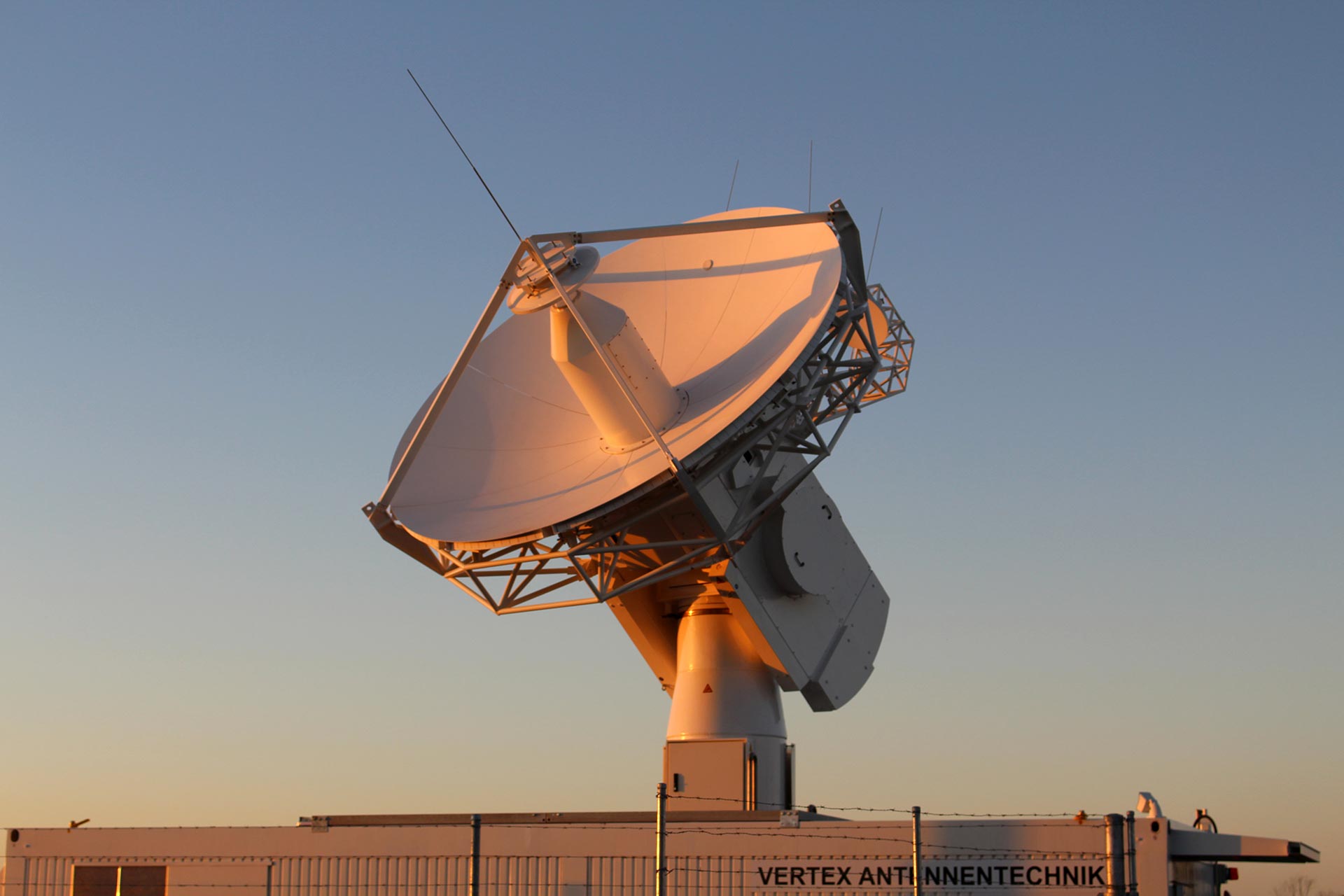
    4 5 M Antenna New Norcia Western Australia Tracking Station
    ESA’s 4.5 m-diameter antenna located in Western Australia. Credit: D. Hamilton

    When NASA’s DART spacecraft launched November 24 on a world-first mission to deflect an asteroid, ESA’s Estrack network played a vital role – finding, tracking, and maintaining contact with the mission as it departs Earth heading toward its target, a 170-meter asteroid ‘moon’ named Dimorphos.

    At about the length of one-and-a-half football fields side-by-side, Dimorphos is currently almost 500 million kilometers away, orbiting the Sun on a path that brings it near Earth’s orbit and out past Mars’. It is part of a double asteroid system – bound by gravity to the almost five times larger Didymos asteroid.

    Both space rocks pose no threat to Earth. When DART strikes the Dimorphos in 2022 its orbit will be very slightly altered and a crater formed.
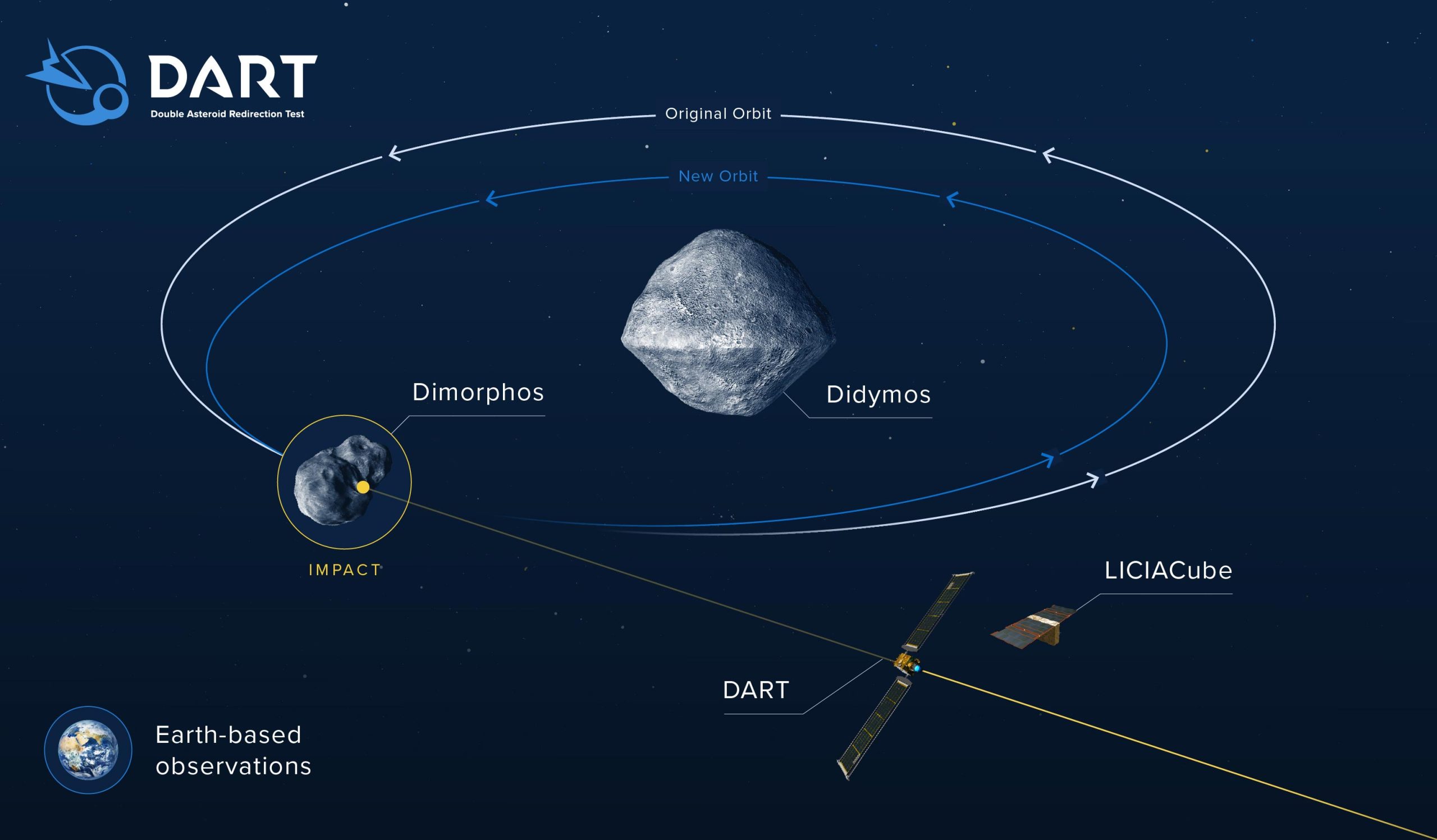
    DART Infographic
    NASA’s Double Asteroid Redirect Test, DART, mission is the US component of AIDA, intended to collide with the smaller of two bodies of the Didymos binary asteroid system. ESA’s Hera mission will then perform follow-up post-impact observations. Credit: NASA/Johns Hopkins APL

    Data from the experiment, in part provided by ESA’s follow-on Hera mission, will help an international team of scientists understand how this ‘kinetic impactor’ method could be deployed in case a large asteroid is ever discovered on a collision course with Earth. Throughout, ESA’s Estrack network will play a vital role.

    Hearing DART’s First Words

    The DART spacecraft weighs 620 kg, about the mass of a brown bear, and measures about 19 meters across (including its solar panels). It was launched by a SpaceX Falcon 9 rocket from Vandenberg Air Force Base in California and thrust into an ‘Earth-escape trajectory’.

    Following lift-off, as DART climbed heavenward but Earth rotates beneath it, the spacecraft followed a unique path in the sky. Passing first down the west coast of South America then east across the Atlantic, it finally appeared above the horizon as seen from Australia.
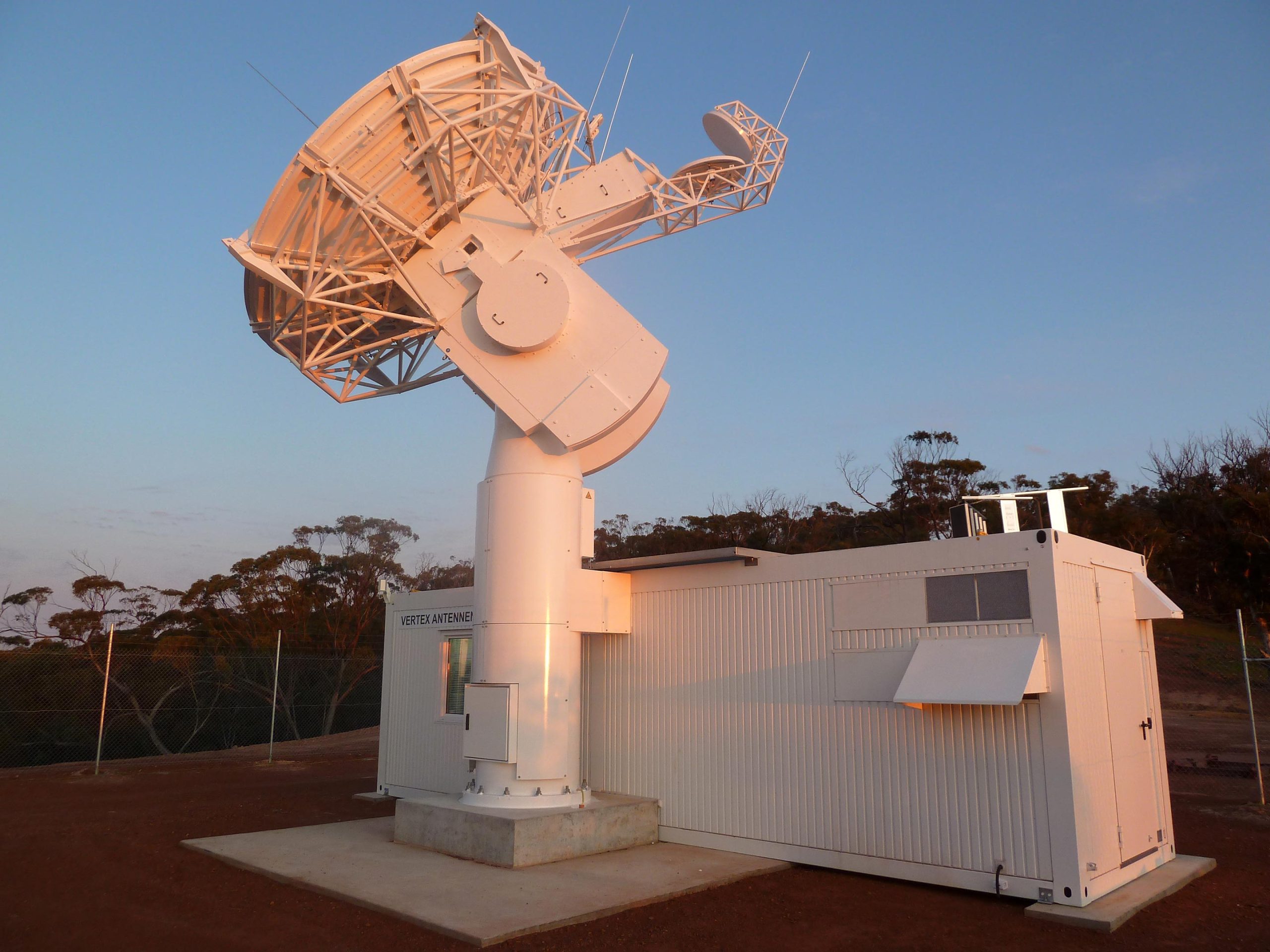
    New Norcia Western Australia Tracking Station
    ESA redevelops tracking capabilities down under. This 4.5 m-diameter dish antenna was added to ESA’s New Norcia, Western Australia, tracking station, where is stands ready to catch the first signals from newly launched satellites. Credit: ESA

    About 60 minutes after launch, the spacecraft separated from the launcher, its transponder turned on, and ESA’s 4.5-meter (15-foot) antenna in New Norcia, Western Australia, captured its very first words – the ‘acquisition of signal’.

    This smaller, more agile radio dish was specifically designed for moments like this. With a wide ‘beamwidth’ it offers a wider field of view than the nearby 35-meter antenna, as well as the ability to quickly tilt and point to target swiftly moving objects in the sky.

    This capacity is vital, as the antenna needs to find DART as it appears above the horizon, helping to maintain contact as it departs for interplanetary space.

    DART’s data, or ‘telemetry’, will inform NASA of the spacecraft’s wellbeing after launch, in particular the status of its automatic deployment sequence, and allow NASA a vital link to send commands to the spacecraft if necessary.
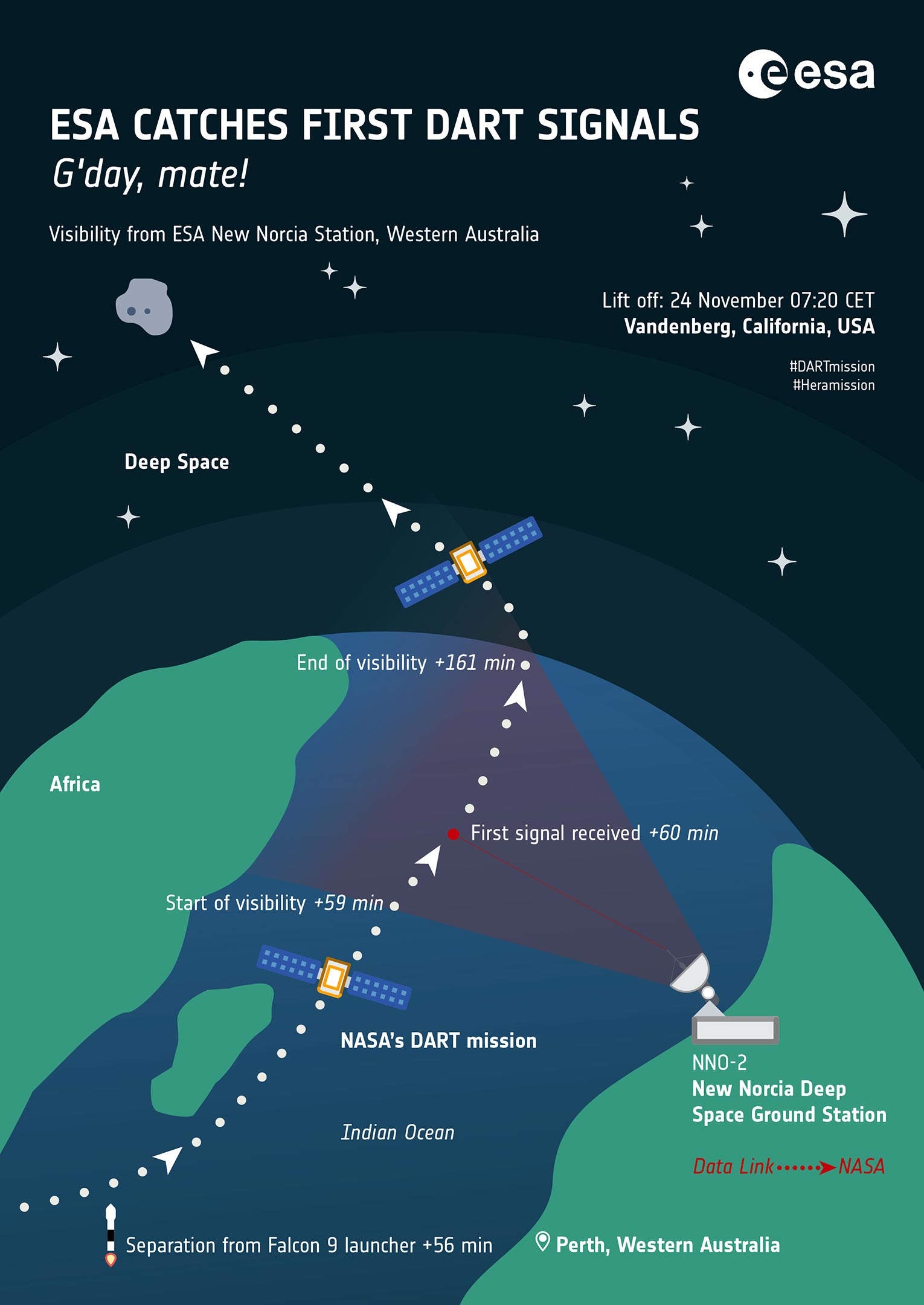
    ESA Antenna Catches DART’s First Words
    Following lift-off, as DART climbs heavenward but Earth rotates beneath it, the spacecraft followed a unique path in the sky. Passing first down the west coast of South America then east across the Atlantic, it finally appeared above the horizon as seen from Australia. About 60 minutes after launch, the spacecraft separated from the launcher, its transponder turned on, and ESA’s 4.5-meter antenna in New Norcia, Western Australia, captured its very first words – the ‘acquisition of signal’. This smaller, more agile radio dish was specifically designed for moments like this. With a wide ‘beamwidth’ it offers a wider field of view than the nearby 35-meter antenna, as well as the ability to quickly tilt and point to target swiftly moving objects in the sky. This capacity is vital, as the antenna needed to find DART as it appears above the horizon, helping to maintain contact as it departs for interplanetary space. DART’s data, or ‘telemetry’, informed NASA of the spacecraft’s wellbeing after launch, in particular the status of its automatic deployment sequence, and allowed NASA a vital link to send commands to the spacecraft if necessary. Credit: ESA

    Cruisin’ For a Bruisin’

    DART’s cruise phase will last about 11 months as it homes in on Dimorphos, before impacting the orbiting asteroid at a speed of 6.6 kilometers per second (14,763 mph) in October 2022. During this period, additional ESA ground stations will support the mission.
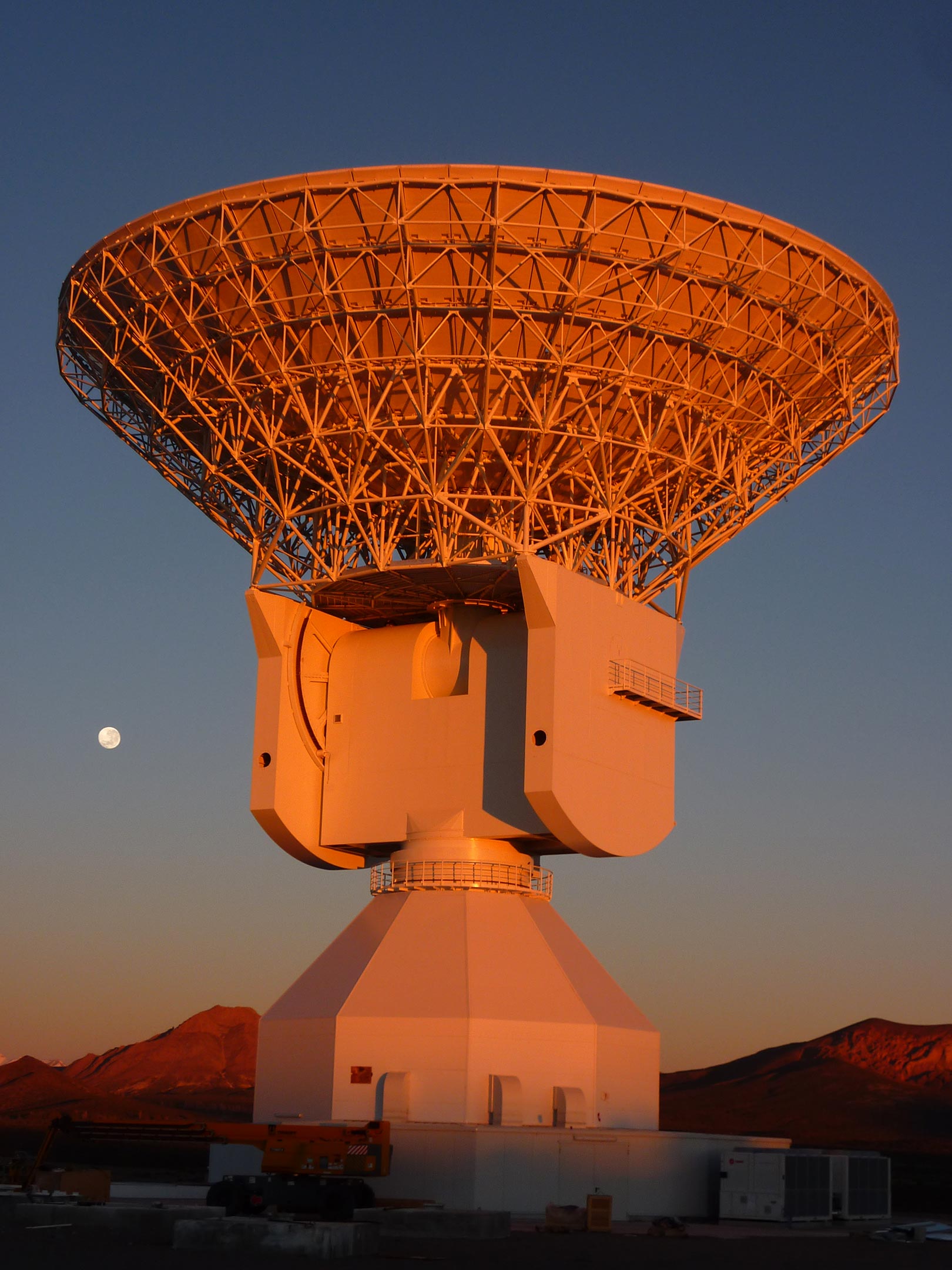
    ESA’s Malargüe Tracking Station
    Evening view of ESA’s 35m deep space station, Malargüe, AR. Credit: ESA/U. Kugel

    ESA’s ‘big iron’ – the 35m (115ft) dish antenna at Malargüe, Argentina, together with the almost-identical dish at New Norcia – will help conduct vital ‘Delta-DOR’ measurements, an ultra-precise navigation technique that allows mission controllers to know the position of spacecraft hundreds of millions of kilometers away, to within just a few hundred meters.

    DART’s Final Days

    The last ten days before the impact in 2022 are super-critical. As Dimorphos comes into view, essential, non-stop footage of the arrival, collision, and subsequent plume of materials will be streamed home via the LICIACube, a hand-sized CubeSat from the Italian Space Agency, ASI, that will be deployed before impact.
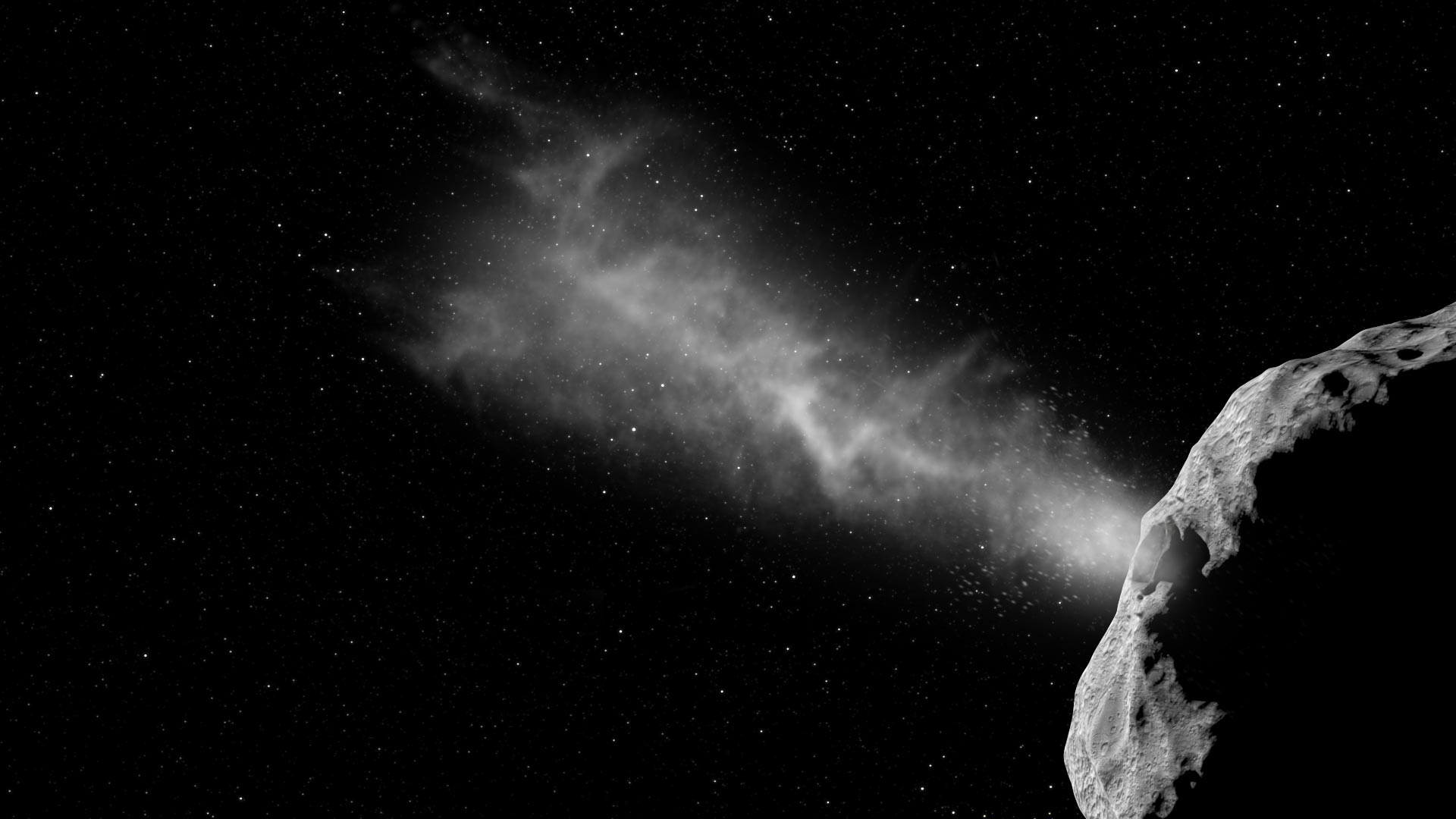
    DART Asteroid Collision
    NASA’s DART spacecraft is due to collide with the smaller body of the Didymos binary asteroid system in October 2022. ESA’s Hera mission will survey ‘Didymoon’ post-impact and assess how its orbit has been changed by the collision, to turn this one-off experiment into a workable planetary defense technique. Credit: ESA–ScienceOffice.org

    In this terminal phase, observations of the target are needed 24 hours per day, something that NASA’s Deep Space Network cannot provide on its own due to the geometry of the spacecraft’s trajectory.

    ESA’s Malargüe station will help to fill the DSN visibility gaps, ensuring radio links to DART every moment until impact.

    Next Comes Hera

    After the deflection impact, ESA’s Hera mission will head towards the Didymos binary system in November 2024, commencing its detailed ‘crime scene investigation’ of the asteroids in late 2026.

    Hera Scans Didymoon
    Using its laser altimeter Hera scans Didymoon’s surface. Credit: ESA – ScienceOffice.org

    By gathering data close-up, Hera will help turn DART’s grand-scale impact experiment into a well-understood and repeatable deflection technique – ready to be deployed if an asteroid should ever be spotted heading Earthward.

    Never miss a breakthrough: Join the SciTechDaily newsletter.
    Follow us on Google and Google News.

    Asteroid ESA's Hera European Space Agency NASA NASA DART
    Share. Facebook Twitter Pinterest LinkedIn Email Reddit

    Related Articles

    Planetary Defense Mission: Hera Launches for Asteroid Crash Scene Investigation

    Watch the Skies: Debris From NASA’s DART Asteroid Collision Could Spark a Meteor Display on Earth

    Hubble Movie of DART Asteroid Impact Debris Reveals Surprising and Remarkable Changes

    ESA’s Deep Space Network Tracks DART Asteroid Impact

    NASA To Launch Double Asteroid Redirection Test Mission – Preventing a Hazardous Asteroid From Striking Earth

    Hera Team Congratulates Japan Aerospace Exploration Agency on Hayabusa2’s Asteroid Sample Return

    NASA’s Big Plans to Explore Small Bodies: DART, Lucy, and Psyche Missions

    ESA’s Ambitious Hera Planetary Defense Mission Awards $153 Million Contract

    Asteroid Deflection Planetary Defense Mission Target: “Dimorphos”

    1 Comment

    1. Christian Berndt Fredriksson on December 20, 2021 5:14 am

      Gud gid godbg

      Reply
    Leave A Reply Cancel Reply

    • Facebook
    • Twitter
    • Pinterest
    • YouTube

    Don't Miss a Discovery

    Subscribe for the Latest in Science & Tech!

    Trending News

    Scientists Discover 132-Million-Year-Old Dinosaur Tracks on South Africa’s Coast

    Scientists Uncover the Secret Ingredient Behind the Spark That May Have Started Life on Earth

    Physicists Observe Matter in Two Places at Once in Mind-Bending Quantum Experiment

    Stanford Scientists Discover Hidden Brain Circuit That Fuels Chronic Pain

    New Study Reveals Why Ozempic Works Better for Some People Than Others

    Climate Change Is Altering a Key Greenhouse Gas in a Way Scientists Didn’t Expect

    New Study Suggests Gravitational Waves May Have Created Dark Matter

    Scientists Discover Why the Brain Gets Stuck in Schizophrenia

    Follow SciTechDaily
    • Facebook
    • Twitter
    • YouTube
    • Pinterest
    • Newsletter
    • RSS
    SciTech News
    • Biology News
    • Chemistry News
    • Earth News
    • Health News
    • Physics News
    • Science News
    • Space News
    • Technology News
    Recent Posts
    • The Crown Jewel of Dentistry? Breakthrough Tech Could Transform Tooth Repair
    • The Surprising Non-Medical Factor That Determines Cancer Survival
    • Python Blood Could Hold the Secret to Weight Loss Without Side Effects
    • Naturally Occurring Bacteria Completely Eradicate Tumors in Mice With a Single Dose
    • The Ideal Temperature for Storing Mangoes Isn’t What You Think
    Copyright © 1998 - 2026 SciTechDaily. All Rights Reserved.
    • Science News
    • About
    • Contact
    • Editorial Board
    • Privacy Policy
    • Terms of Use

    Type above and press Enter to search. Press Esc to cancel.