
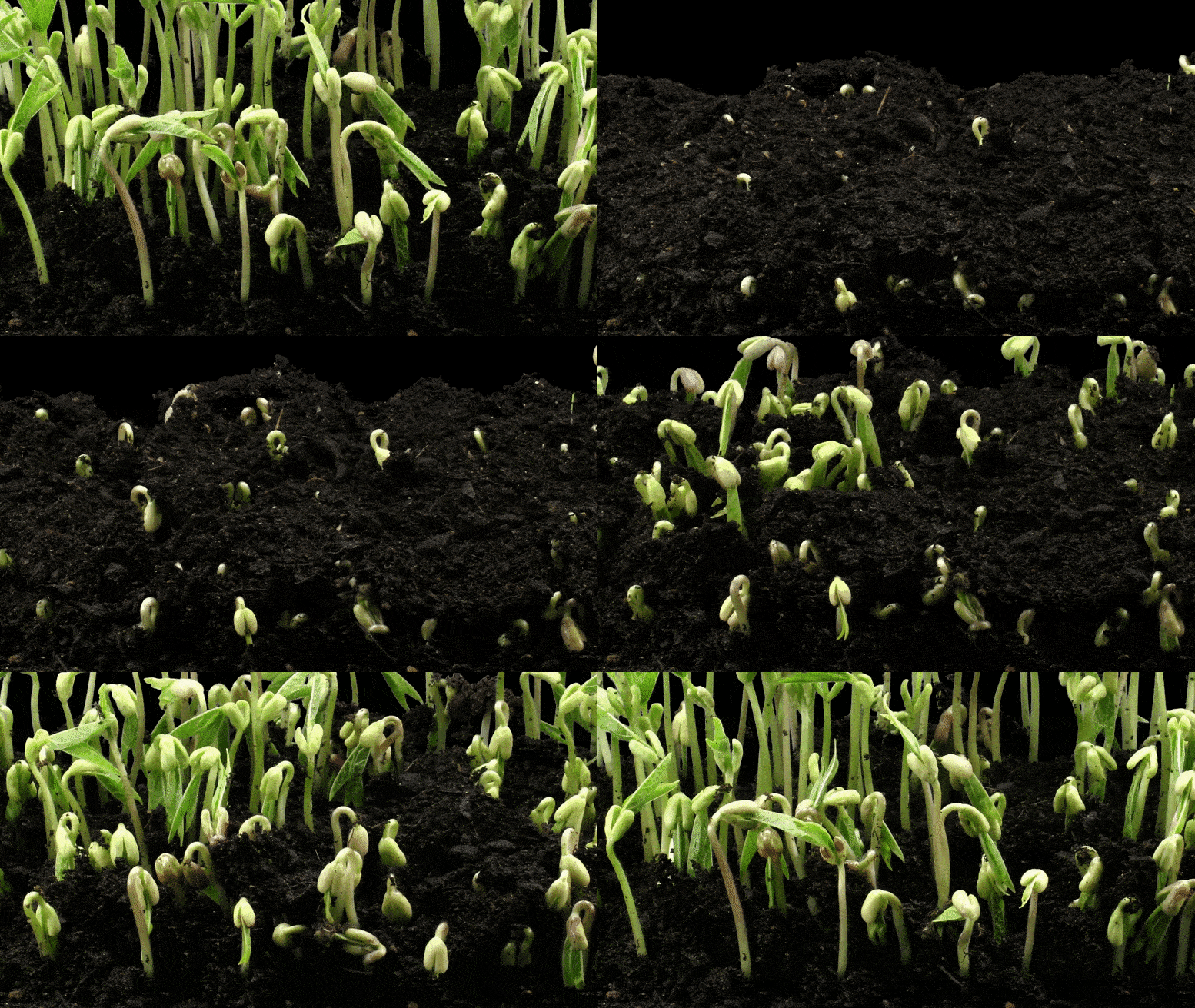
Antabactin, a new chemical developed at UC Riverside, blocks a plant’s drought hormone to trigger seed germination, offering farmers better control over crop timing in challenging climates.
Seeds that would otherwise lie dormant will spring to life with the aid of a new chemical discovered by a UC Riverside-led team.
Plants have the ability to perceive drought. When they do, they emit a hormone that helps them hold on to water. This same hormone, ABA, sends a message to seeds that it isn’t a good time to germinate, leading to lower crop yields and less food in places where it’s hot — an increasingly long list as a result of climate change.
“If you block ABA, you mess with the chemical pathway that plants use to prevent seed germination,” said Aditya Vaidya, UCR project scientist and study author. “Our new chemical, Antabactin, does exactly this. If we apply it, we have shown that dormant seeds will sprout.”
Demonstrations of Antabactin’s effectiveness are described in a new paper published in the Proceedings of the National Academy of Sciences.
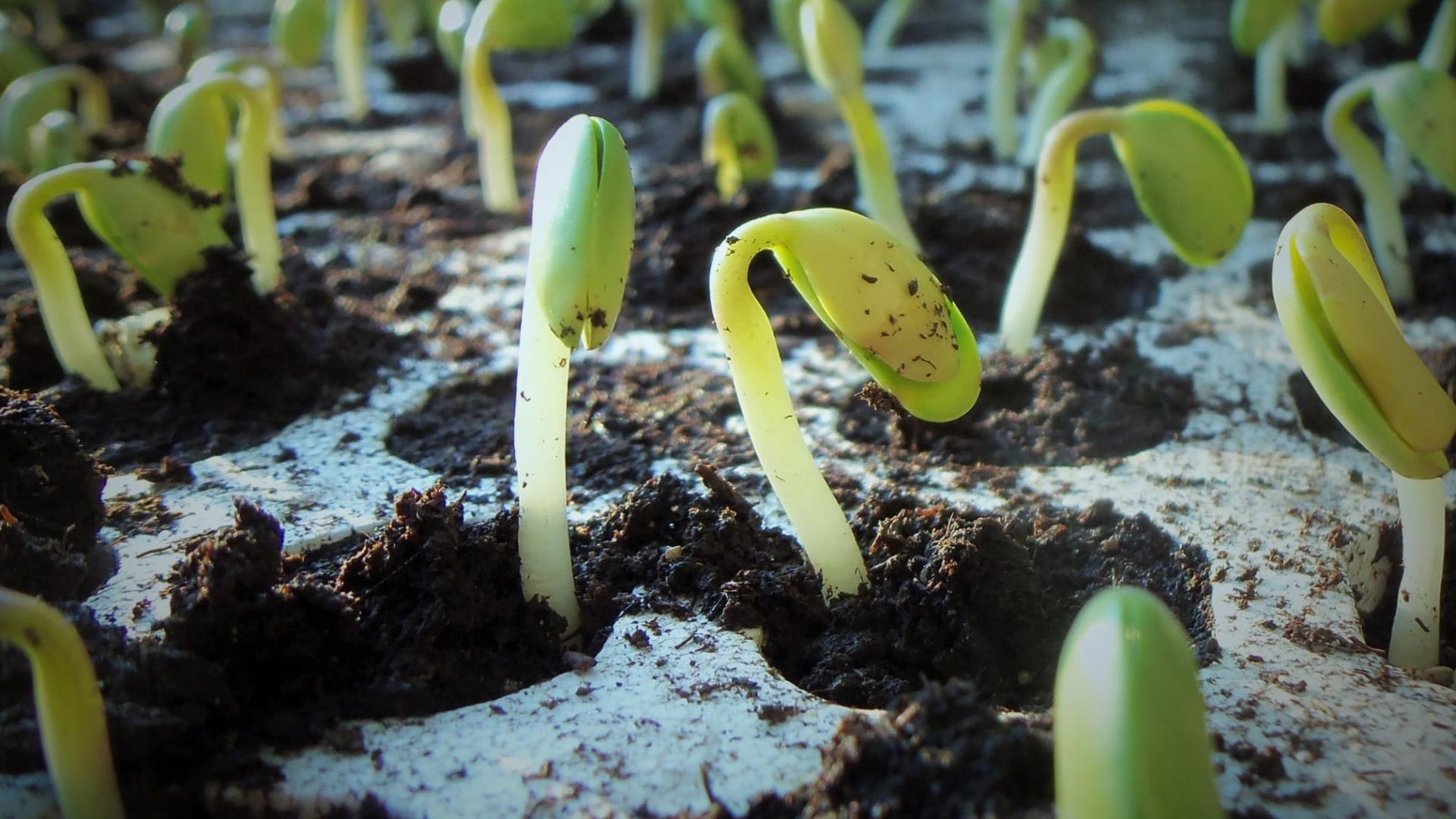
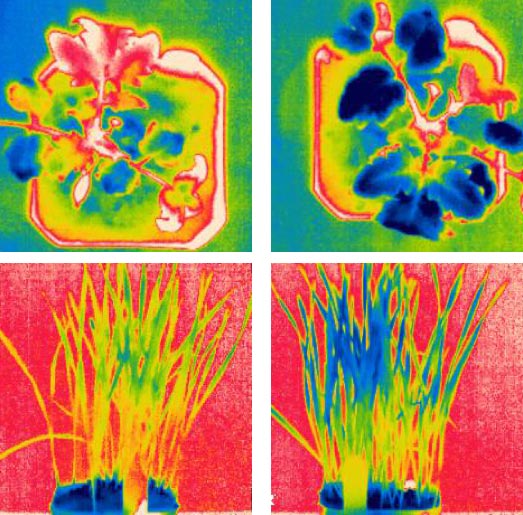
This work builds on the same team’s creation of a chemical that mimics the effects of the ABA hormone, produced by plants in response to drought stress. That chemical, Opabactin, slows a plant’s growth so it conserves water and doesn’t wilt. It works by inducing plants to close tiny pores in their leaves and stems, which prevents water from escaping.
Next, the team wanted to find a molecule that would have the opposite effect, opening the pores, encouraging germination and increasing plant growth. Though seed dormancy has largely been removed through breeding, it is still a problem in some crops like lettuce.
Sean Cutler, a UCR plant cell biology professor and study co-author, said accelerating and slowing plant growth are important tools for farmers. “Our research is all about managing both of these needs,” he said.
From 4,000 Candidates to a Single Solution
To find Opabactin’s opposite, Vaidya quickly made 4,000 derivatives of it. “He found a needle in the chemical haystack,” Cutler said, “The compound he created blocks receptors to ABA, and is unusually potent.”
In their paper, the team members showed that applying Antabactin to barley and tomato seeds accelerated germination. Conceivably, both Antabactin and Opabactin could work together to help crops flourish in a world becoming drier and hotter.
Once Antabactin has helped seeds sprout into healthy plants, a farmer might start saving water early in the growing season by spraying Opabactin. This way, enough water is “banked” for when the plants start flowering.
“Just like a woman requires higher levels of nutrition during pregnancy, plants require more water and nutrition when they’re flowering and about to bear fruits,” Vaidya said. “This is true for most crops, especially for economically relevant crops like corn and wheat.”
Broader Applications and Future Research
The research team continues to investigate variations in seed dormancy induced by ABA in a variety of other plant species. They also want to examine Antabactin’s use as a chemical tool to increase plant growth in greenhouse settings where water isn’t limited.
“We hope to identify key molecular players that govern seed dormancy, ultimately reducing the impact of lost crop yields due to unfortunately timed plantings or poor seed germination,” Vaidya said.
Reference: “Click-to-lead design of a picomolar ABA receptor antagonist with potent activity in vivo” by Aditya S. Vaidya, Francis C. Peterson, James Eckhardt, Zenan Xing, Sang-Youl Park, Wim Dejonghe, Jun Takeuchi, Oded Pri-Tal, Julianna Faria, Dezi Elzinga, Brian F. Volkman, Yasushi Todoroki, Assaf Mosquna, Masanori Okamoto and Sean R. Cutler, 16 September 2021, Proceedings of the National Academy of Sciences.
DOI: 10.1073/pnas.2108281118
Never miss a breakthrough: Join the SciTechDaily newsletter.
Follow us on Google and Google News.
1 Comment
GREAT ARTICLE BUT I’LL LIKE TO KNOW IF THERE IS ANY SUPPORT FORYOUNG FARMERSIN NIGERIA. KINDLY GET BACK ON THIS SIR.I’M INTERESTED IN YOUR NEWSLETTERS AS WELL.