
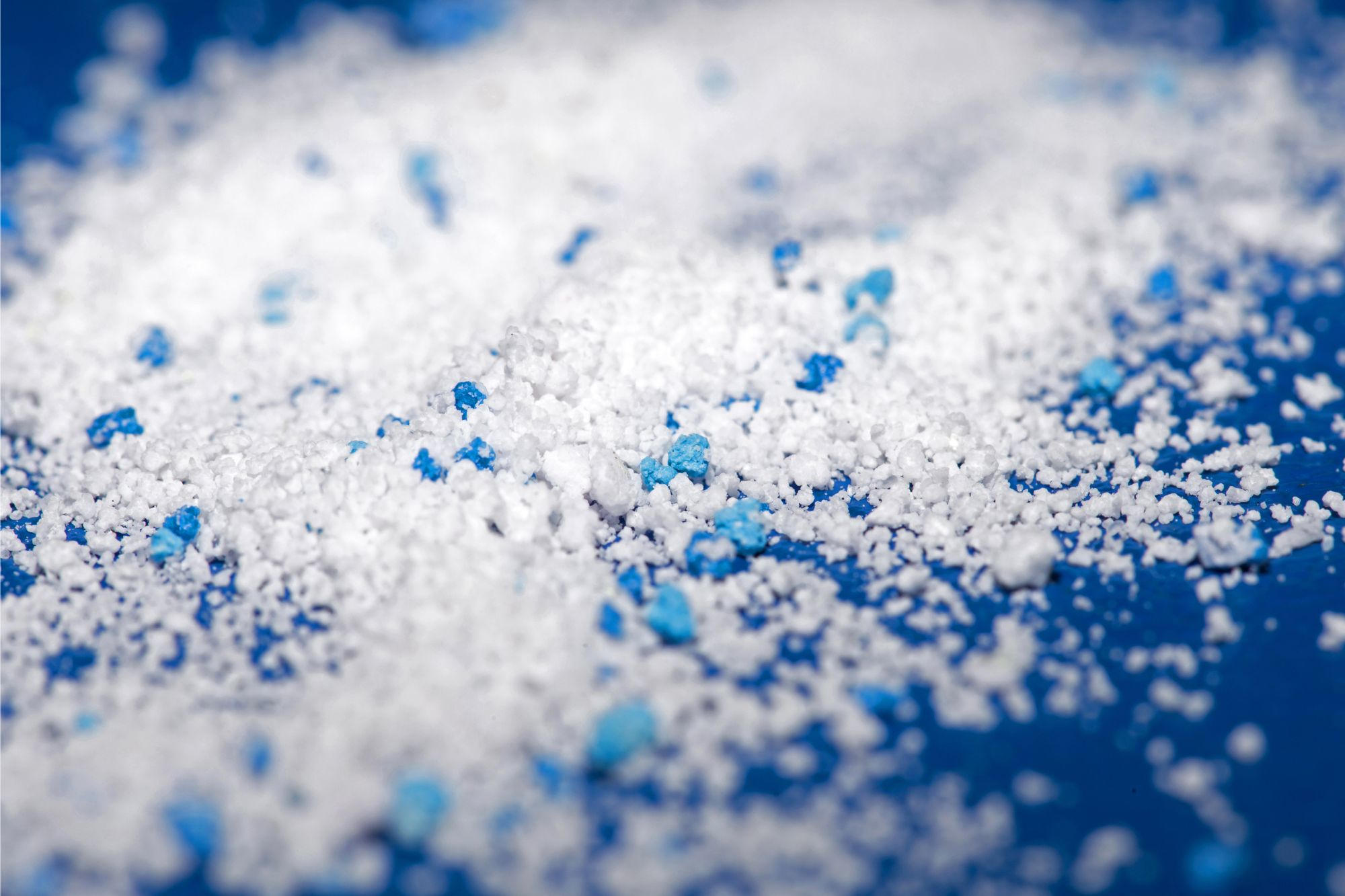
Experts call for reducing toxic chemicals in plastics and stronger regulations to ensure safer, more sustainable production. They warn that recycling alone cannot solve the plastics pollution crisis.
Researchers are urging a significant reduction in the number of chemicals used in plastic manufacturing and a total ban on those known to harm human health and the environment. Their recommendations are outlined in a newly published paper in Cambridge Prisms: Plastics by Cambridge University Press.
Plastic pollution poses a serious threat to both human well-being and environmental health. While recycling is often promoted as a solution, the widespread presence of toxic chemicals in plastics—introduced intentionally or inadvertently during production—undermines its effectiveness as a safe and sustainable approach.
Addressing the plastics pollution crisis
To address the plastics pollution crisis, the safety and sustainability of plastics manufacturing must be improved. Policymakers need to make changes to global, regional, and national policies to reduce the toxicity present in the plastics life cycle and address chemicals at each stage of manufacturing.
The researchers identified five policy strategies to support a transition to safer, more sustainable plastics:
- Improving reporting, transparency, and traceability of chemicals in plastics throughout their full life cycle
- Advocating for chemical simplification and group-based approaches to regulating hazardous chemicals
- Implementing chemical monitoring, testing, and quality control
- Creating economic incentives that follow the waste hierarchy
- Generating support for a just transition to protect people, including waste pickers, impacted throughout the plastics’ life cycle
Lead author Bethanie Carney Almroth, of the Department of Biological and Environmental Sciences and the Centre for Future chemical Risk Assessment and Management at the University of Gothenburg, Sweden, said: “To date, most policy negotiations have focused on the downstream aspects of the plastics lifecycle – how to reuse and recycle plastics, for example. However, before recycling of plastics can be considered a safe practice, the flaws in today’s plastics manufacturing systems must be addressed.”
Plastics contain a vast range of chemicals, including monomers, polymers, processing agents, fillers, antioxidants, plasticizers, pigments, microbicides, and stabilizers – and plastics production has already reached levels that threaten the stability of the Earth’s functions. Moreover, the amounts and types of chemicals in plastic products vary, and there are few requirements for transparency and reporting.
“We need a compulsory, globally standardized mandate that ensures transparent reporting regarding the chemicals used in plastics, to facilitate a safer and more sustainable reuse, refill, repurpose ,and recycling market,” said Carney Almroth.
Reducing cross-contamination
Carney Almoth and her colleagues also highlighted the risk of chemicals used for a specific purpose in one sector – such as flame retardants in electronics – contaminating plastic streams in other sectors, like toys or food packaging.
Anthropologist Tridibesh Dey of Wagningen University, Netherlands, a co-author of the paper, drew attention to the far-reaching consequences of everyday chemical exposure from plastics – both product and waste.
He stressed, “A key to a safe and effective circular economy of plastics is the regulation of chemicals within the plastic lifecycle.”
Having apprenticed with plastic waste pickers and recyclers in India for over a year, Dr. Dey highlighted the multi-generational health and socio-economic burdens borne by these vulnerable populations who handle the cumulative load of multiple plastic-associated chemicals.
However, he added, “even before plastic products become waste, they can leach, off-gas, and emit potentially-toxic chemicals, exposing unsuspecting consumers – including children, elders, pregnant women, people with disabilities. Fenceline communities are also exposed to effluents from plastic production, often with disastrous consequences.”
Therese Karlsson, from the International Pollutants Elimination Network added: “Our research makes clear that human societies cannot rely on recycling alone to end the plastics pollution crisis. Currently, we need improvements upstream, midstream, and downstream in the plastics life cycle. We also need to prioritize bans of chemicals known to be detrimental to both human health and the environment. The consequences of plastics pollution on human and planetary health allow no other option.”
Reference: “Addressing the toxic chemicals problem in plastics recycling” by Bethanie Carney Almroth, Eric Carmona, Nnaemeka Chukwuone, Tridibesh Dey, Daniel Slunge, Thomas Backhaus and Therese Karlsson, 16 January 2025, Cambridge Prisms: Plastics.
DOI: 10.1017/plc.2025.1
Never miss a breakthrough: Join the SciTechDaily newsletter.
Follow us on Google and Google News.
7 Comments
“To address the plastics pollution crisis, the safety and sustainability of plastics manufacturing must be improved.”
Yes; replace plastic bottles and containers with washable recyclable glass bottle and containers. Like in the 1950s and 1960s. Solved that problem!
But that is far too easy for modern scientists and manufacturers.
I’m still grateful that plastic beer bottles exist. Much easier to bear plastic litter, than ruining your shoes and bike tyres treading over billions of shards of glass after every rowdy weekend downtown. So, no, glass ain’t the solution either.
Scientists are OK with replacing plastic w glass. It’s the plastic manufacturers, retail stores that push back.
I totally agree 👍
The carbon emissions produced in the manufacture is as great or greater than that produced in the manufacture of plastic
You need to look at the end-to-end lifecycle for plastic vs glass. Plastic requires drilling and extraction, transportation, refining of the oil, adding the toxic additives, health impacts of using plastics, disposal, impacts on the environment when plastics escape. Then you see a different picture.
Look, plastic use won’t decrease, but will only increase, the same as burning oil will only increase. Nothing will happen to save humans or any other animals from extinction. We will go extinct. End of story…