
Study Finds That Plastic Recycling From Europe Being Dumped in Asian Waters
Up to 31% of plastic exported for recycling is not recycled at all.
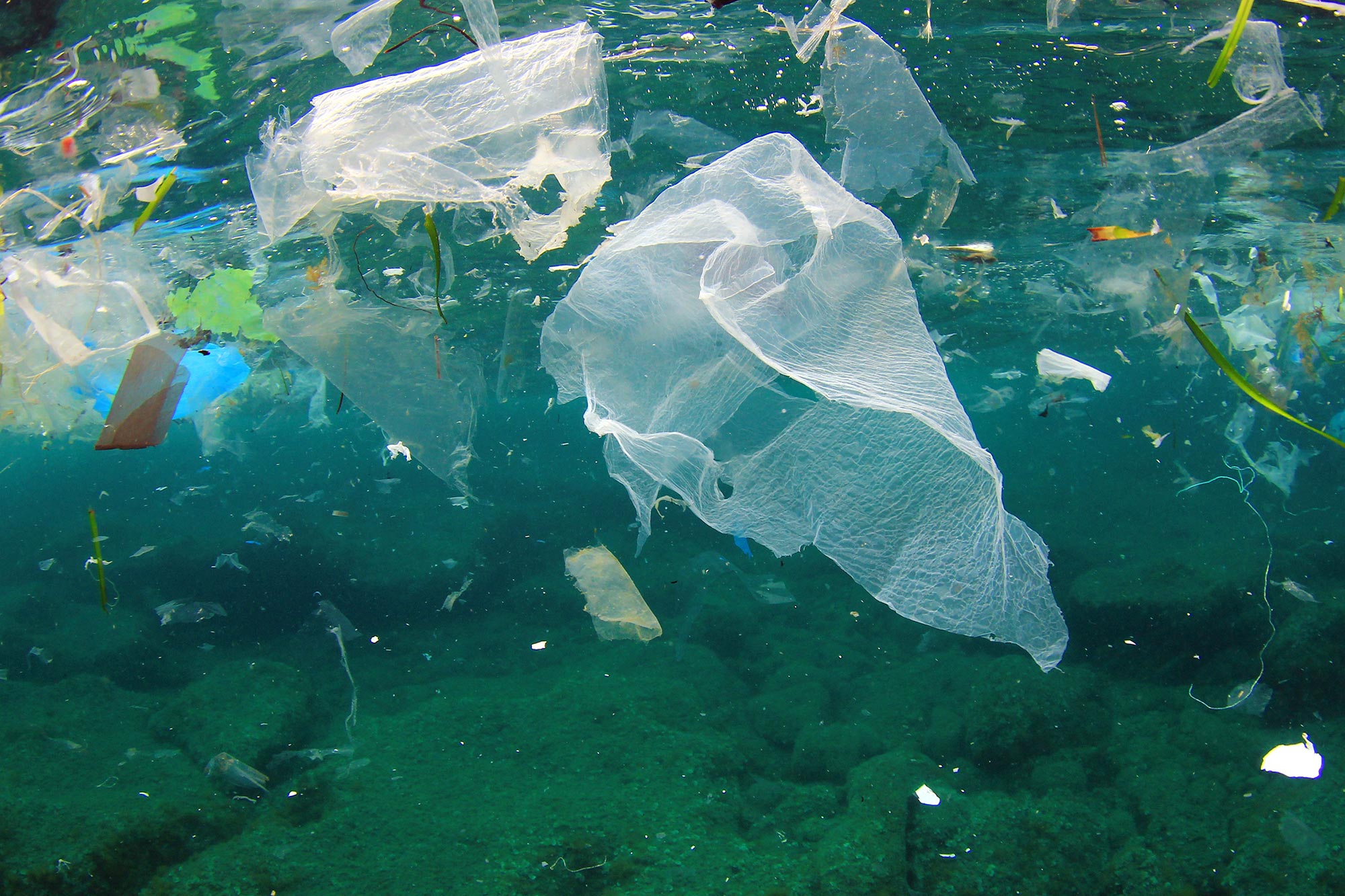
New research from NUI Galway and the University of Limerick has for the first time quantified the volume of plastic from European countries (EU, UK, Switzerland and Norway) that contributes to ocean littering from exported recycling.
While European countries have developed world-leading waste management infrastructure, 46% of European separated plastic waste is exported outside the country of origin. A large share of this plastic is transported thousands of kilometers to countries with poor waste management practices, largely located in Southeast Asia. Once in these countries, a large share of the waste is rejected from recycling streams into overstretched local waste management systems that have been found to contribute significantly to ocean littering.
This new research, published in the scientific journal Environment International, estimated the best-case, average, and worst-case scenarios of ocean debris pathways from exported recycling in 2017. The results estimated a range between 32,115 – 180,558 tonnes, or 1 – 7% of all exported European polyethylene, which ended up in the ocean. Polyethylene is one of the most common types of plastic in Europe, and the results showed that countries such as the UK, Slovenia, and Italy are exporting a higher share of plastic outside of Europe and see a higher share of their recyclable plastic waste end up as ocean debris.
Speaking today, George Bishop, lead author of the study said: “The results indicate an important and previously undocumented pathway of plastic debris entering the oceans, which will have considerable environmental and social impacts on marine ecosystems and coastal communities.”
Using detailed international trade data and data on waste management in destination countries, the study modeled the fate of all polyethylene exported for recycling from Europe, accounting for different fates ranging from successful conversion into recycled resins, or ending up as landfill, incineration, or ocean debris.
Dr. David Styles, a lecturer at the University of Limerick and co-author, explains, “Given that such a large share of waste destined for recycling is exported, with poor downstream traceability, this study suggests that ‘true’ recycling rates may deviate significantly from rates reported by municipalities and countries where the waste originates. In fact, our study found that up to 31% of the exported plastic wasn’t actually recycled at all.”
The study was part of the Science Foundation Ireland funded, ‘Innovative Energy Technologies for Bioenergy, Biofuels and a Sustainable Irish Bioeconomy: IETSBIO3’ led by Professor Piet Lens, Established Professor of New Energy Technologies at the National University of Ireland, Galway.
Professor Lens added: “To successfully move towards a more circular economy, European municipalities and waste management companies need to be held accountable for the final fate of “recycled” waste. Our study highlights the lack of available data on plastic waste and the need to consider extended audit trails, or “on-shoring” of recycling activities as part of emerging regulations around trade in plastic waste.”
The authors caution that these findings should not discourage people to recycle as it remains the best waste management treatment, environmentally speaking. However, there is considerable work to be done to improve aspects of these plastic recycling chains, to reduce the ‘leakage’ of these systems.
Reference: “Recycling of European plastic is a pathway for plastic debris in the ocean” by George Bishop, David Styles and Piet N.L. Lens, 27 June 2020, Environment International.
DOI: 10.1016/j.envint.2020.105893
Never miss a breakthrough: Join the SciTechDaily newsletter.
Follow us on Google and Google News.
1 Comment
Heartbreaking to read. Hard to understand why all sites of recycling are not fully vetted before use. Poor nations are probably doing the best they can do survive but if they cannot do as the contract states they have to be dropped from future consideration of trade.