

Menthol detection predates the sensation of cold, indicating separate activation mechanisms that can be distinguished. This differentiation opens possibilities for novel pain treatments that avoid unwanted thermal side effects.
Millions of people around the globe suffer from chronic pain, and many existing treatments depend on opioids, which have significant addiction and overdose risks. Developing non-addictive pain relief options could transform how pain is managed. Recent research focusing on a human protein that controls cold sensations are paving the way for new pain medications. These innovative drugs aim to manage pain without altering body temperature or posing addiction risks.
A new study published on June 21 in the journal Science Advances, led by Wade Van Horn, professor in Arizona State University’s School of Molecular Sciences and Biodesign Center for Personalized Diagnostics, has uncovered new insights into the main human cold and menthol sensor TRPM8 (transient receptor potential melastatin 8). Using techniques from many fields like biochemistry and biophysics, their study revealed that it was a chemical sensor before it became a cold temperature sensor.

“If we can start to understand how to decouple the chemical sensing of cold from actual cold sensing, in theory, we could make side-effect-free drugs,” said Van Horn whose research focuses on membrane proteins involved in human health and disease. “By understanding the evolutionary history of TRPM8, we hope to contribute to designing better drugs that offer relief without the dangerous side effects associated with current painkillers.”
The Role of TRPM8 in Pain
When a person touches a metal desk and it feels cold, the human body activates TRPM8. For cancer patients who are on certain kinds of chemotherapeutics, touching a desk can hurt. TRPM8 is also involved in many other types of pain as well, including chronic neuropathic and inflammatory pain.
By further understanding this specificity of the chemical sensing of cold versus physically sensing cold, scientists can target relief without triggering the temperature regulation side effects often seen in TRPM8 clinical trials for pain treatments.
In the research, the team used ancestral sequence reconstruction, a time machine for proteins of sorts, compiling the family tree of TRPM8 that exists today and then used that information to determine what the proteins from long-extinct animals might have looked like.
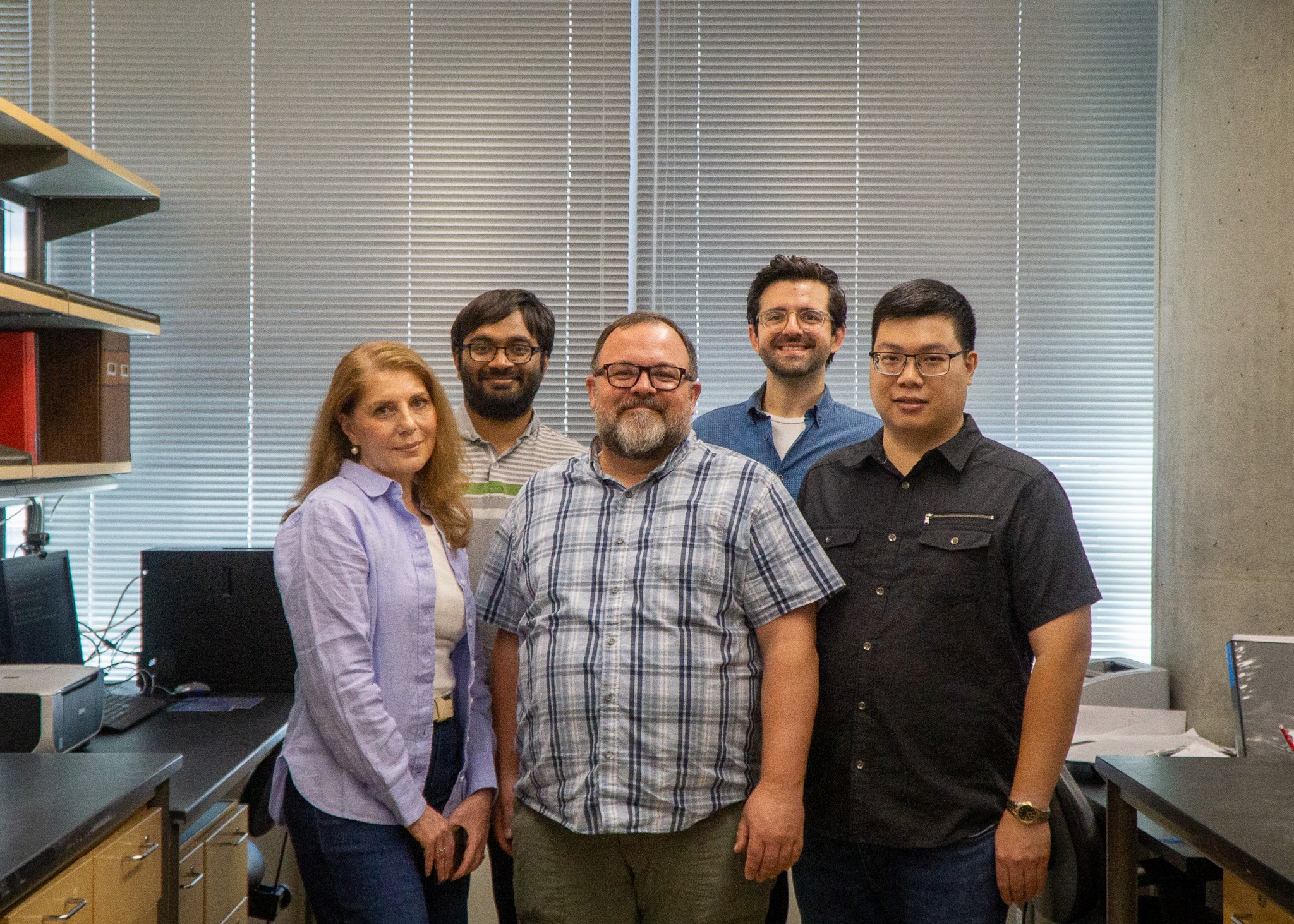
Using computational methods to resurrect ancestral primate, mammalian, and vertebrate TRPM8, the researchers were able to understand how TRPM8 has changed over hundreds of millions of years by comparing the sequences of current proteins to predict the sequences of their ancient ancestors. Additionally, the combination of lab experiments and computational studies enable the researchers to identify critical places in TRPM8 that allow a more clear understanding of temperature sensing, which can be tested in subsequent experiments.
“Comparative dynamics analysis of ancestral and human TRPM8 also supports the experimental data and will allow us to identify critical sites in temperature sensing, which we will be testing soon,” said Banu Ozkan, professor in ASU’s Department of Physics, who was involved in the study.
Advances in Ancestral Protein Studies
The team then expressed these ancestral TRPM8s in human cells and characterized them using various cellular and electrophysiology techniques.
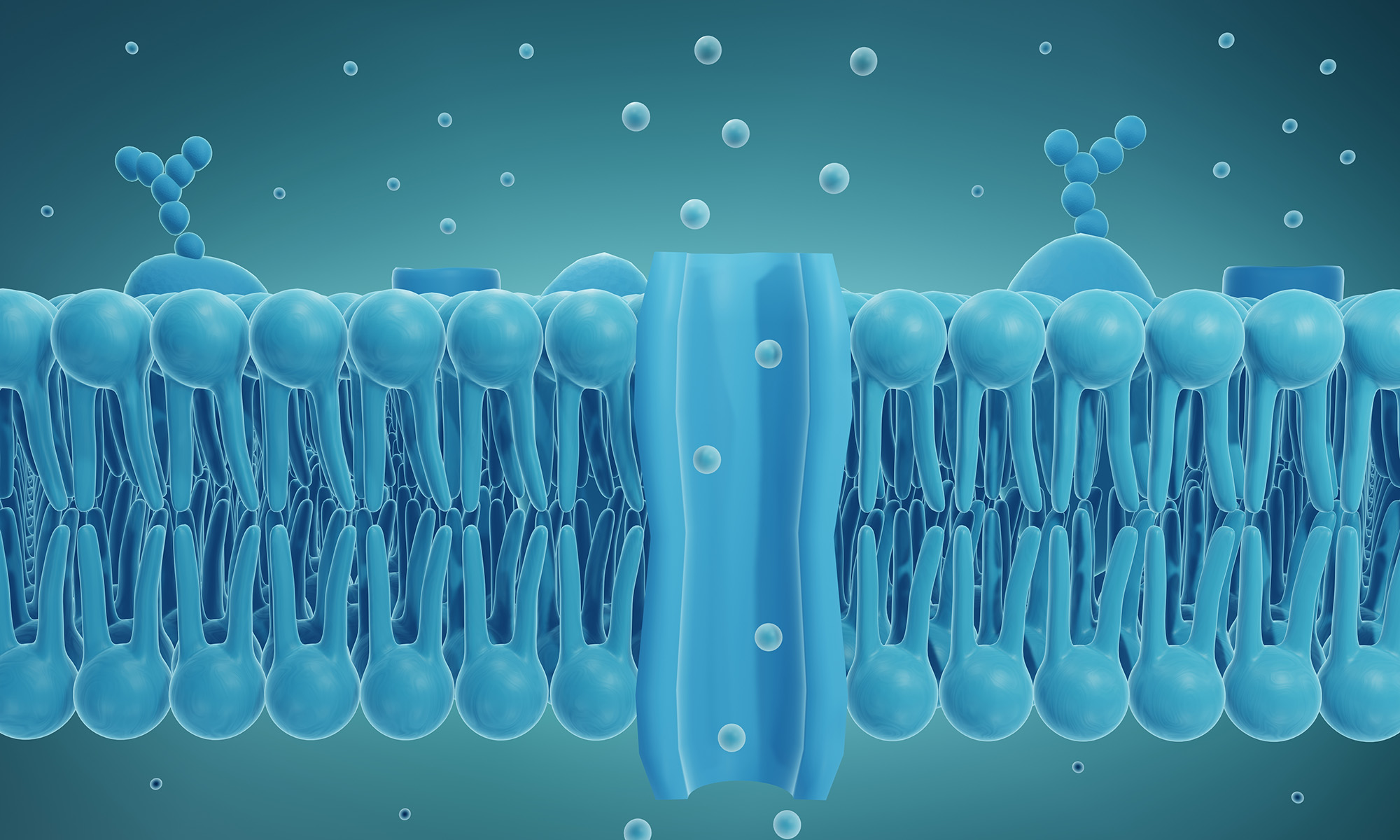
“Ancestral protein-based studies allow us to focus on the lineage of most interest, such as human TRPM8, to alleviate concerns arising in drug discovery from speciation differences, like in mice and humans,” said first author on the study Dustin Luu, an ASU School of Molecular Sciences doctoral alumnus, and current postdoctoral fellow in ASU’s Biodesign Center for Personalized Diagnostics.
Luu continued: “We discovered that surprisingly menthol sensing appeared way before cold sensing. The difference in appearance and attenuation of these activation modes suggest they are separate and can be disentangled with further research enabling new pain therapies without the adverse side effect in thermal sensing and thermal regulation, which has plagued TRPM8-targeted clinical trials.”
As science continues to uncover the mysteries of our biological mechanisms, studies like this exemplify how evolutionary biology and modern pharmacology can collaborate to address pressing medical needs and improve the quality of life for those suffering from chronic pain.
Reference: “Evidence that the cold- and menthol-sensing functions of the human TRPM8 channel evolved separately” by Dustin D. Luu, Nikhil Ramesh, I. Can Kazan, Karan H. Shah, Gourab Lahiri, Miyeko D. Mana, S. Banu Ozkan and Wade D. Van Horn, 21 June 2024, Science Advances.
DOI: 10.1126/sciadv.adm9228
Never miss a breakthrough: Join the SciTechDaily newsletter.
Follow us on Google and Google News.