
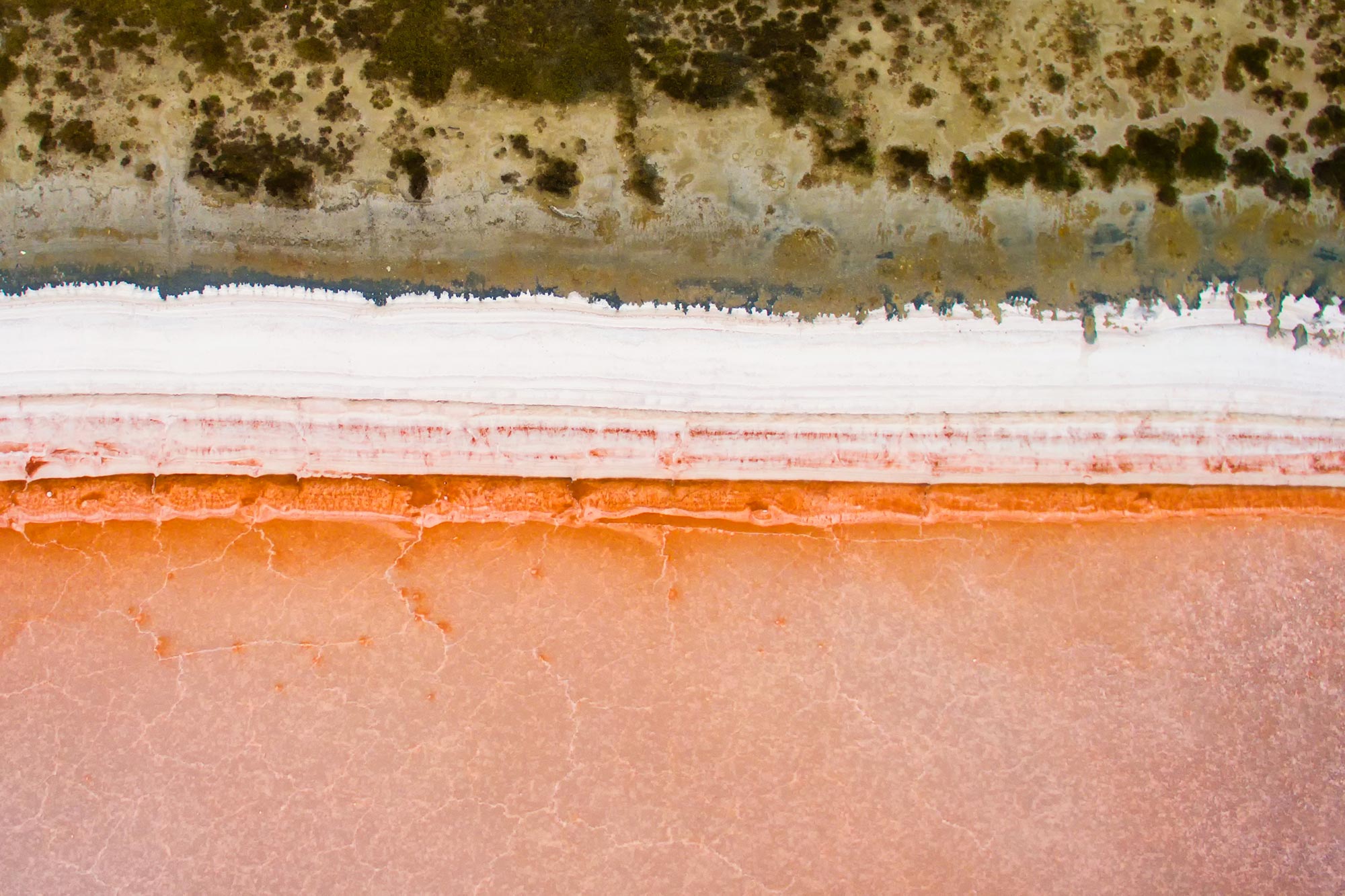
New research shows that rising salinity in coastal lagoons is reshaping ecosystems, but restoring freshwater flows could swiftly reverse the damage.
New research from the University of Adelaide reveals that coastal lagoons are becoming saltier due to the combined effects of climate change and human activity. This rising salinity is reshaping the tiny microbial communities that live in these waters and threatening the critical roles they play in their ecosystems.
Coastal lagoons are more than just scenic spots by the sea. They are critical ecosystems that support fish and bird habitats, help trap carbon, recycle nutrients, and sustain local fisheries. As these environments become saltier, the balance of life within them is being thrown off, putting both biodiversity and ecosystem health at risk.
“Under normal conditions, lagoons act as nurseries for fish and crustaceans, they are internationally important feeding grounds for migratory birds, and they protect coasts from storm surges,” says the University’s Dr Chris Keneally.
“Their microbial makeup is what makes this happen, recycling nutrients and fostering this high productivity, allowing diverse plant and animal life to flourish.
“However, a single hot, dry summer, like the one we have recently experienced, can completely shift this important habitat into a salty, green soup, leading to the microbes becoming less diverse and those that are salt-tolerant becoming more dominant.
“Key processes, such as nitrification, denitrification, and carbon cycling, are then disrupted, altering nutrient retention, organic matter decomposition, and greenhouse gas emissions.”

Drivers of Hypersalinity
The trend of hypersalinity in coastal lagoons is global, occurring most often in arid and semi-arid coastal lagoons, such as those in Australia, the Mediterranean, and the Persian Gulf. The phenomenon has accelerated in Australia over the last 40 years.
“The rise in salinity can be attributed to elevated temperatures, enhanced evaporation, reduced rain and freshwater inputs, and rising sea levels,” says Dr Keneally, whose recent study was published in Earth-Science Reviews.
“Human factors such as upstream water diversions, urbanisation and development, and groundwater depletion also reduce freshwater inflow to coastal lagoons.
“We can mitigate the impacts of these activities by restoring environmental flows. Allocating water for the environment can maintain lagoon flushing, and nutrient runoff can be reduced by upgrading wastewater plants, re-establishing wetlands, and increasing efforts to retain nutrients in our agricultural lands throughout catchments worldwide.
“To buffer the effects of drought or sea‑level rise, we could also re-open closed tidal inlets to improve mixing, or improve salt-tolerant vegetation coverage to trap sediment and slow evaporation.”
A lagoon can bounce back surprisingly fast when appropriately flushed. After the record 2022 Murray–Darling floods, South Australia’s Coorong Lagoon’s microbiome shifted back toward its healthier, more diverse state within months, demonstrating that timely freshwater inputs can rapidly reverse ‘salty soup’ conditions.
Addressing high salinity and nutrient pollution in lagoons benefits the ecosystems they serve while mitigating human health impacts.
“Fish kills hurt local fisheries, algae blooms may produce toxins or airborne irritants, and lost seagrass can weaken coastal flood protection,” says Dr Keneally.
“Emerging research also suggests degradation can make these ecosystems a source of potent greenhouse emissions, adding to climate impacts felt well beyond the shoreline.”
Reference: “Microbial ecology in hypersaline coastal lagoons: A model for climate-induced coastal salinisation and eutrophication” by Christopher Keneally, Virginie Gaget, Daniel Chilton, Stephen P. Kidd, Luke Mosley, David T. Welsh, Yongqiang Zhou, Lei Zhou and Justin Brookes, 26 April 2025, Earth-Science Reviews.
DOI: 10.1016/j.earscirev.2025.105150
Never miss a breakthrough: Join the SciTechDaily newsletter.
Follow us on Google and Google News.
2 Comments
“… coastal lagoons are becoming saltier due to the combined effects of climate change and human activity.”
Climate change is listed first, but the proffered solutions don’t even mention it; instead they focus on land-use changes and things like controlling runoff from the land. What’s wrong with this picture?
HELLO SCIENTIFIC FRIENDS *
Please spread knowledge constantly, moment by moment , Unfortunately, the people of the world are very weak in terms of science .
********* Good luck, my dears ********