
Close Menu
    Facebook X (Twitter) Instagram
    SciTechDaily
    • Biology
    • Chemistry
    • Earth
    • Health
    • Physics
    • Science
    • Space
    • Technology
    Facebook X (Twitter) Pinterest YouTube RSS
    SciTechDaily
    Home»Health»Common Coronavirus Infections Don’t Generate Effective Antibodies Against COVID
    Health

    Common Coronavirus Infections Don’t Generate Effective Antibodies Against COVID

    By American Chemical SocietyMarch 30, 2022No Comments3 Mins Read
    Facebook Twitter Pinterest Telegram LinkedIn WhatsApp Email Reddit
    Share
    Facebook Twitter LinkedIn Pinterest Telegram Email Reddit
    COVID-19 Coronavirus SARS-CoV-2
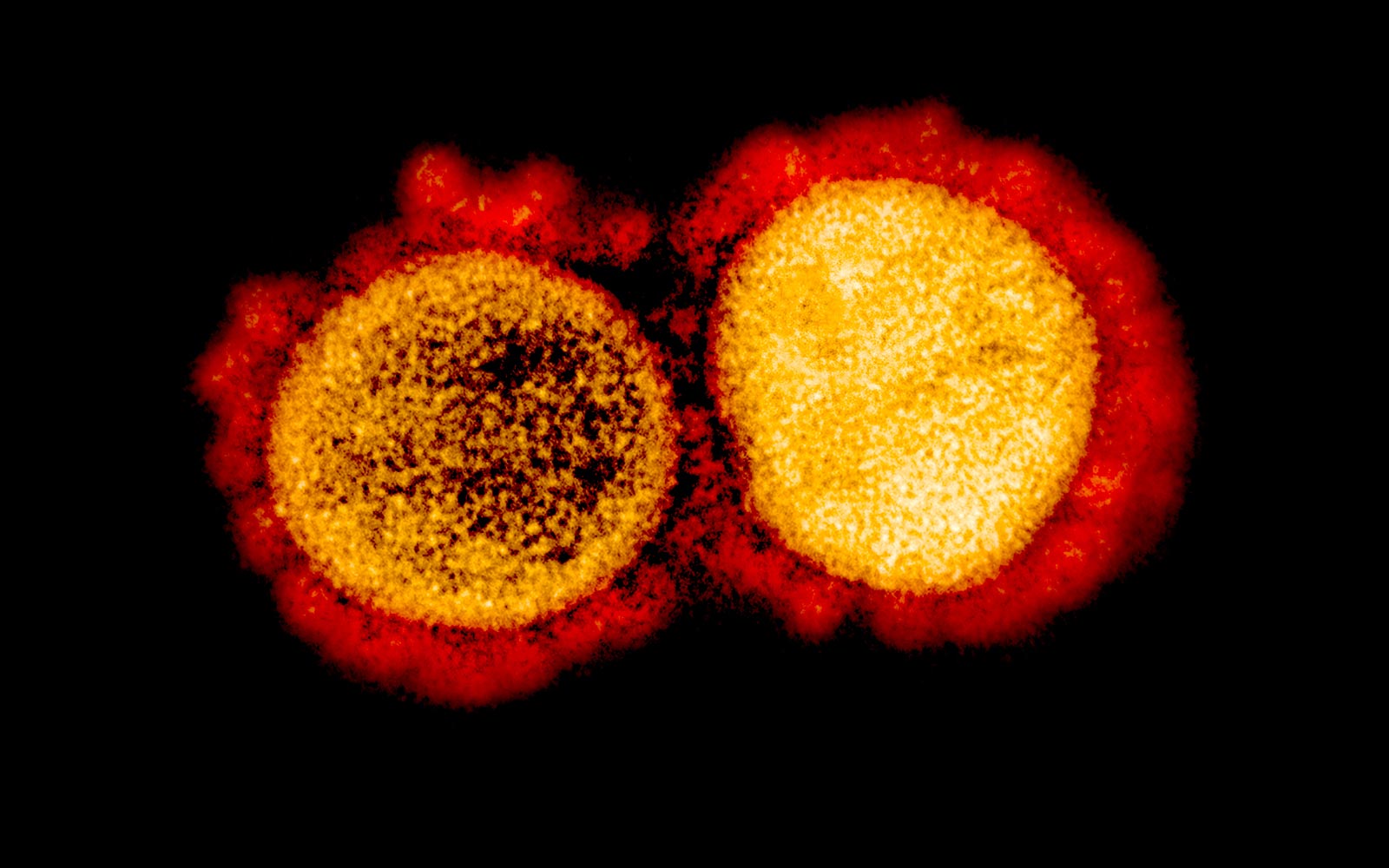
    Transmission electron micrograph of SARS-CoV-2 virus particles, isolated from a patient. Image captured and color-enhanced at the NIAID Integrated Research Facility (IRF) in Fort Detrick, Maryland. Credit: NIAID

    A study found that antibodies from common human coronaviruses do not cross-react with SARS-CoV-2, meaning prior infections with these viruses are unlikely to provide protection or worsen COVID-19.

    Although SARS-CoV-2 (the virus that causes COVID-19) has taken the world by storm, it’s not the only coronavirus that can infect humans. But unlike SARS-CoV-2, common human coronaviruses (HCoVs) generally cause only mild disease. Now, researchers reporting in ACS Infectious Diseases have shown that infections with two different HCoVs don’t generate antibodies that effectively cross-react with SARS-CoV-2. So, prior infection with HCoVs is unlikely to protect against COVID-19 or worsen a SARS-CoV-2 infection through antibody-dependent enhancement (ADE), the researchers say.

    Because SARS-CoV-2 shares significant sequence similarity with its HCoV cousins, researchers have wondered if the immune system might recognize the new coronavirus from prior bouts with HCoVs. This could re-activate memory B cells, causing them to produce antibodies that helped the person overcome previous HCoV infections, and might also help fight COVID-19. On the other hand, if the antibodies against HCoVs recognize SARS-CoV-2, but not strongly enough to generate an immune response, they could cause ADE. In this rare condition, sub-optimal antibodies actually help some viruses attach to and enter host cells, making the infection worse. Sebastien Fiedler, Tuomas Knowles and colleagues wanted to compare the strength and concentration of antibodies against HCoVs and SARS-CoV-2 in the sera of nine recovered COVID-19 patients and in three pre-pandemic sera.

    The researchers used a technique called microfluidic antibody-affinity profiling, which unlike the traditionally used enzyme-linked immunosorbent assay (known as ELISA), can measure both antibody affinity and concentration independently. They found that all nine recovered COVID-19 sera samples contained moderate amounts of antibodies with high affinity to the SARS-CoV-2 spike protein. In contrast, none of the pre-pandemic sera contained high-affinity antibodies for SARS-CoV-2. All 12 sera contained low amounts of very high-affinity antibodies against two common HCoVs, indicating previous infections. Other experiments showed that these antibodies did not bind to SARS-CoV-2. The results suggest that there is no significant cross-reactivity of antibodies against common HCoVs and SARS-CoV-2, and therefore, no expected protective or adverse effects of antibody cross-reactivity for these coronaviruses, the researchers say.

    Reference: “Microfluidic Antibody Affinity Profiling Reveals the Role of Memory Reactivation and Cross-Reactivity in the Defense Against SARS-CoV-2” by Viola Denninger, Catherine K. Xu, Georg Meisl, Alexey S. Morgunov, Sebastian Fiedler, Alison Ilsley, Marc Emmenegger, Anisa Y. Malik, Monika A. Piziorska, Matthias M. Schneider, Sean R. A. Devenish, Vasilis Kosmoliaptsis, Adriano Aguzzi, Heike Fiegler and Tuomas P. J. Knowles, 30 March 2022, ACS Infectious Diseases.
    DOI: 10.1021/acsinfecdis.1c00486

    The authors acknowledge funding from the University of Zurich, the University Hospital of Zurich, the NOMIS Foundation, the European Research Council, the National Institute for Health Research, the P.I. Terasaki Scholar program, and the Biotechnology and Biological Sciences Research Council.

    Never miss a breakthrough: Join the SciTechDaily newsletter.
    Follow us on Google and Google News.

    American Chemical Society Antibodies COVID-19 Immunology Virology
    Share. Facebook Twitter Pinterest LinkedIn Email Reddit

    Related Articles

    Powerful Cocktail of Modified Antibodies Supercharges the Immune System Against COVID-19

    MIT Research Reveals How Omicron Escapes From All Four Classes of Antibodies That Target COVID-19

    Fully Vaccinated Individuals at Risk for COVID Infection With Omicron Variant – Columbia Study

    In the Blood: Antibodies Identified That Best Neutralize the Coronavirus in COVID-19 Patients

    Antibody Binding-Site Conserved Across COVID-19 Virus Variants – Big Implications for Future Vaccines

    Researchers Develop a Replaceable, More Efficient Filter for N95 Masks

    Study Shows Treatment With Interferon-α2b Speeds Up Recovery of COVID-19 Patients

    A Polio Vaccine That Hasn’t Been Used in the U.S. for Two Decades Might Protect Against Coronavirus [Video]

    Antibody Discovered That Blocks Infection by SARS-CoV-2 (COVID-19 Coronavirus) in Cells

    Leave A Reply Cancel Reply

    • Facebook
    • Twitter
    • Pinterest
    • YouTube

    Don't Miss a Discovery

    Subscribe for the Latest in Science & Tech!

    Trending News

    Why Popular Diabetes Drugs Like Ozempic Don’t Work for Everyone: The “Genetic Glitch”

    Scientists Stunned After Finding Plant Thought Extinct for 60 Years

    Scientists Discover Tiny New Spider That Hunts Prey 6x Its Size

    Natural Component From Licorice Shows Promise for Treating Inflammatory Bowel Disease

    Scientists Warn: Popular Sweetener Linked to Dangerous Metabolic Effects

    Monster Storms on Jupiter Unleash Lightning Beyond Anything on Earth

    Scientists Create “Liquid Gears” That Spin Without Touching

    The Simple Habit That Could Help Prevent Cancer

    Follow SciTechDaily
    • Facebook
    • Twitter
    • YouTube
    • Pinterest
    • Newsletter
    • RSS
    SciTech News
    • Biology News
    • Chemistry News
    • Earth News
    • Health News
    • Physics News
    • Science News
    • Space News
    • Technology News
    Recent Posts
    • The Atomic Gap That Could Cost the Semiconductor Industry Billions
    • Earth’s Secret Advantage: Why Most Alien Worlds May Be Too Dry for Life
    • Ancient Bacteria Turned a DNA System Into a Cell Skeleton
    • Researchers Finally Solve 50-Year-Old Blood Group Mystery
    • Scientists Discover “Molecular Switch” That Fuels Alzheimer’s Brain Inflammation
    Copyright © 1998 - 2026 SciTechDaily. All Rights Reserved.
    • Science News
    • About
    • Contact
    • Editorial Board
    • Privacy Policy
    • Terms of Use

    Type above and press Enter to search. Press Esc to cancel.