
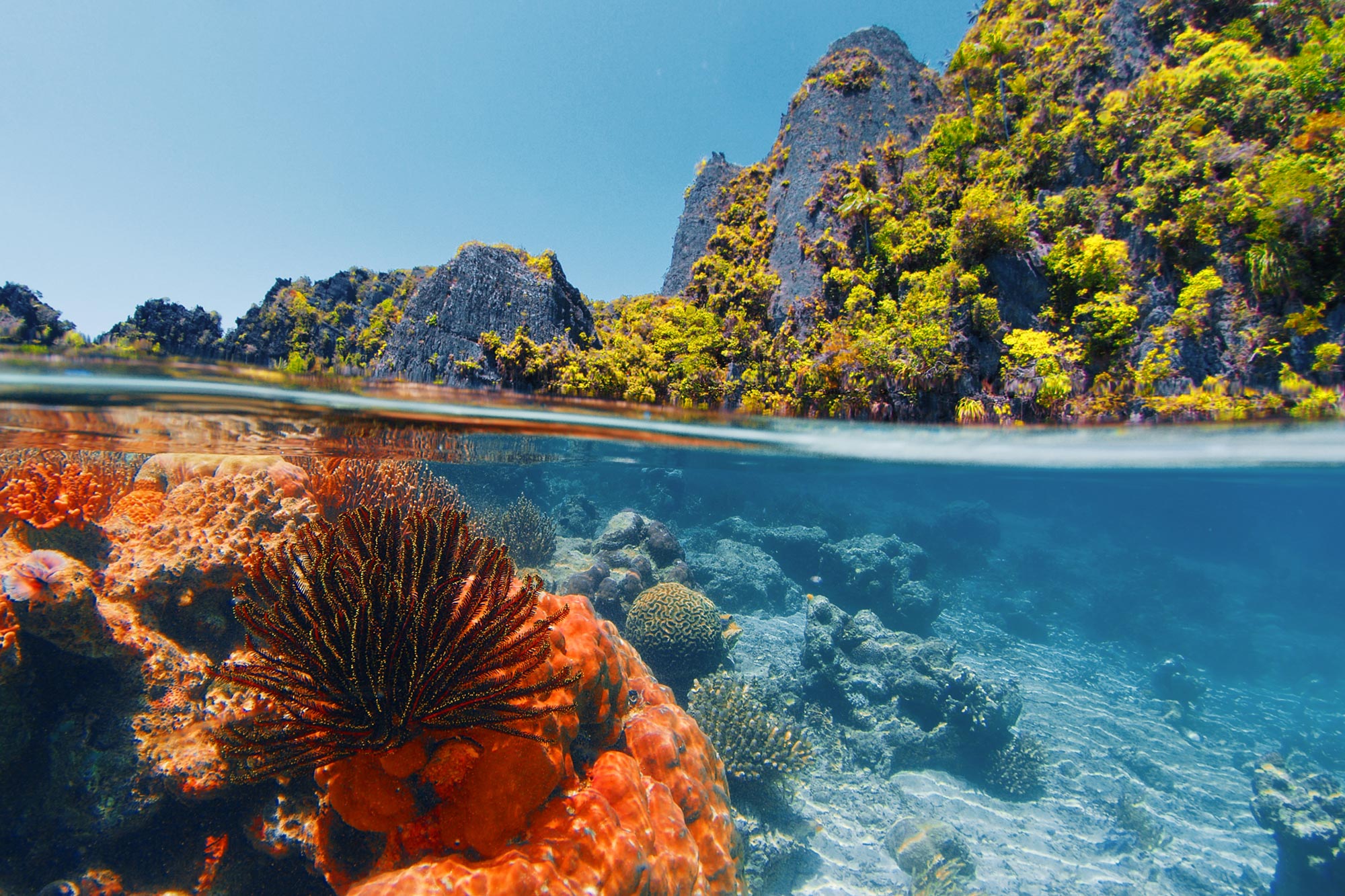
Coral reefs act like timekeepers for nearby microbes, triggering daily cycles that reshape microscopic life in surrounding waters. These hidden rhythms reveal reefs as active ecosystem engineers—and potential early warning systems for reef health.
A new study reveals that coral reefs do far more than shelter fish and colorful marine life. They also help organize the daily timing of microscopic organisms living in nearby waters. Over the span of just one day, both the number and types of microbes can change dramatically.
To capture these rapid shifts, scientists collected water samples at frequent intervals and analyzed them using a combination of genetic testing, ecological analysis, and advanced imaging. The results show that reefs actively influence nearby microbial communities through processes such as grazing, predation, and interactions with microbes closely associated with the reef itself. These repeating daily patterns offer new insight into how reefs function and how their health might be monitored more effectively.
Reefs as Regulators of Microscopic Ocean Life
Coral reefs are widely known as centers of biodiversity, but this research highlights another important role. Reefs also act as powerful managers of microscopic life in surrounding waters. The study was led by Dr. Herdís G. R. Steinsdóttir a postdoctoral researcher working with Dr. Miguel J. Frada of the Department of Ecology, Evolution and Behaviour at the Hebrew University of Jerusalem and the Interuniversity Institute for Marine Sciences in Eilat and Dr. Derya Akkaynak from the University of Haifa and the Interuniversity Institute for Marine Sciences in Eilat. Their work shows that reefs impose strong daily rhythms on nearby microbial populations, reshaping which microbes are present and how abundant they are throughout the day.
Tracking Microbes Across Seasons and Daily Cycles
Published in Science Advances, the study followed microbial communities in waters above a coral reef in the northern Gulf of Aqaba in the Red Sea. These reef waters were compared with nearby open ocean areas during both winter and summer. By sampling every six hours, the researchers detected daily and seasonal cycles that had not been documented before. These cycles affected bacteria, microalgae, and tiny predators that feed on other microbes.
“We found that the reef is not just passively surrounded by microbes,” said Dr. Frada. “It actively structures microbial life in time, creating daily patterns that repeat across seasons and influence how energy and nutrients move through the ecosystem.”
Predators, Grazers, and Nighttime Surges
The team observed that waters above the reef consistently held far fewer bacteria and microalgae than nearby open waters. This pattern suggests that reef organisms are actively removing these microbes. At the same time, populations of heterotrophic protists, microscopic predators that consume bacteria, rose sharply at night. In some cases, their numbers increased by as much as 80 percent, pointing to predation as a key driver of daily microbial change.
Coral Symbionts Follow a Midday Peak
One particularly notable result involved Symbiodiniaceae, a family of dinoflagellates best known for living in close partnership with corals. Genetic signals from these organisms regularly peaked around midday in reef waters. This pattern suggests daily cycles of release, growth, or turnover that may be linked to sunlight and the metabolic activity of corals.
“These daily microbial rhythms were as strong as, and sometimes stronger than, seasonal differences,” said Dr. Steinsdóttir. “This shows that time of day is a critical factor when studying reef-associated microbial communities.”
A New Tool for Monitoring Reef Health
By bringing together genetic sequencing, flow cytometry, imaging tools, and biogeochemical measurements, the researchers produced one of the most detailed time-based views yet of microbial life around coral reefs. Their findings suggest that daily microbial patterns could become sensitive indicators of how reefs are functioning and how healthy they are as ocean conditions continue to change.
Reference: “Microbial dynamics in coral reef waters: Diel cycles in contrasting seasons” by Herdís G. R. Steinsdóttir, Derya Akkaynak and Miguel J. Frada, 1 January 2026, Science Advances.
DOI: 10.1126/sciadv.ady9534
Never miss a breakthrough: Join the SciTechDaily newsletter.
Follow us on Google and Google News.