
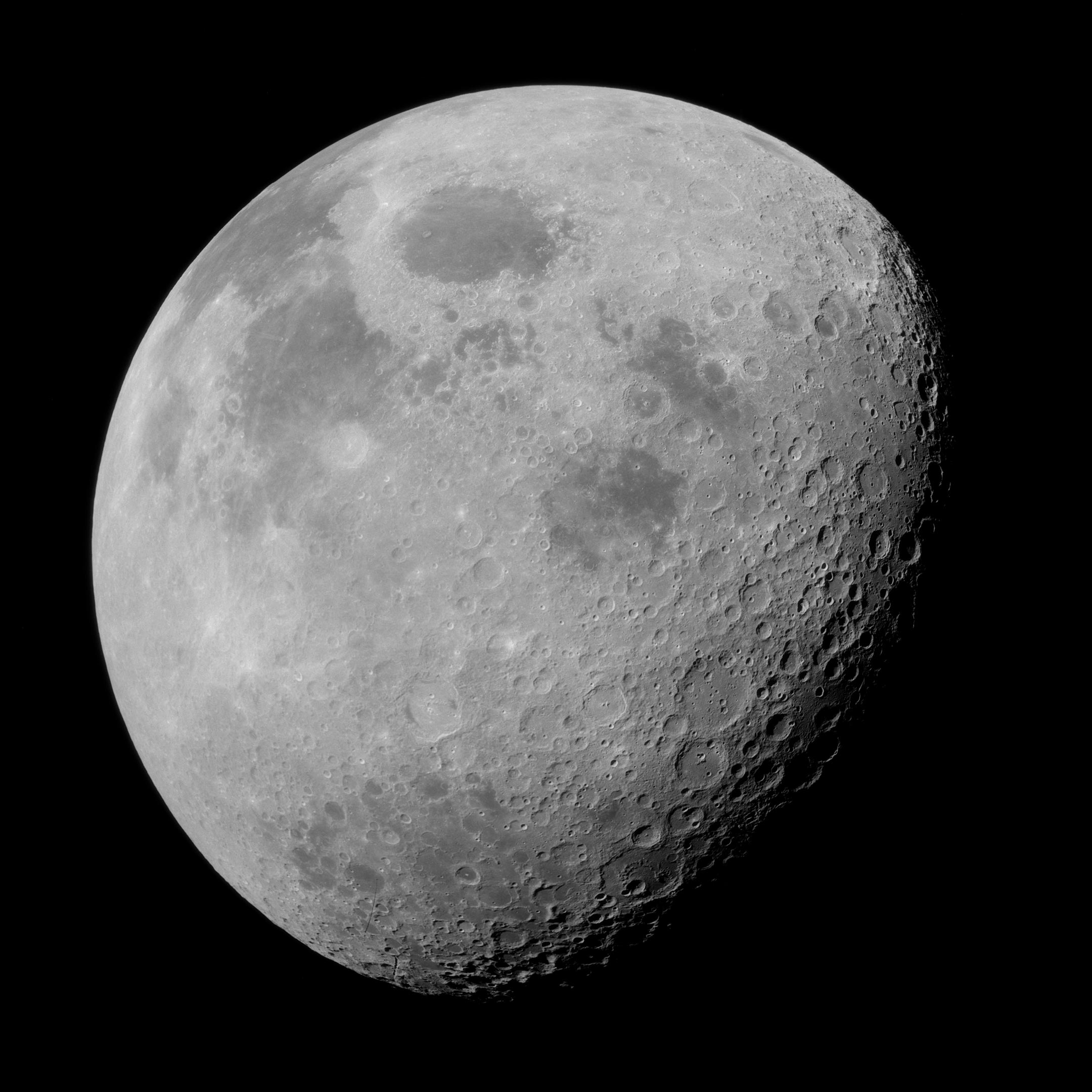
Chandrayaan-3’s landing on the Moon and subsequent sulfur detection has propelled lunar ice research forward, aiding NASA’s plans for a sustainable lunar station. These developments highlight the growing collaboration in space exploration.
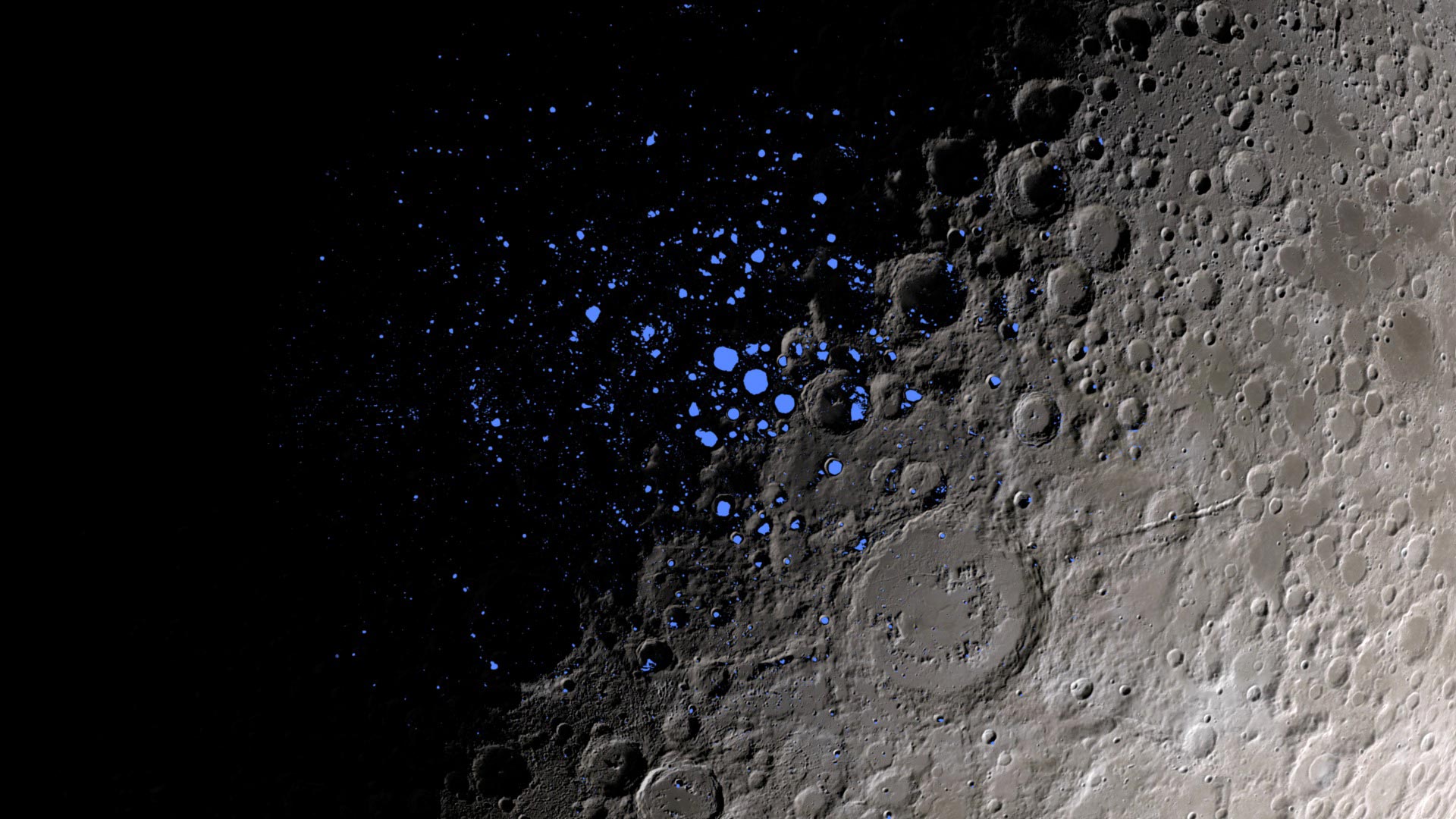
Building a space station on the Moon might seem like something out of a science fiction movie, but each new lunar mission is bringing that idea closer to reality. Scientists are homing in on potential lunar ice reservoirs in permanently shadowed regions, or PSRs. These are key to setting up any sort of sustainable lunar infrastructure.
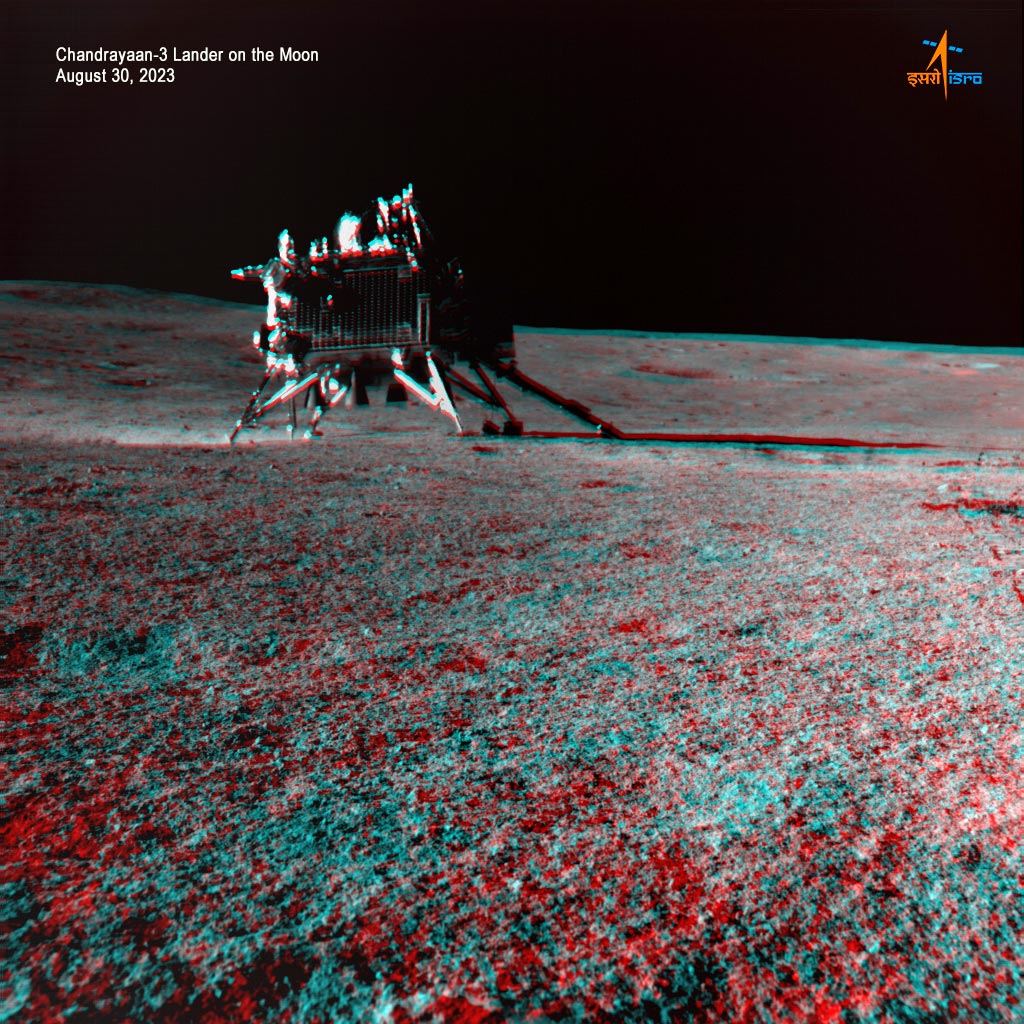
In late August 2023, India’s Chandrayaan-3 lander touched down on the lunar surface in the south polar region, which scientists suspect may harbor ice. This landing marked a significant milestone not only for India but for the scientific community at large.
For planetary scientists like me, measurements from instruments onboard Chandrayaan-3’s Vikram lander and its small, six-wheeled rover Pragyan provide a tantalizing up-close glimpse of the parts of the Moon most likely to contain ice. Earlier observations have shown ice is present in some permanently shadowed regions, but estimates vary widely regarding the amount, form, and distribution of these ice deposits.
Polar Ice Deposits
My team at the Laboratory for Atmospheric and Space Physics has a goal of understanding where water on the Moon came from. Comets or asteroids crashing into the Moon are options, as are volcanic activity and solar wind.
Each of these events leaves behind a distinctive chemical fingerprint, so if we can see those fingerprints, we might be able to trace them to the source of water. For example, sulfur is expected in higher amounts in lunar ice deposits if volcanic activity rather than comets created the ice.
Like water, sulfur is a “volatile” element on the Moon, because on the lunar surface, it’s not very stable. It’s easily vaporized and lost to space. Given its temperamental nature, sulfur is expected to accumulate only in the colder parts of the Moon.
While the Vikram lander didn’t land in a permanently shadowed region, it measured the temperature at a high southern latitude of 69.37°S and was able to identify sulfur in soil grains on the lunar surface. The sulfur measurement is intriguing because sulfur may point toward the source of the Moon’s water.
So, scientists can use temperature as a way of finding where volatiles like these may end up. Temperature measurements from Chandrayaan-3 could allow scientists to test models of volatile stability and figure out how recently the sulfur may have accumulated at the landing site.
Tools for Discovery
Vikram and Pragyan are the newest in a series of spacecraft that have helped scientists study water on the Moon. NASA’s Lunar Reconnaissance Orbiter launched in 2009 and has spent the past several years observing the Moon from orbit. I’m a co-investigator on LRO, and I use its data to study the distribution, form, and abundance of water on the lunar poles.
Both India’s Chandrayaan-1 orbiter and LRO have allowed my colleagues and me to use ultraviolet and near-infrared observations to identify ice in the permanently shadowed regions by measuring the chemical fingerprints of water. We’ve definitively detected water ice in some of these regions inside the coldest shadows at the lunar poles, but we’re still not sure why the ice isn’t more widespread.
On Mercury, by contrast, the permanently shadowed regions are practically overflowing with ice. For several years, scientists have recognized the need to get down on the surface and make more detailed measurements of lunar volatiles. With its sulfur detections, the Vikram lander has now taken the first tentative steps as part of a larger exploration program.
Future Lunar Missions
NASA has its sights set on the lunar south pole. Leading up to the Artemis III mission to deploy astronauts to investigate ice on the surface, the Commercial Lunar Payloads Services program will send multiple landers and rovers to search for ice, such as the recently launched Intuitive Machines’ IM-1 mission.
While uncertainty surrounds the timeline of Artemis launches, the first crewed mission, Artemis II, is on track for a late 2024 or early 2025 launch, with a looping trajectory passing behind the Moon’s far side and back to Earth.
The Lunar Compact Infrared Imaging System, of which I’m the principal investigator, is an infrared camera that will take temperature measurements and study the surface composition of the Moon.
Dubbed L-CIRiS, this camera recently underwent its final review before delivery to NASA, and the completed flight instrument will be prepared to launch on a commercial lander in late 2026.
Prior to L-CIRiS, the VIPER rover mission is planned to launch in late 2024 to the lunar south polar region, where it will carry instruments to search for ice in micro-cold traps. These tiny shadows, some no larger than a penny, are hypothesized to contain a significant amount of water and are more accessible than the larger PSRs.
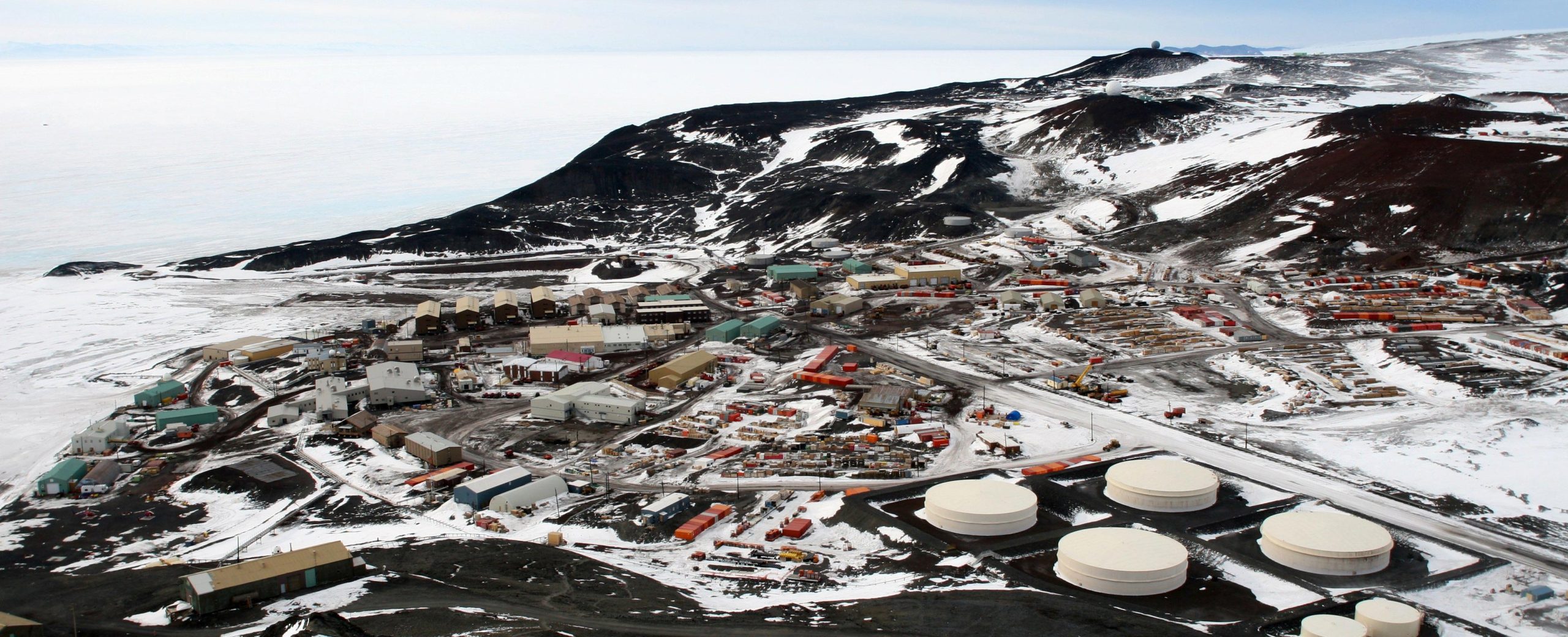
One long-term goal of L-CIRiS and NASA’s Commercial Lunar Payload Services program is to find a suitable place for a long-term, sustainable lunar station. Astronauts could stay at this station, potentially similar to the one at McMurdo station in Antarctica, but it would need to be somewhat self-sufficient to be economically viable. Water is extremely expensive to ship to the Moon, hence locating the station near ice reservoirs is a must.
During the Artemis III mission, NASA astronauts will use the information gathered by the Commercial Lunar Payload Services program and other missions, including Chandrayaan-3, to assess the best locations to collect samples. Chandrayaan-3 and L-CIRiS’s measurements of temperature and composition are like those that will be needed for Artemis to succeed. Cooperation among space agencies young and old is thus becoming a key feature of a long-term, sustainable human presence on the Moon.
Written by Paul Hayne, Assistant Professor of Astrophysical and Planetary Sciences, University of Colorado Boulder.
Adapted from an article originally published in The Conversation.
Never miss a breakthrough: Join the SciTechDaily newsletter.
Follow us on Google and Google News.