
Close Menu
    Facebook X (Twitter) Instagram
    SciTechDaily
    • Biology
    • Chemistry
    • Earth
    • Health
    • Physics
    • Science
    • Space
    • Technology
    Facebook X (Twitter) Pinterest YouTube RSS
    SciTechDaily
    Home»Technology»Dissolving Electronics: DARPA Announces the Vanishing Programmable Resources Program
    Technology

    Dissolving Electronics: DARPA Announces the Vanishing Programmable Resources Program

    By DARPAJanuary 29, 2013No Comments3 Mins Read
    Facebook Twitter Pinterest Telegram LinkedIn WhatsApp Email Reddit
    Share
    Facebook Twitter LinkedIn Pinterest Telegram Email Reddit
    Dissolving Electronics
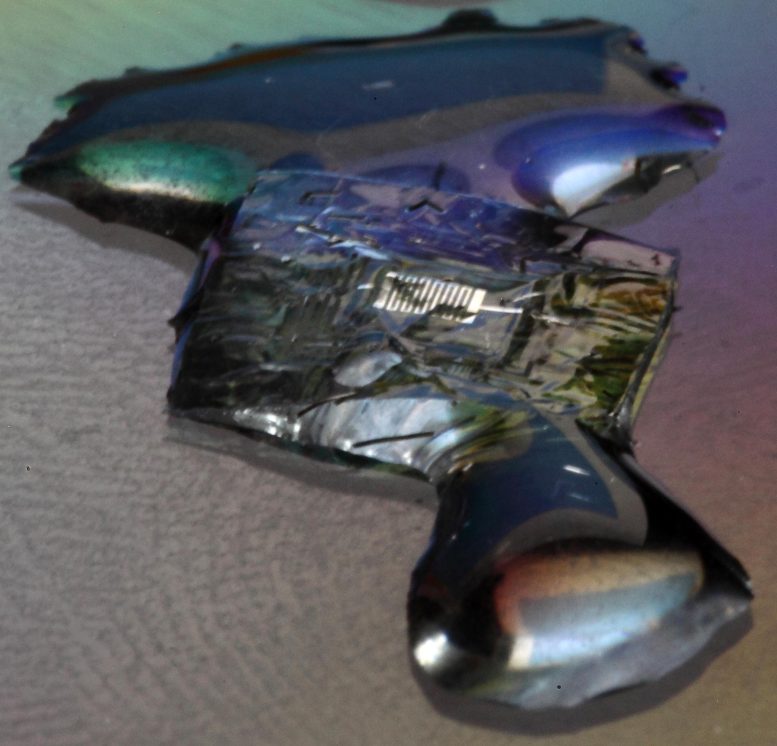
    DARPA’s Vanishing Programmable Resources (VAPR) program aims to revolutionize transient electronics, capable of dissolving into the environment. Credit: DARPA

    DARPA’s Vanishing Programmable Resources program seeks to develop electronics capable of dissolving into the environment around them when triggered to do so.

    The sophisticated electronics used by warfighters in everything from radios, remote sensors and even phones can now be made at such a low cost that they are pervasive throughout the battlefield. These electronics have become necessary for operations, but it is almost impossible to track and recover every device. At the end of operations, these electronics are often found scattered across the battlefield and might be captured by the enemy and repurposed or studied to compromise DoD’s strategic technological advantage.

    What if these electronics simply disappeared when no longer needed? DARPA announces the Vanishing Programmable Resources (VAPR) program with the aim of revolutionizing the state of the art in transient electronics or electronics capable of dissolving into the environment around them. Transient electronics developed under VAPR should maintain the current functionality and ruggedness of conventional electronics, but, when triggered, be able to degrade partially or completely into their surroundings. Once triggered to dissolve, these electronics would be useless to any enemy who might come across them.

    “The commercial off-the-shelf, or COTS, electronics made for everyday purchases are durable and last nearly forever,” said Alicia Jackson, DARPA program manager. “DARPA is looking for a way to make electronics that last precisely as long as they are needed. The breakdown of such devices could be triggered by a signal sent from command or any number of possible environmental conditions, such as temperature.”

    DARPA has posted a special announcement for a Proposers’ Day to be held in advance of a full solicitation in the form of a broad agency announcement. Performers are sought to conduct basic research into materials, devices, manufacturing and integration processes, and design methodology that will enable a revolutionary shift in transient electronics capabilities. The program seeks to culminate in a technology demonstration that builds a circuit representative of an environmental or biomedical sensor that is able to communicate with a remote user.

    “DARPA has previously demonstrated that transient electronics might be used to fight infections at surgical sites,” said Jackson. “Now, we want to develop a revolutionary new class of electronics for a variety of systems whose transience does not require submersion in water. This is a tall order, and we imagine a multidisciplinary approach. Teams will likely need industry experts who understand circuits, integration, and, design. Performers from the material science community will be sought to develop novel substrates. There’s lots of room for innovation by clever people with diverse expertise.”

    Never miss a breakthrough: Join the SciTechDaily newsletter.
    Follow us on Google and Google News.

    DARPA Electronics
    Share. Facebook Twitter Pinterest LinkedIn Email Reddit

    Related Articles

    DARPA Creates First Solid State Receiver to Demonstrate Gain at 0.85 THz

    Engineers to Develop a Smart Suit That Improves Physical Endurance

    DARPA Uses Cold Plasma to Suppress and Extinguish Fire

    “Cheetah” Sets Legged Robot Land Speed Record

    Elastomeric “Soft” Robots Running on Pneumatic Actuators

    DARPA’s Legged Squad Support System (LS3) To Ease Physical Load on Troops

    DARPA’s HACMS Program Seeks to Create New Technology

    Researchers Designing Eye-Enhancing Virtual Reality Contact Lenses for Soldiers

    DARPA Seeks Researchers for PERFECT Program

    Leave A Reply Cancel Reply

    • Facebook
    • Twitter
    • Pinterest
    • YouTube

    Don't Miss a Discovery

    Subscribe for the Latest in Science & Tech!

    Trending News

    One of the Universe’s Largest Stars May Be Getting Ready To Explode

    Scientists Discover Enzyme That Could Supercharge Ozempic-Like Weight Loss Drugs

    Popular Sweetener Linked to DNA Damage – “It’s Something You Should Not Be Eating”

    Ancient “Rock” Microbes May Reveal How Complex Life Began

    Researchers Capture Quantum Interference in One of Nature’s Rarest Atoms

    “A Plague Is Upon Us”: The Mass Death That Changed an Ancient City Forever

    Scientists Discover Game-Changing New Way To Treat High Cholesterol

    This Small Change to Your Exercise Routine Could Be the Secret to Living Longer

    Follow SciTechDaily
    • Facebook
    • Twitter
    • YouTube
    • Pinterest
    • Newsletter
    • RSS
    SciTech News
    • Biology News
    • Chemistry News
    • Earth News
    • Health News
    • Physics News
    • Science News
    • Space News
    • Technology News
    Recent Posts
    • Scientists Prove There Are Just Six Degrees of Separation in a Social Network
    • Bee Bacteria Could Fix a Major Flaw in Plant-Based Milk
    • Scientists Discover a Surprising Way To Make Bread Healthier and More Nutritious
    • Natural Compounds Boost Bone Implant Success While Killing Bacteria and Cancer Cells
    • After 60 Years, Scientists Uncover Unexpected Brain Effects of Popular Diabetes Drug Metformin
    Copyright © 1998 - 2026 SciTechDaily. All Rights Reserved.
    • Science News
    • About
    • Contact
    • Editorial Board
    • Privacy Policy
    • Terms of Use

    Type above and press Enter to search. Press Esc to cancel.