
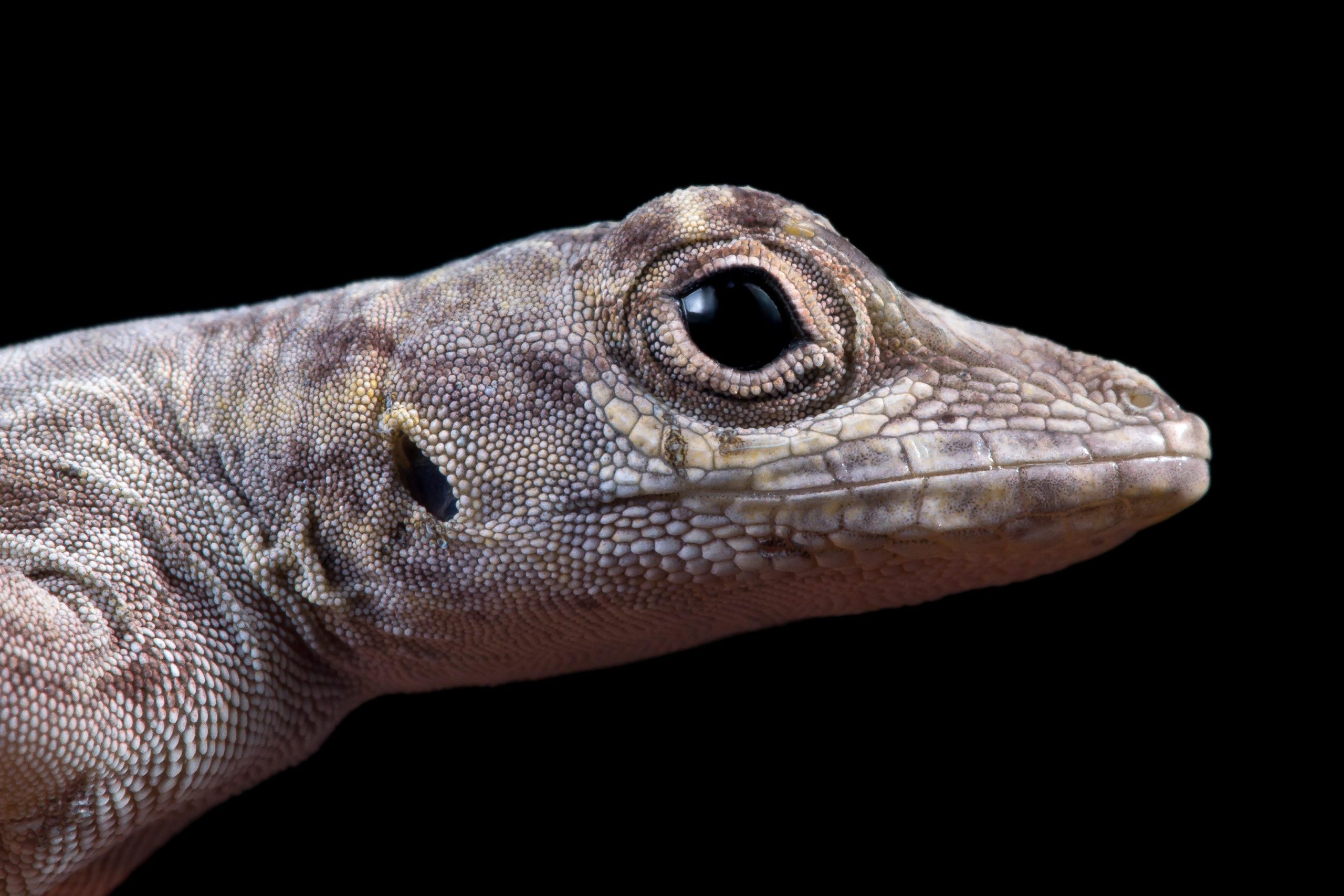
By lassoing lizards, putting tiny chips on their legs, and tracking them for three years, Georgia Tech’s James Stroud revealed why species often appear unchanged for millions of years despite Charles Darwin’s theory of constant evolution.
Charles Darwin said that evolution was constantly happening, causing animals to adapt for survival. But many of his contemporaries disagreed. If evolution is always causing things to change, they asked, then how is it that two fossils from the same species, found in the same location, can look identical despite being 50 million years apart in age?
Everything changed in the past 40 years, when an explosion of evolutionary studies proved that evolution can and does occur rapidly — even from one generation to the next. Evolutionary biologists were thrilled, but the findings reinforced the same paradox: If evolution can happen so fast, then why do most species on Earth continue to appear the same for many millions of years?
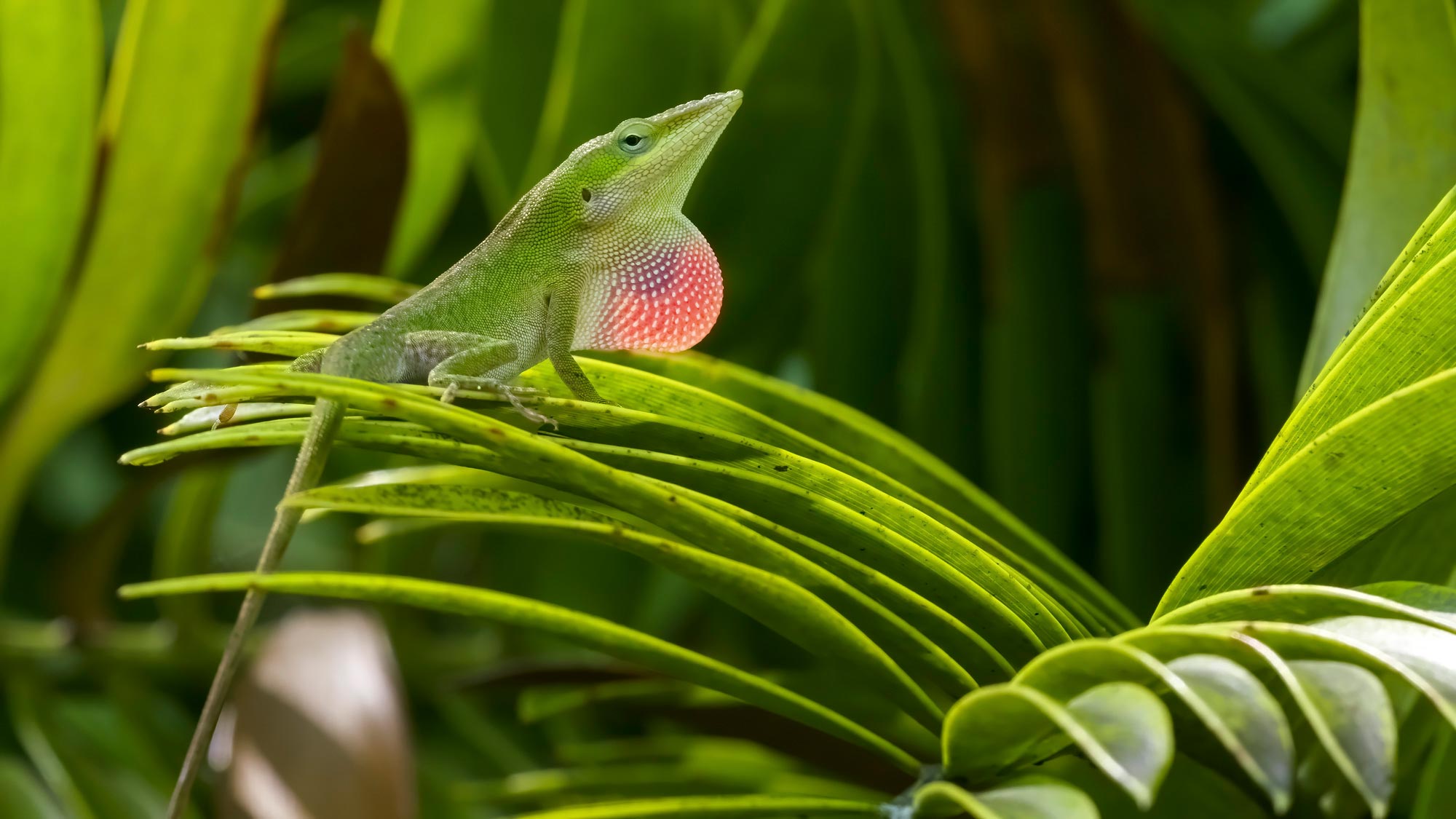
This is known as the paradox of stasis, and James Stroud, assistant professor in the School of Biological Sciences at the Georgia Institute of Technology, set out to investigate it. He conducted a long-term study in a community of lizards, measuring how evolution unfolds in the wild across multiple species. In doing so, he may have found the answer to one of evolution’s greatest challenges.
His research was published as the cover story in the Proceedings of the Natural Academy of Sciences.
Unraveling the Paradox
“We call this a paradox because it doesn’t seem to make any sense,” Stroud said. “The most common explanation is that natural selection is working to stabilize a species’ appearance, with the assumption that an average form will help them survive the best. The problem is, when people do field studies, they almost never find that this kind of ‘stabilizing’ selection actually exists.”
Lassoing Lizards for Insight
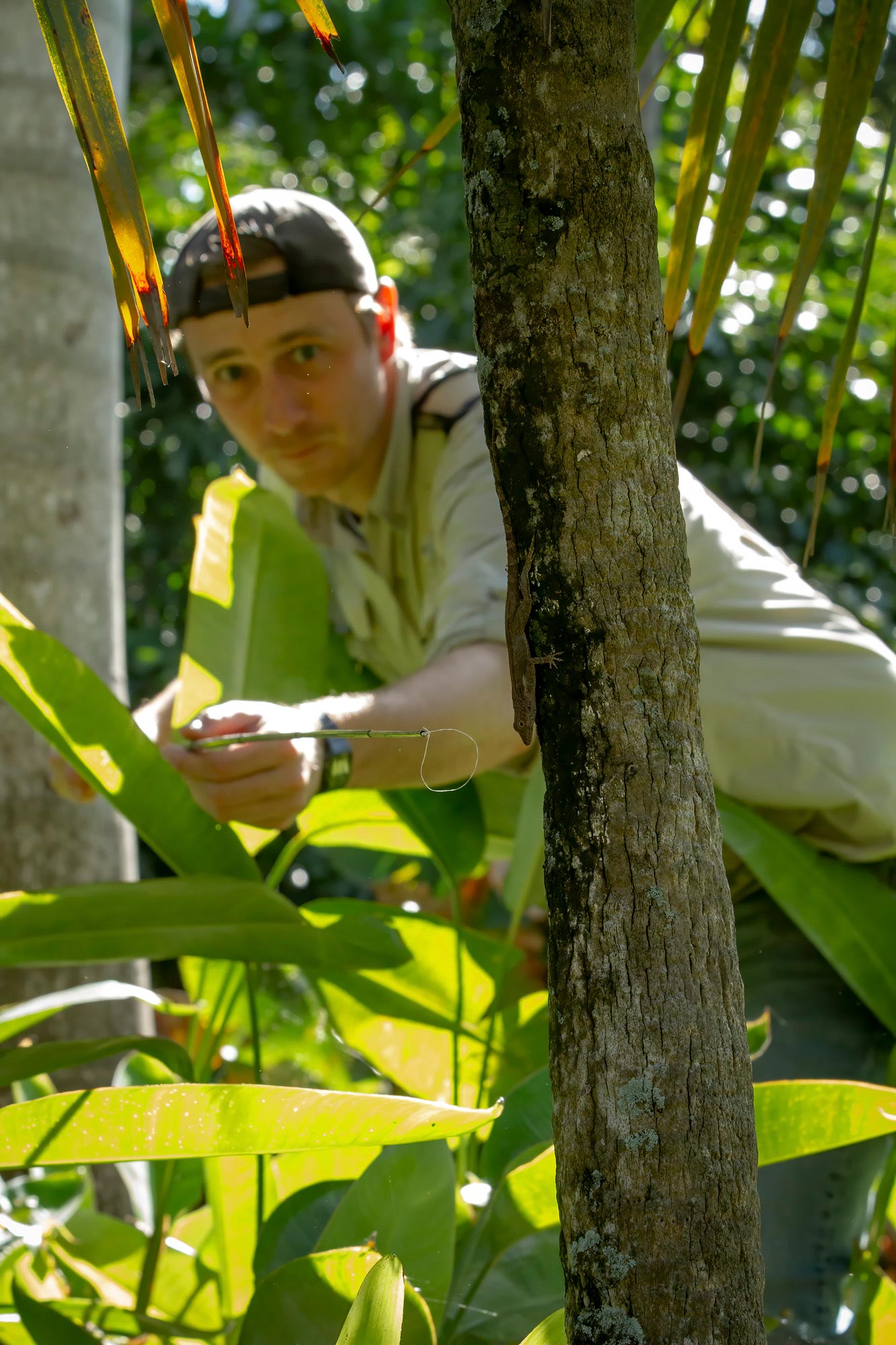
Stroud set up a field study with four different species of Anolis lizards (anoles) on a small island at the Fairchild Tropical Botanic Gardens in Coral Gables, Florida. He measured natural selection in all four lizard species over five consecutive time periods by catching and monitoring the survival of every lizard on the island.
Stroud and his colleagues searched day and night for lizards. Using long fishing poles with tiny lassos at their tips, they gently captured them by their strong necks, placed them in coolers, and documented the exact branch or stump where they found each lizard.
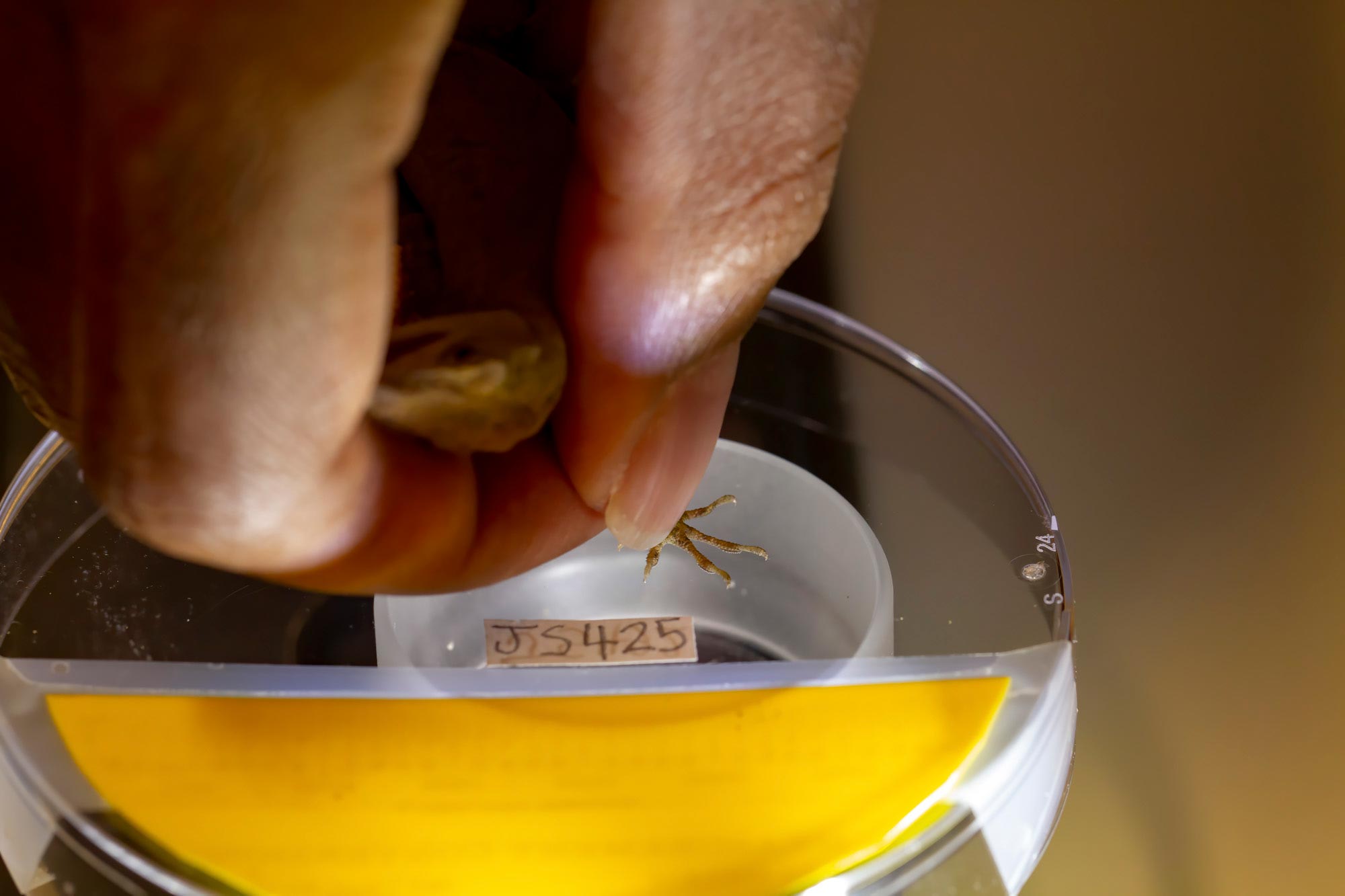
Back in the lab, Stroud measured the lizards’ heads, legs, feet, weight, and even the stickiness of their toes. After assigning an identifying number to each lizard and marking them with a tiny tag under the skin, the team released the lizards to the same branches where they’d found them. They went out in the following days and weeks to catch the rest of them.
Every six months for three years, Stroud and his team started the process over again. Catching the same lizards, taking measurements, releasing them, and making notes of which lizards survived and which didn’t.
A Picture of Evolution Is Worth a Thousand Lizards
By incorporating data for each time period, Stroud captured the history of every lizard in the community. He then related survival data to the variation in body traits, which allowed him to analyze which body traits were important predictors of survival. Taken together, the analysis painted a picture of how natural selection operated on the community as a whole.
To his surprise, Stroud found that the stabilizing form of natural selection — that which maintains a species’ same, average features — was extremely rare. In fact, natural selection varied massively through time. Some years, lizards with longer legs would survive better, and other years, lizards with shorter legs fared better. For other times, there was no clear pattern at all.
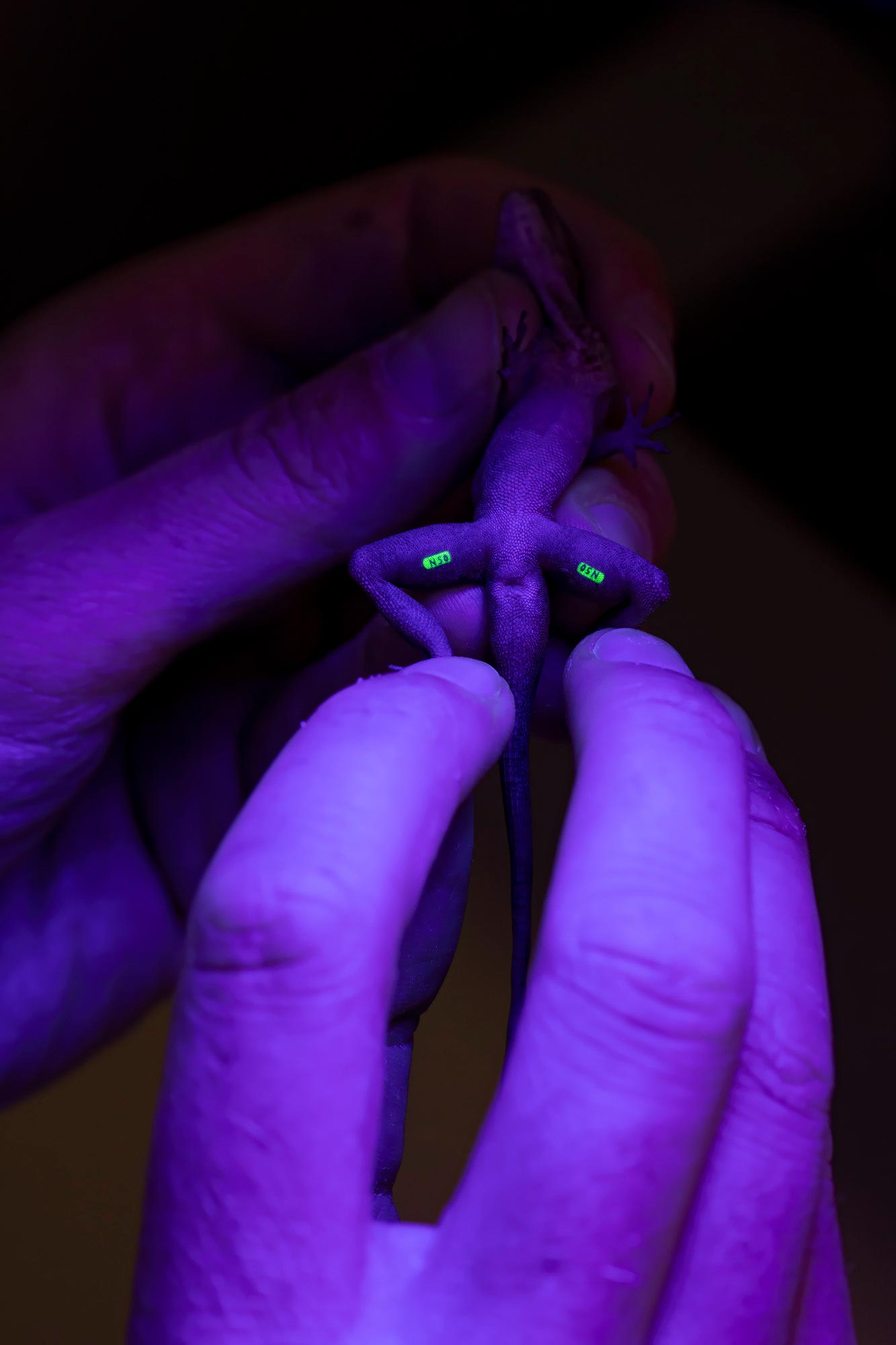
“The most fascinating result is that natural selection was extremely variable through time,” Stroud said. “We often saw that selection would completely flip in direction from one year to the next. When combined into a long-term pattern, however, all this variation effectively canceled itself out: Species remained remarkably similar across the entire time period.”
Breaking New Ground
The findings provided by Stroud’s study had never been seen before. There had never been such insight into how selection works on a community level, and certainly not at this level of detail.
The reason scientists never understood how evolution works on the community level is because long-term studies like Stroud’s are extremely rare. Researchers are unlikely to undertake such projects because of the great amount of work and time required.
“Evolution can and does happen — it’s this ongoing process, but it doesn’t necessarily mean things are constantly changing in the long run,” Stroud said. “Now we know that even if animals appear to be staying the same, evolution is still happening.”
According to Stroud, understanding evolution is critical to everything that we want to understand about life on Earth.
“Understanding evolution doesn’t only help us understand the plants and animals around us and how they’re distributed across the world,” he said. “It also shows us how life sustains itself in a world dominated by humans.”
There have been very few studies that monitor how evolution unfolds in the wild at long time scales. That, according to Stroud, is why we have a biased view of what evolution is.
“For a very long time, evolutionary biologists have tried to figure out what was behind this paradox of stasis idea,” Stroud said. “What this study shows is that the answer may not be particularly complicated — we just had to conduct a study in the wild for a long enough time to figure it out.”
Reference: “Fluctuating selection maintains distinct species phenotypes in an ecological community in the wild” by James T. Stroud, Michael P. Moore, R. Brian Langerhans and Jonathan B. Losos, 9 October 2023, Proceedings of the National Academy of Sciences.
DOI: 10.1073/pnas.2222071120
Never miss a breakthrough: Join the SciTechDaily newsletter.
Follow us on Google and Google News.
2 Comments
Its all theory so I dont know why anyone would be surprised or shocked that it changes over time.
No one knows, or ever will, what has happened over the centuries and millennia.
Look into chaos theory and “strange attractors”. It’s not at all surprising.