
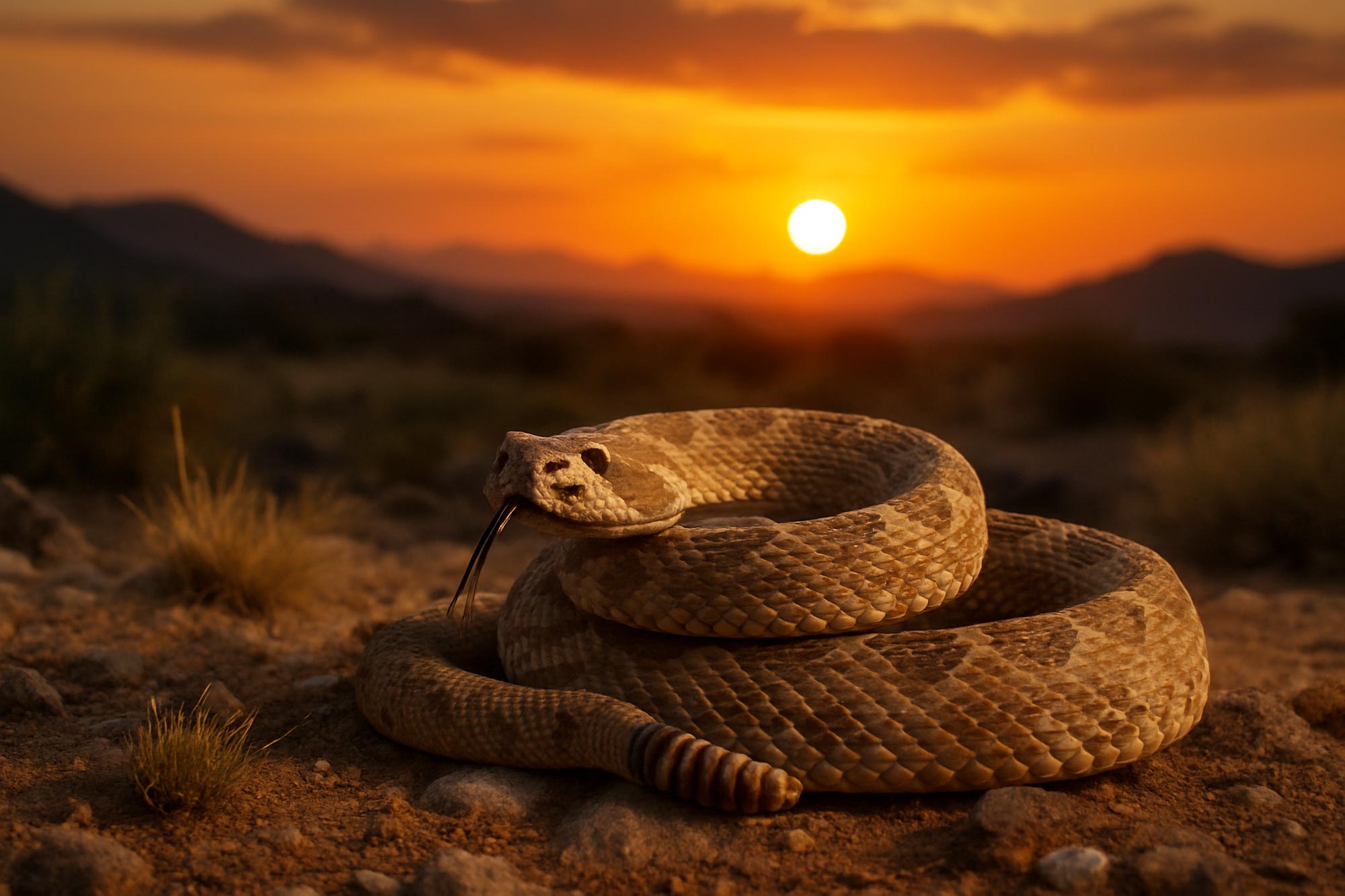
On remote islands in the Gulf of California, scientists uncovered a surprising twist in rattlesnake evolution: simpler venom compositions emerged in more biodiverse environments, challenging the expectation that greater prey variety drives more complex venom.
This unexpected finding hints at ecological specialization as a response to competition. Studying these island rattlesnakes offers critical insights into how species adapt in fragmented habitats and opens up urgent questions about the effectiveness of current antivenoms.
Unlocking Evolutionary Clues Through Rattlesnake Venom
Researchers at the University of South Florida are gaining new insight into how animals evolve by studying rattlesnake venom. Their findings could help us better understand — and ultimately protect — wildlife in ecosystems increasingly shaped by human activity.
In a new study published today (April 23) in the scientific journal Evolution, the team discovered that some rattlesnakes produce simpler venoms composed of fewer, more specialized toxin families. This unexpected result challenges long-held assumptions about evolution, particularly the idea that greater biodiversity leads to more complex traits.
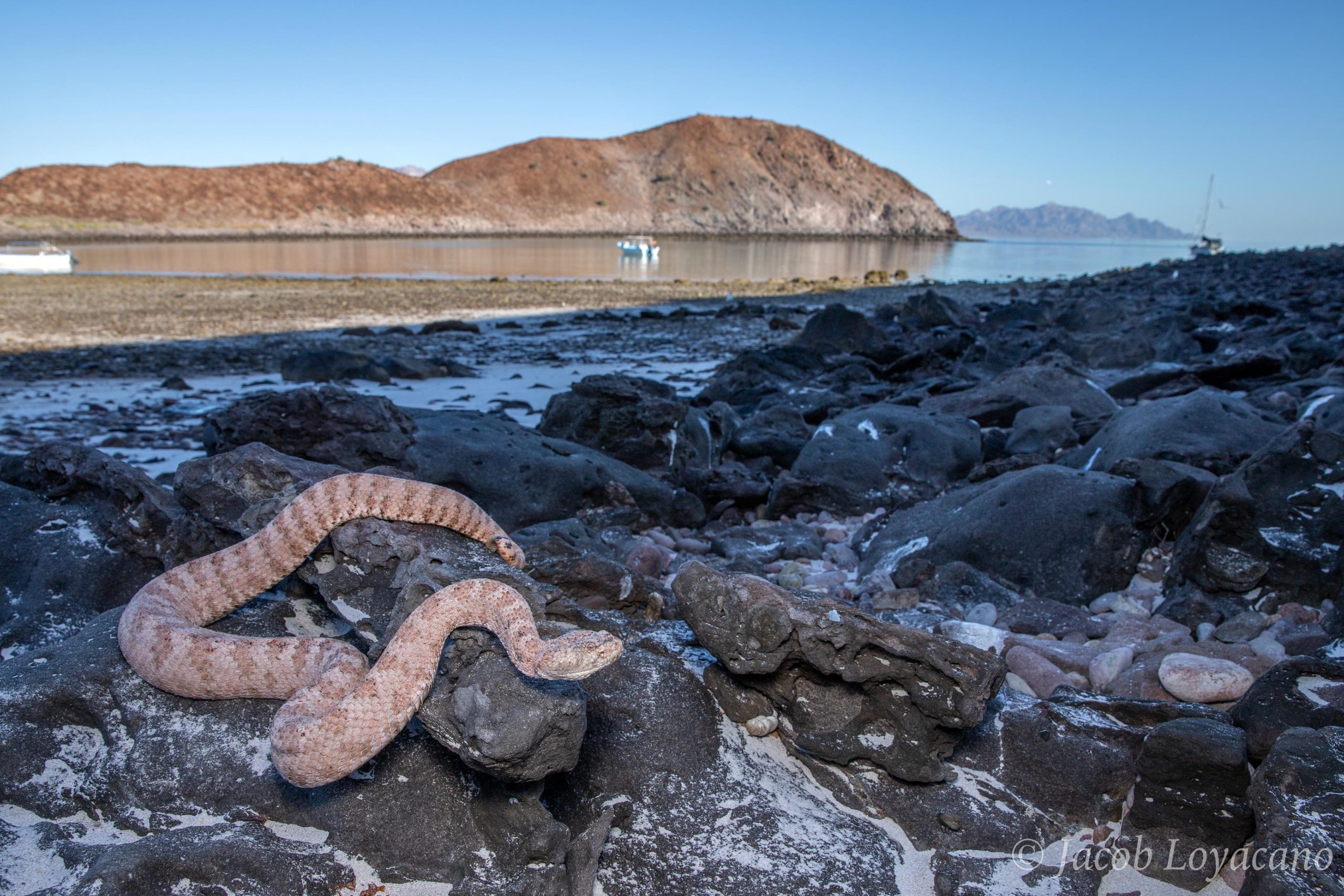
Fieldwork on Isolated Baja California Islands
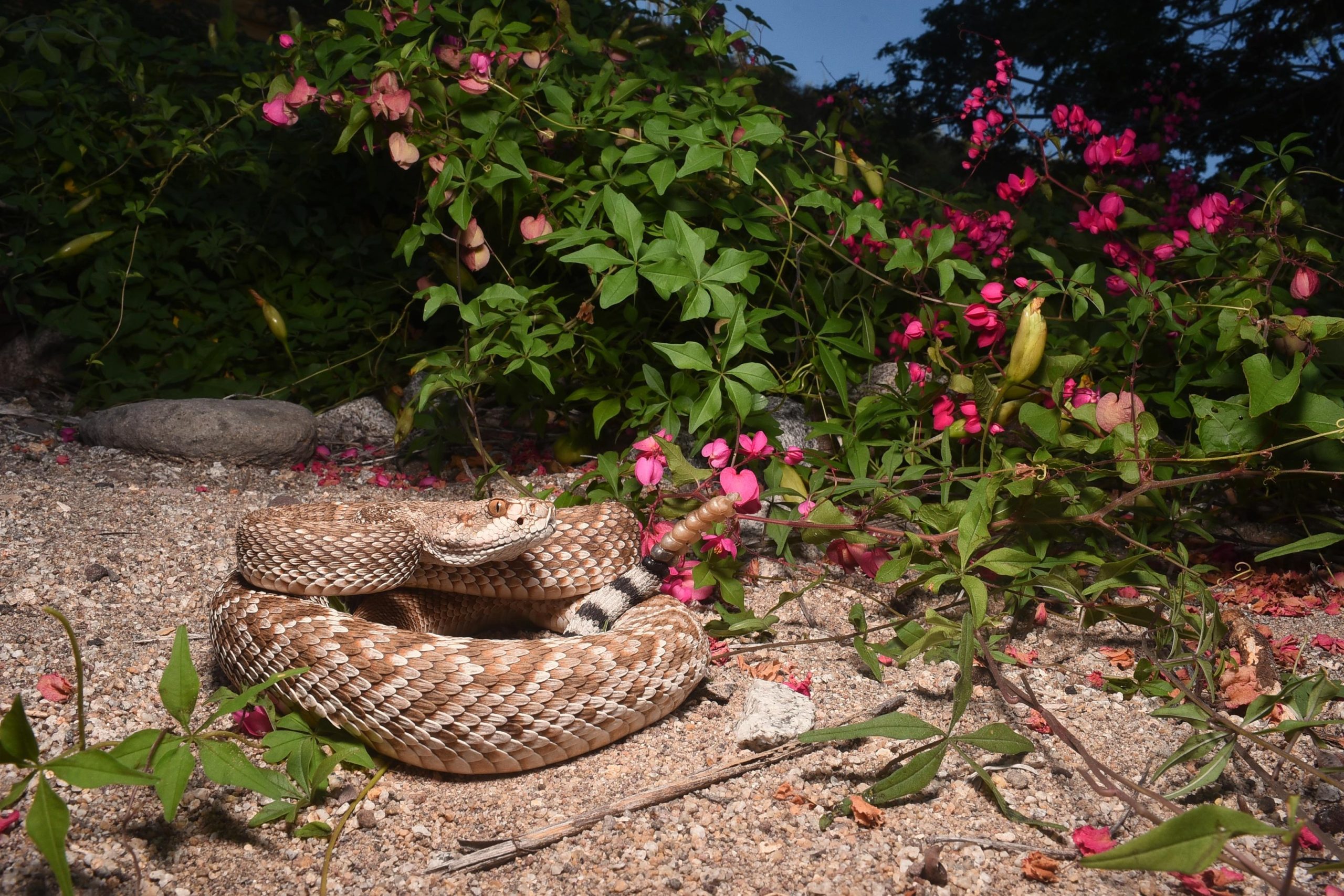
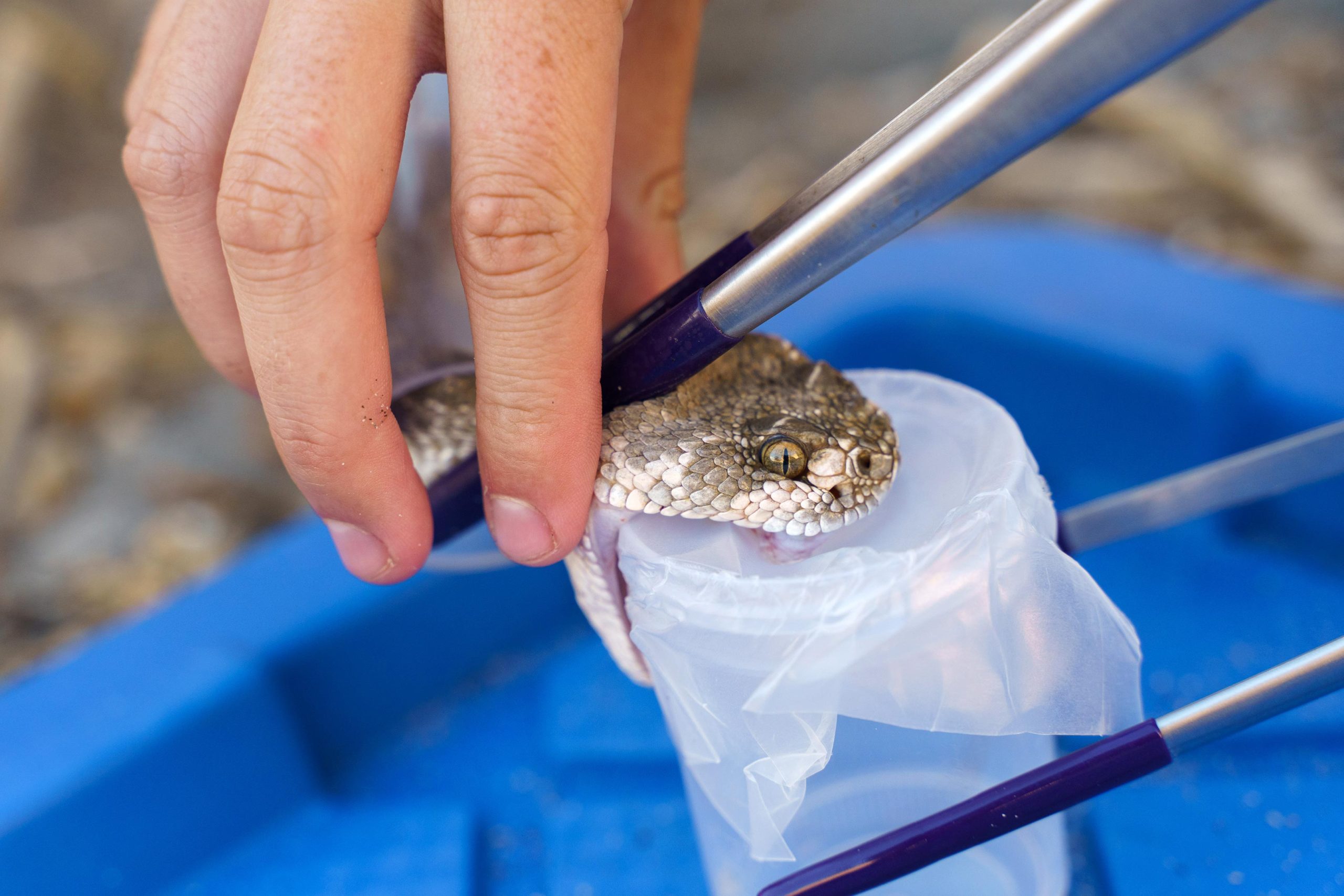
Assistant Professor Mark Margres and doctoral student Samuel Hirst conducted their research on 11 uninhabited islands in the Gulf of California. They camped on the beaches and searched for snakes at night, once temperatures had dropped enough for the animals to emerge. With support from scientists in Mexico and California, the researchers collected venom samples from 83 rattlesnakes — some up to four feet long — to examine how venom composition is shaped by diet and survival strategies in the wild.
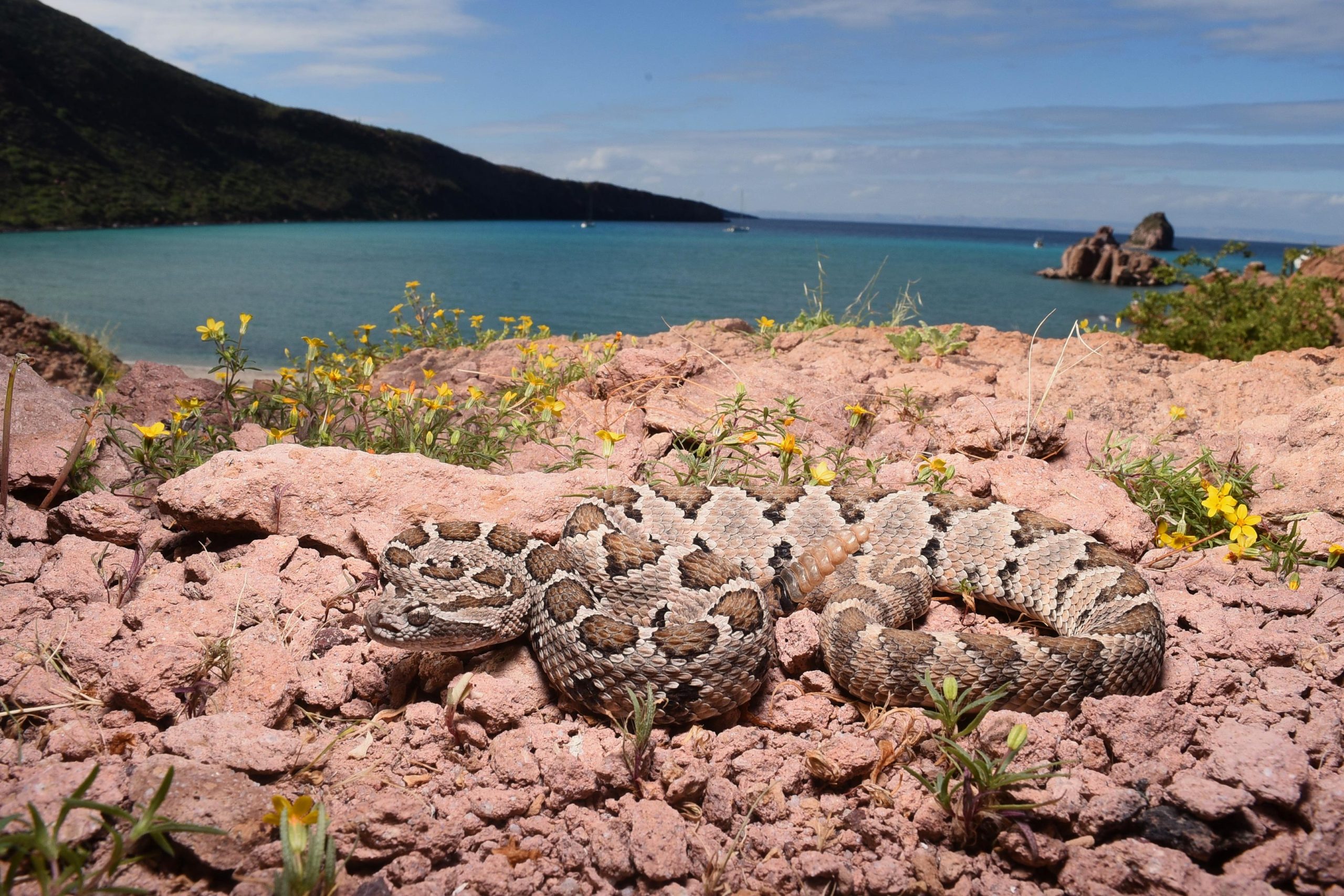
Surprising Results: Simpler Venom on Diverse Islands
“The Baja California islands are pristine and largely untouched by human activity, making them an extraordinary place to study evolutionary processes in isolation,” Hirst said. “We initially hypothesized that larger islands, which support greater biodiversity and prey diversity, would be associated with more complex venoms, which are better suited for more diverse prey. However, we found the opposite pattern.
This unexpected result suggests that factors such as competition or ecological specialization may be at play, opening exciting avenues for future research.”
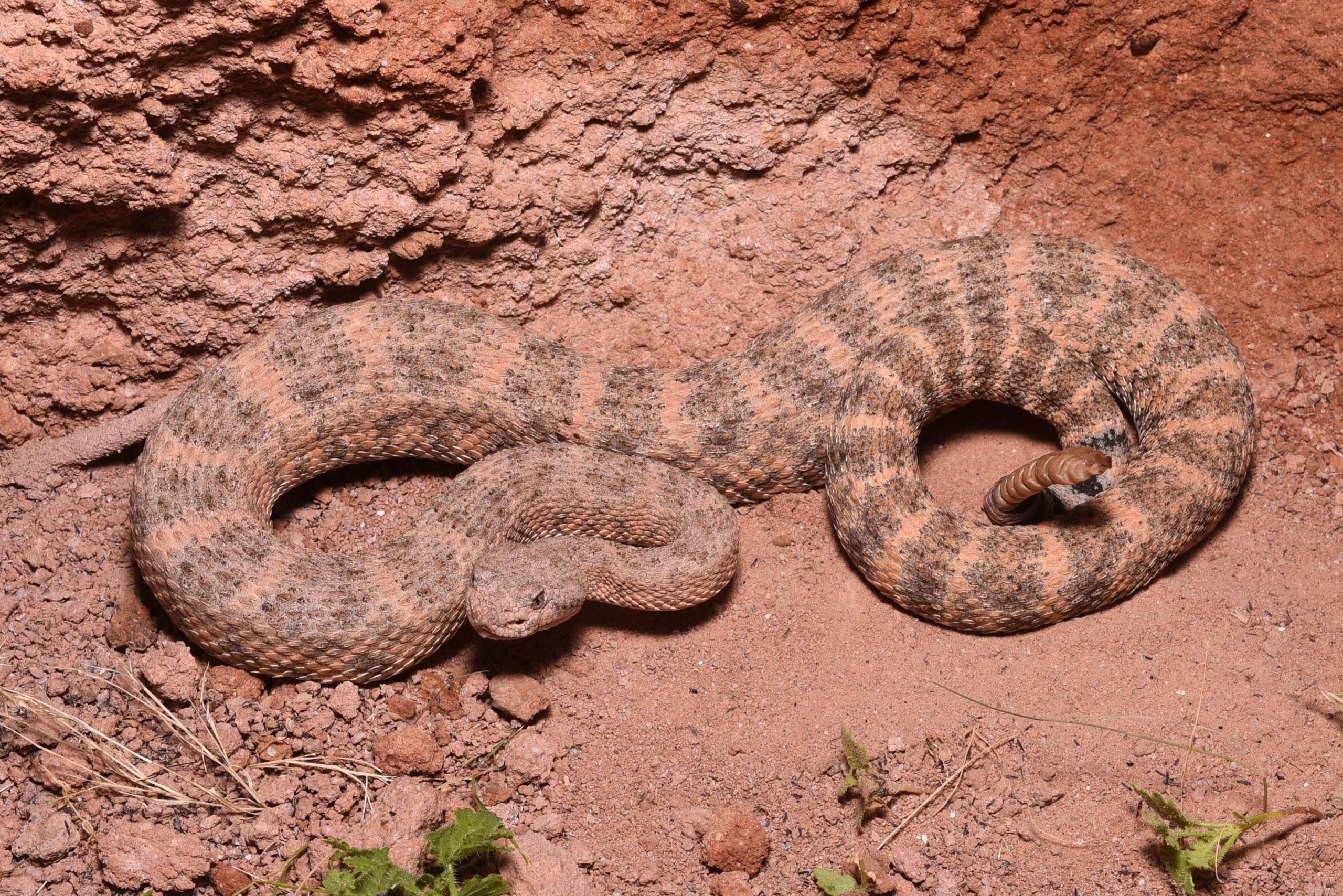
Specialized Venom and Ecological Competition
The study found that on islands with more space and more competition, rattlesnake venom became more specialized. As animals adapt to reduce competition, rattlesnakes may evolve venom that’s finely tuned to specific prey. This challenges long-standing ideas about evolution and offers fresh insight into how species and their traits adapt in fragmented environments.
“Habitat fragmentation is like breaking apart a completed puzzle. A healthy, intact ecosystem is like a 1,000-piece puzzle where every piece is in place — you can clearly see the full picture,” Margres said. “But when you start fragmenting it, pieces go missing or get rearranged, and the image becomes distorted. That distortion represents the disruption of ecosystem function.”

Venom as a Window Into Biodiversity Changes
This research offers a rare, measurable example of the effects of rapid changes in biodiversity — the variety of all living things in a particular area, including animals, plants, insects, and even microscopic organisms. These changes, often driven by human activity, can affect not just which species live in an area, but how their bodies work on a molecular level. Because venom plays a key role in survival, hunting and reproduction, it’s a valuable tool for studying broader evolutionary trends.
“This isn’t just about rattlesnakes — it’s about understanding the fundamental ways life evolves when isolation and biodiversity start to shift,” said Margres, who also studies rattlesnakes on coastal islands in the eastern U.S., including Honeymoon and Caladesi in Tampa Bay.
Ongoing Research and Antivenom Implications
The study has provided an extensive amount of data, allowing Margres and Hirst to continue their research and further explore how island systems can inform habitat fragmentation and its effects on genetic diversity. They’re also working to test how well current Mexican antivenoms neutralize the unique venoms found on these islands — a necessary step toward making sure that if someone is bitten, local hospitals have the correct antivenom to treat them effectively.

“Right now, we don’t know how well existing antivenoms work against these island venoms — but our research is helping to change that,” Margres said.
Reference: “Island biogeography and competition drive rapid venom complexity evolution across rattlesnakes” by Samuel R Hirst, Marc A Beer, Cameron M VanHorn, Rhett M Rautsaw, Hector Franz-Chávez, Bruno Rodriguez Lopez, Ricardo Ramírez Chaparro, Ramsés Alejandro Rosales-García, Víctor Vásquez-Cruz, Alfonso Kelly-Hernández, Sofía Alejandra Salinas Amézquita, David Emaús López Martínez, Tania Perez Fiol, Alexandra Rubio Rincón, A Carl Whittington, Gamaliel Castañeda-Gaytán, Miguel Borja, Christopher L Parkinson, Jason L Strickland and Mark J Margres, 23 April 2025, Evolution.
DOI: 10.1093/evolut/qpaf074
This study was funded and supported by the National Geographic Society and was done in collaboration with the support of Mexico’s Secretaría de Medio Ambiente y Recursos Naturales (SEMARNAT) and Comisión Nacional de Áreas Naturales Protegidas (CONANP), whose conservation efforts protect these ecologically significant islands.
Never miss a breakthrough: Join the SciTechDaily newsletter.
Follow us on Google and Google News.