
Close Menu
    Facebook X (Twitter) Instagram
    SciTechDaily
    • Biology
    • Chemistry
    • Earth
    • Health
    • Physics
    • Science
    • Space
    • Technology
    Facebook X (Twitter) Pinterest YouTube RSS
    SciTechDaily
    Home»Science»Deleting a Protein May Prevent Heart Attacks and Strokes
    Science

    Deleting a Protein May Prevent Heart Attacks and Strokes

    By University of ConnecticutMarch 29, 2022No Comments3 Mins Read
    Facebook Twitter Pinterest Telegram LinkedIn WhatsApp Email Reddit
    Share
    Facebook Twitter LinkedIn Pinterest Telegram Email Reddit
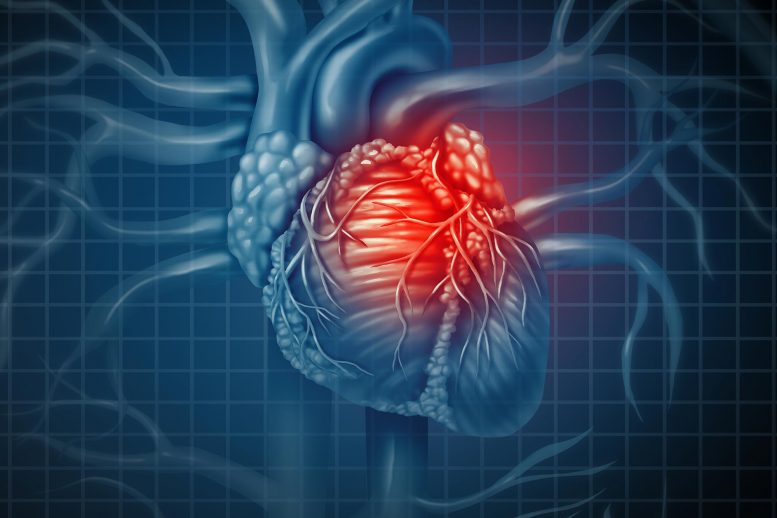
    Heart Disease Concept
    Researchers propose that deleting the protein TRPM2 could help prevent heart attacks and strokes in humans.

    Deleting the TRPM2 protein in macrophages prevented atherosclerosis in mice, suggesting a potential method for reducing heart attack and stroke risk in humans.

    Macrophages travel through our arteries, gobbling fat the way Pac-man gobbled ghosts. But fat-filled macrophages can narrow blood vessels and cause heart disease. Now, UConn Health researchers describe in Nature Cardiovascular Research how deleting a protein could prevent this and potentially prevent heart attacks and strokes in humans.

    Macrophages are large white blood cells that cruise through our body as a kind of clean-up crew, clearing hazardous debris. But in people with atherosclerosis—fatty deposits and inflammation in their blood vessels— macrophages can cause trouble. They eat excess fat inside artery walls, but that fat causes them to become foamy. And foamy macrophages tend to encourage inflammation in the arteries and sometimes bust apart plaques, freeing clots that can cause heart attack, stroke, or embolisms elsewhere in the body.

    Disrupting the TRPM2 Pathway to Prevent Atherosclerosis

    Changing how macrophages express a certain protein could prevent that kind of bad behavior, reports a team of researchers from UConn Health. They found that the protein, called TRPM2, is activated by inflammation. It signals macrophages to start eating fat. Since inflammation of the blood vessels is one of the primary causes of atherosclerosis, TRPM2 gets activated quite a bit. All that TRPM2 activation pushes macrophage activity, which leads to more foamy macrophages and potentially more inflamed arteries.
    The way that TRPM2 activated macrophage activity was surprising, says Lixia Yue, a UConn School of Medicine cell biologist.

    “They form a vicious cycle promoting the development of atherosclerosis,” Yue says.

    Yue and Pengyu Zong, a graduate student and the first author of the paper, demonstrated one way to stop the cycle, at least in mice. They deleted TRPM2 from a type of lab mouse that tends to get atherosclerosis. Deleting that protein didn’t seem to hurt the mice, and it prevented the macrophages from getting foamy. It also alleviated the animals’ atherosclerosis.

    Now Yue and Pengyu Zong, and the rest of the team are looking at whether increased TRPM2 expression in monocytes (precursors of macrophages) in the blood correlates with severity of cardiovascular disease in humans. If they find that there is a correlation, high levels of TRPM2 might be a risk marker for heart attack and stroke.

    Reference: “TRPM2 deficiency in mice protects against atherosclerosis by inhibiting TRPM2–CD36 inflammatory axis in macrophages” by Pengyu Zong, Jianlin Feng, Zhichao Yue, Albert S. Yu, Jean Vacher, Evan R. Jellison, Barbara Miller, Yasuo Mori and Lixia Yue, 28 March 2022, Nature Cardiovascular Research.
    DOI: 10.1038/s44161-022-00027-7

    This research was funded by grants from the American Heart Association and the National Institutes of Health National Heart, Lung and Blood Institute.

    Never miss a breakthrough: Join the SciTechDaily newsletter.
    Follow us on Google and Google News.

    Cardiology Heart Heart Attack Inflammation Popular University of Connecticut
    Share. Facebook Twitter Pinterest LinkedIn Email Reddit

    Related Articles

    Heart Mystery Solved: Scientists Discover Unexpected Source of Cardiac Inflammation

    Protect Yourself Against Heart Attack and Stroke – Train Your Blood Vessels

    New American Heart Association Report Outlines Most Common Symptoms of 6 Cardiovascular Diseases

    Yale Scientists Warn: Common Heart Medications Linked to Greater Heart-Attack Risk During Hot Weather

    A Common Medication Improves Survival for Heart Failure Patients

    AI Accurately Predicts If – And When – Someone Could Die of Sudden Cardiac Arrest

    Myocarditis: COVID-19 Is a Much Bigger Risk to the Heart Than Vaccines

    Dangerous Paradox: Physical Activity May Hasten Build-Up of Heart Attack Risk Factor

    Important Global Health Problem Identified: Disease of the Smallest Heart Blood Vessels

    Leave A Reply Cancel Reply

    • Facebook
    • Twitter
    • Pinterest
    • YouTube

    Don't Miss a Discovery

    Subscribe for the Latest in Science & Tech!

    Trending News

    Why Popular Diabetes Drugs Like Ozempic Don’t Work for Everyone: The “Genetic Glitch”

    Scientists Stunned After Finding Plant Thought Extinct for 60 Years

    Scientists Discover Tiny New Spider That Hunts Prey 6x Its Size

    Natural Component From Licorice Shows Promise for Treating Inflammatory Bowel Disease

    Scientists Warn: Popular Sweetener Linked to Dangerous Metabolic Effects

    Monster Storms on Jupiter Unleash Lightning Beyond Anything on Earth

    Scientists Create “Liquid Gears” That Spin Without Touching

    The Simple Habit That Could Help Prevent Cancer

    Follow SciTechDaily
    • Facebook
    • Twitter
    • YouTube
    • Pinterest
    • Newsletter
    • RSS
    SciTech News
    • Biology News
    • Chemistry News
    • Earth News
    • Health News
    • Physics News
    • Science News
    • Space News
    • Technology News
    Recent Posts
    • 100,000-Year-Old Neanderthal Fossils in Poland Reveal Unexpected Genetic Connections
    • Unexpected Hormone Discovery Could Change How We Treat Arthritis
    • Scientists Supercharge “Natural Killer” Cells To Break Through Cancer’s Defenses
    • Simple “Gut Reset” May Prevent Weight Gain After Ozempic or Wegovy
    • 2.8 Days to Disaster: Scientists Warn Low Earth Orbit Could Suddenly Collapse
    Copyright © 1998 - 2026 SciTechDaily. All Rights Reserved.
    • Science News
    • About
    • Contact
    • Editorial Board
    • Privacy Policy
    • Terms of Use

    Type above and press Enter to search. Press Esc to cancel.