
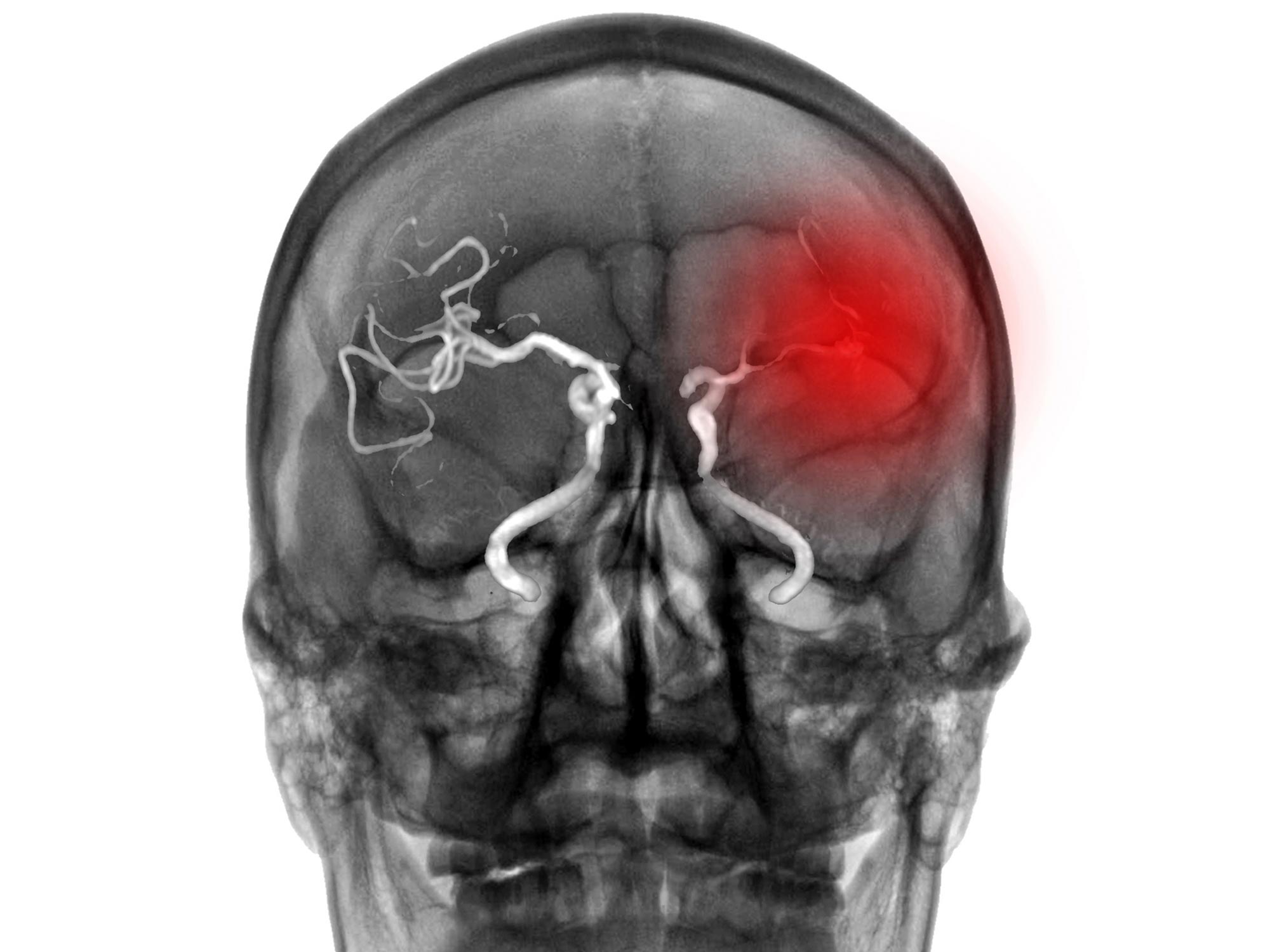
A recent study highlights a significant connection between childhood parental divorce and increased stroke risk in older adults.
Even after accounting for traditional stroke risk factors like lifestyle and socioeconomic status, the impact of parental separation during childhood persists, suggesting deep-rooted biological and social influences that may exacerbate stress responses well into later life.
Impact of Parental Divorce on Stroke Risk
A new study conducted by researchers from the University of Toronto, Tyndale University, and the University of Texas at Arlington reveals that older adults who experienced parental divorce during childhood face a higher risk of stroke.
The study found that among Americans aged 65 and older, one in nine individuals whose parents divorced during their childhood reported having a stroke. In contrast, only one in 15 of those whose parents remained together reported the same diagnosis.
Analyzing Divorce’s Long-Term Health Effects
“Our study indicates that even after taking into account most of the known risk factors associated with stroke — including smoking, physical inactivity, lower income and education, diabetes, depression, and low social support — those whose parents had divorced still had 61% higher odds of having a stroke,” explained first author Mary Kate Schilke, a university lecturer in the Psychology Department at Tyndale University.
The strong association found between parental divorce and stroke is similar in magnitude to two other well-established risk factors for stroke: diabetes and depression. The study replicates research that the authors conducted with a different population-based sample almost a decade ago which found similarly strong links.
Exploring Underlying Mechanisms and Exclusions
“We need to shed light on the mechanisms that may contribute to this association,” says senior author Esme Fuller-Thomson, a Professor at Factor-Inwentash Faculty of Social Work and Director for the Institute of Life Course and Aging at the University of Toronto. “While these types of survey-based studies cannot establish causality, we are hoping that our consistent findings will inspire others to examine the topic.”
The researchers excluded participants who had a history of childhood abuse.
“We found that even when people hadn’t experienced childhood physical and sexual abuse and had at least one adult who made them feel safe in their childhood home, they still were more likely to have a stroke if their parents had divorced,” said Co-author Philip Baiden, an Associate Professor in the School of Social Work at the University of Texas at Arlington.
Biological and Social Factors at Play
Other forms of childhood adversity were not significantly associated with stroke in this study, including emotional abuse, neglect, household mental illness, and substance abuse or exposure to parental domestic violence.
The study’s authors say it is unclear why the link between parental divorce and stroke exists, but theorize that there could be both biological and social factors at play.
“From a biological embedding perspective, having your parents split up during childhood could lead to sustained high levels of stress hormones,” says Fuller-Thomson. “Experiencing this as a child could have lasting influences on the developing brain and a child’s ability to respond to stress.”
The study, published online in PLOS One, was based on the 2022 Behavioral Risk Factor Surveillance Survey and analyzed survey responses from 13,205 older Americans, of whom 13.9% had experienced parental divorce during their childhood.
“If future research finds similar links between parental divorce and stroke, it is possible that knowledge about whether or not their patient grew up in an intact family will be used by health professionals to improve targeted outreach for stroke prevention and education,” Schilke says.
Reference: “Parental divorce’s long shadow: Elevated stroke risk among older Americans” by Mary Kate Schilke, Philip Baiden and Esme Fuller-Thomson, 22 January 2025, PLOS ONE.
DOI: 10.1371/journal.pone.0316580
Never miss a breakthrough: Join the SciTechDaily newsletter.
Follow us on Google and Google News.